



Regions and towns
Which part of Mallorca suits you?
Mallorca covers 3,640 km² – your choice of region shapes your holiday more than your choice of hotel. This page divides the island by character, not by postcode.
The short answer
The short version
North = shallow family beaches, East = small coves and holiday flats, South = natural beaches with little infrastructure, Southwest = city, marinas and short transfer times, Tramuntana = mountains, hiking and cycling, Island centre = fincas and markets with no sea access.
Town finder
Filter instead of scrolling
You can combine several criteria. Towns without their own profile appear with a short assessment so that the selection stays complete.
What should your holiday town offer?
36 of 36 towns match.
-
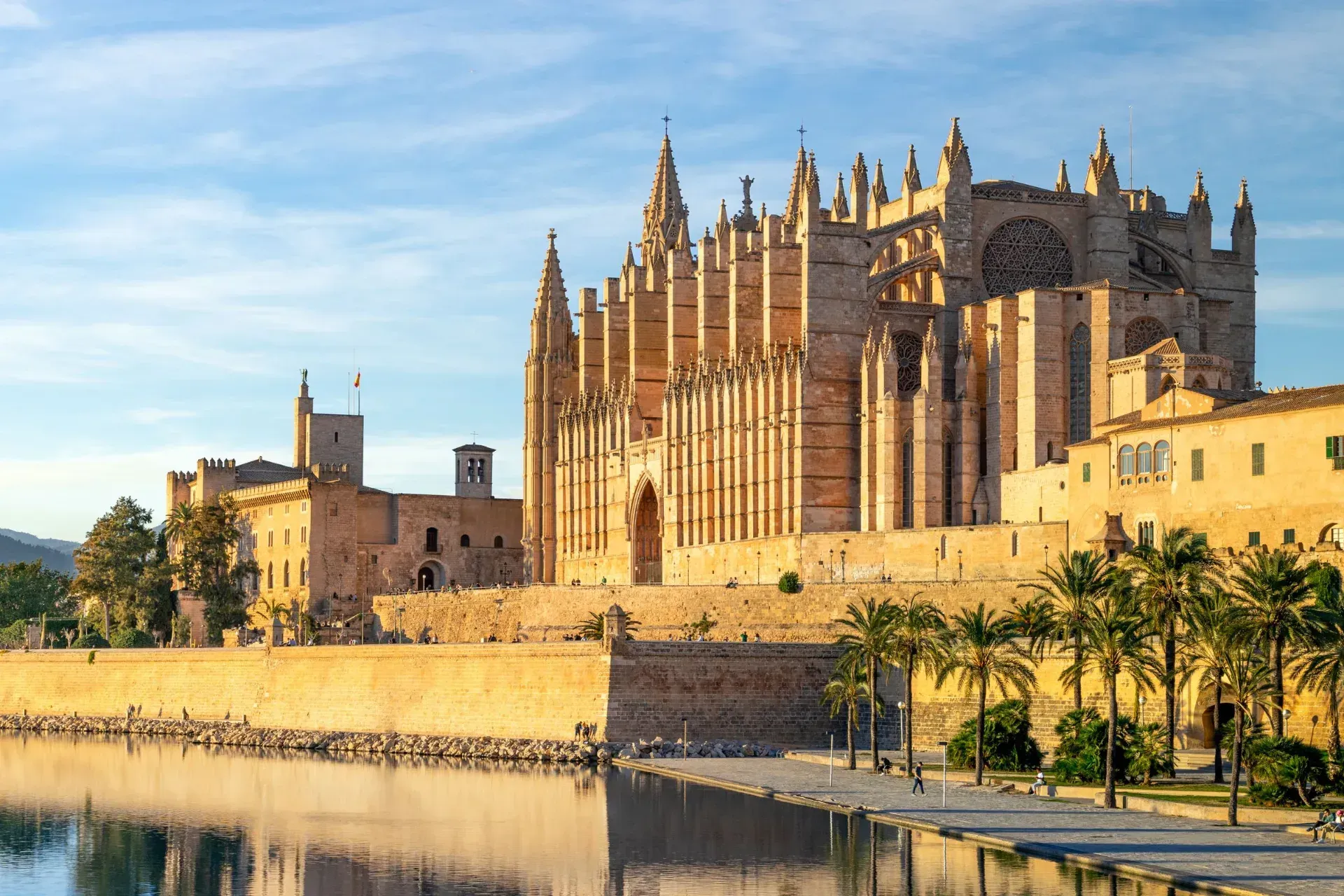
Palma de Mallorca
Southwest City holiday with culture, food and things on offer all year round. 15 min from PMI without a car: 5/5 View town profile →
-
Playa de Palma
Southwest Long row of hotels along the balnearios – from quiet to party zone. 15 min from PMI without a car: 5/5 View town profile →
-
Portals Nous / Puerto Portals
Southwest Elegant residential area west of Palma around the Puerto Portals marina. 25 min from PMI without a car: 3/5 View town profile →
-
Magaluf
Southwest Large sandy beach, water park and the densest party infrastructure. 30 min from PMI without a car: 4/5 View town profile →
-
Santa Ponça
Southwest Sheltered family bay with a marina and golf courses next to Magaluf. 30 min from PMI without a car: 4/5 View town profile →
-
Palmanova
Southwest Family resort in Calvià with three sandy beaches and a short transfer time. 30 min from PMI without a car: 4/5 View town profile →
-
Binissalem
Island centre The island's wine capital and centre of the oldest designation of origin in the Balearics. 30 min from PMI without a car: 3/5 View town profile →
-
Valldemossa
Tramuntana Natural-stone mountain village with a Carthusian monastery – not a beach resort. 35 min from PMI without a car: 2/5 View town profile →
-
Peguera
Southwest Three sandy beaches, a car-free main street, short transfer time. 35 min from PMI without a car: 4/5 View town profile →
-
Inca
Island centre Craft and market town in the island's interior with a celler tradition and a Thursday market. 35 min from PMI without a car: 4/5 View town profile →
-
Sineu
Island centre Town at the centre of the island with Mallorca's oldest market on Wednesdays. 35 min from PMI without a car: 3/5 View town profile →
-
Port d'Andratx
Southwest Yacht harbour between hills, upmarket restaurants, hardly any sandy beach. 40 min from PMI without a car: 2/5 View town profile →
-
Campos
South Agricultural municipality in the south, where most of Es Trenc lies. 40 min from PMI without a car: 2/5 View town profile →
-
Sóller
Tramuntana Mountain valley with a historic railway, orange groves and a tram to the port. 45 min from PMI without a car: 4/5 View town profile →
-
Colònia de Sant Jordi
South Starting point for Es Trenc, the salt pans and boat trips to Cabrera. 45 min from PMI without a car: 3/5 View town profile →
-
Deià
Tramuntana Artists' village on the Tramuntana cliffs with exceptional food. 45 min from PMI without a car: 2/5 View town profile →
-
Banyalbufar
Tramuntana Coastal village above terraced fields, known for Malvasía wine-growing. 45 min from PMI without a car: 2/5 View town profile →
-
Felanitx
Island centre Country town in the southeast with caper growing, bodegas and the Santuari de Sant Salvador. 45 min from PMI without a car: 2/5 View town profile →
-
Ses Salines
South Quiet village in the far south with salt pans and unspoilt natural beaches. 45 min from PMI without a car: 2/5 View town profile →
-
Port de Sóller
Tramuntana Sheltered round harbour bay – with a sandy beach in the middle of town. 50 min from PMI without a car: 4/5 View town profile →
-
Santanyí
Southeast Small sandstone town with a market and access to small coves. 50 min from PMI without a car: 2/5 View town profile →
-
Can Picafort
North Budget-conscious family beach resort on the Bay of Alcúdia. 50 min from PMI without a car: 4/5 View town profile →
-
Manacor
East The island's second-largest town: pearls, furniture-making and a rail link to Palma. 50 min from PMI without a car: 3/5 View town profile →
-
Fornalutx
Tramuntana Mountain village above the Sóller valley, named the most beautiful village in Spain several times. 50 min from PMI without a car: 2/5 View town profile →
-
Alcúdia
North Long, shallow sandy beach plus an old town behind the town walls. 55 min from PMI without a car: 4/5 View town profile →
-
Cala d'Or
East White holiday village with a chain of small sandy coves and a marina. 55 min from PMI without a car: 3/5 View town profile →
-
Portocolom
East Traditional fishing village on a wide natural harbour bay in the southeast. 55 min from PMI without a car: 3/5 View town profile →
-
Port de Pollença
North Quiet bay with a pine-lined promenade, a base for cyclists and Formentor. 60 min from PMI without a car: 4/5 View town profile →
-
Porto Cristo
East Harbour town by the caves with a sheltered beach cove. 60 min from PMI without a car: 3/5 View town profile →
-
Cala Millor
East Two kilometres of shallow sandy beach with a car-free promenade on the east coast. 60 min from PMI without a car: 4/5 View town profile →
-
Sa Coma
East Purpose-built family resort with a wide sandy beach and the Punta de n'Amer nature peninsula. 60 min from PMI without a car: 4/5 View town profile →
-
Cala Bona
East Quiet harbour town, linked to Cala Millor by the promenade. 60 min from PMI without a car: 4/5 View town profile →
-
Pollença
North Cultural centre of the north with an old town, the Calvary steps and a Sunday market. 60 min from PMI without a car: 3/5 View town profile →
-
Artà
East Historic country town in the northeast with a pilgrimage site and an artists' scene. 65 min from PMI without a car: 2/5 View town profile →
-
Cala Ratjada
Northeast Harbour town with several natural beaches and coastal hiking trails. 70 min from PMI without a car: 3/5 View town profile →
-
Canyamel
East Very quiet bay in the northeast with a golf course, luxury hotels and the Coves d'Artà. 70 min from PMI without a car: 2/5 View town profile →
The six regions
Character, strengths and limits
All towns in the town finder at a glance.
Direct comparison
Resorts by transfer time and car-free access
Two factors that are missing from brochures but that you notice every day on holiday.
| Town | Region | From PMI | Without a car | Good for |
|---|---|---|---|---|
| Palma de Mallorca | Southwest | 15 min | 5/5 | City holiday with culture, food and things on offer all year round. |
| Alcúdia | North | 55 min | 4/5 | Long, shallow sandy beach plus an old town behind the town walls. |
| Cala d'Or | East | 55 min | 3/5 | White holiday village with a chain of small sandy coves and a marina. |
| Port de Pollença | North | 60 min | 4/5 | Quiet bay with a pine-lined promenade, a base for cyclists and Formentor. |
| Cala Ratjada | Northeast | 70 min | 3/5 | Harbour town with several natural beaches and coastal hiking trails. |
| Sóller | Tramuntana | 45 min | 4/5 | Mountain valley with a historic railway, orange groves and a tram to the port. |
| Port de Sóller | Tramuntana | 50 min | 4/5 | Sheltered round harbour bay – with a sandy beach in the middle of town. |
| Valldemossa | Tramuntana | 35 min | 2/5 | Natural-stone mountain village with a Carthusian monastery – not a beach resort. |
| Santanyí | Southeast | 50 min | 2/5 | Small sandstone town with a market and access to small coves. |
| Colònia de Sant Jordi | South | 45 min | 3/5 | Starting point for Es Trenc, the salt pans and boat trips to Cabrera. |
| Can Picafort | North | 50 min | 4/5 | Budget-conscious family beach resort on the Bay of Alcúdia. |
| Peguera | Southwest | 35 min | 4/5 | Three sandy beaches, a car-free main street, short transfer time. |
| Port d'Andratx | Southwest | 40 min | 2/5 | Yacht harbour between hills, upmarket restaurants, hardly any sandy beach. |
| Porto Cristo | East | 60 min | 3/5 | Harbour town by the caves with a sheltered beach cove. |
| Magaluf | Southwest | 30 min | 4/5 | Large sandy beach, water park and the densest party infrastructure. |
| Cala Millor | East | 60 min | 4/5 | Two kilometres of shallow sandy beach with a car-free promenade on the east coast. |
| Playa de Palma | Southwest | 15 min | 5/5 | Long row of hotels along the balnearios – from quiet to party zone. |
| Santa Ponça | Southwest | 30 min | 4/5 | Sheltered family bay with a marina and golf courses next to Magaluf. |
| Inca | Island centre | 35 min | 4/5 | Craft and market town in the island's interior with a celler tradition and a Thursday market. |
| Manacor | East | 50 min | 3/5 | The island's second-largest town: pearls, furniture-making and a rail link to Palma. |
| Artà | East | 65 min | 2/5 | Historic country town in the northeast with a pilgrimage site and an artists' scene. |
| Portocolom | East | 55 min | 3/5 | Traditional fishing village on a wide natural harbour bay in the southeast. |
| Sa Coma | East | 60 min | 4/5 | Purpose-built family resort with a wide sandy beach and the Punta de n'Amer nature peninsula. |
| Cala Bona | East | 60 min | 4/5 | Quiet harbour town, linked to Cala Millor by the promenade. |
| Canyamel | East | 70 min | 2/5 | Very quiet bay in the northeast with a golf course, luxury hotels and the Coves d'Artà. |
| Palmanova | Southwest | 30 min | 4/5 | Family resort in Calvià with three sandy beaches and a short transfer time. |
| Portals Nous / Puerto Portals | Southwest | 25 min | 3/5 | Elegant residential area west of Palma around the Puerto Portals marina. |
| Pollença | North | 60 min | 3/5 | Cultural centre of the north with an old town, the Calvary steps and a Sunday market. |
| Deià | Tramuntana | 45 min | 2/5 | Artists' village on the Tramuntana cliffs with exceptional food. |
| Fornalutx | Tramuntana | 50 min | 2/5 | Mountain village above the Sóller valley, named the most beautiful village in Spain several times. |
| Banyalbufar | Tramuntana | 45 min | 2/5 | Coastal village above terraced fields, known for Malvasía wine-growing. |
| Sineu | Island centre | 35 min | 3/5 | Town at the centre of the island with Mallorca's oldest market on Wednesdays. |
| Binissalem | Island centre | 30 min | 3/5 | The island's wine capital and centre of the oldest designation of origin in the Balearics. |
| Felanitx | Island centre | 45 min | 2/5 | Country town in the southeast with caper growing, bodegas and the Santuari de Sant Salvador. |
| Ses Salines | South | 45 min | 2/5 | Quiet village in the far south with salt pans and unspoilt natural beaches. |
| Campos | South | 40 min | 2/5 | Agricultural municipality in the south, where most of Es Trenc lies. |
Driving times are guide values for the journey from Palma Airport outside rush hour.
Decision help
Still undecided?
From your holiday wish to the right region and the specific town.
Town profiles
Towns in profile
-
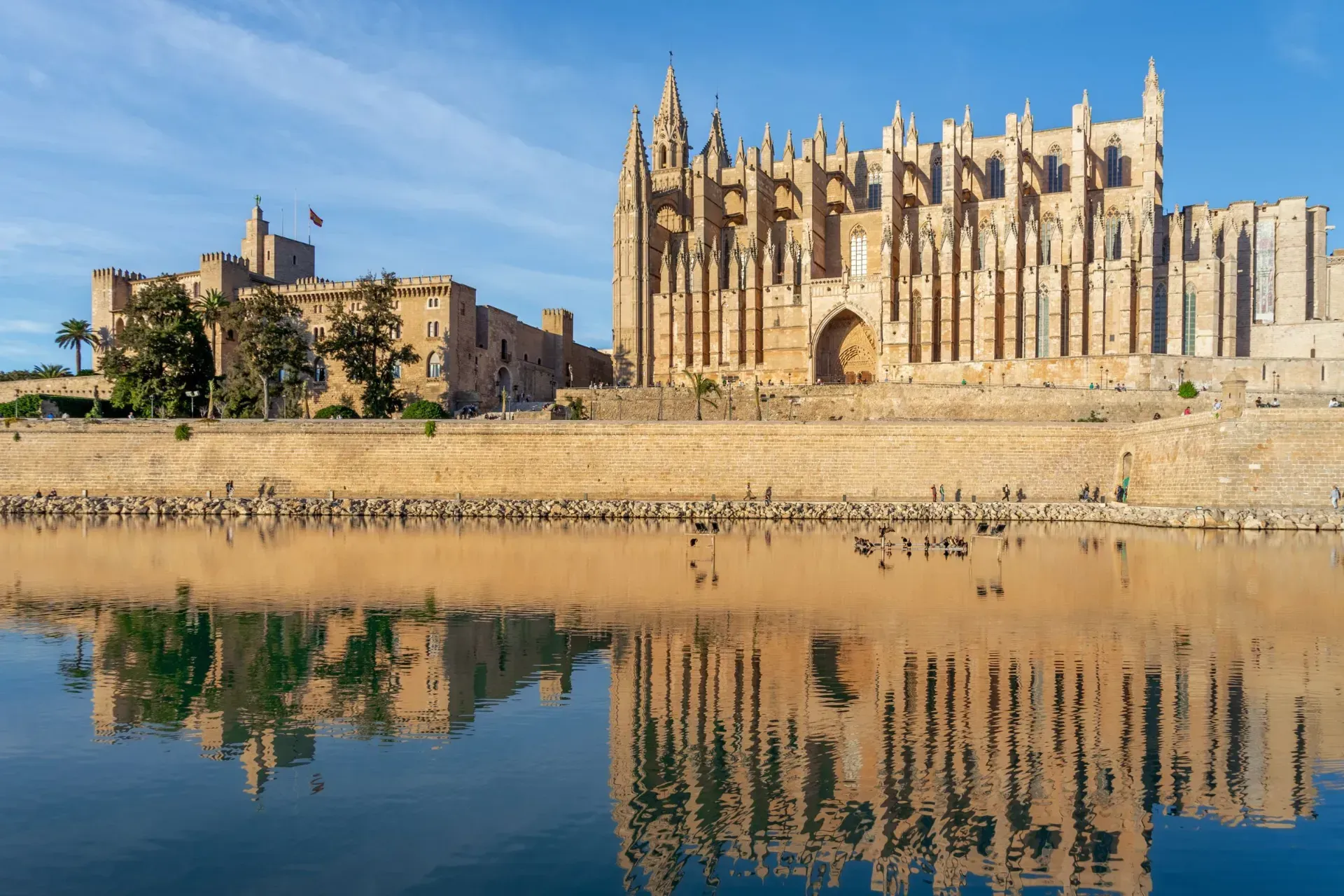
Palma de Mallorca
City holiday with culture, food and things on offer all year round.
-

Alcúdia
Long, shallow sandy beach plus an old town behind the town walls.
-
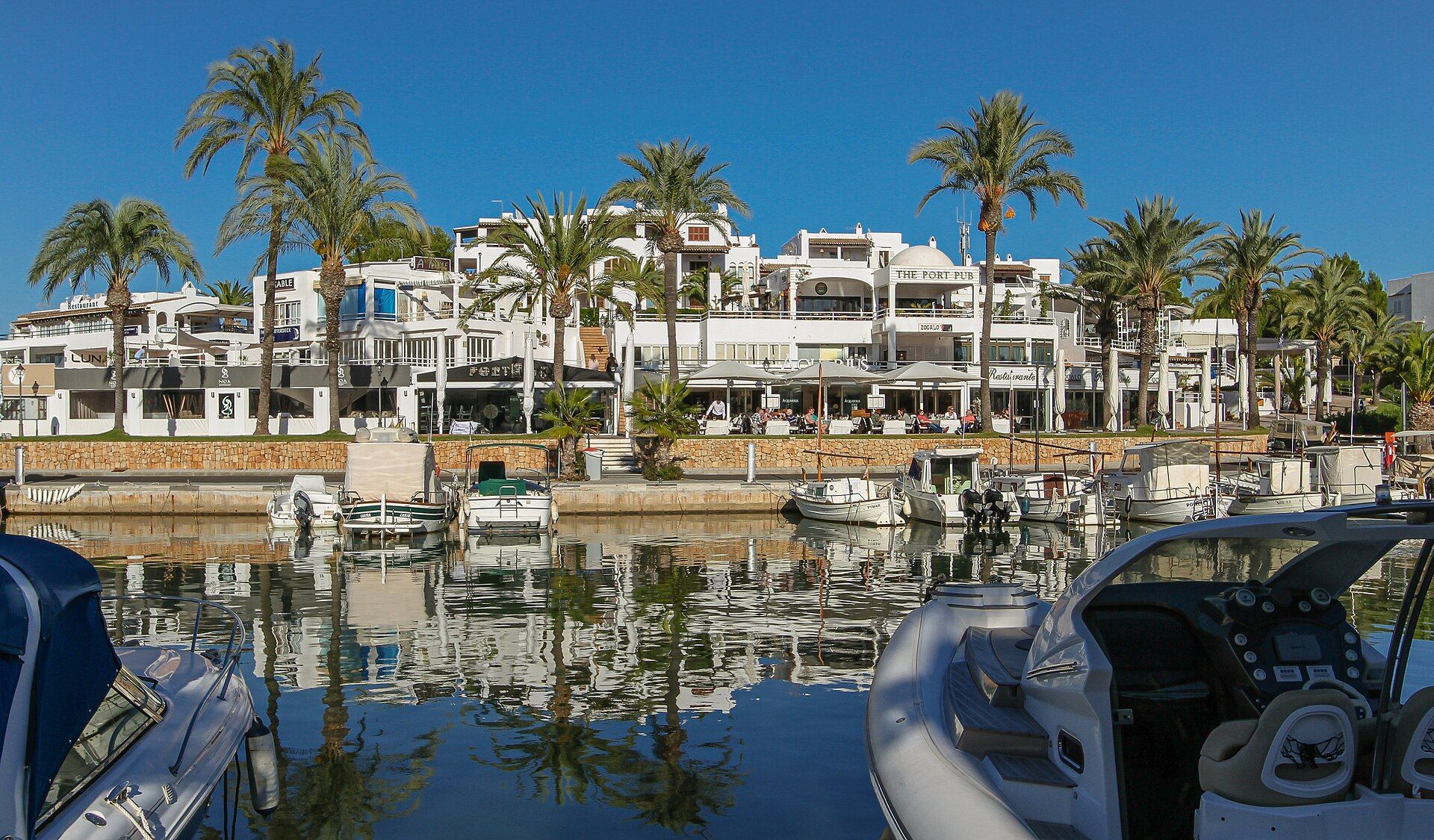
Cala d'Or
White holiday village with a chain of small sandy coves and a marina.
-
Port de Pollença
Quiet bay with a pine-lined promenade, a base for cyclists and Formentor.
-
Cala Ratjada
Harbour town with several natural beaches and coastal hiking trails.
-
Sóller
Mountain valley with a historic railway, orange groves and a tram to the port.
-
Port de Sóller
Sheltered round harbour bay – with a sandy beach in the middle of town.
-
Valldemossa
Natural-stone mountain village with a Carthusian monastery – not a beach resort.
-
Santanyí
Small sandstone town with a market and access to small coves.
-
Colònia de Sant Jordi
Starting point for Es Trenc, the salt pans and boat trips to Cabrera.
-
Can Picafort
Budget-conscious family beach resort on the Bay of Alcúdia.
-
Peguera
Three sandy beaches, a car-free main street, short transfer time.
-
Port d'Andratx
Yacht harbour between hills, upmarket restaurants, hardly any sandy beach.
-
Porto Cristo
Harbour town by the caves with a sheltered beach cove.
-
Magaluf
Large sandy beach, water park and the densest party infrastructure.
-
Cala Millor
Two kilometres of shallow sandy beach with a car-free promenade on the east coast.
-
Playa de Palma
Long row of hotels along the balnearios – from quiet to party zone.
-
Santa Ponça
Sheltered family bay with a marina and golf courses next to Magaluf.
-
Inca
Craft and market town in the island's interior with a celler tradition and a Thursday market.
-
Manacor
The island's second-largest town: pearls, furniture-making and a rail link to Palma.
-
Artà
Historic country town in the northeast with a pilgrimage site and an artists' scene.
-
Portocolom
Traditional fishing village on a wide natural harbour bay in the southeast.
-
Sa Coma
Purpose-built family resort with a wide sandy beach and the Punta de n'Amer nature peninsula.
-
Cala Bona
Quiet harbour town, linked to Cala Millor by the promenade.
-
Canyamel
Very quiet bay in the northeast with a golf course, luxury hotels and the Coves d'Artà.
-
Palmanova
Family resort in Calvià with three sandy beaches and a short transfer time.
-
Portals Nous / Puerto Portals
Elegant residential area west of Palma around the Puerto Portals marina.
-
Pollença
Cultural centre of the north with an old town, the Calvary steps and a Sunday market.
-
Deià
Artists' village on the Tramuntana cliffs with exceptional food.
-
Fornalutx
Mountain village above the Sóller valley, named the most beautiful village in Spain several times.
-
Banyalbufar
Coastal village above terraced fields, known for Malvasía wine-growing.
-
Sineu
Town at the centre of the island with Mallorca's oldest market on Wednesdays.
-
Binissalem
The island's wine capital and centre of the oldest designation of origin in the Balearics.
-
Felanitx
Country town in the southeast with caper growing, bodegas and the Santuari de Sant Salvador.
-
Ses Salines
Quiet village in the far south with salt pans and unspoilt natural beaches.
-
Campos
Agricultural municipality in the south, where most of Es Trenc lies.
Frequently asked questions
Which area of Mallorca is best for families?
The Bay of Alcúdia in the north is considered the most family-friendly region: several kilometres of gently shelving sandy beach, wide promenades, short distances and plenty of family infrastructure. Alternatives are Playa de Muro, Can Picafort, Sa Coma and Peguera.
Where is Mallorca at its quietest?
Quiet areas are the south between Colònia de Sant Jordi and Santanyí, the Es Pla island centre and smaller towns on the east coast outside the main season. The mountain villages of the Tramuntana are quiet, but without direct access to the sea.
In which town can you manage without a hire car?
Palma, Peguera, Port de Pollença, Alcúdia, Can Picafort and Sóller work well without a car, because the beach, shops and restaurants are within walking distance and there are buses or trains. It gets difficult in villa areas such as Bonaire near Alcúdia or above Port d'Andratx.
How far is it from Palma Airport to the resorts?
Palma is around 15 minutes away, the southwest 30 to 40 minutes, the east and north 50 to 70 minutes. The transfer time is a real planning factor, especially when arriving with children or on late flights.
Image credits: View from the town walls over the old town of Alcúdia: photo Adam Jones from Kelowna, BC, Canada, CC BY-SA 2.0, via Wikimedia Commons · Cala d'Or harbour with boats: photo Friedrich Haag, CC BY-SA 4.0, via Wikimedia Commons