



Region · Northwest
Serra de Tramuntana: mountains, villages and cliffs
Last checked: October 2026
A UNESCO World Heritage Site of dry-stone walls, olive terraces and mountain villages – the region for hiking and cycling, the weakest for small children at the beach.
The Tramuntana's cultural landscape has been a UNESCO World Heritage Site since 2011.
The short answer
Who is the Serra de Tramuntana worth it for?
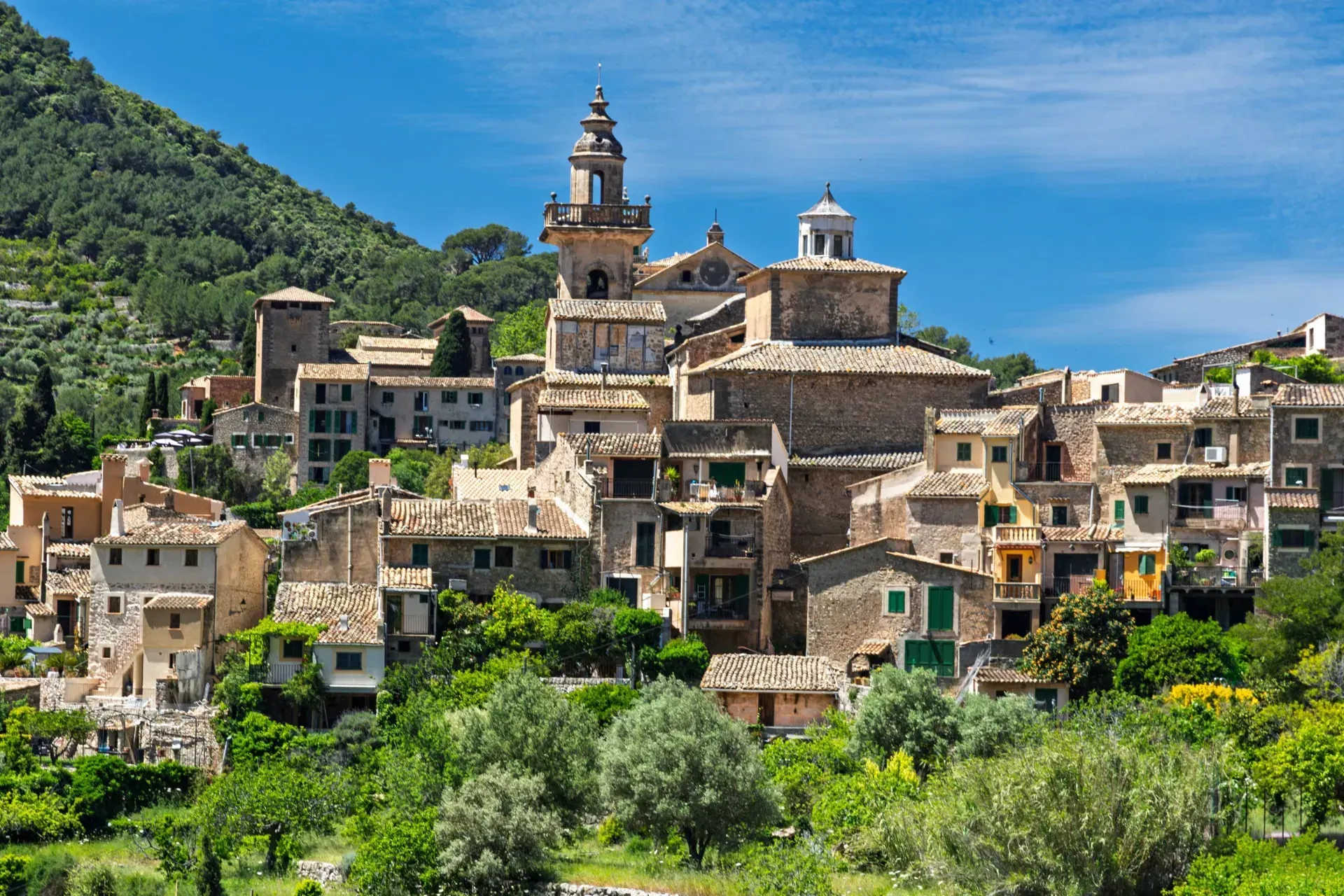
The Serra de Tramuntana stretches for 90 kilometres along Mallorca's northwest coast. Instead of long sandy beaches there are pebble coves, hairpin roads and villages such as Valldemossa, Deià and Sóller. The cultural landscape has been a UNESCO World Heritage Site since 2011.
Scenery instead of a beach holiday
Almost everywhere, the mountains drop steeply into the sea. If you stay here, you are choosing views, hiking trails and village life – not a beach day on your doorstep. The exceptions are Port de Sóller with its sheltered bay and the pebble coves of Cala Deià and Sa Calobra.
Best time to travel
March to May and October to November are ideal: pleasant temperatures for hiking, almond and fruit orchards in blossom in February and March, and far less traffic on the mountain roads. In high summer the valleys get hot and the car parks at viewpoints fill up early.
Getting there and getting around
From Palma, the historic narrow-gauge railway runs to Sóller, and from there the tram goes to the port – the only mountain connection that works reliably without a car. All other villages are reached via winding country roads; large vehicles and trailers are impractical there.
- Transfer from Palma Airport
- around 40 to 70 minutes
- Without a hire car
- only Sóller / Port de Sóller well connected
- Coastline
- Cliffs with pebble and rocky coves
- Status
- UNESCO World Heritage Site since 2011
Good for
Hiking and road cycling Couples and photography Culture and village life Spring and autumn
Less suitable for
- Families with small children at the beach
- Travelling without a car outside Sóller
Towns in this region
Where exactly should you stay?
Transfer time from Palma Airport and suitability without a car matter more in everyday life than the hotel category.
-
Sóller
Mountain valley with a historic railway, orange groves and a tram to the port.
-
Port de Sóller
Sheltered round harbour bay – with a sandy beach in the middle of town.
-
Valldemossa
Natural-stone mountain village with a Carthusian monastery – not a beach resort.
-
Deià
Artists' village on the Tramuntana cliffs with exceptional food.
-
Fornalutx
Mountain village with natural-stone houses above the Sóller valley
-
Banyalbufar
Coastal village above terraced fields, known for Malvasía wine-growing.
Location of the resorts in the Serra de Tramuntana region.
Beaches
Beaches in the Serra de Tramuntana region
Surface, entry into the water and parking are listed in each beach profile.
-
Sa Calobra / Torrent de Pareis
Pebble beach at the mouth of the impressive gorge between two gigantic rock walls.
-
Cala Deià
Rustic pebble cove enclosed by rocks, with boathouses and two fish restaurants right on the cliffs.
-
Platja d'en Repic
Family-friendly beach on the southern shore of Sóller's circular natural harbour bay.
-
Cala Tuent
Imposing, unspoilt pebble cove directly below the Puig Major in the Tramuntana mountains.
-
Cala Banyalbufar
Narrow pebble cove below steep terraced fields with a natural freshwater spring as an open-air shower.
-
Cala Estellencs
Rugged fishing cove in the shadow of steep cliffs with a small summer chiringuito.
-
Port de Valldemossa (Cala Sa Marina)
Valldemossa's small harbour hamlet with a rocky pebble beach and the idyllic Es Port fish restaurant.
Food & drink
Restaurants in the Serra de Tramuntana region
-
€€€
1661 Cuina de Banyalbufar
Banyalbufar
Creative fusion cuisine · Mediterranean
-
€€€
Balm Restaurant
Deià
Mediterranean · vegetarian/vegan focus
Newer, family-run restaurant with creative, health-conscious Mediterranean cuisine.
-
€€€
Bar & Restaurante Miró
Deià
Mediterranean
Named after Joan Miró, who helped shape Deià's artistic life.
- Special occasion
-
Michelin star Michelin Green Star Repsol Soles €€€€
Béns d'Avall
Sóller
Mallorcan
Fine-dining restaurant run by the Vicens family in a clifftop setting.
- Sea view
- Special view
- Fine dining
-
€€
Bistró Rullàn
Deià
Mediterranean · European
-
€€€
Ca ses Sauerschell's
Deià
Mediterranean · Spanish
Traditional restaurant, continued by a new generation as a casual wine bar.
Next steps
Frequently asked questions about the Serra de Tramuntana region
Do you need a hire car in the Tramuntana?
For Valldemossa, Deià, Banyalbufar or Lluc, practically yes. Sóller and Port de Sóller are easy to reach from Palma without a car by train and tram.
Are there sandy beaches in the Tramuntana?
Hardly any. The coves are mostly pebbles and rock. The most convenient place to swim in the region is the beach at Port de Sóller, plus Cala Deià and Sa Calobra as scenic destinations.
When is the best time for hiking?
March to May and October to November. In high summer the exposed trails are too hot, and in winter it can be wet and windy on the summits.
How do you get to Sóller without a car?
By the historic train from Palma (station next to Plaça d'Espanya), then on by tram to Port de Sóller; alternatively by bus.
Other regions
Keep comparing
-
Southwest
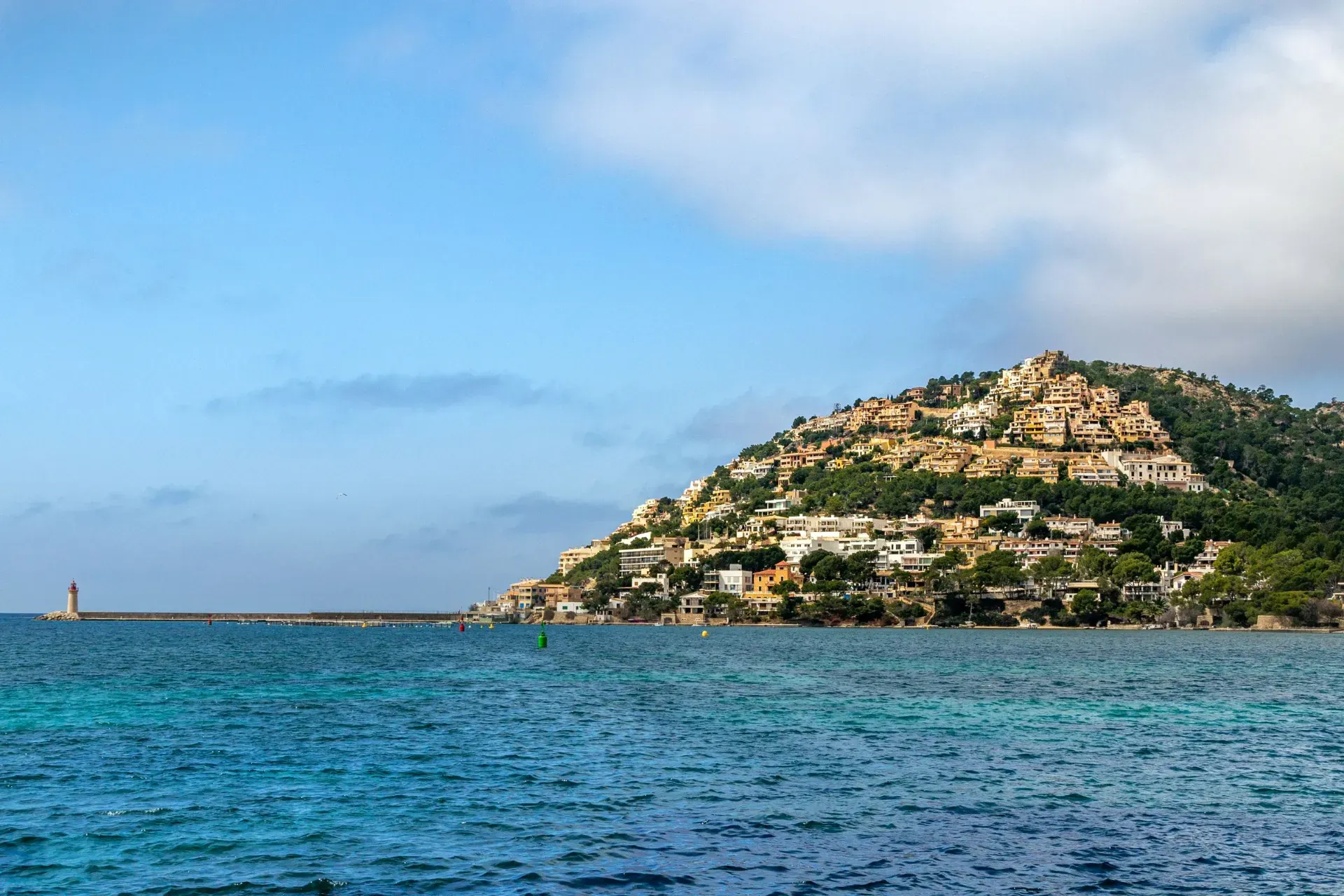
Short transfer times, city life and marinas: the southwest is the island's best-developed region and works outside the summer months too.
-
North
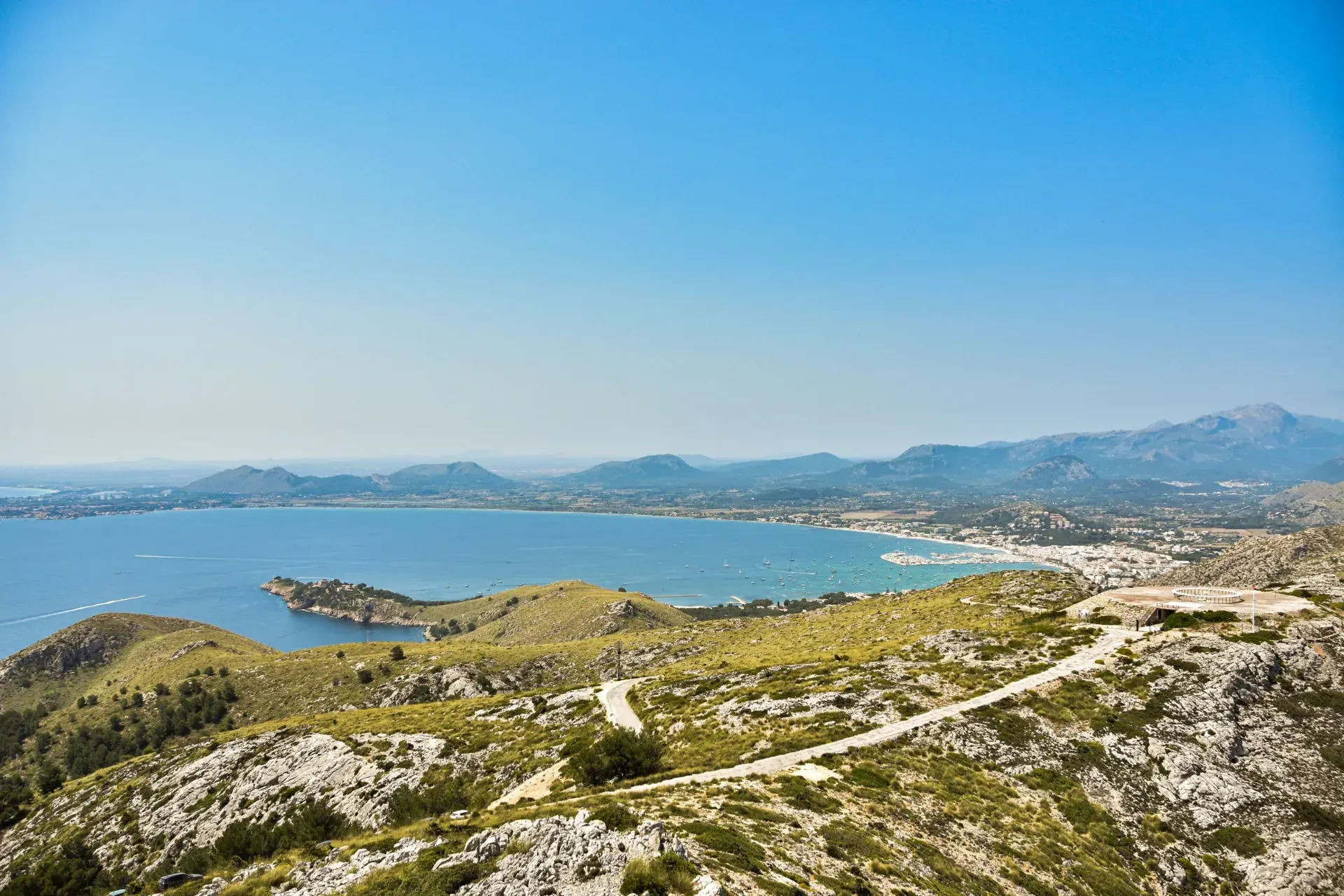
Miles of gently shelving sandy bays with a promenade – Mallorca's classic family region, easy to combine with cycling and nature trips.
-
East
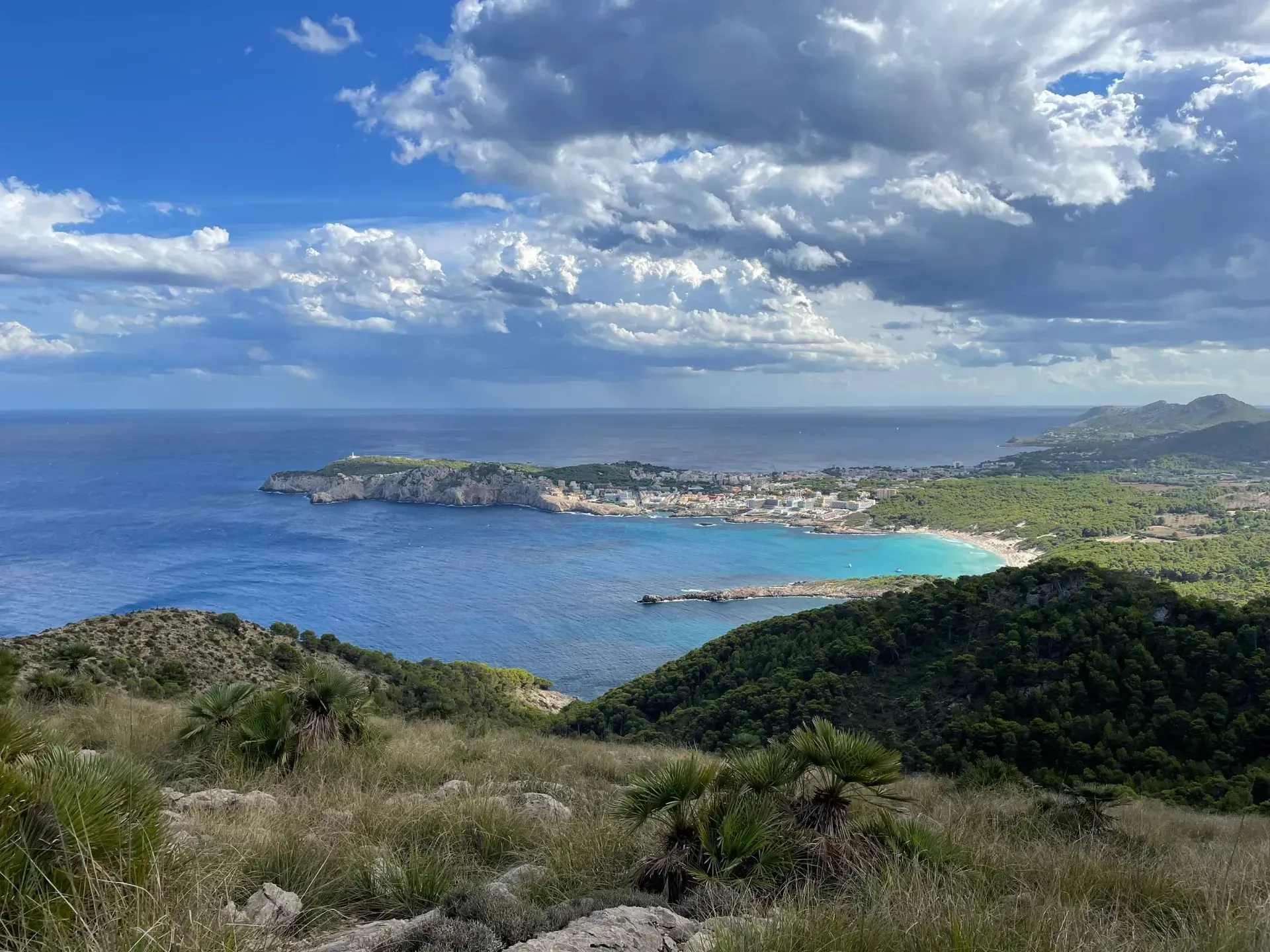
A chain of small calas between pine trees and limestone rock – quiet resorts with holiday flats, marinas and short coastal paths.
-
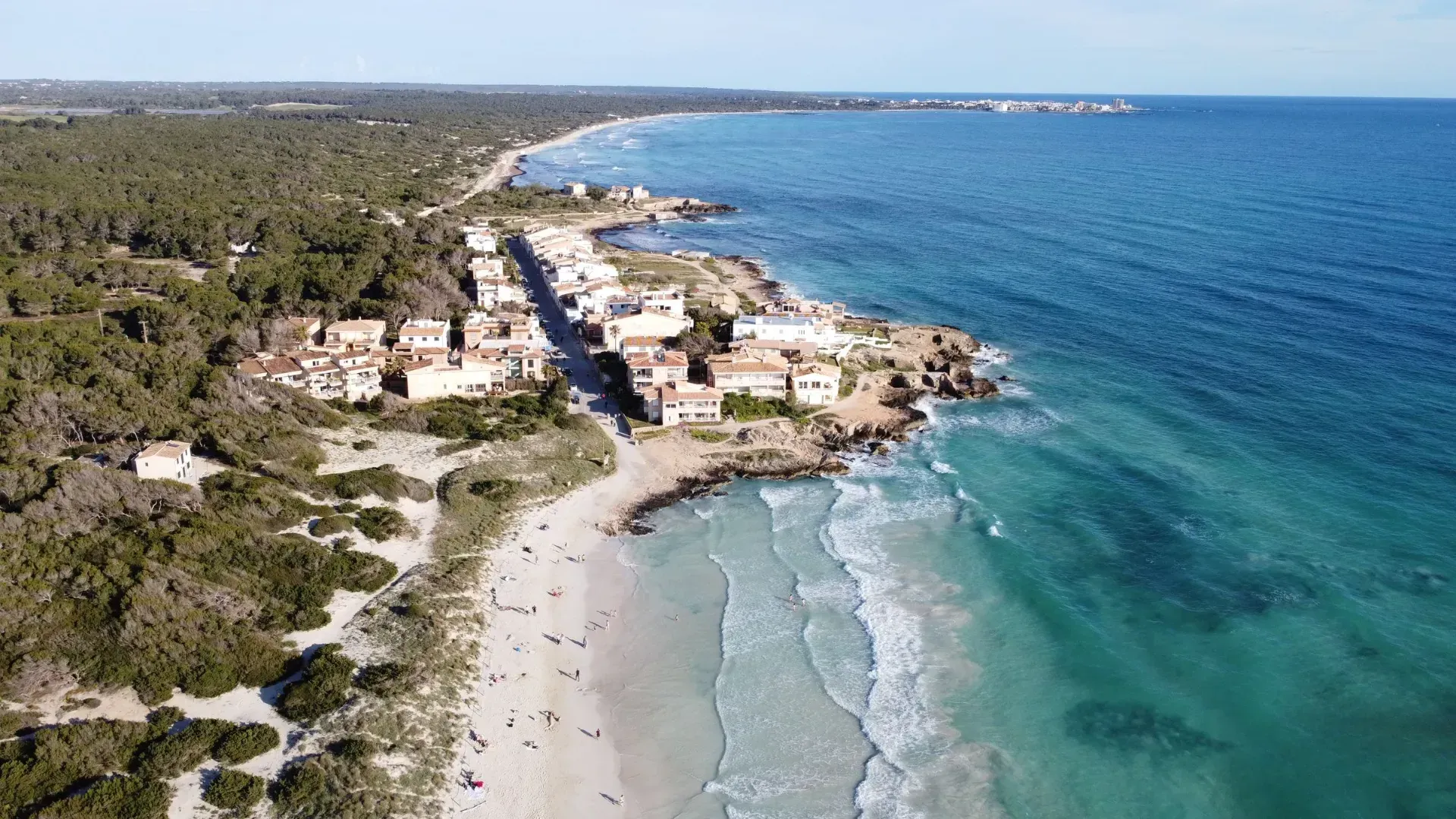
South
Flat, dry and little built-up: this is where the island's natural beaches are – but the infrastructure is thinner than elsewhere.
-
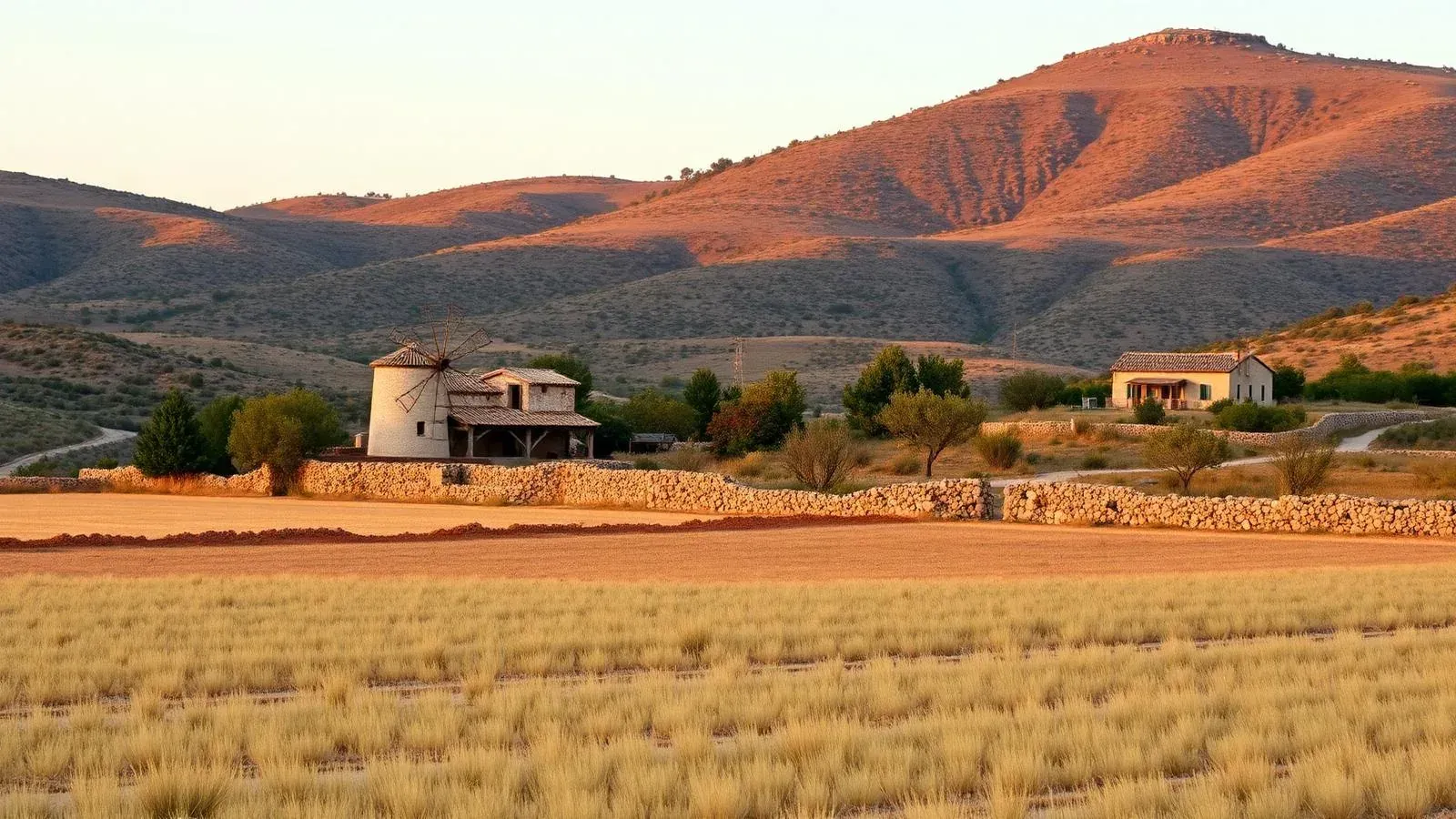
Island centre: Es Pla
Farmland instead of coast: wineries, weekly markets and fincas – only practical as a base with a hire car, but quiet all year round.