



Region · East
Eastern Mallorca: Cala d'Or, Cala Millor, Canyamel
Last checked: October 2026
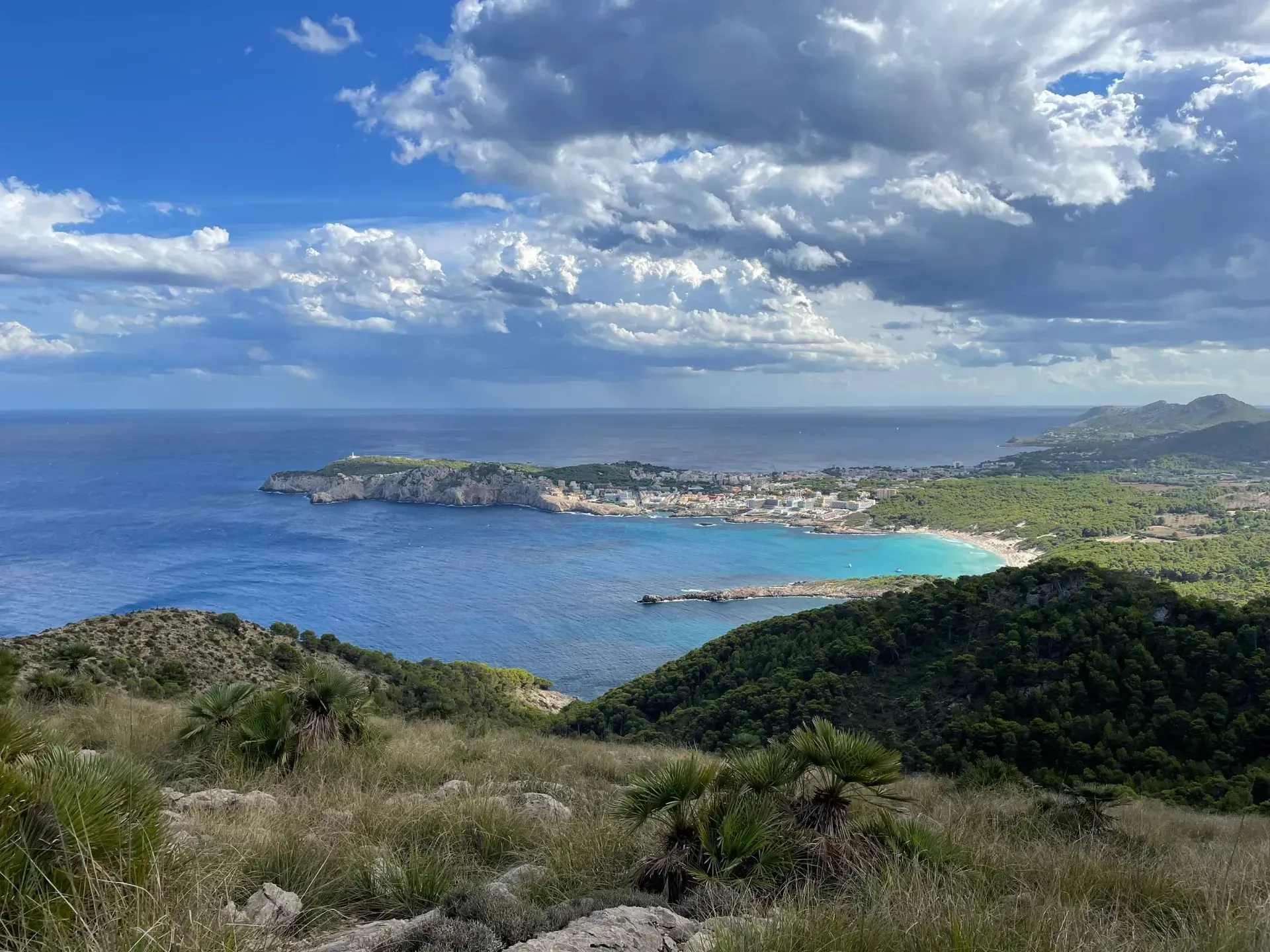
A chain of small calas between pine trees and limestone rock – quiet resorts with holiday flats, marinas and short coastal paths.
The calas of the east lie close together and are linked by coastal paths.
The short answer
Who is eastern Mallorca ideal for?
Eastern Mallorca stretches from Cala Ratjada via Cala Millor and Porto Cristo to Cala d'Or and Portocolom. The coast is made up of many small coves; the resorts are strongly geared towards holiday flats, villas and mid-sized hotels.
Coves instead of miles of beach
Instead of one continuous bay, dozens of calas line up here, often with sand, a shallow entry and clear water. Because they are small, they fill up quickly in high summer – if you come early or travel in the off-season, you will have them almost to yourself.
Excursions within reach
The Coves del Drac and Coves dels Hams caves near Porto Cristo, Capdepera castle, the weekly market in Artà and the coastal paths between the coves cover your bad-weather and culture days.
Getting around
Within the resorts you can walk everywhere; between the coves a car is handy. Bus connections exist but are less frequent than in the north. For trips to the caves and mountain villages, hiring a car for individual days is better value than hiring for a whole week.
- Transfer from Palma Airport
- around 50 to 70 minutes
- Without a hire car
- limited – yes within the resort, difficult between coves
- Coastline
- small sandy and rocky coves with pine trees
- Season
- May to October, many places closed for the winter
Good for
Couples and quiet family holidays Holiday flats and villas Snorkelling in clear coves Off-season in May and September
Less suitable for
- Nightlife
- long beach walks along a single beach
Towns in this region
Where exactly should you stay?
Transfer time from Palma Airport and suitability without a car matter more in everyday life than the hotel category.
-
Cala d'Or
White holiday village with a chain of small sandy coves and a marina.
-
Cala Ratjada
Harbour town with several natural beaches and coastal hiking trails.
-
Porto Cristo
Harbour town by the caves with a sheltered beach cove.
-
Cala Millor
Two kilometres of shallow sandy beach with a car-free promenade on the east coast.
-
Manacor
The island's second-largest town: pearls, furniture-making and a rail link to Palma.
-
Artà
Historic country town in the northeast with a pilgrimage site and an artists' scene.
-
Portocolom
Traditional fishing village on a wide natural harbour bay in the southeast.
-
Sa Coma
Purpose-built family resort with a wide sandy beach and the Punta de n'Amer nature peninsula.
-
Cala Bona
Quiet harbour town, linked to Cala Millor by the promenade.
-
Canyamel
Very quiet bay in the northeast with a golf course, luxury hotels and the Coves d'Artà.
Location of the resorts in the East region.
Beaches
Beaches in the East region
Surface, entry into the water and parking are listed in each beach profile.
-
Cala Torta
Wild, undeveloped sandy cove in the northeast, surrounded by hills and often with considerable surf.
-
Cala Varques
Legendary natural cove with the finest sand, turquoise water, natural rock arches and underwater caves.
-
Cala Mesquida
Impressively wide sandy beach in the middle of a protected dune landscape with a large gull colony.
-
Cala Agulla
Cala Ratjada's main beach, framed by dense pine forest and clear water.
-
Cala Moltó
Rocky, crystal-clear neighbouring cove of Cala Agulla – a quiet refuge for naturist swimmers.
-
Son Moll
Cala Ratjada's lively town beach on the seafront promenade with bars and hotels.
-
Cala Gat
Idyllic mini cove on the harbour path from Cala Ratjada towards the lighthouse.
-
Platja de Canyamel
Quiet, wide sandy beach in the well-kept resort of Canyamel, framed by wooded hills.
-
Cala Millor
Almost two kilometres of light sandy beach with a car-free promenade.
-
Cala Bona
Several small sandy coves by the cosy fishing harbour of Cala Bona, AENOR-certified (UNE 170001) for accessibility.
-
Sa Coma
Wide fine-sand beach with turquoise water in the popular resort of Sa Coma.
-
Cala Morlanda
Crystal-clear rocky cove in S'Illot with turquoise-green water – extremely popular with teenagers for cliff jumping.
-
Cala Anguila
Funnel-shaped cove with light sand and bright turquoise water between low rocks.
-
Cala Mandia
Wide, deeply cut sandy cove with hotel complexes on the clifftops.
-
Cala Romàntica (S'Estany d'en Mas)
Picturesque cove with an extremely wide stretch of sand between high rock walls.
-
Cala Murada
Sheltered sandy cove in the quiet village of Cala Murada with a lovely beach bar right on the sand.
-
Cala Marçal
Large, family-friendly main cove of the idyllic fishing harbour of Portocolom.
-
Cala Brafi
Completely untouched, narrow rocky cove south of Portocolom – a quiet insider tip.
-
Cala Mondragó (Font de n'Alis)
The main beach of the Mondragó nature park with fine sand and beach restaurants.
-
Cala Gran
The largest cove of the Ibiza-style resort of Cala d'Or.
Food & drink
Restaurants in the East region
-
€€
Amapola Brasas
Cala Millor
Steak & grill
From the charcoal grill straight to your table.
- Families
- Groups
-
€€
Can Calco 510 Sant Salvador (Bar San Salvador)
Felanitx
Mallorcan · Mediterranean
-
Repsol Soles €€
Can March
Manacor
Mediterranean
- Business dinners
-
Repsol Soles €€€€
Can Simoneta
Canyamel
- Sea view
- Special occasion
- Fine dining
-
€€€
Carrossa
Artà
Mediterranean
- Special occasion
- Fine dining
Next steps
Frequently asked questions about the East region
Which cove in the east is suitable for families?
Cala Gran in Cala d'Or, Cala Millor and the beach at Sa Coma offer sand, a shallow entry and facilities right by the water.
Is a hire car worth it on the east coast?
Usually yes, at least for a few days. The coves are scattered, and buses run between the towns less often than in the north.
What can you do in the east when it rains?
The Coves del Drac and Coves dels Hams near Porto Cristo, Capdepera castle and the museums in Artà work regardless of the weather.
Is there a bus from the airport to the east coast?
Yes, Aerotib lines run directly from the airport to the east coast, in summer as far as Cala Bona. There is no direct bus to Cala d'Or; you get there by taxi, transfer or via Palma on express line 515e. Timetables at tib.org.
Other regions
Keep comparing
-
Southwest
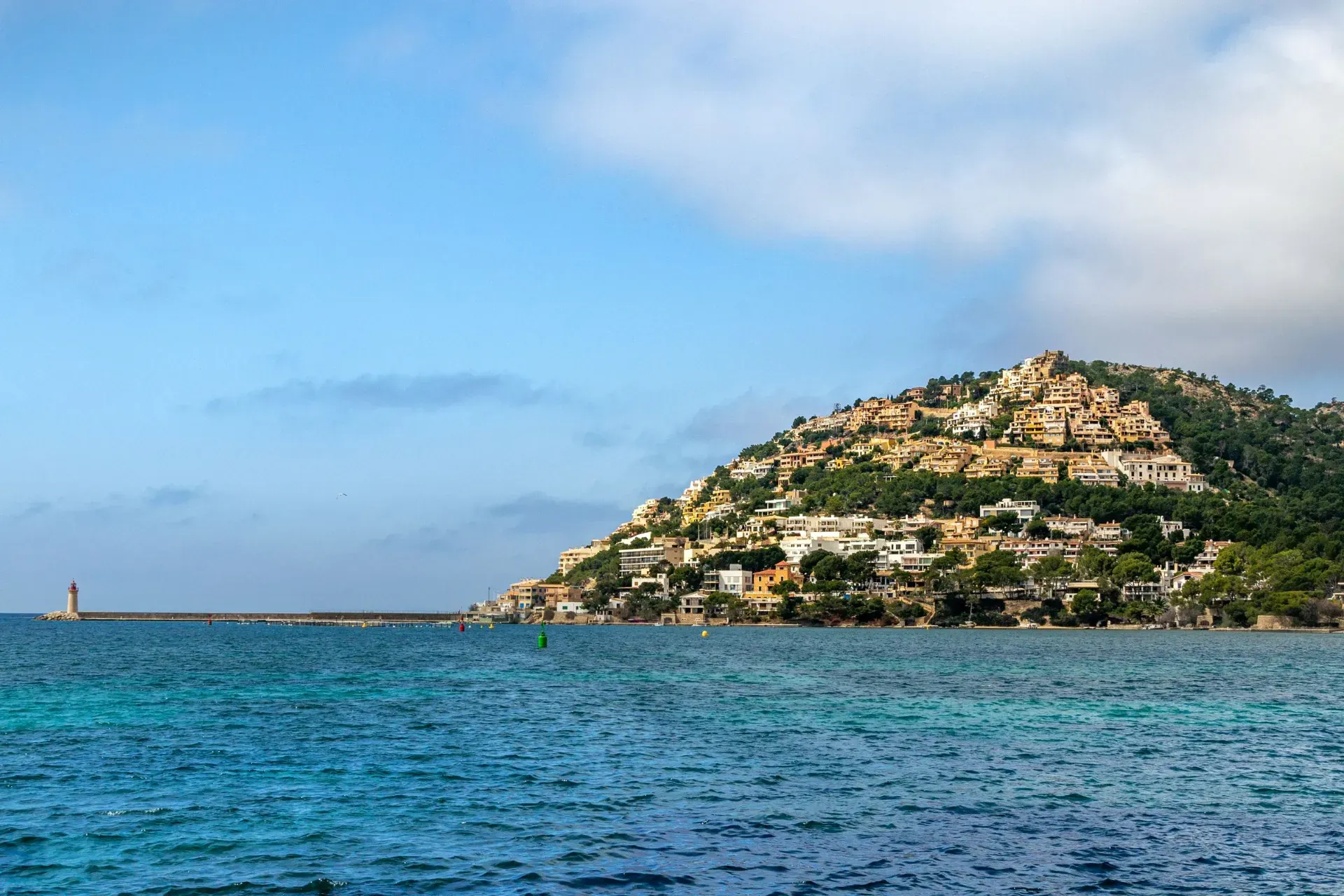
Short transfer times, city life and marinas: the southwest is the island's best-developed region and works outside the summer months too.
-
Serra de Tramuntana
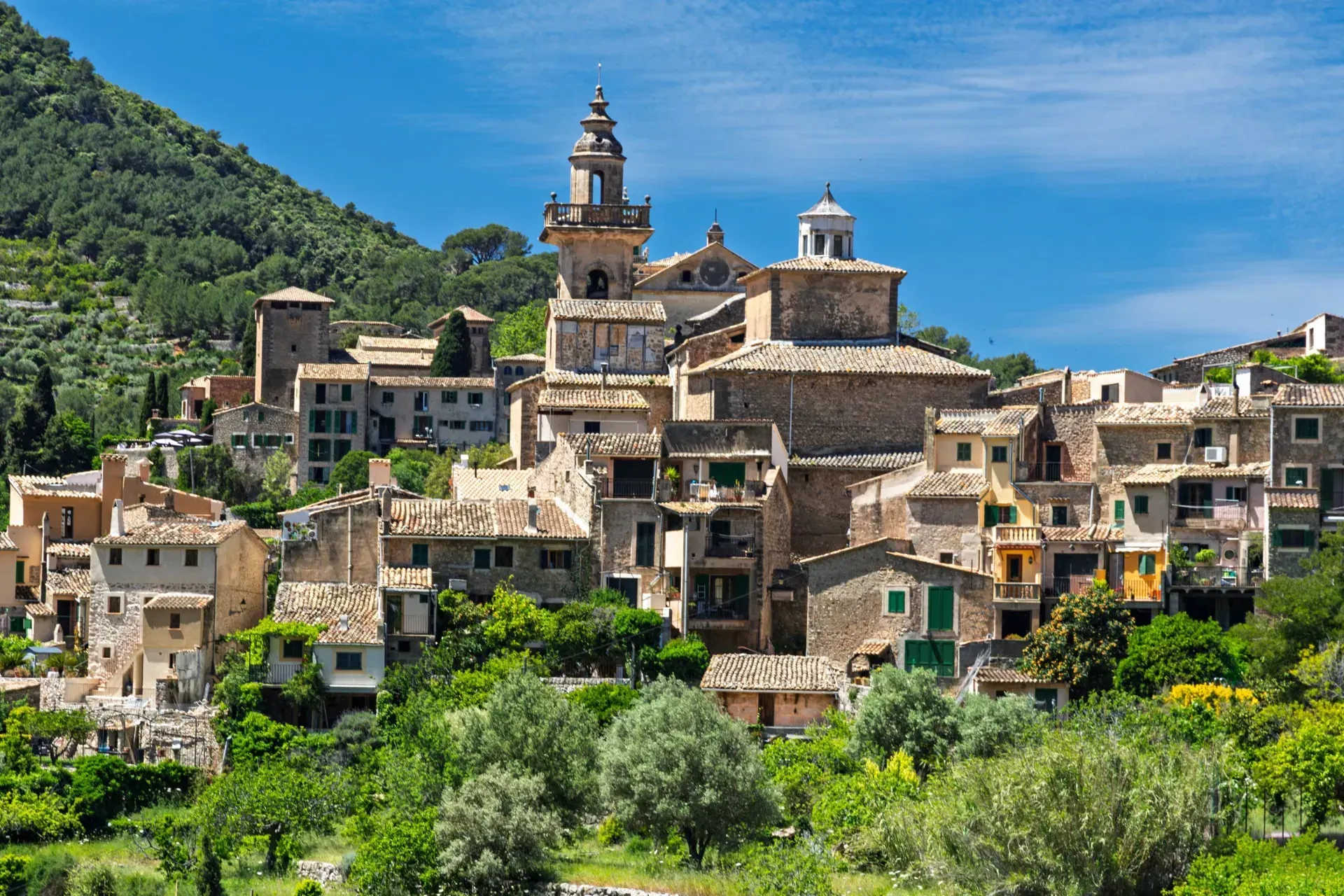
A UNESCO World Heritage Site of dry-stone walls, olive terraces and mountain villages – the region for hiking and cycling, the weakest for small children at the beach.
-
North
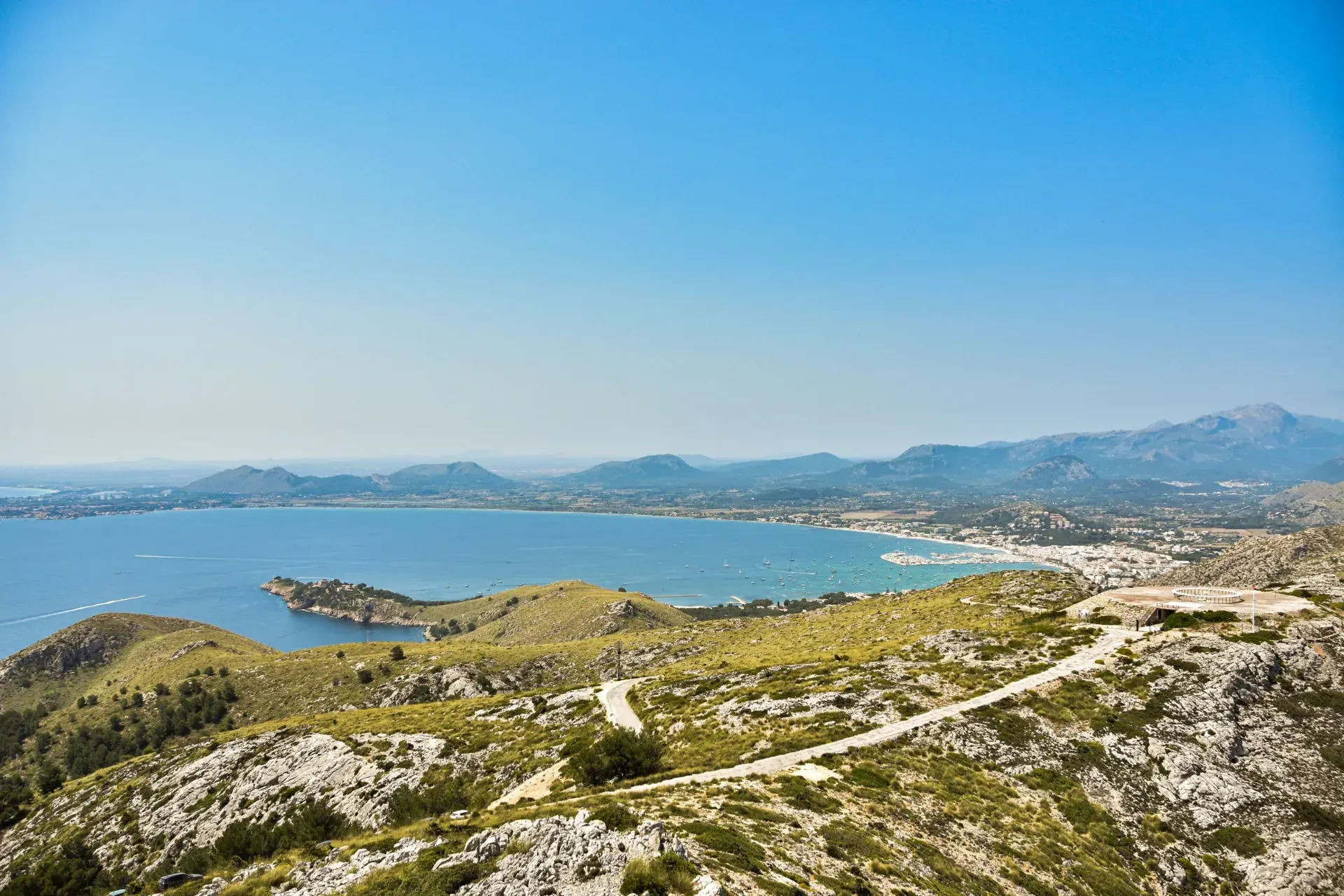
Miles of gently shelving sandy bays with a promenade – Mallorca's classic family region, easy to combine with cycling and nature trips.
-
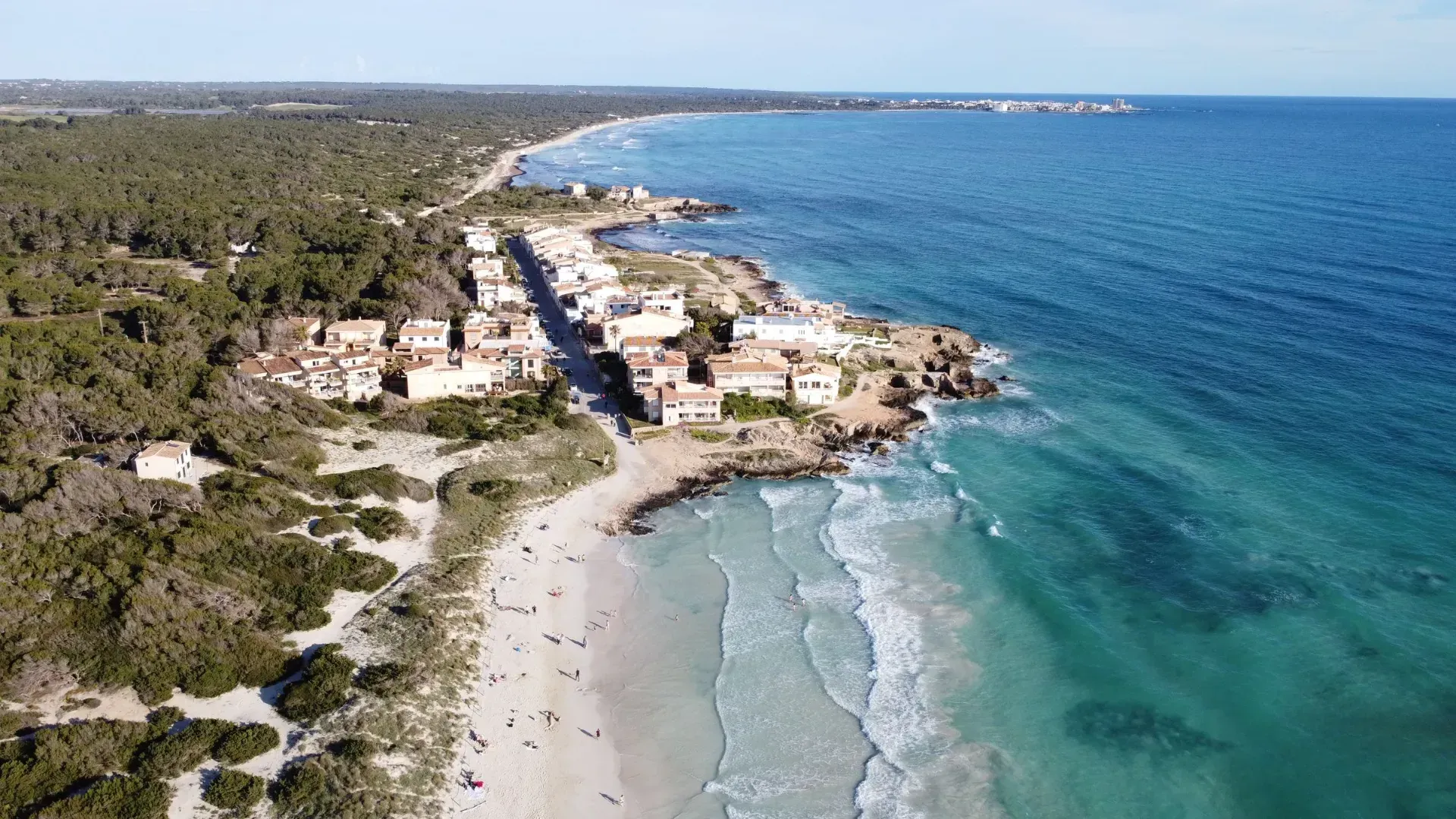
South
Flat, dry and little built-up: this is where the island's natural beaches are – but the infrastructure is thinner than elsewhere.
-
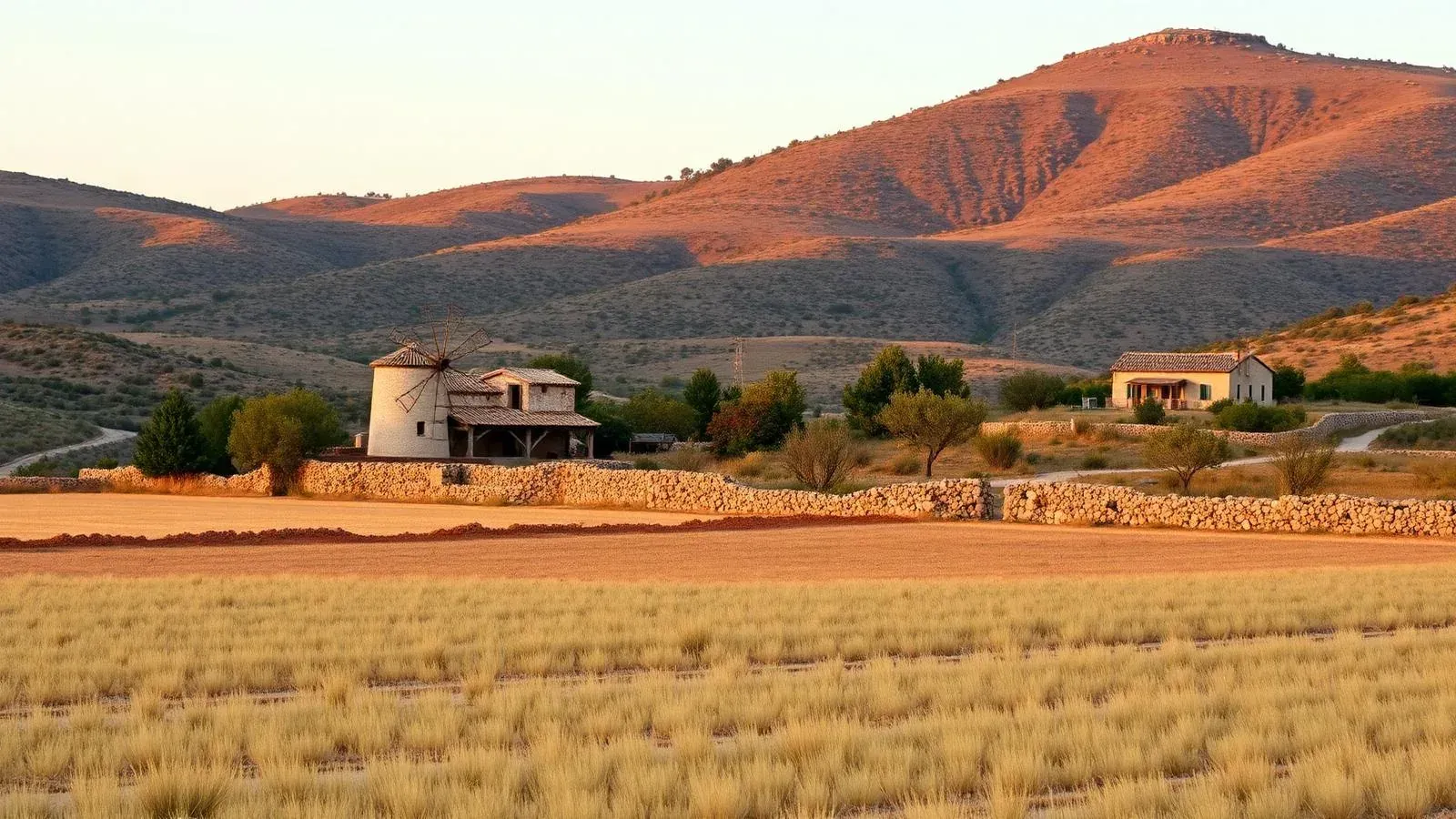
Island centre: Es Pla
Farmland instead of coast: wineries, weekly markets and fincas – only practical as a base with a hire car, but quiet all year round.