



Specialities
Mallorcan specialities
What the island really produces – product knowledge, honest ways to buy and the rules for taking it on the plane.
Food & Drink in Mallorca Markets & producers
Last checked: October 2026
Quick answer
Which specialities are typical of Mallorca?
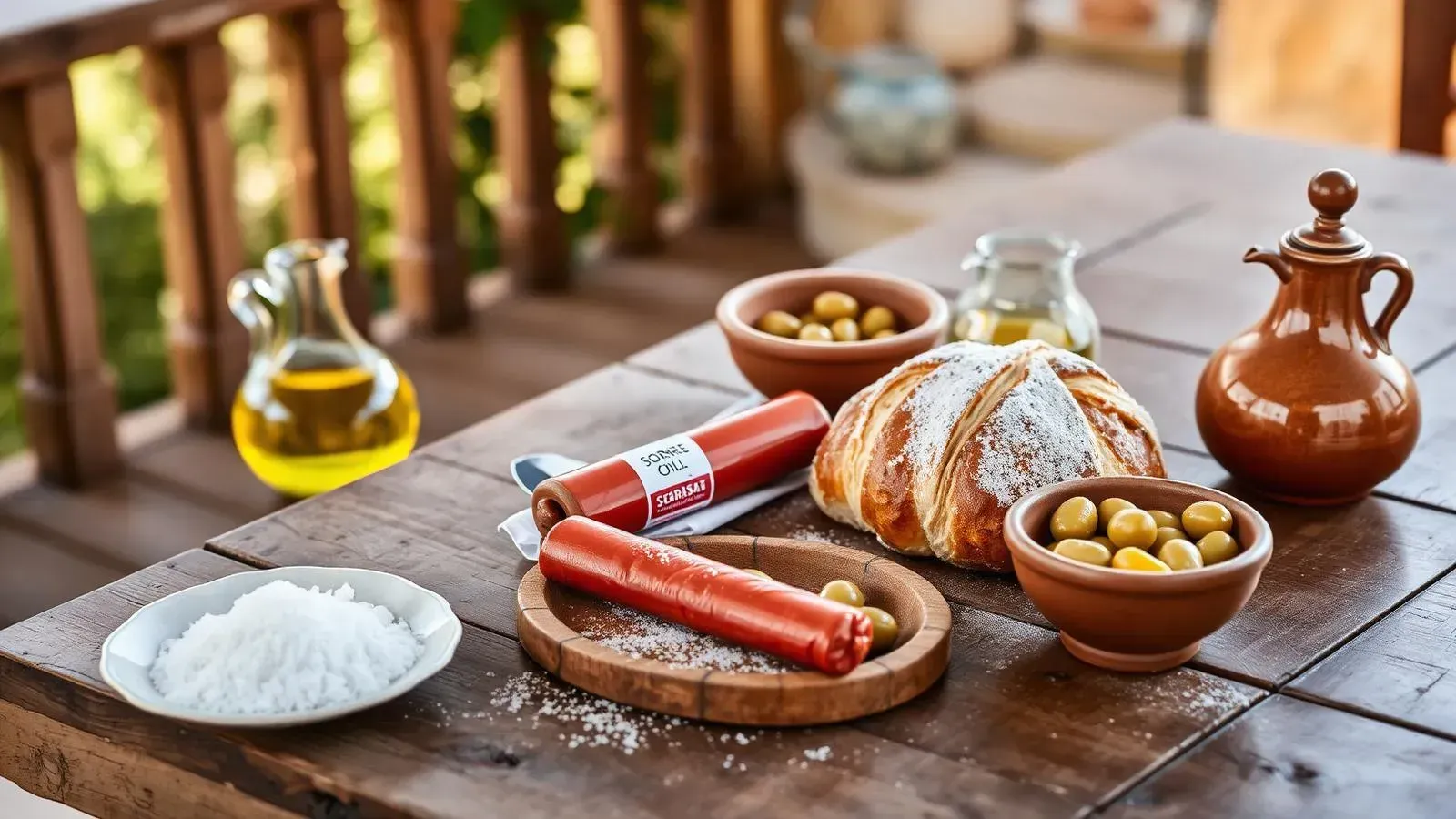
Typical products are Ensaïmada de Mallorca (I.G.P.), Sobrassada de Mallorca (I.G.P.), Oli de Mallorca (D.O.P.), flor de sal from the salt pans in the south, almonds, honey, oranges from Sóller, as well as hierbas, palo and the wines of the D.O. Binissalem and D.O. Pla i Llevant. You will find product knowledge, buying and taking things home here – where to eat the classics is covered in the Food & Drink section. For the flight home: oil, hierbas, honey and spreadable sobrassada go in your suitcase – ensaïmada, hard cheese, almonds and flor de sal are allowed in your hand luggage.
Protected origin: how to recognise the original
Some of the island's products carry an EU origin label. It appears on the label and means that origin and production are monitored.
| Product | Protection | What it means |
|---|---|---|
| Ensaïmada de Mallorca | PGI (I.G.P.) | Made in Mallorca to a set recipe |
| Sobrassada de Mallorca | PGI (I.G.P.) | cured raw sausage made in Mallorca using a set method |
| Oli de Mallorca | PDO (D.O.P.) | olive oil from olives grown and pressed in Mallorca |
| Oliva de Mallorca | PDO (D.O.P.) | table olives from the island |
| Herbes de Mallorca | geographical indication for spirit drinks | herbal liqueur made in Mallorca |
| Palo de Mallorca | geographical indication for spirit drinks | bitter liqueur made in Mallorca |
| Wines of the D.O. Binissalem and D.O. Pla i Llevant | PDO (D.O.) | wines from the respective wine-growing areas |
There is no protected origin for flor de sal, almonds or honey – here it helps to buy directly from the producer or at the market. And: Mahón cheese comes from Menorca, not Mallorca.
Good to know
Price ranges, opening times and airline rules change. We only state verifiable features and rough orders of magnitude – check the details with the supplier or your airline before you buy or fly.
Main courses
Hearty dishes
Tumbet, frit mallorquí, arròs brut, sopes, escaldums and trempó – the hot food of the celler and the farmhouse.
-
Tumbet
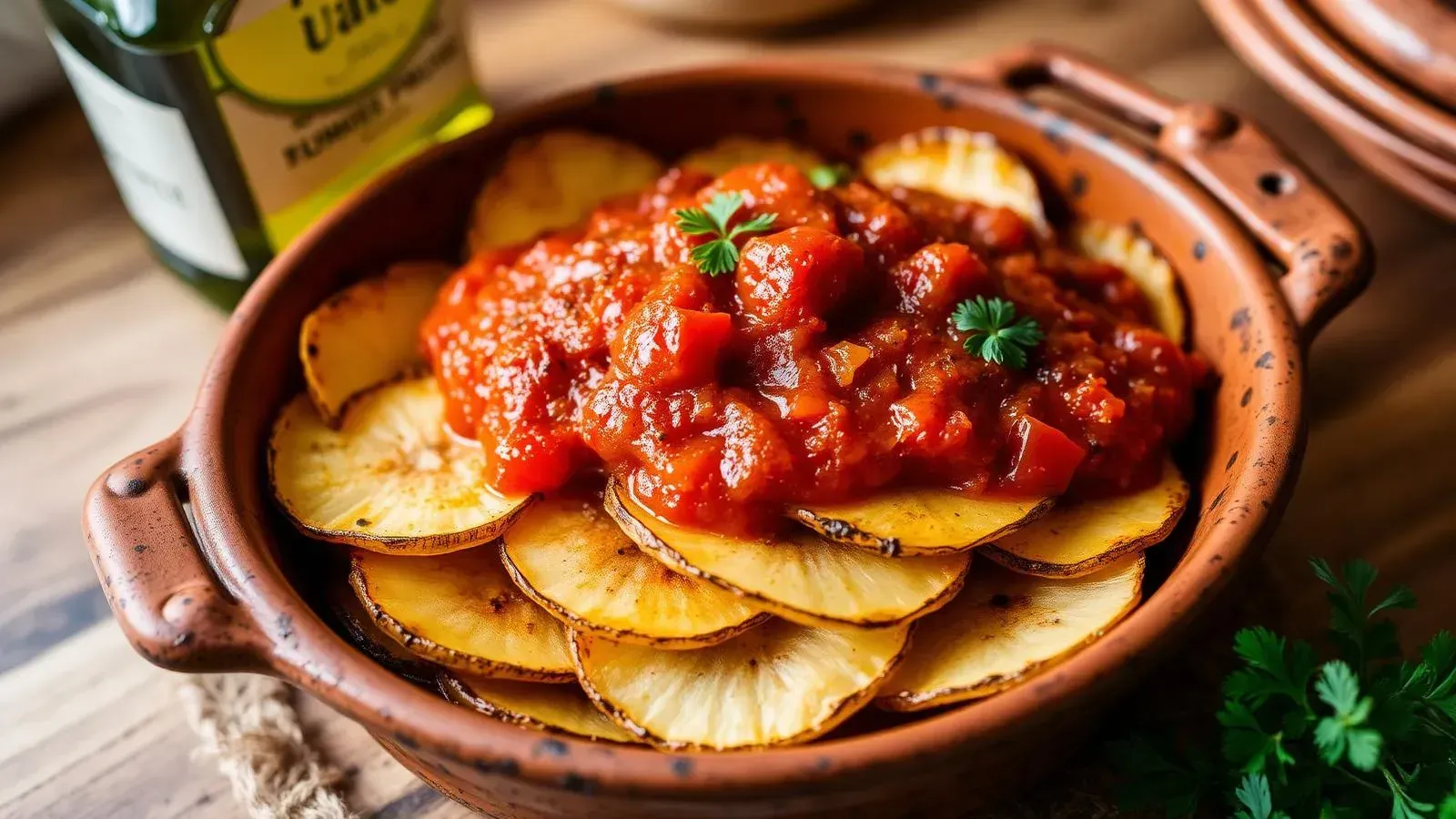
Three layers of fried vegetables with a fruity tomato sauce on top – tumbet proves that Mallorcan cuisine works without meat too.
-
Frit Mallorquí
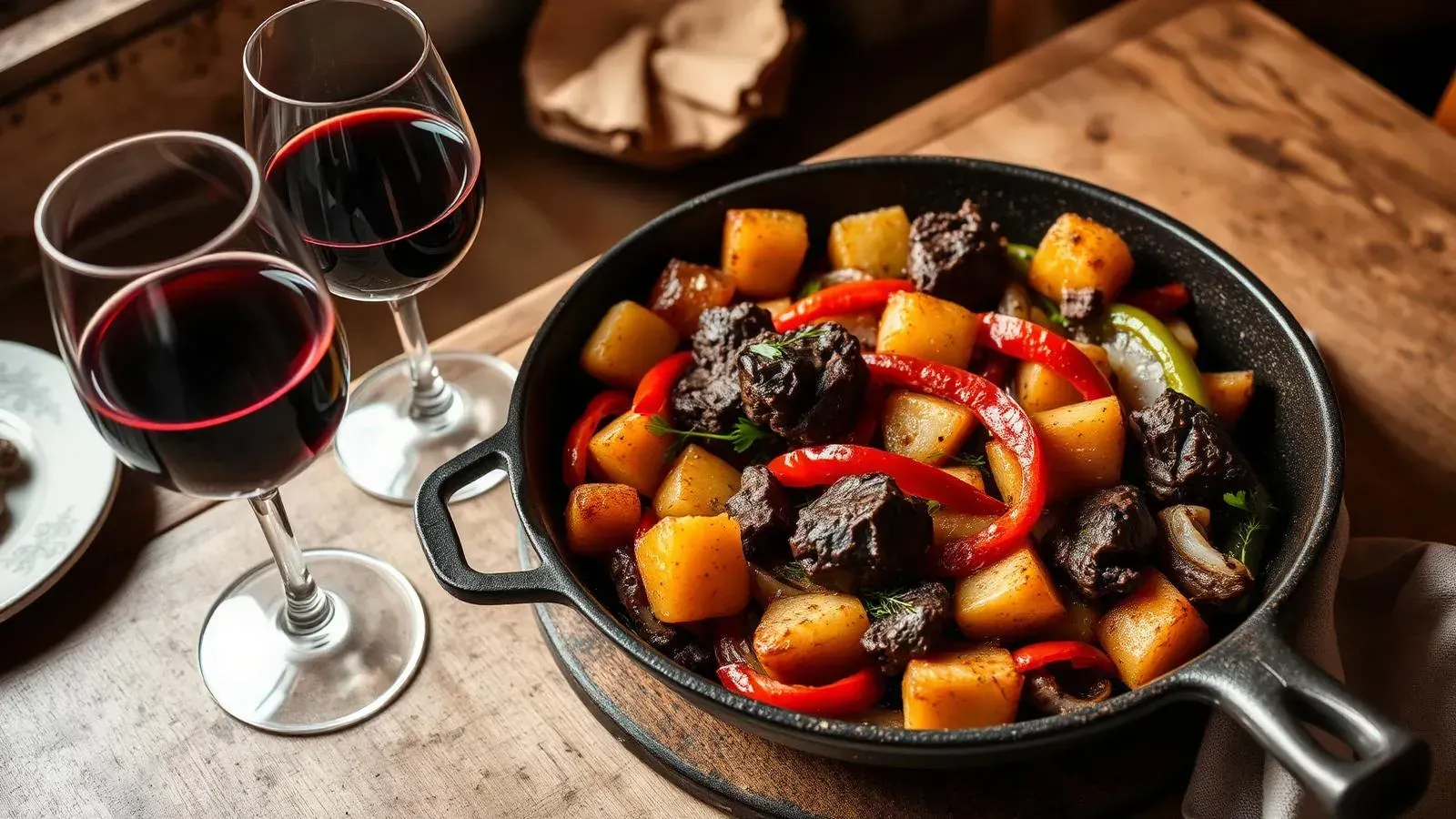
Frit mallorquí uses up what is left over from the day of the pig slaughter – offal, potatoes and plenty of fennel in a hot pan.
-
Arròs Brut
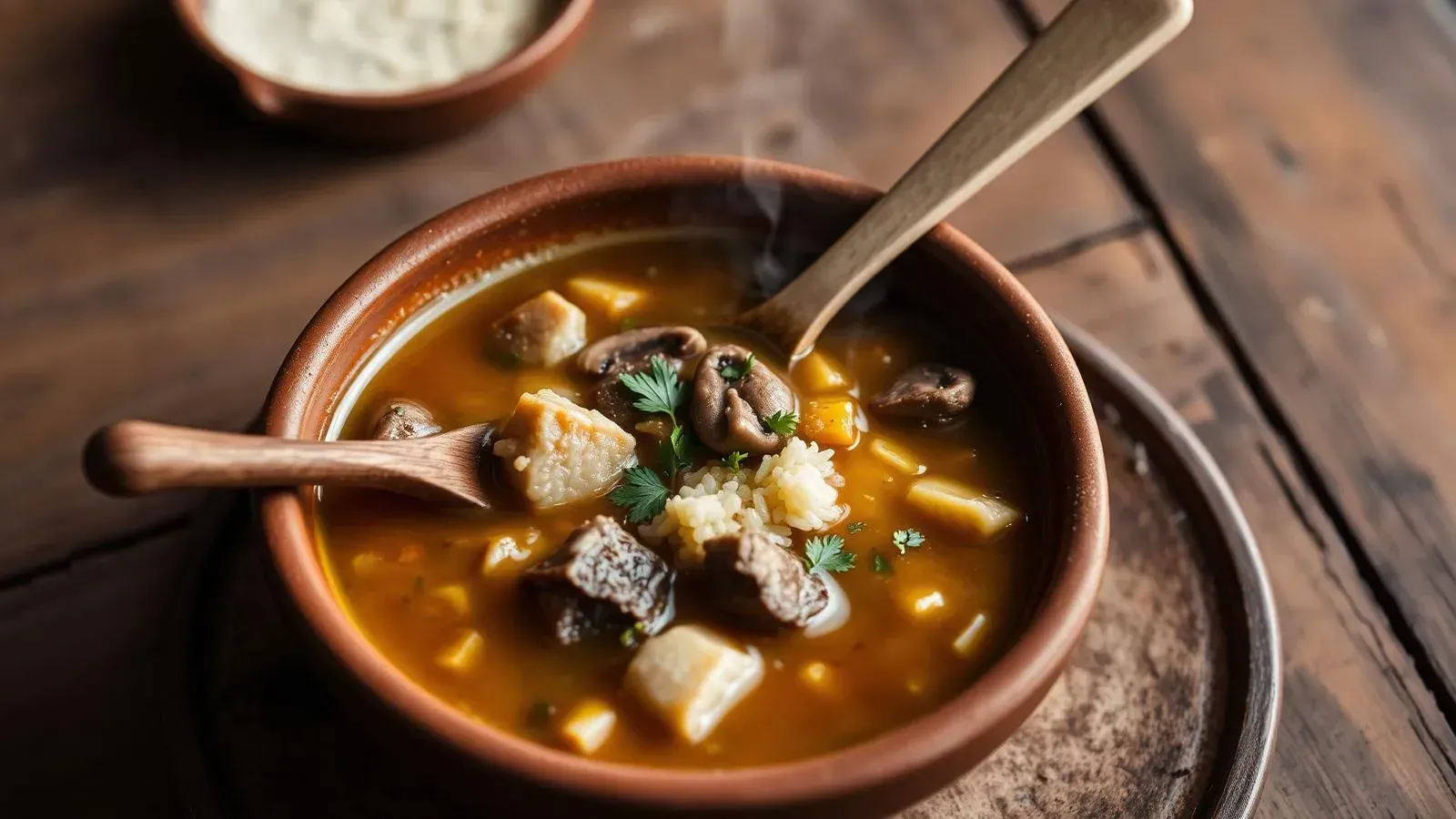
The name (“dirty rice”) does not sound very inviting, but the dish is all the more so: arròs brut is a creamy, spicy rice stew served on cool days in Sa Pobla and Inca.
-
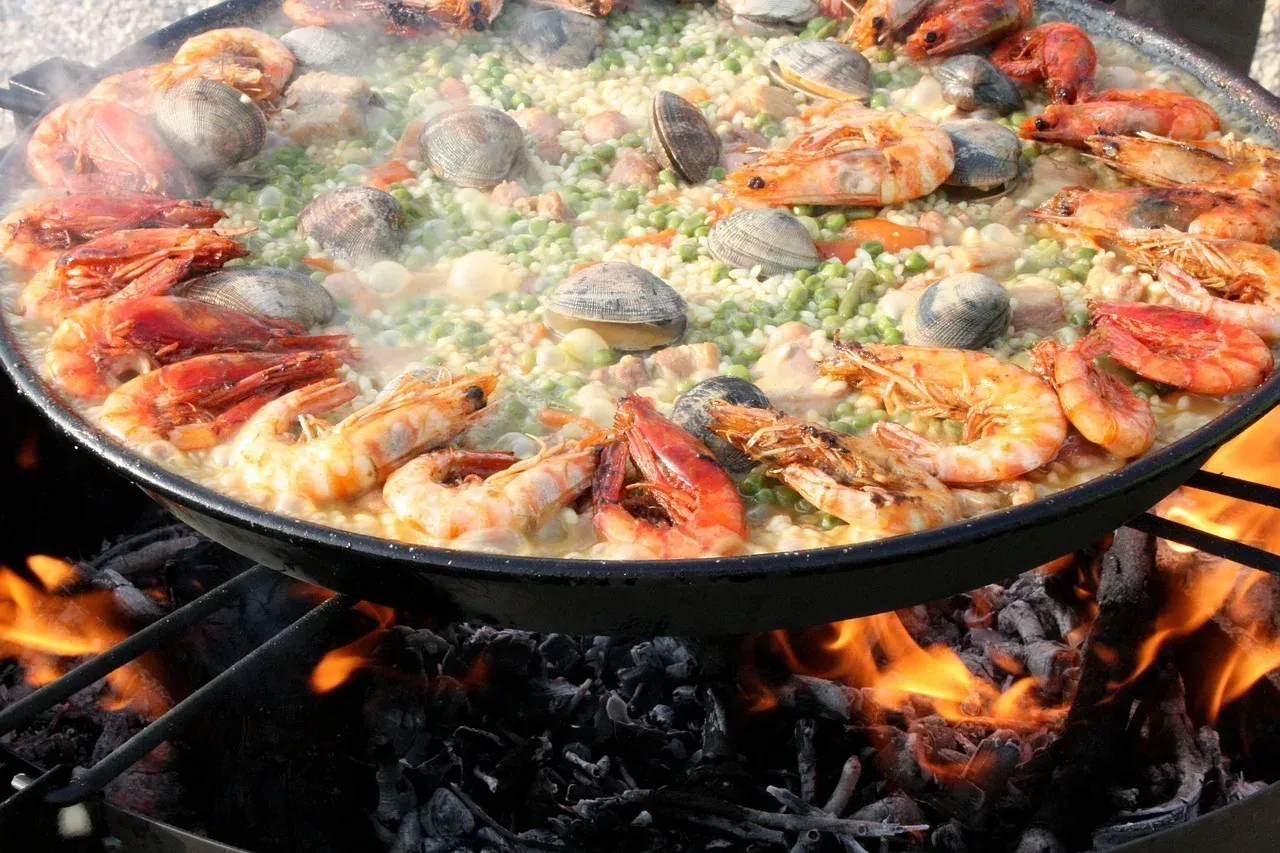
Paella in Mallorca
Paella is not originally a Mallorcan dish, but it has become firmly established with local seafood and its own habits.
-
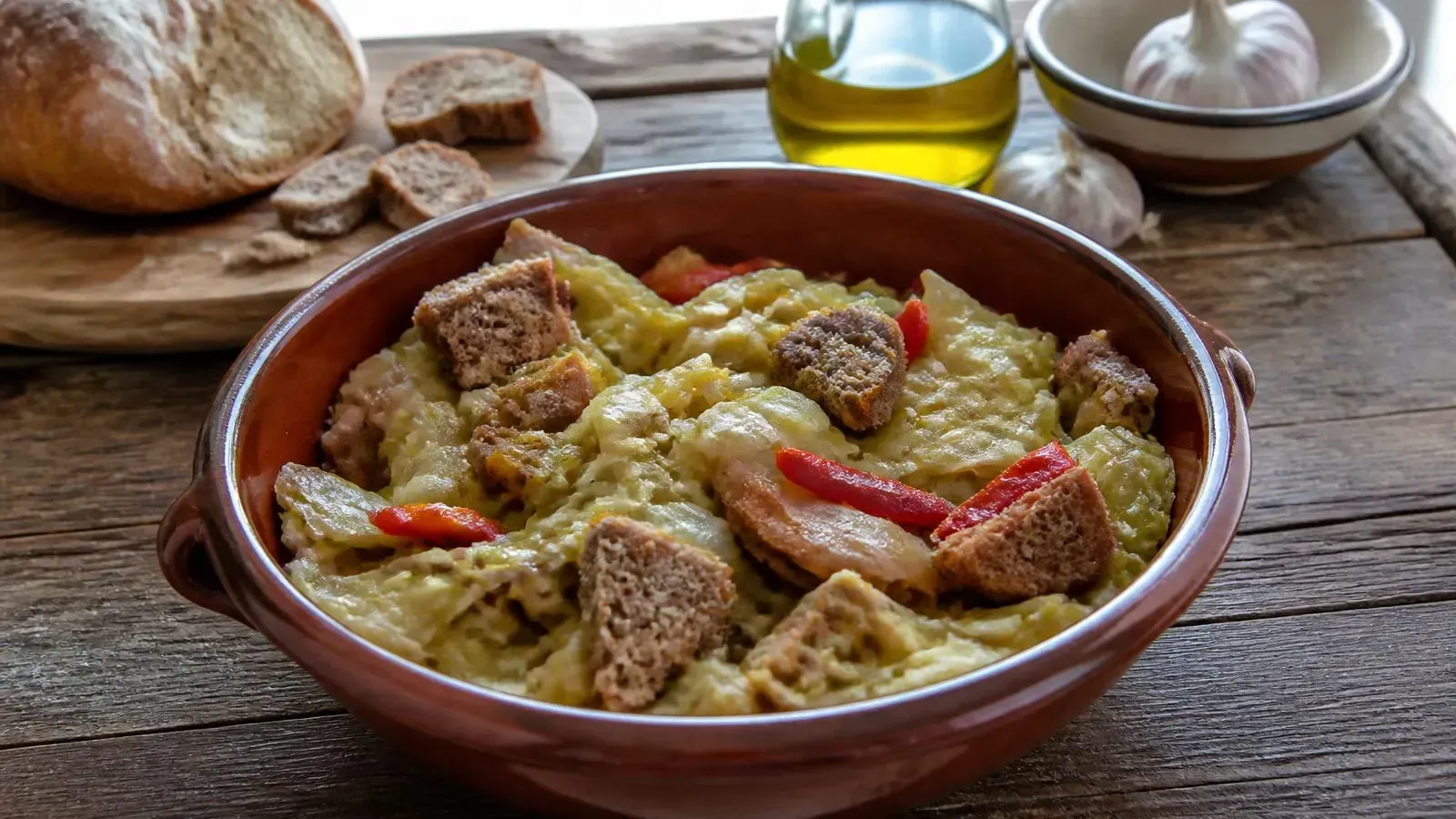
Sopes mallorquines
If you order sopes mallorquines expecting a bowl of soup, you are in for a surprise: what arrives is a compact braised dish in which thinly sliced country bread has soaked up all the liquid.
-
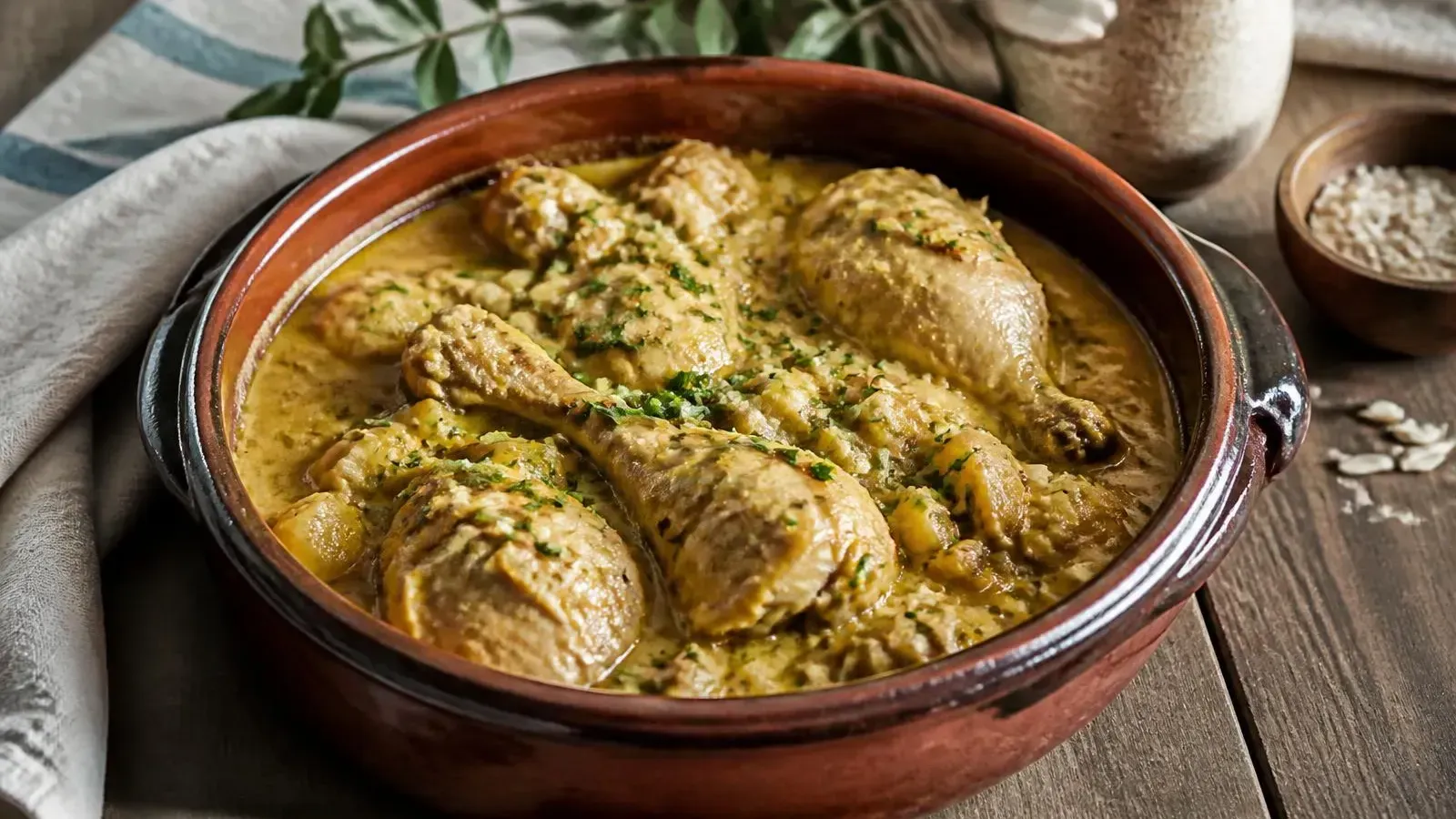
Escaldums
A sauce thickened not with flour but with ground almonds: escaldums show how strongly the almond shapes Mallorcan cuisine – beyond cakes and pastries too.
-
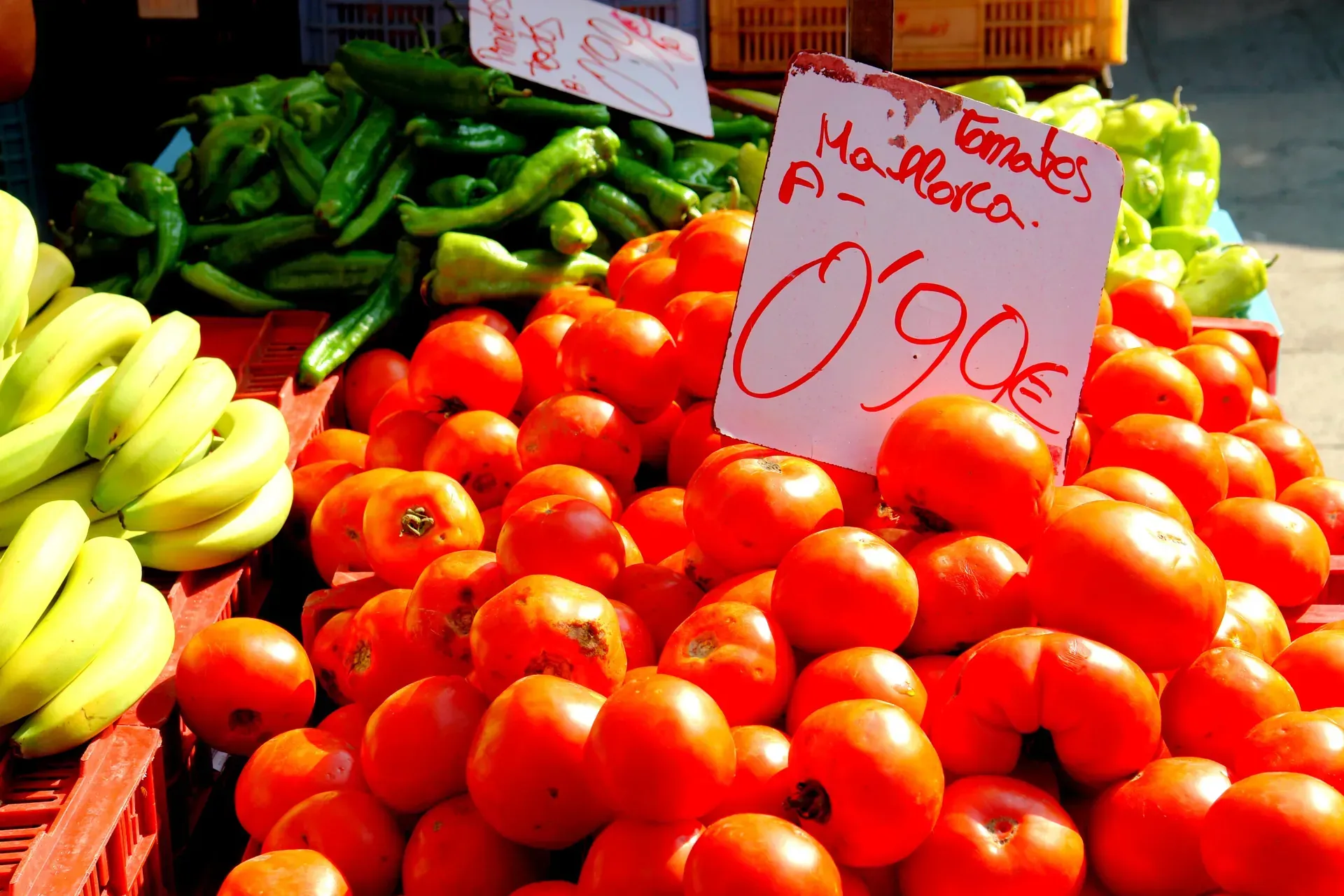
Trempó
Three ingredients, olive oil, salt – done. Trempó relies on tomatoes and peppers being ripe and aromatic in high summer, and on the island it accompanies practically everything from grilled fish to coca.
For in between
Bread, snacks & small dishes
Pa amb oli, coca de trampó and cocarrois – savoury bites somewhere between bakery and bar.
-
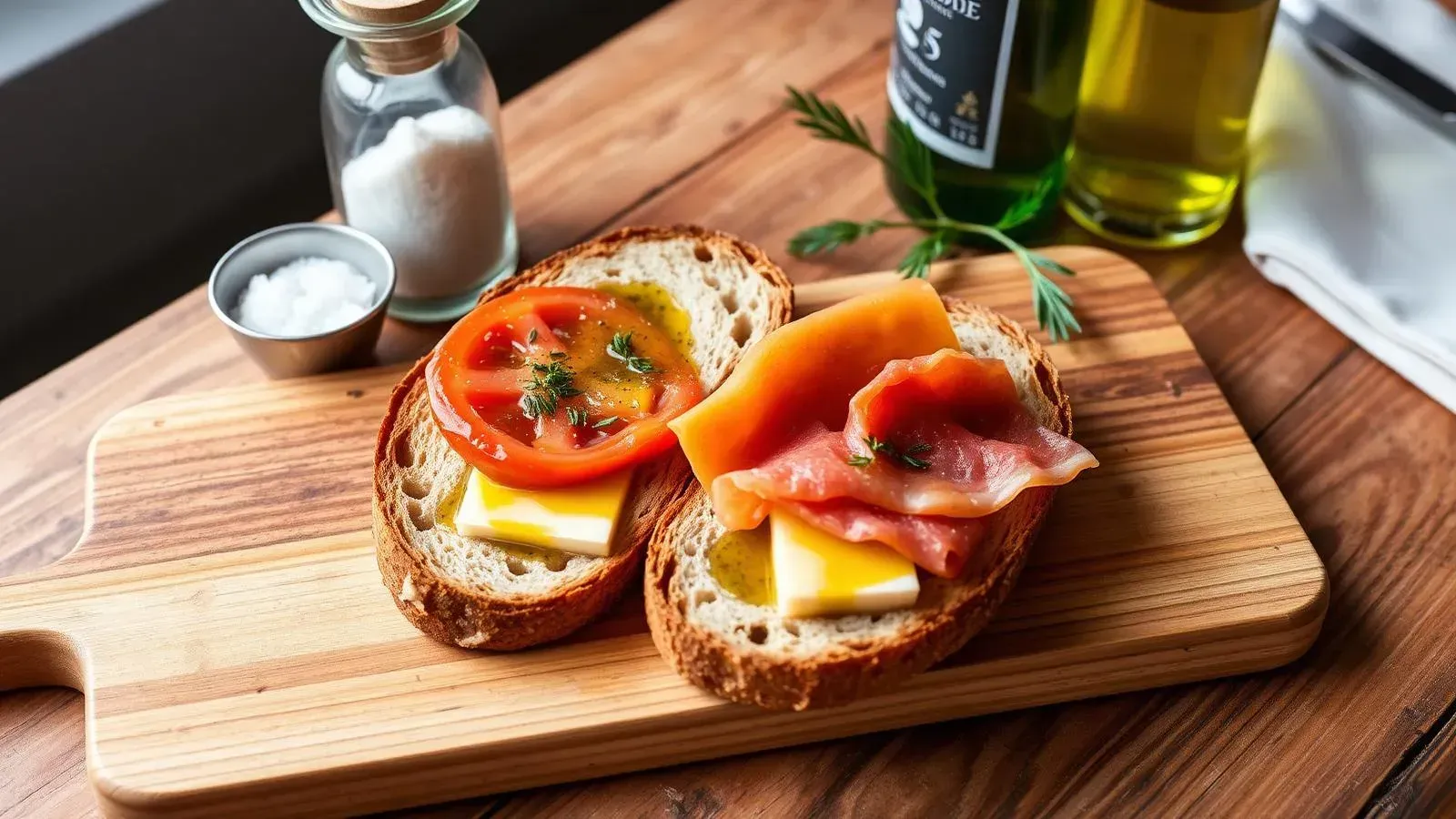
Pa amb Oli
Bread, oil, tomato and a pinch of salt – that is all the Mallorcans need for their snack. But the secret lies in the quality of the local ingredients.
-
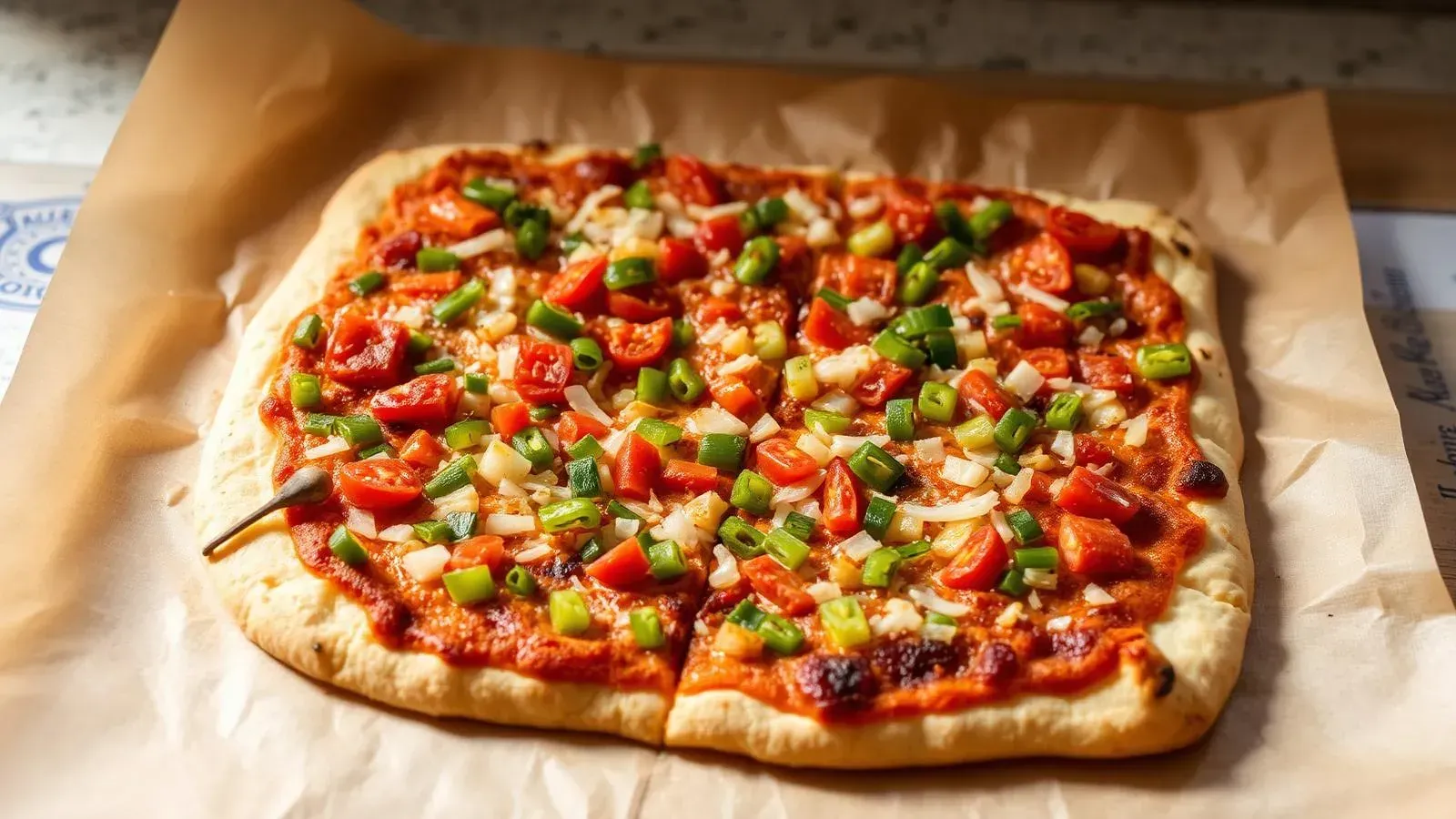
Coca de Trampó
Not a sweet pastry but vegetables on a crispy base: coca de trampó is the snack you will find on the shelf in almost every bakery in Mallorca.
-
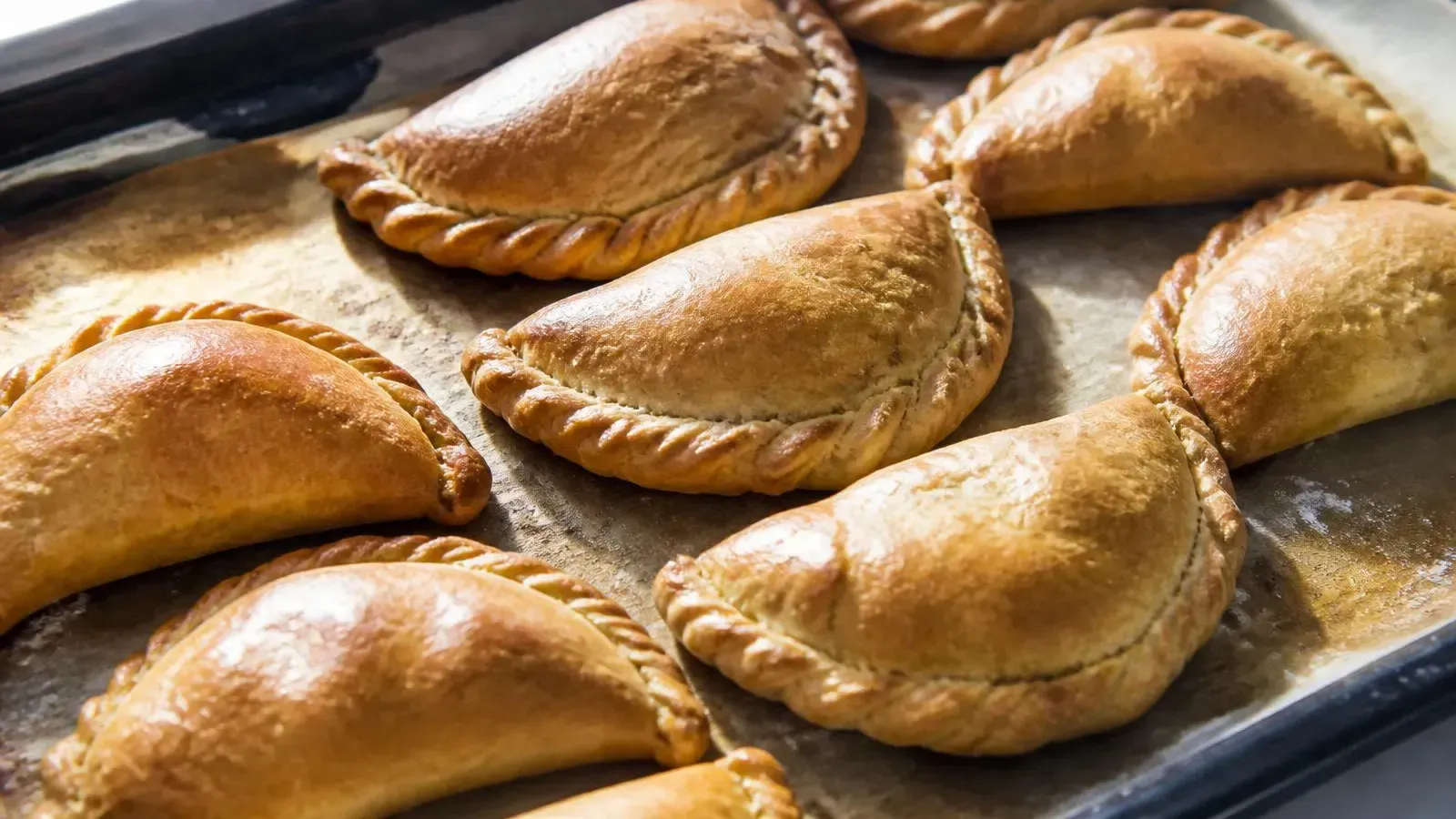
Cocarrois
Half-moon-shaped, golden brown and filled with vegetables: cocarrois sit next to the panades in every village bakery – and are the vegetarian answer to Mallorca’s pasty tradition.
From the butcher
Sausage & meat specialities
Sobrassada, porcella, botifarró and camaiot – what comes out of the traditional matances (pig slaughter).
-
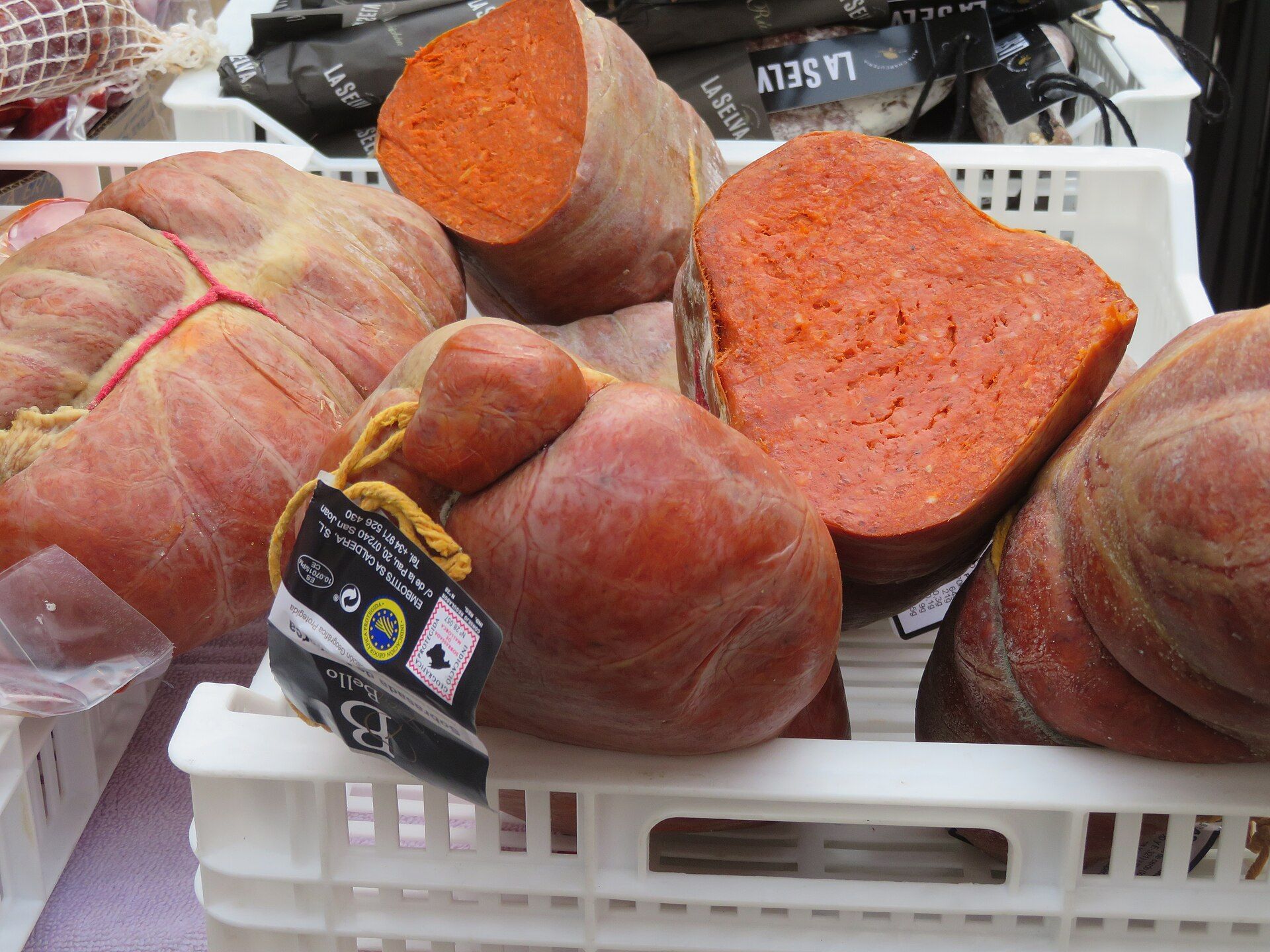
Sobrassada
Bright red, spicy, soft enough to spread and full of Balearic tradition: Sobrassada de Mallorca is a sausage culture with a protected origin. Find out how to recognise quality.
-
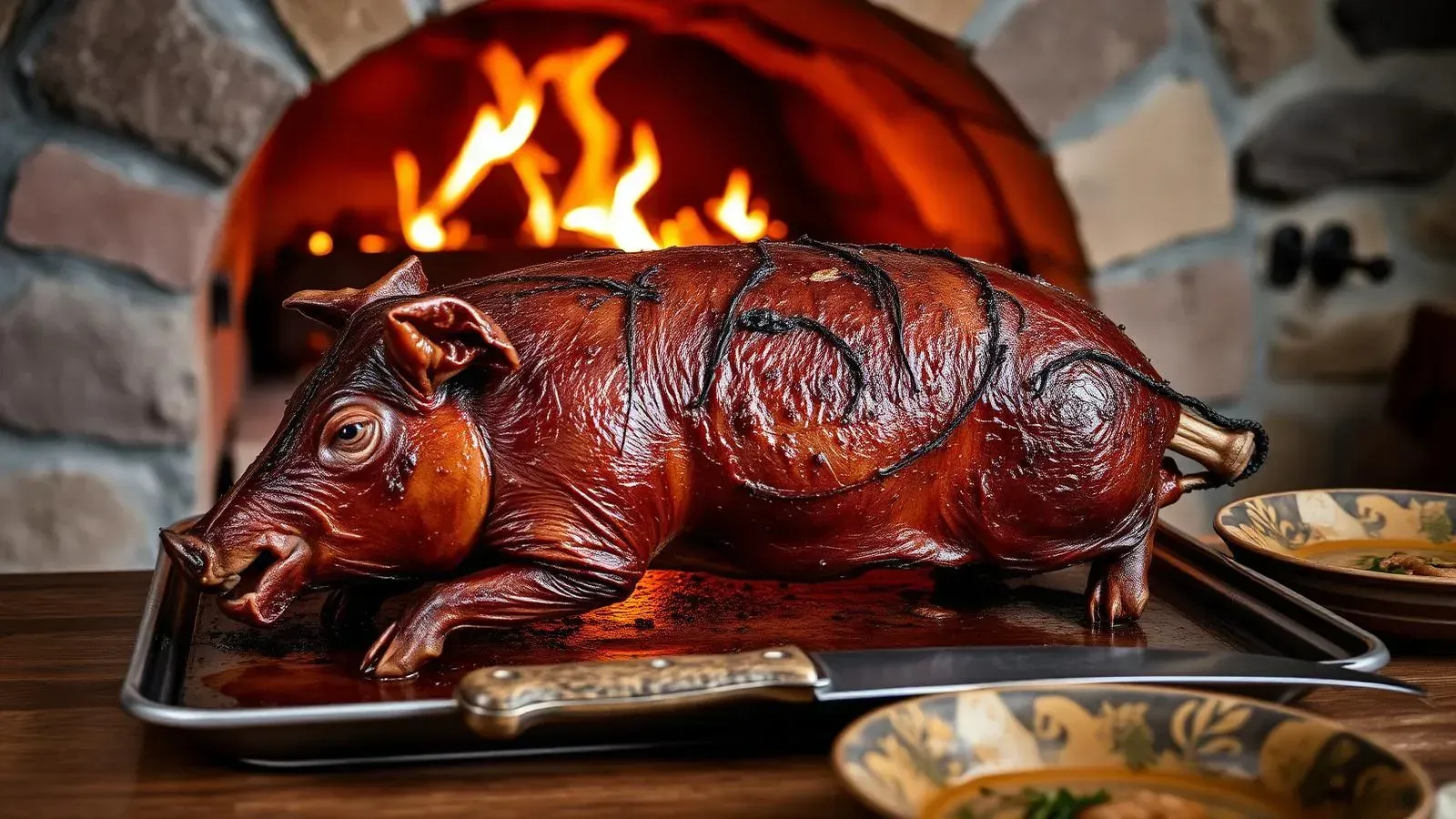
Porcella
Crisp as crisps, butter-soft inside: porcella is Mallorca’s answer to classic suckling pig – traditionally eaten at Christmas, but available all year round in the cellers of the island’s interior.
-
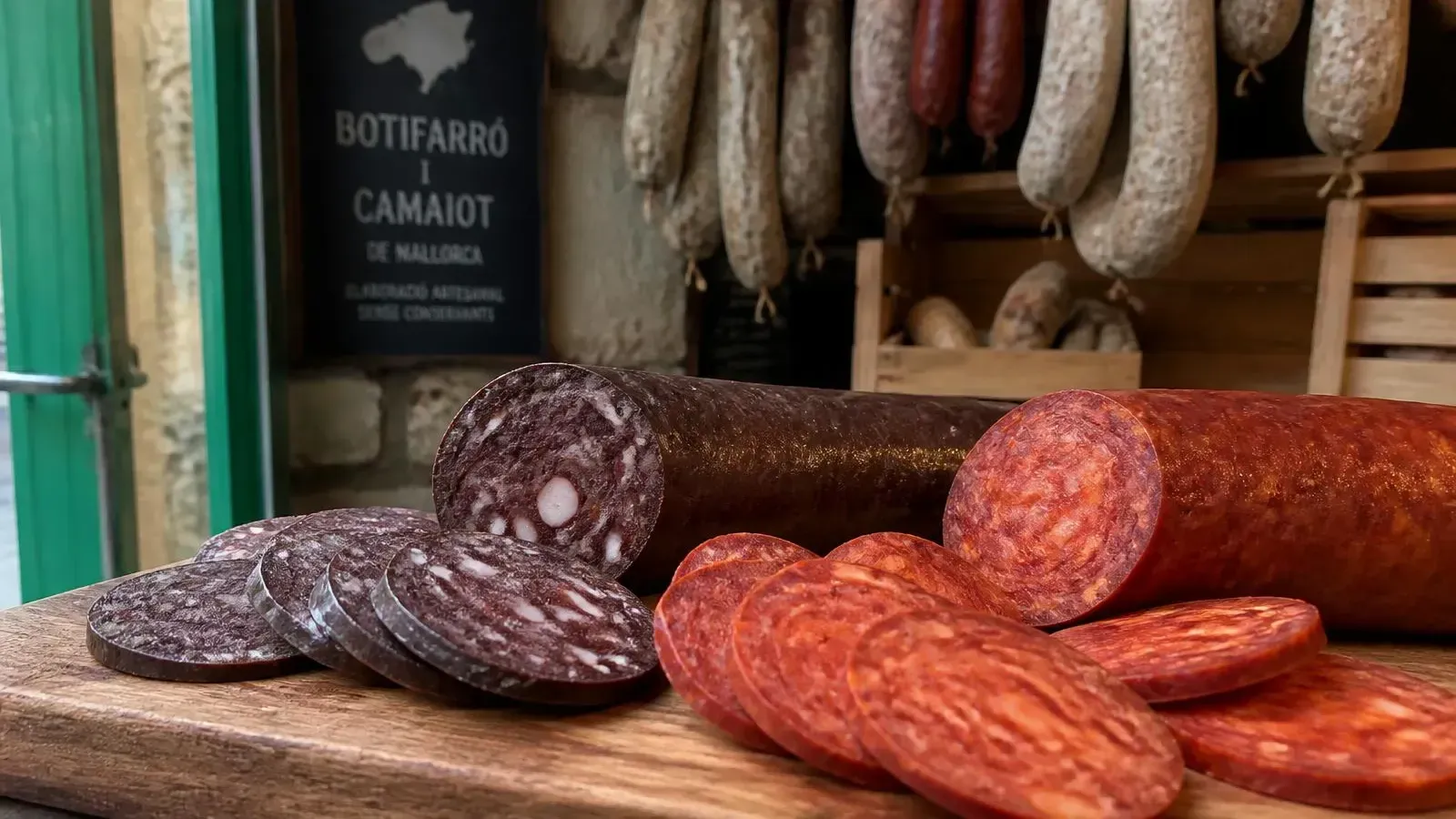
Botifarró & Camaiot
Alongside the famous sobrassada, Mallorcan butchers sell two more sausages that come from the same pig slaughter: botifarró and camaiot.
Sweet treats
Desserts & pastries
Ensaïmada, gató, panades, crespells, coca de patata from Valldemossa and bunyols.
-
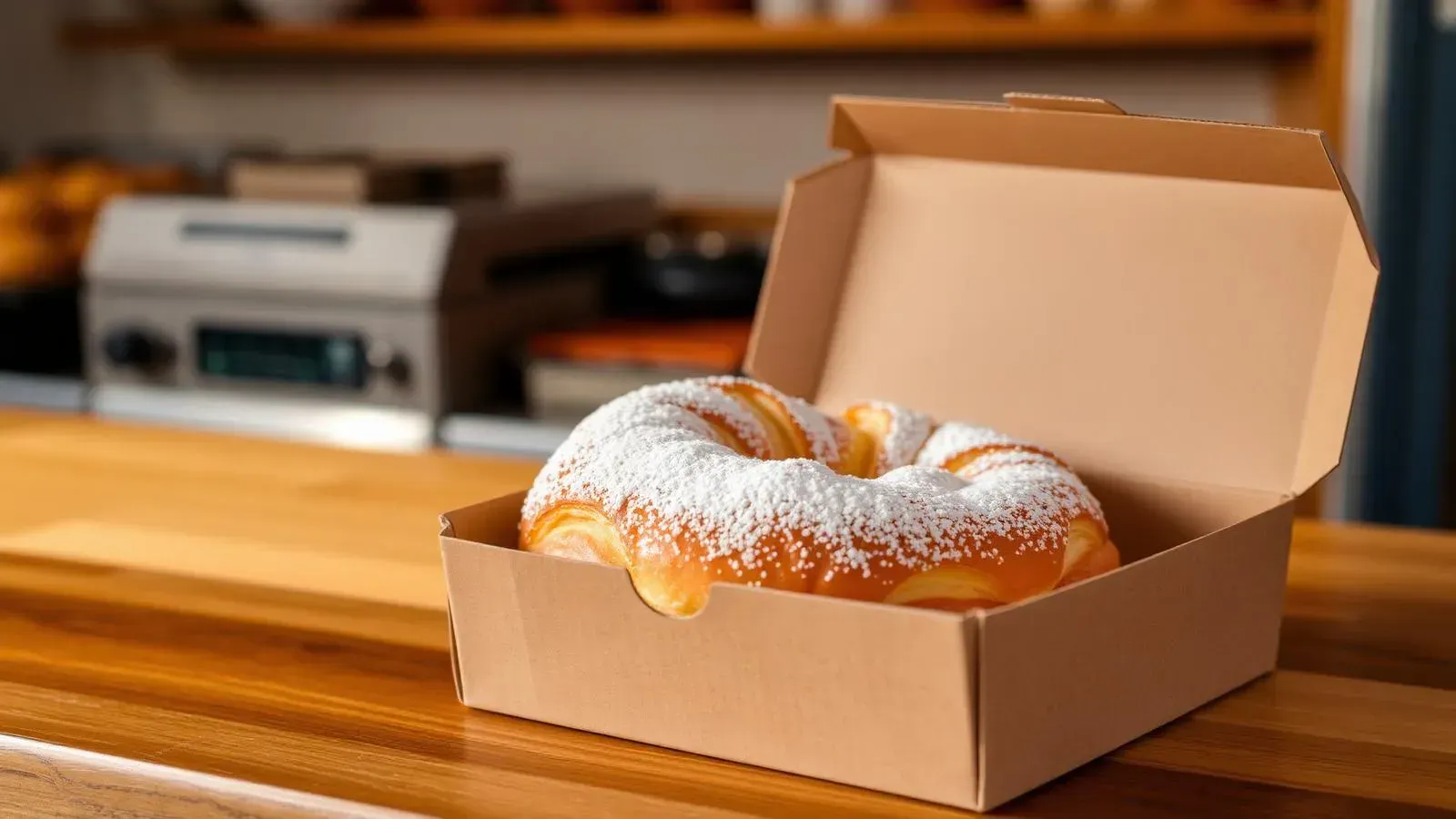
Ensaïmada
The scent of icing sugar and fresh yeast dough: the ensaïmada is a Mallorcan yeast pastry. We reveal where locals buy them and how to get the box safely through security.
-
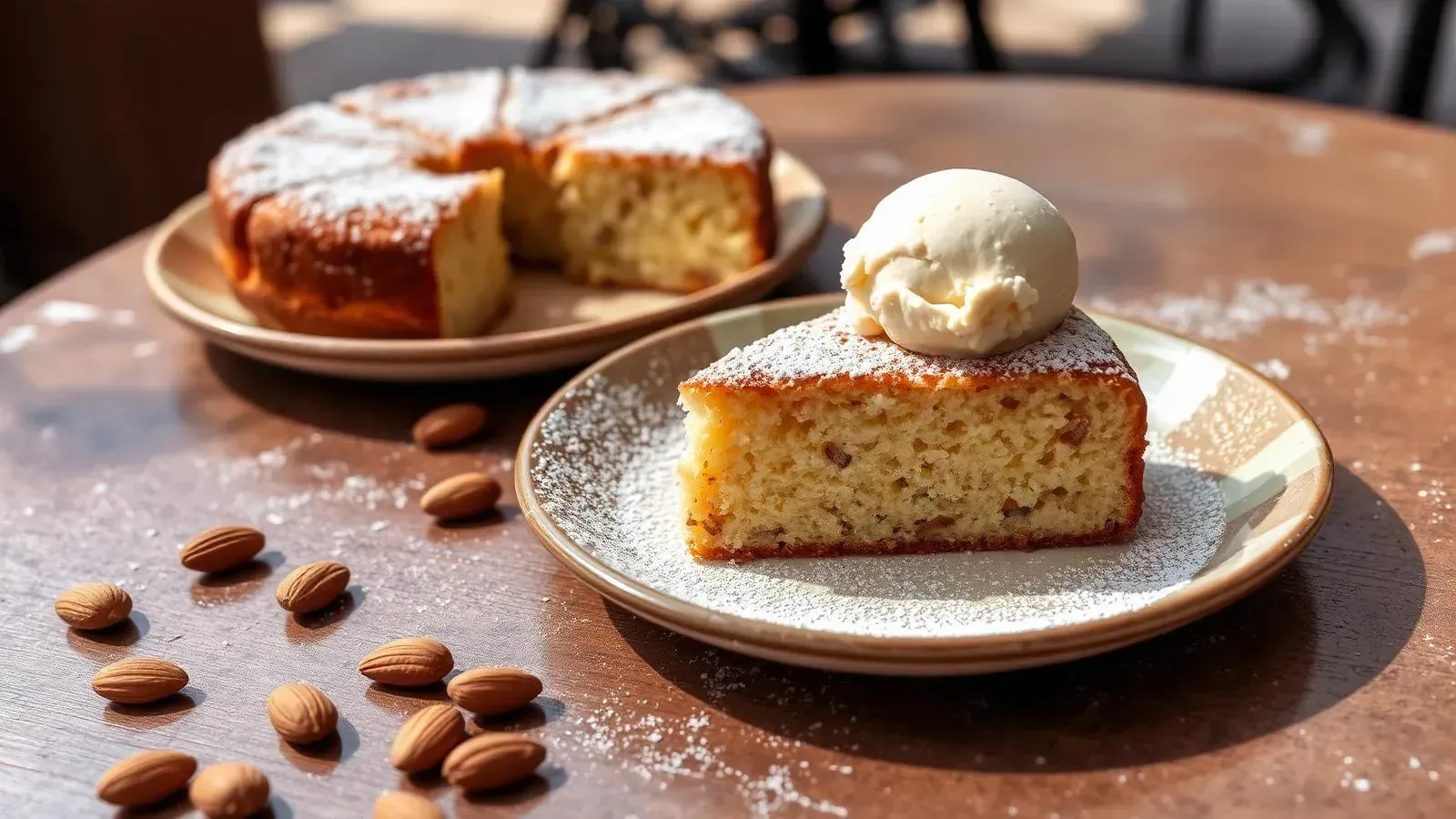
Gató d'Ametlla
No flour, but ground almonds, eggs and a hint of citrus – gató d'ametlla is naturally gluten-free and has been a dessert in Valldemossa for generations.
-
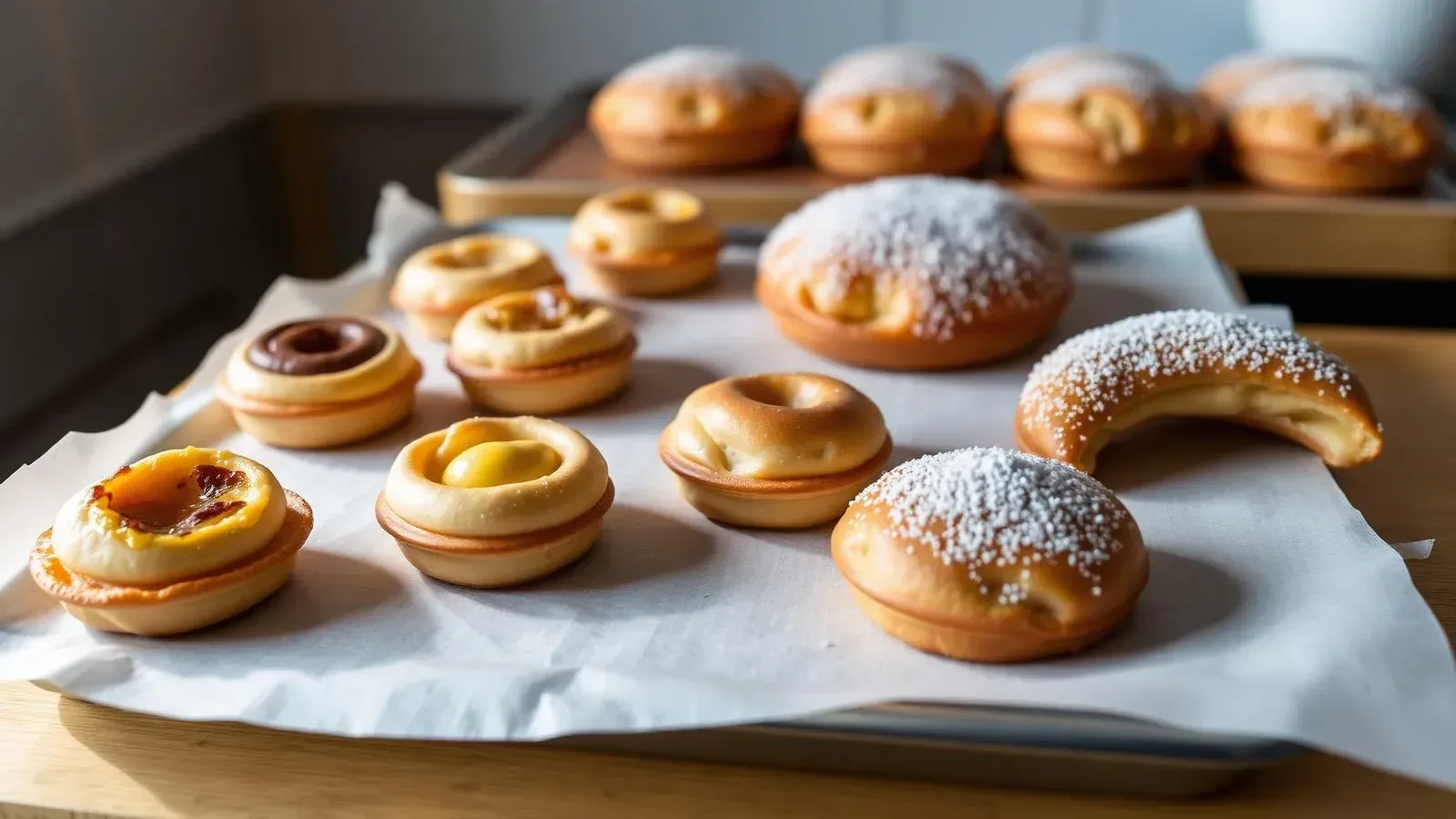
Panades & Rubiols
At Easter, the displays of Mallorcan bakeries fill up with two classics: savoury panades and sweet rubiols – both made from the same shortcrust pastry, but with completely different fillings.
-
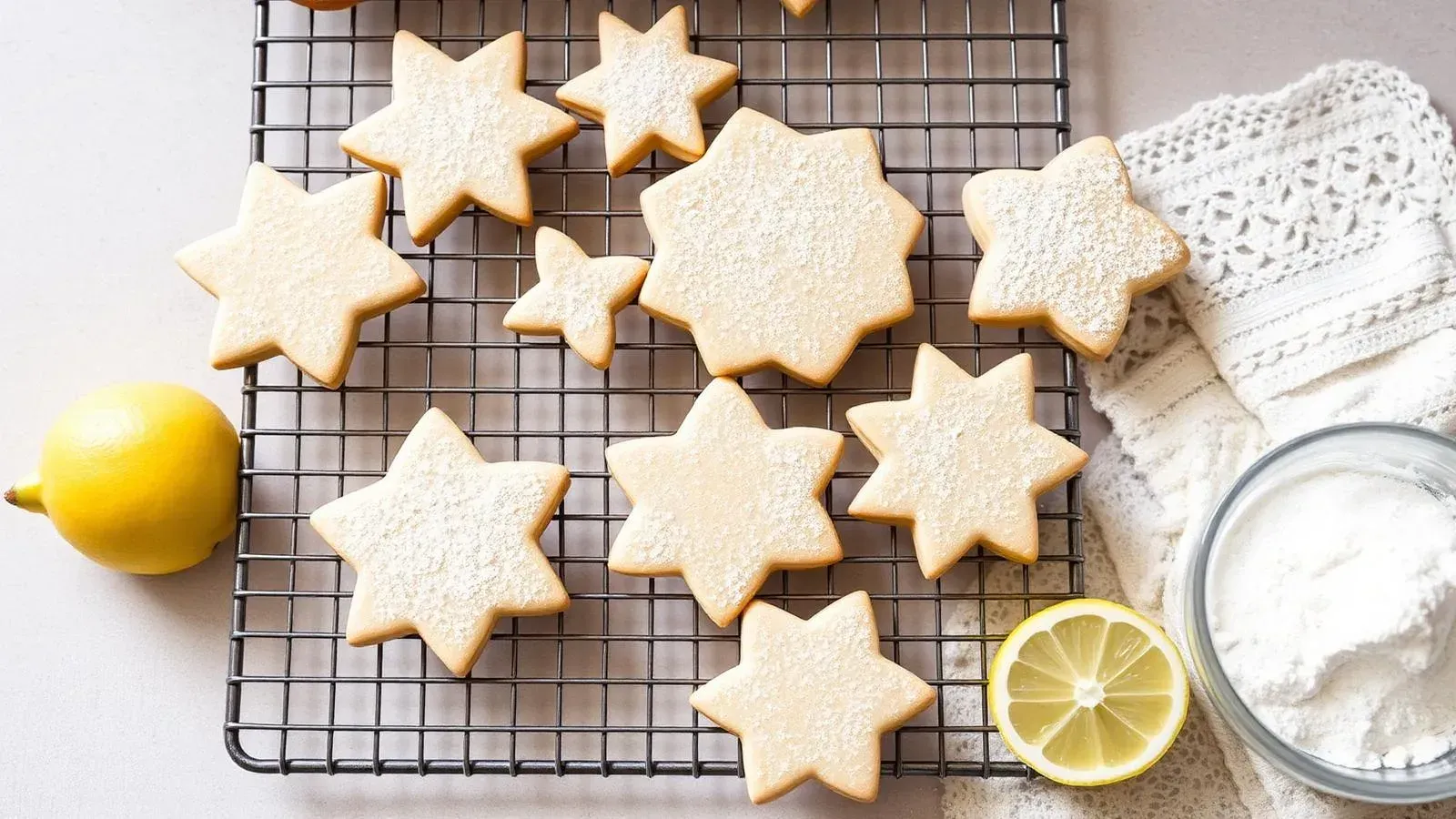
Crespells
Star-shaped, delicate and slightly lemony: crespells are as much a part of Easter in Mallorca as panades – small shortcrust biscuits that look different in every bakery on the island.
-
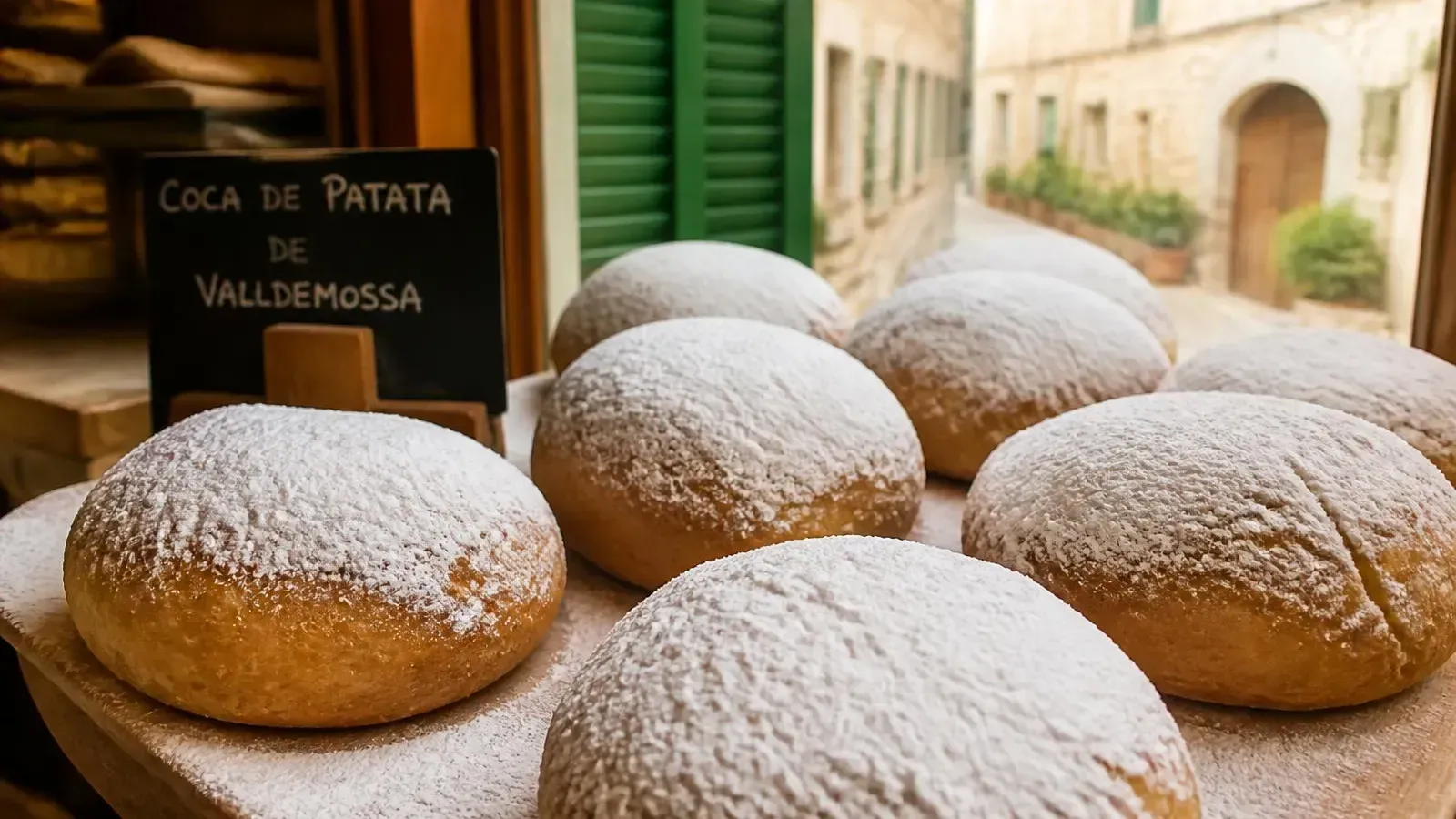
Coca de patata
In Valldemossa, the old town smells of freshly baked coca de patata – a light, airy potato-dough bun under a thick layer of icing sugar.
-
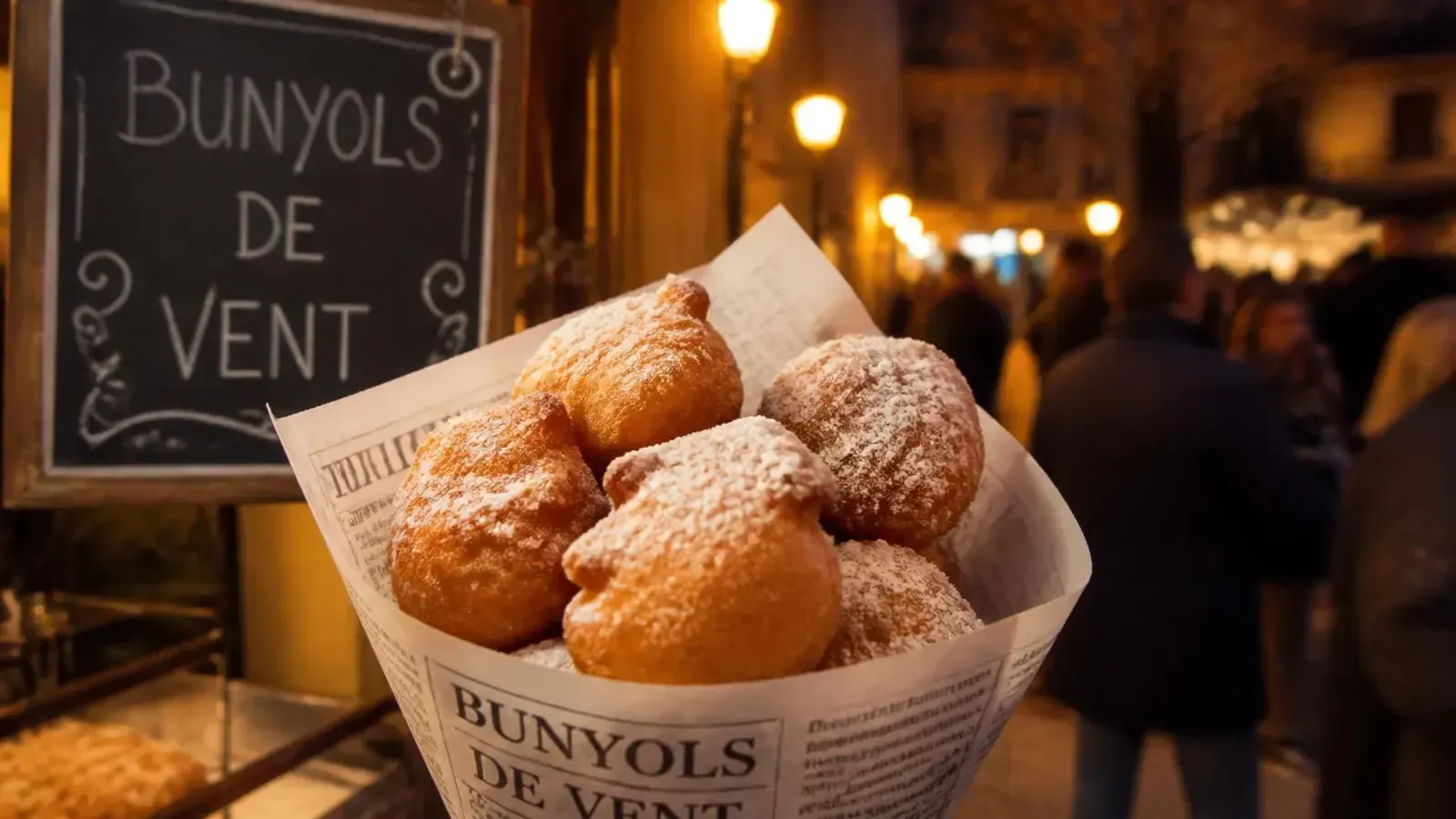
Bunyols de vent
At the end of October, stalls with hot frying oil appear in many towns in Mallorca: it is bunyols season, and the queues in front of them are part of the street scene.
Drinks
Drinks & liqueurs
Hierbas, palo, Gin de Mallorca and the wines of the D.O. Binissalem and Pla i Llevant – plus visits on site.
-
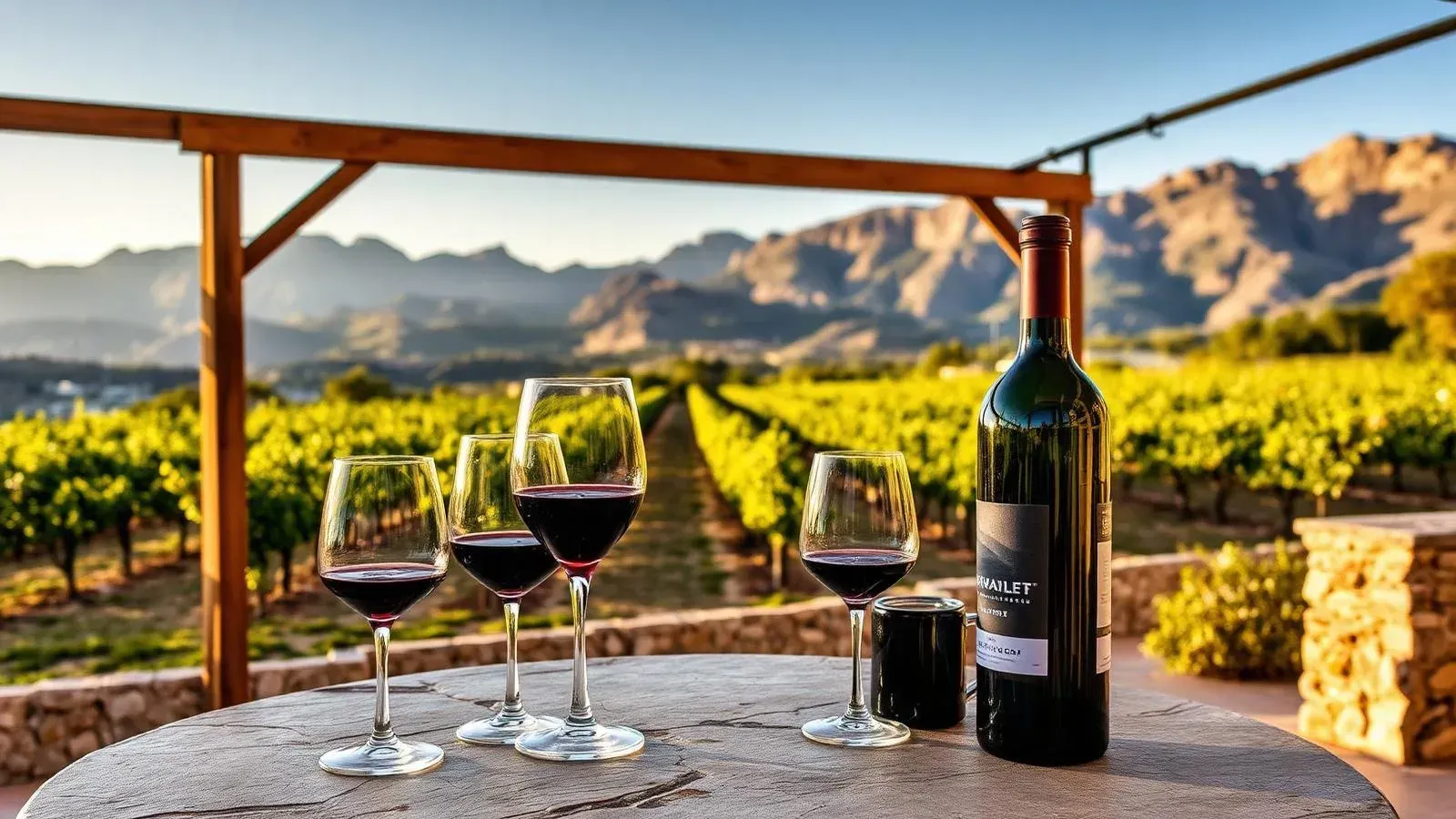
Visit a winery
Indigenous grape varieties such as Manto Negro or Callet, picturesque vineyards in the Tramuntana foothills and modern boutique bodegas: this is what shapes Mallorca’s wine world.
-
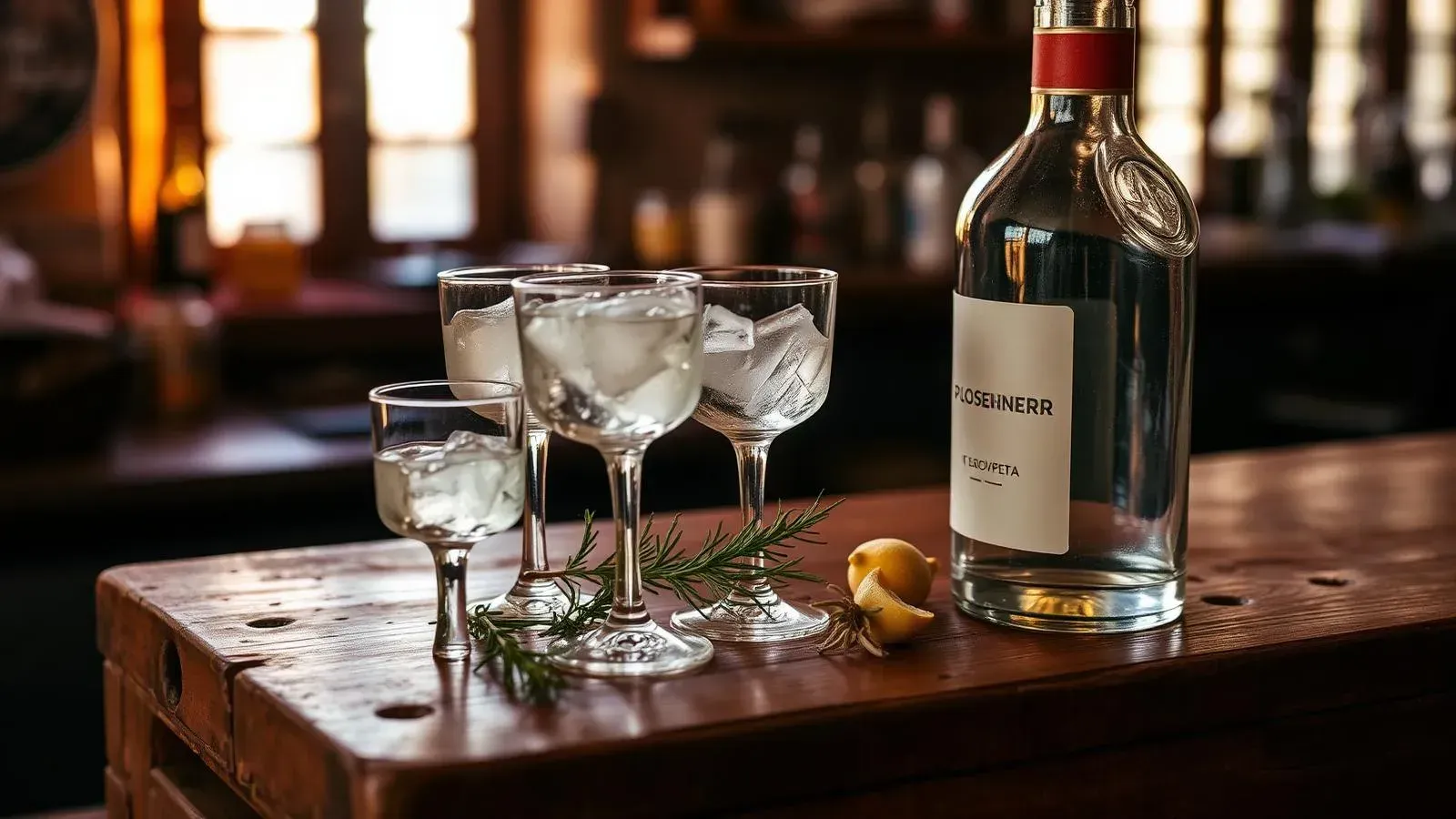
Hierbas
A meal in Mallorca traditionally ends with a glass of ice-cold hierbas. The aniseed herbal liqueur with a protected geographical indication captures the aromas of the island.
-
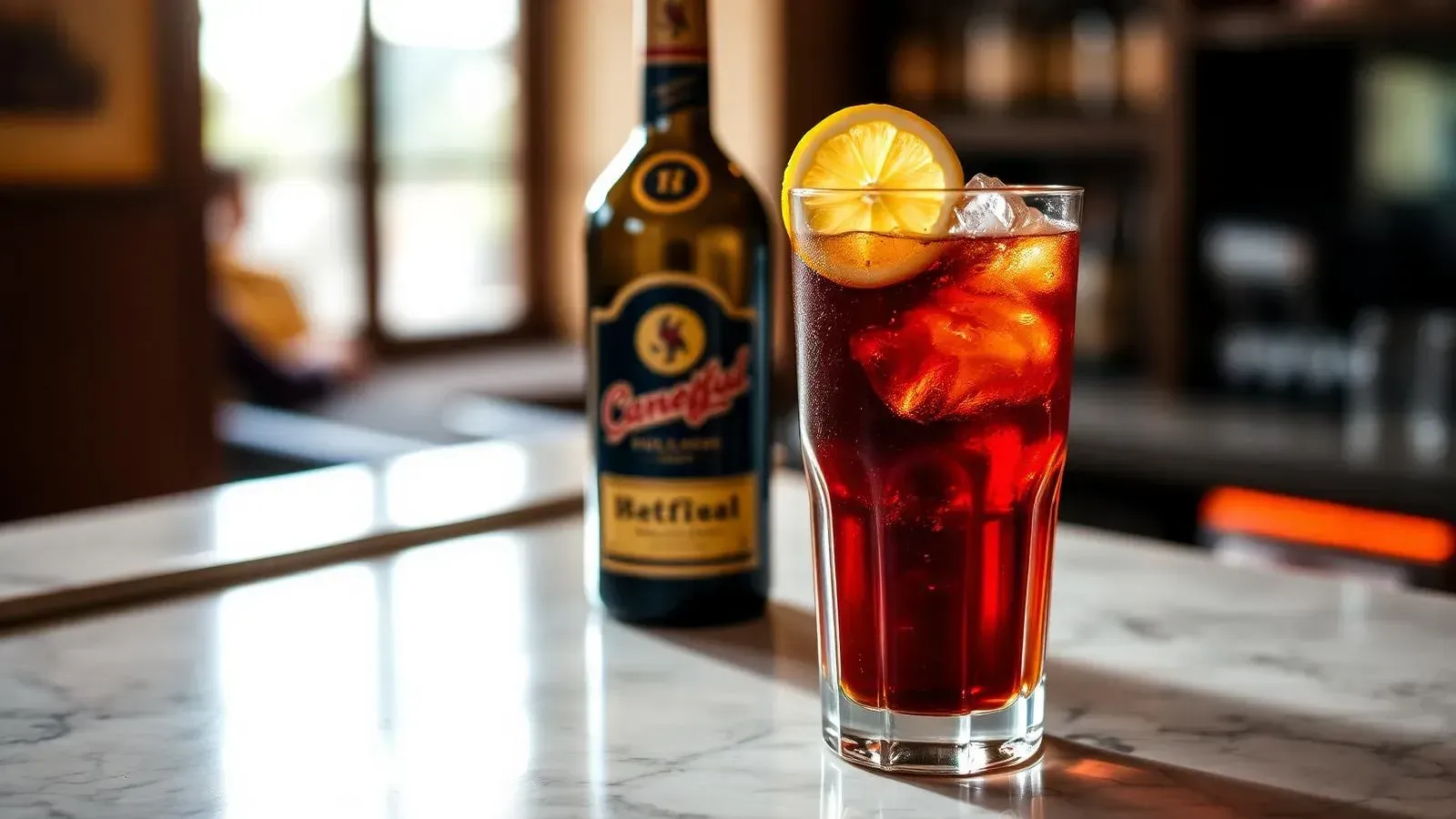
Palo de Mallorca
Dark, bittersweet and with a hint of caramel: Palo de Mallorca is the aperitif you can order at any bar on the island – and it is hardly known outside Mallorca.
-
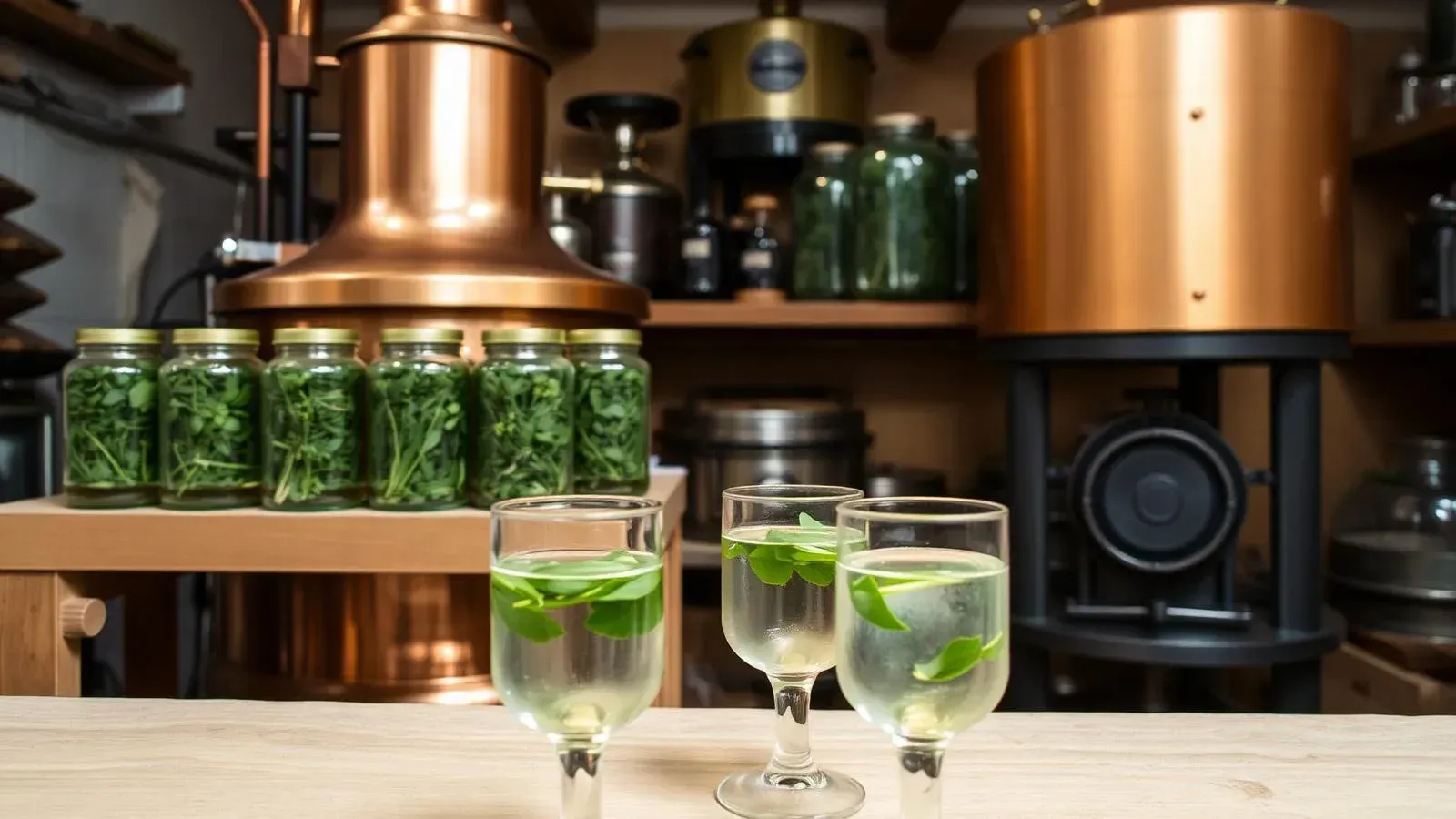
Visit a hierbas distillery
Aniseed, fennel, rosemary and camomile meet clear spirit in copper stills – when you visit a hierbas distillery, you can practically smell the island.
-
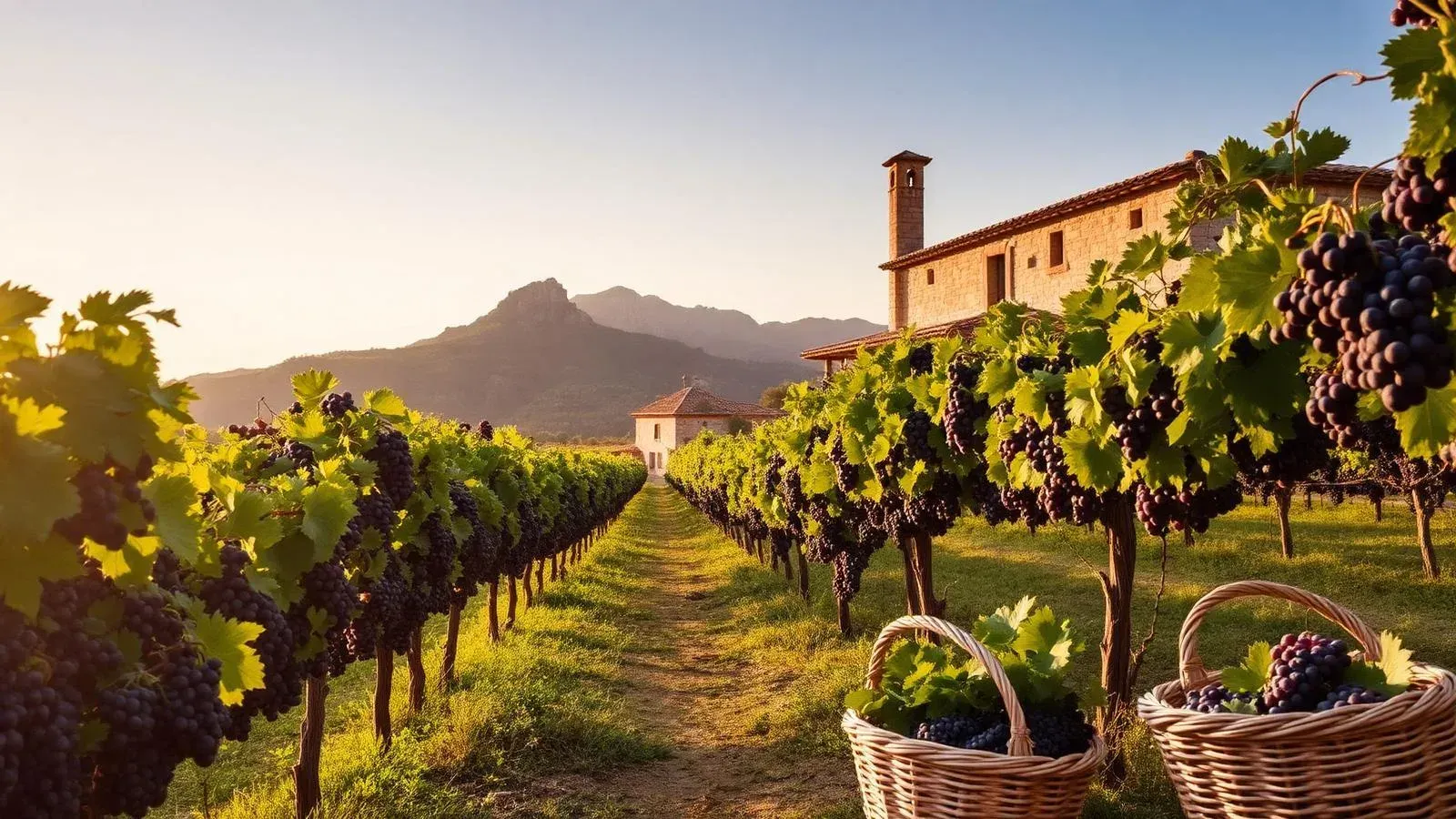
D.O. Binissalem & Pla i Llevant
Two protected designations of origin, two different landscapes: Binissalem in the centre of the island and Pla i Llevant in the east shape Mallorca’s winegrowing.
-
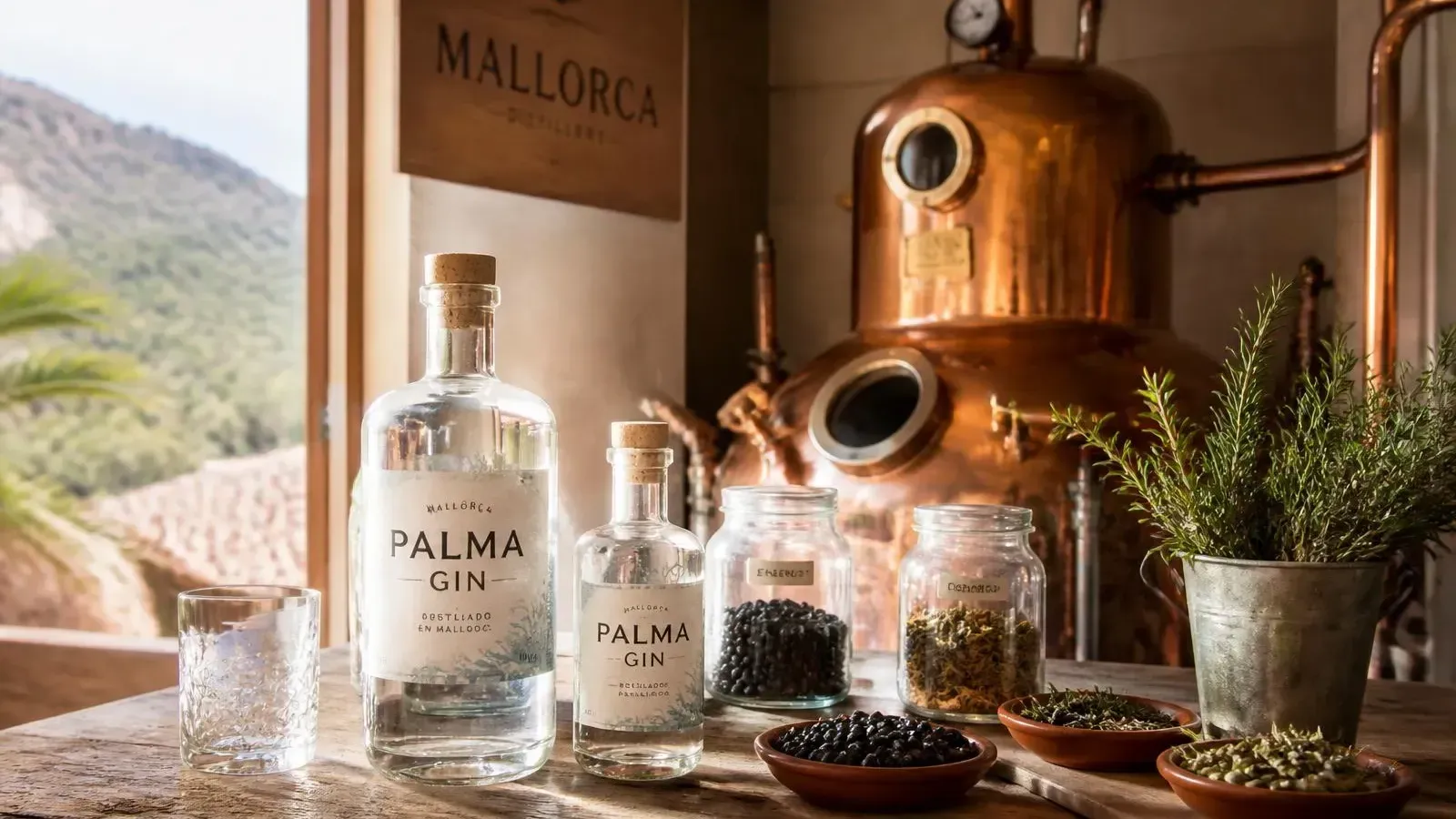
Gin de Mallorca
Juniper, citrus and island herbs: alongside the traditional liqueurs hierbas and palo, Mallorca has developed its own gin scene in recent years.
From the market
Regional products
Olive oil, D.O.P. table olives, flor de sal, capers from Felanitx, cheese, oranges, almonds and honey.
-
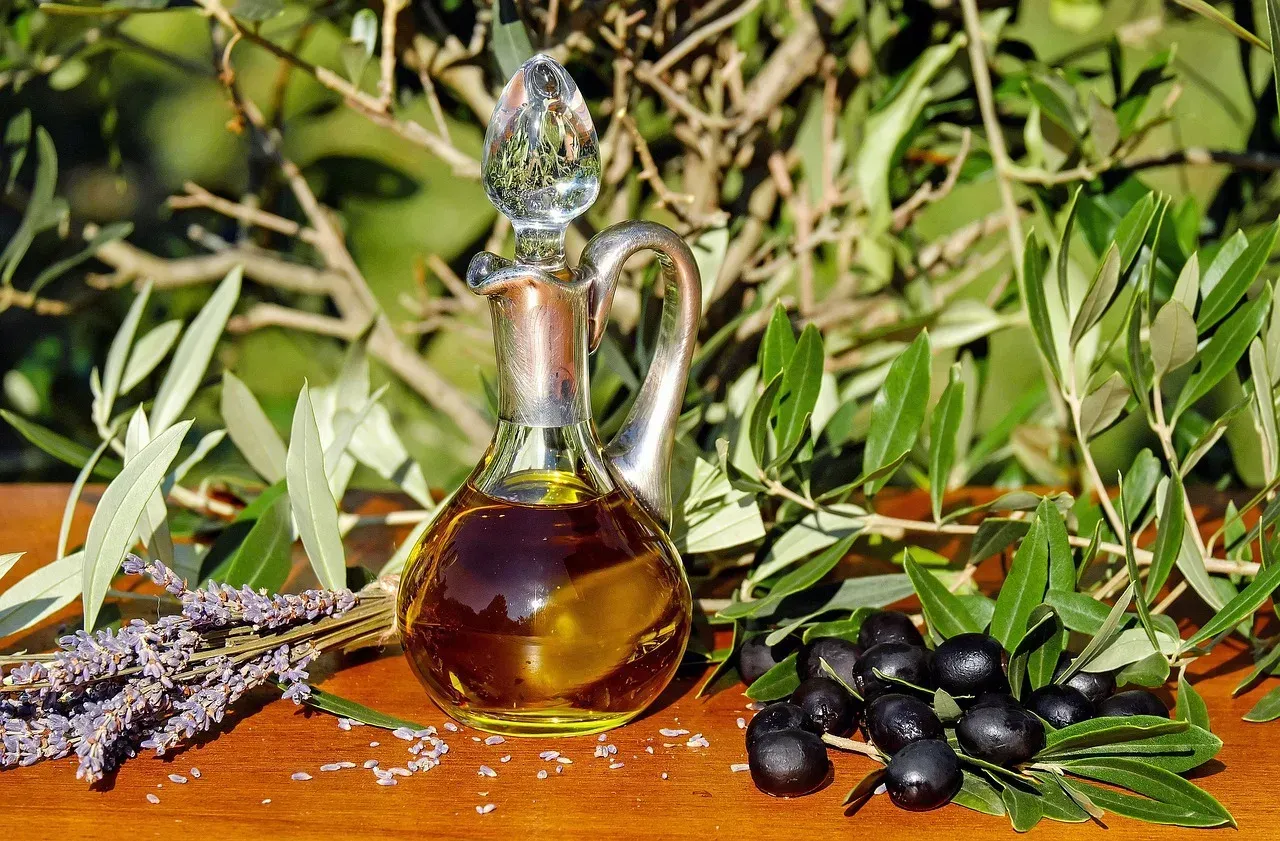
Olive oil
On centuries-old gnarled olive trees on the terraces of the Tramuntana, the olives ripen for the island’s olive oil. Find out all about the protected D.O. Oli de Mallorca.
-
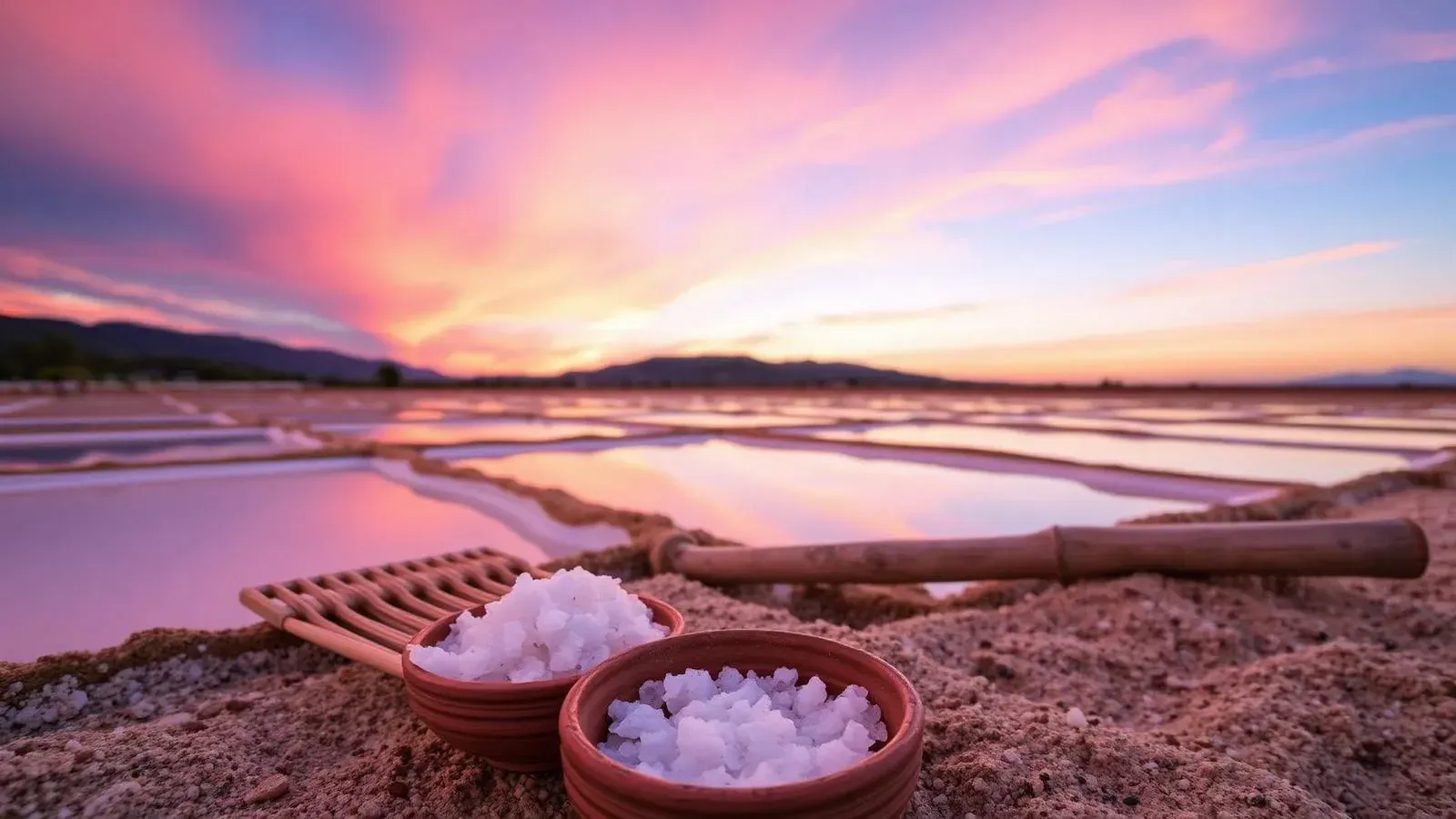
Flor de Sal
Sun, wind and seawater: in the historic salt pans of Es Trenc, natural evaporation produces the salt flakes sold as flor de sal. A delicatessen classic for every kitchen.
-
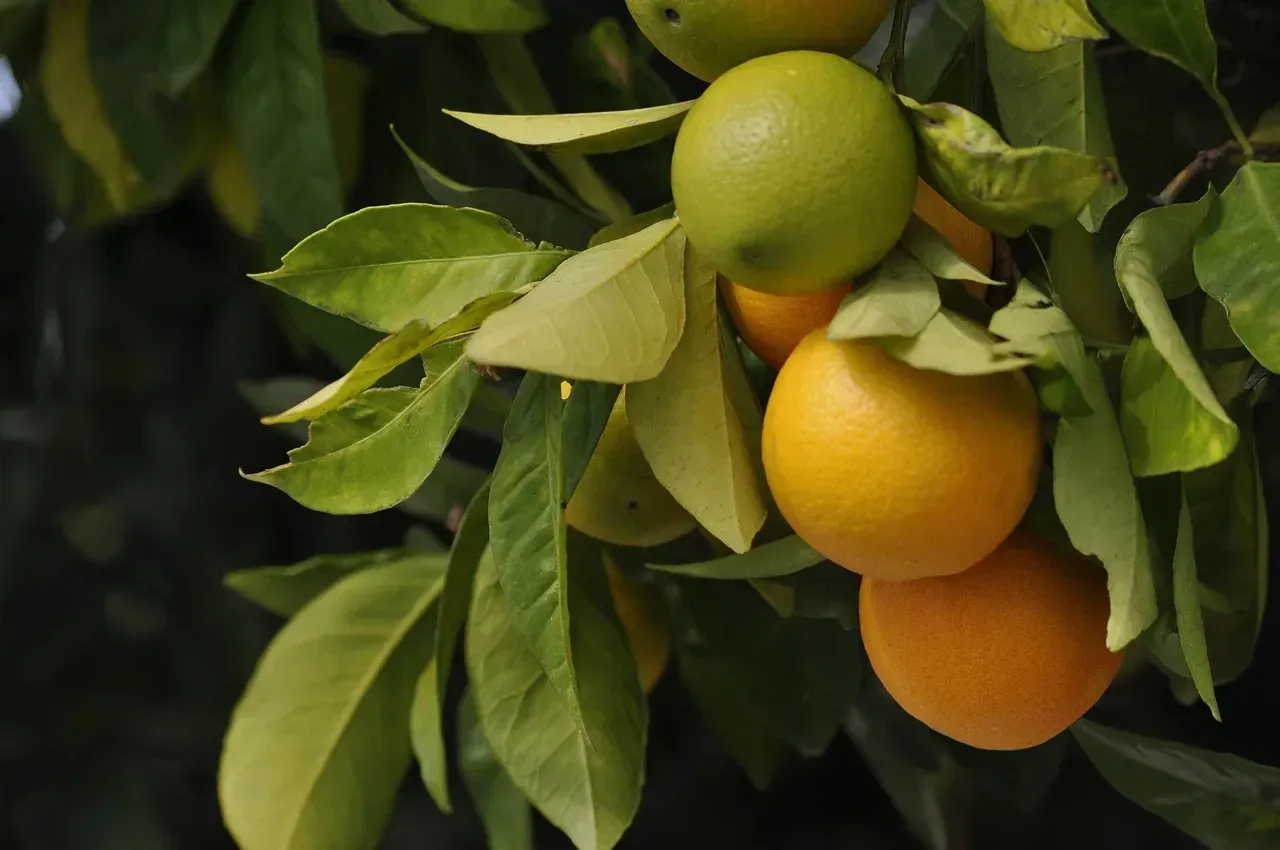
Sóller oranges
In the middle of the Tramuntana mountains lies the valley of Sóller, famous for its juicy, honey-sweet citrus fruit. From fresh juice and orange ice cream to balsamic vinegar and liqueur.
-
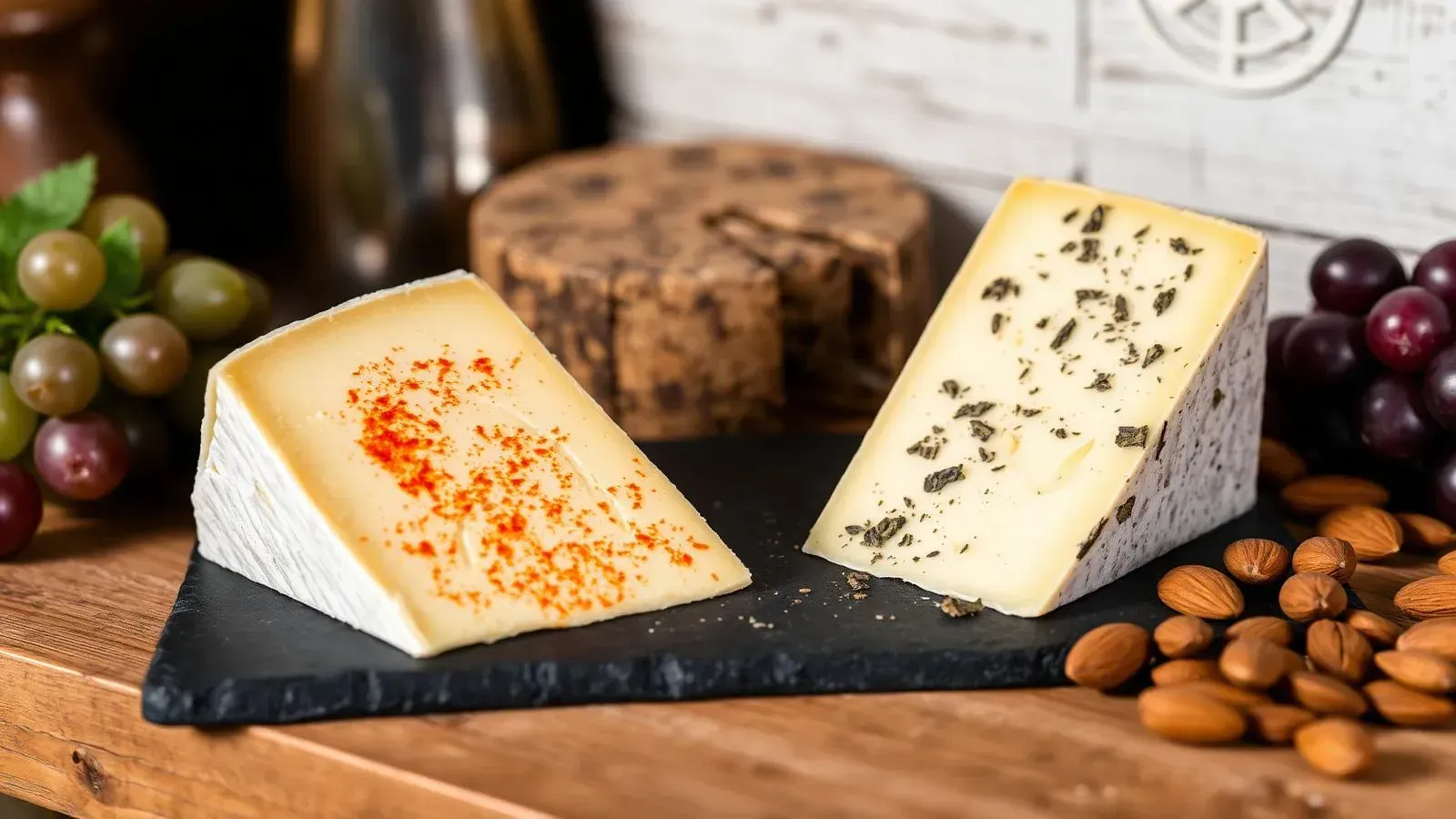
Cheese from Mallorca
If you ask for 'local cheese' in Mallorca, you will often be served Mahón cheese – but that comes from the neighbouring island of Menorca. What Mallorca itself has to offer in terms of cheese is less well known.
-
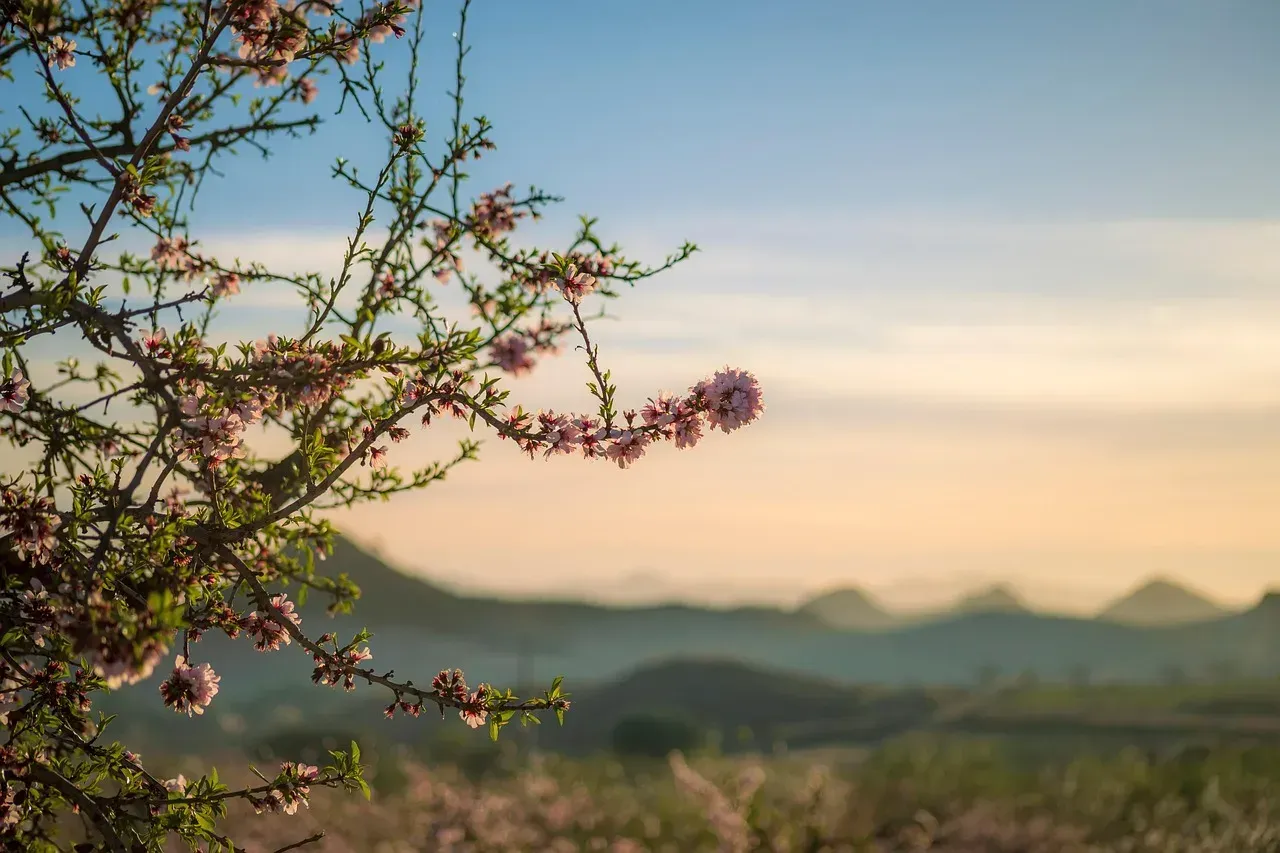
Almond blossom & almond products
For two to three weeks in February, the centre of the island is in full bloom – and supplies the almonds from which Mallorca has made almond milk, turrón and pastries for generations.
-
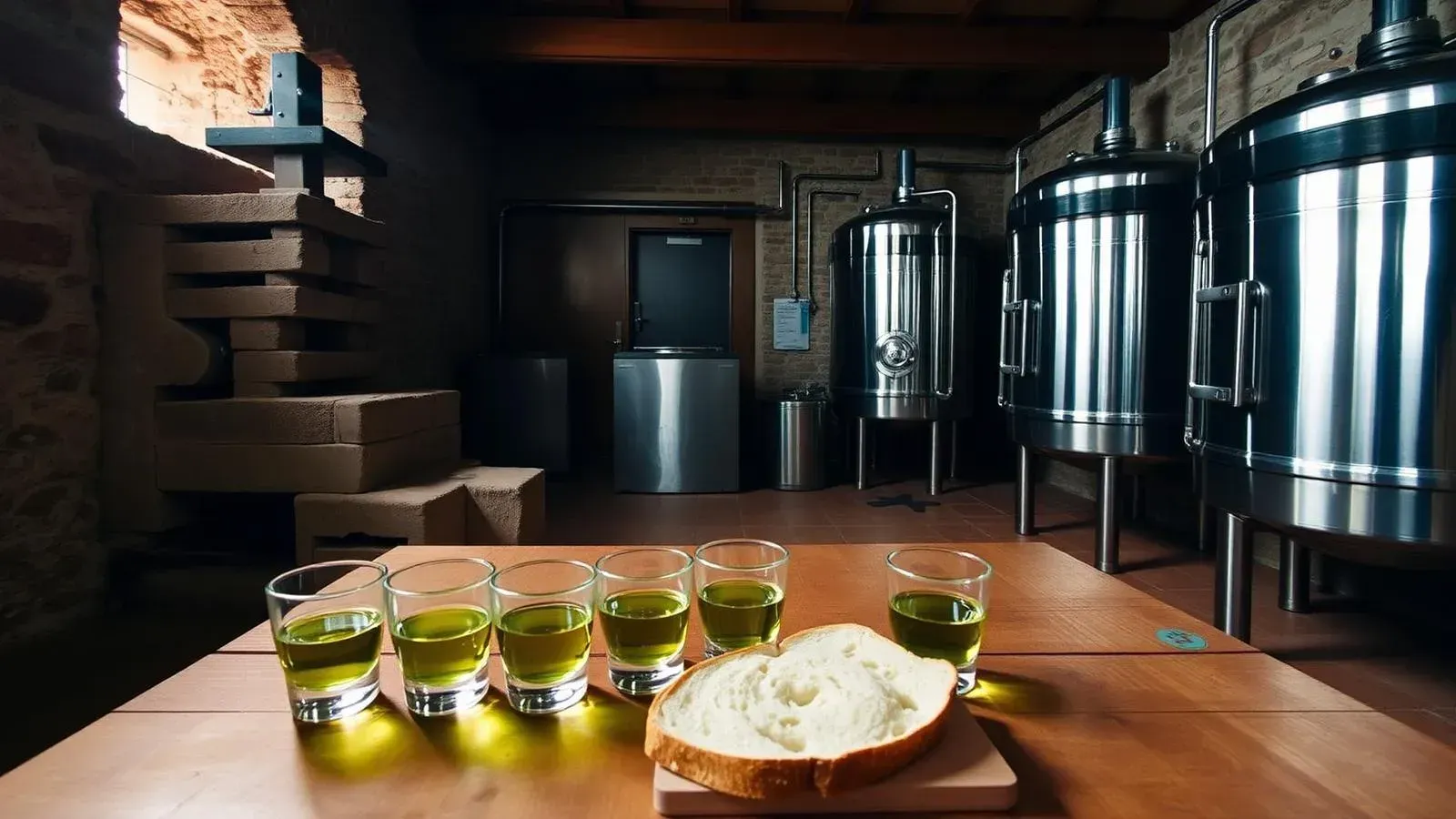
Visit an olive oil mill
Between November and January the harvest is in full swing – if you visit a mill in Caimari or the Tramuntana, you can see first-hand how olives become the island’s olive oil.
-
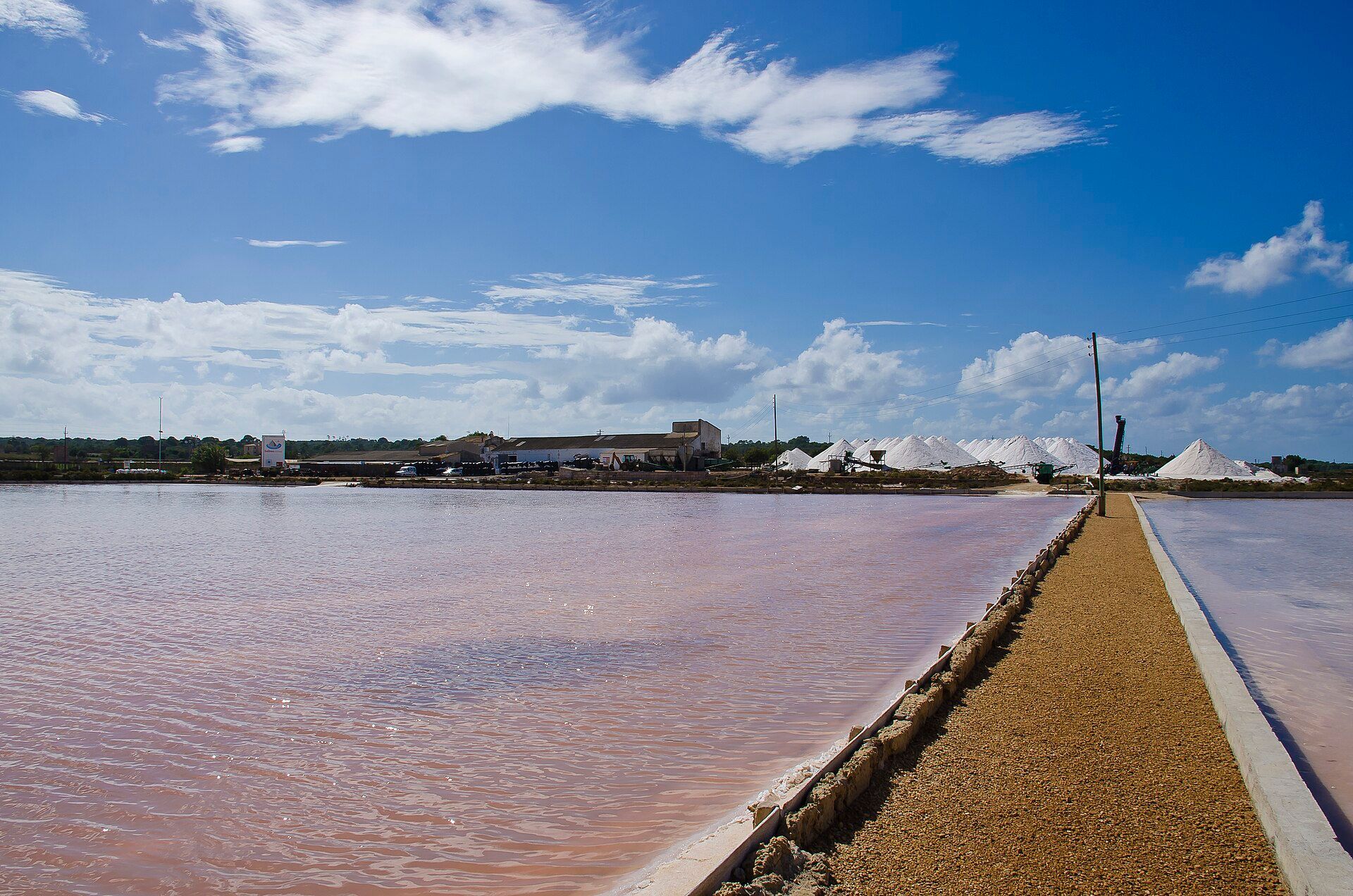
Visit the Es Trenc salt pans
Shimmering pink salt pans, flamingos on the horizon and the handwork behind the flor de sal – a visit to the Es Trenc salt pans combines landscape and fine food.
-
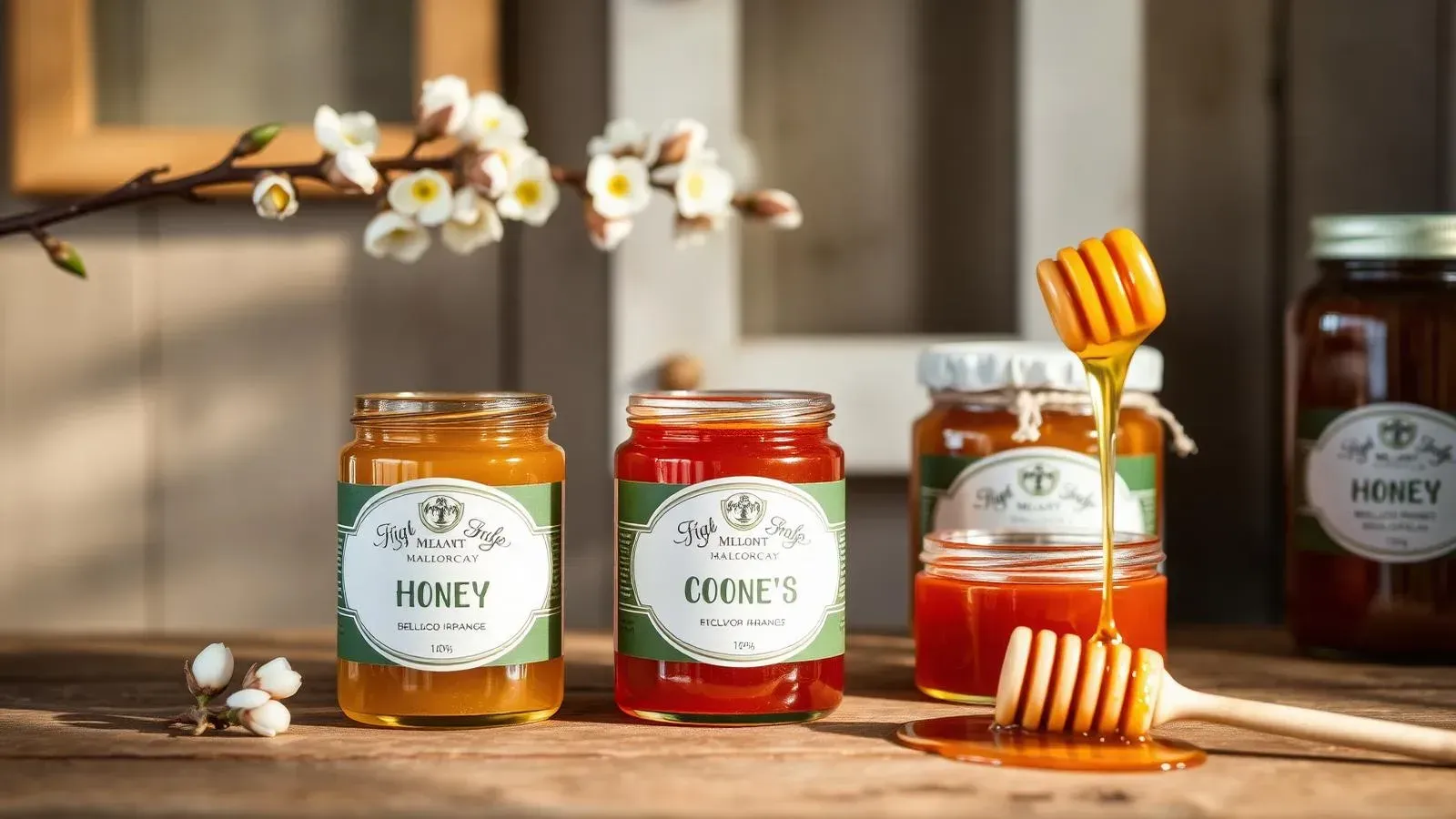
Honey & jams
Almond blossom in February, orange blossom in spring – depending on the season, Mallorca’s bees collect different aromas, which you can taste again in the honey jar.
-
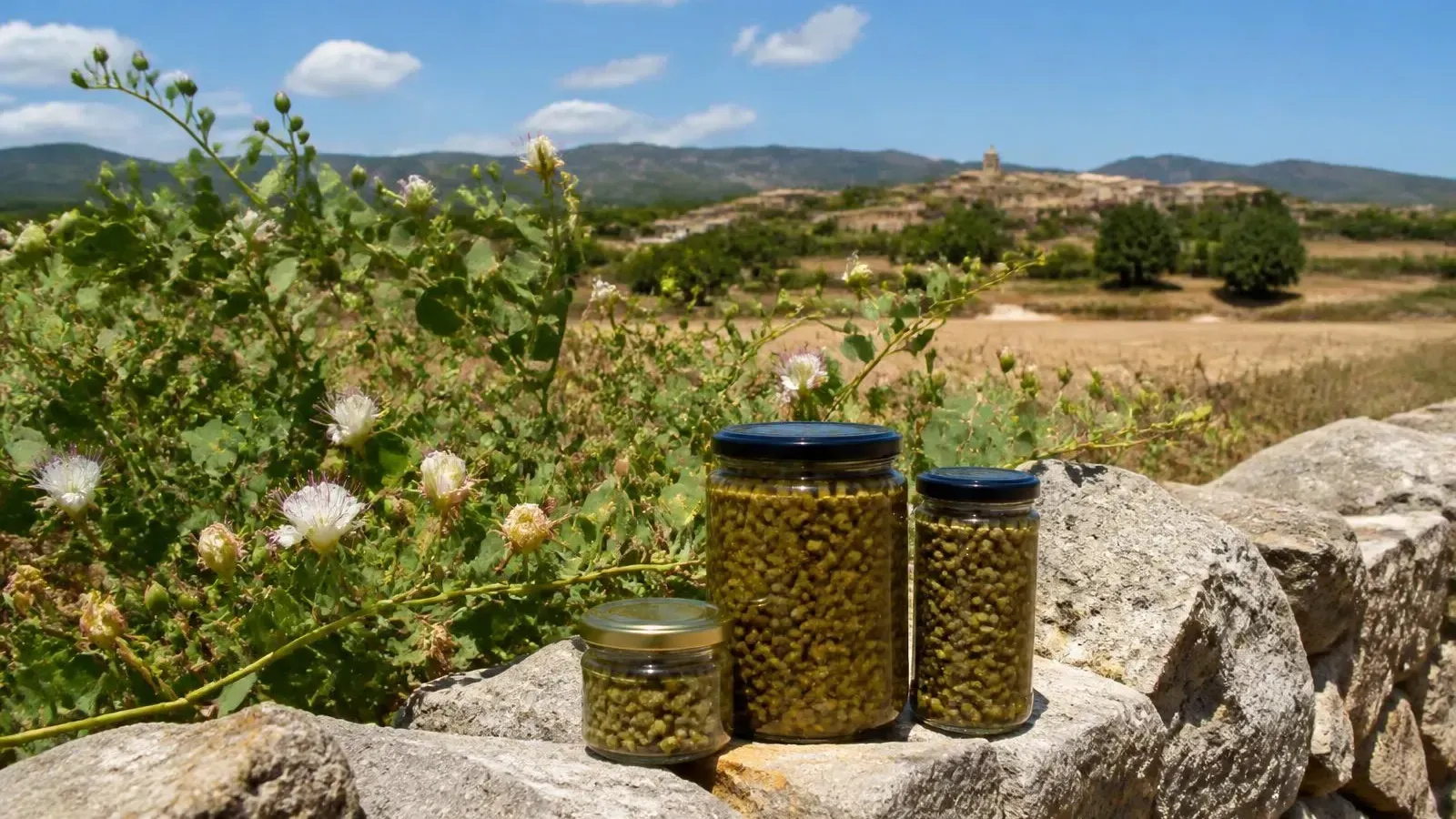
Capers from Felanitx
The caper bush grows wild on dry-stone walls and at the edges of fields around Felanitx – its unopened flower buds are a speciality of the island.
-
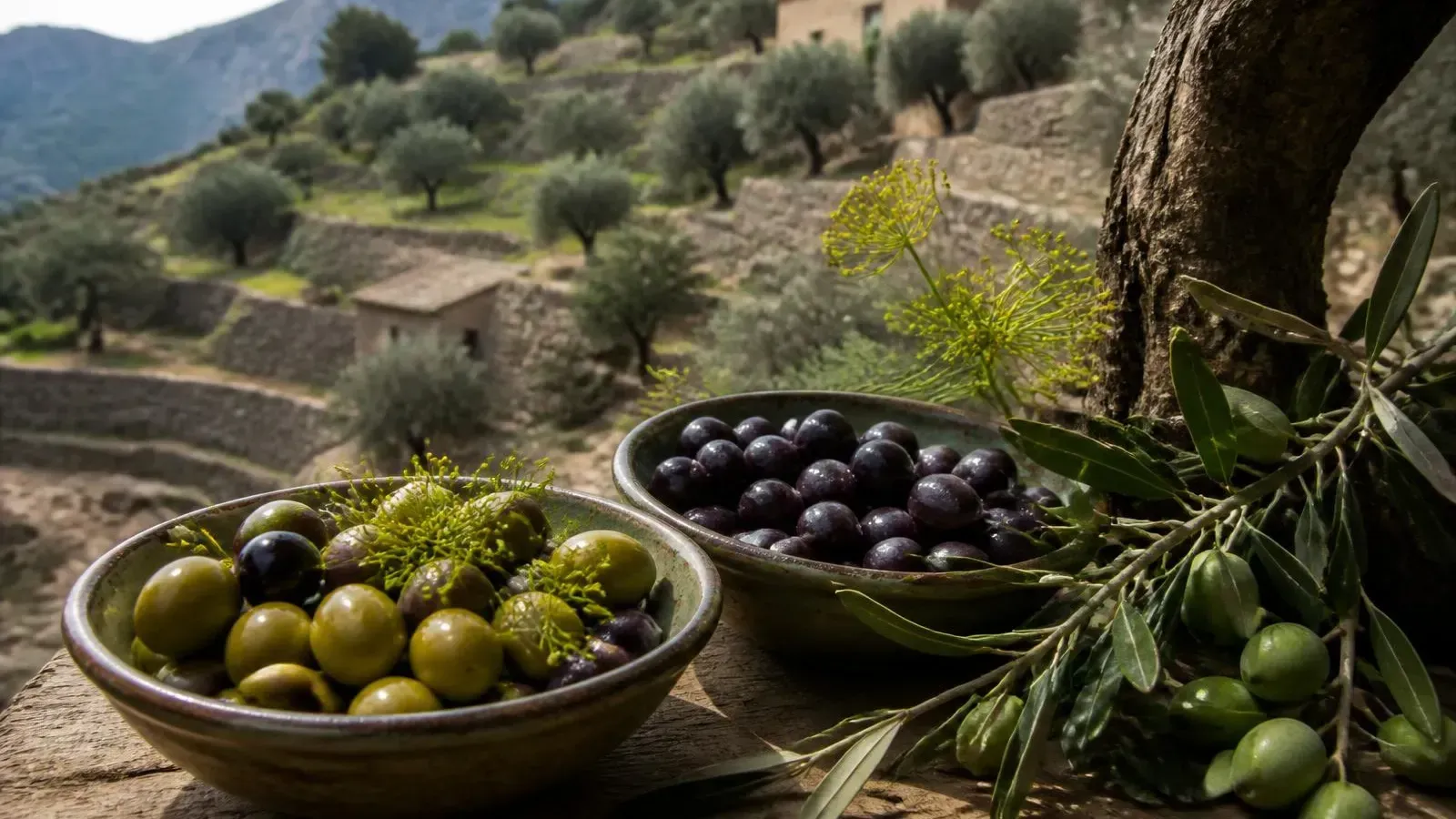
Oliva de Mallorca
Many people know Mallorcan olive oil – far fewer know that the island’s table olive also has its own EU-protected designation of origin.
Practical
Practical tips, shopping & flying
Where to buy real quality, how to pack it and what you are allowed to take home on the plane.
-
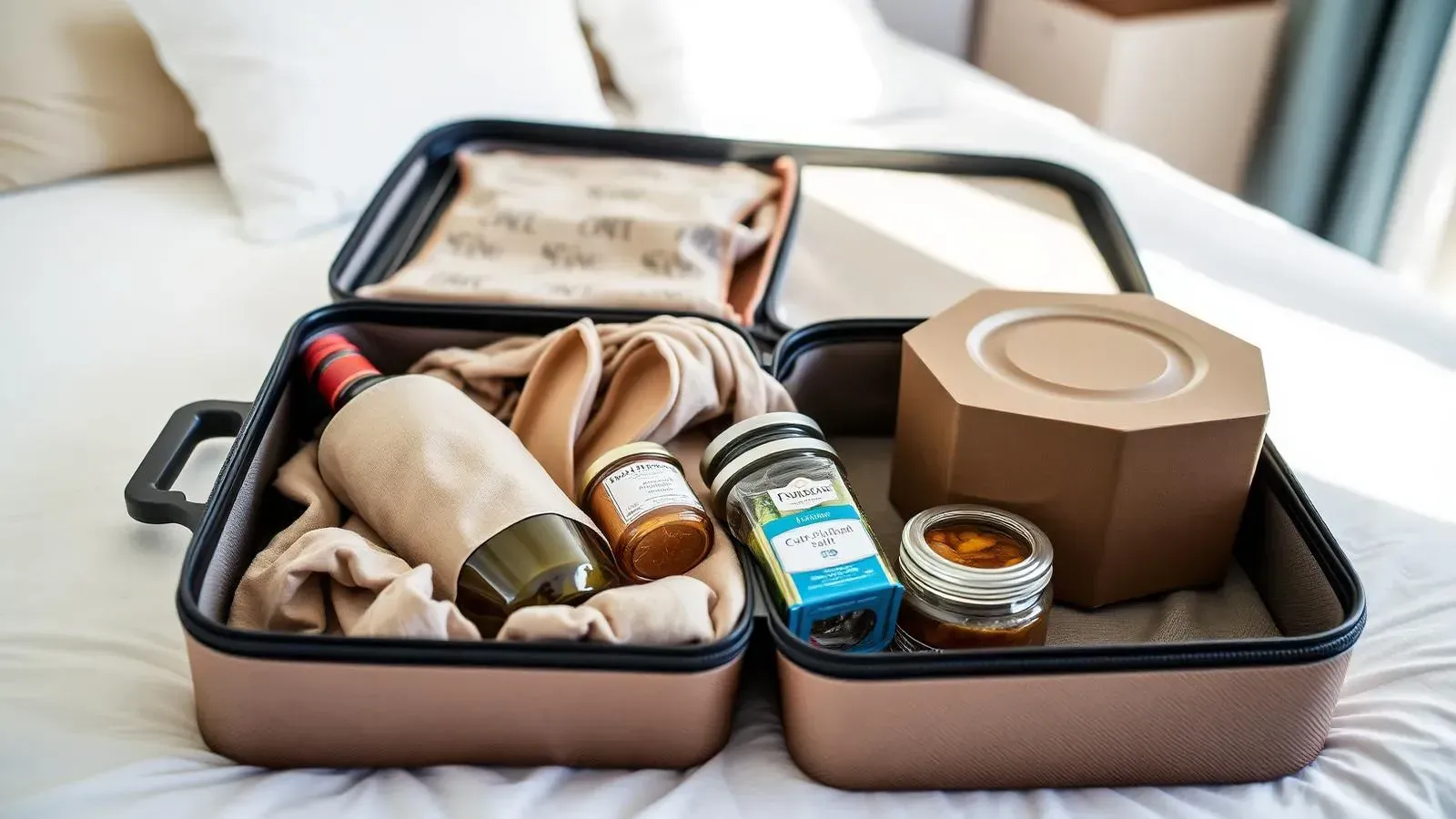
Taking specialities home
Ensaïmada boxes under your arm, sobrassada in your suitcase and olive oil in your luggage: so that your culinary souvenir shopping does not come to an end at the security check, we explain the official flight and customs rules.
-
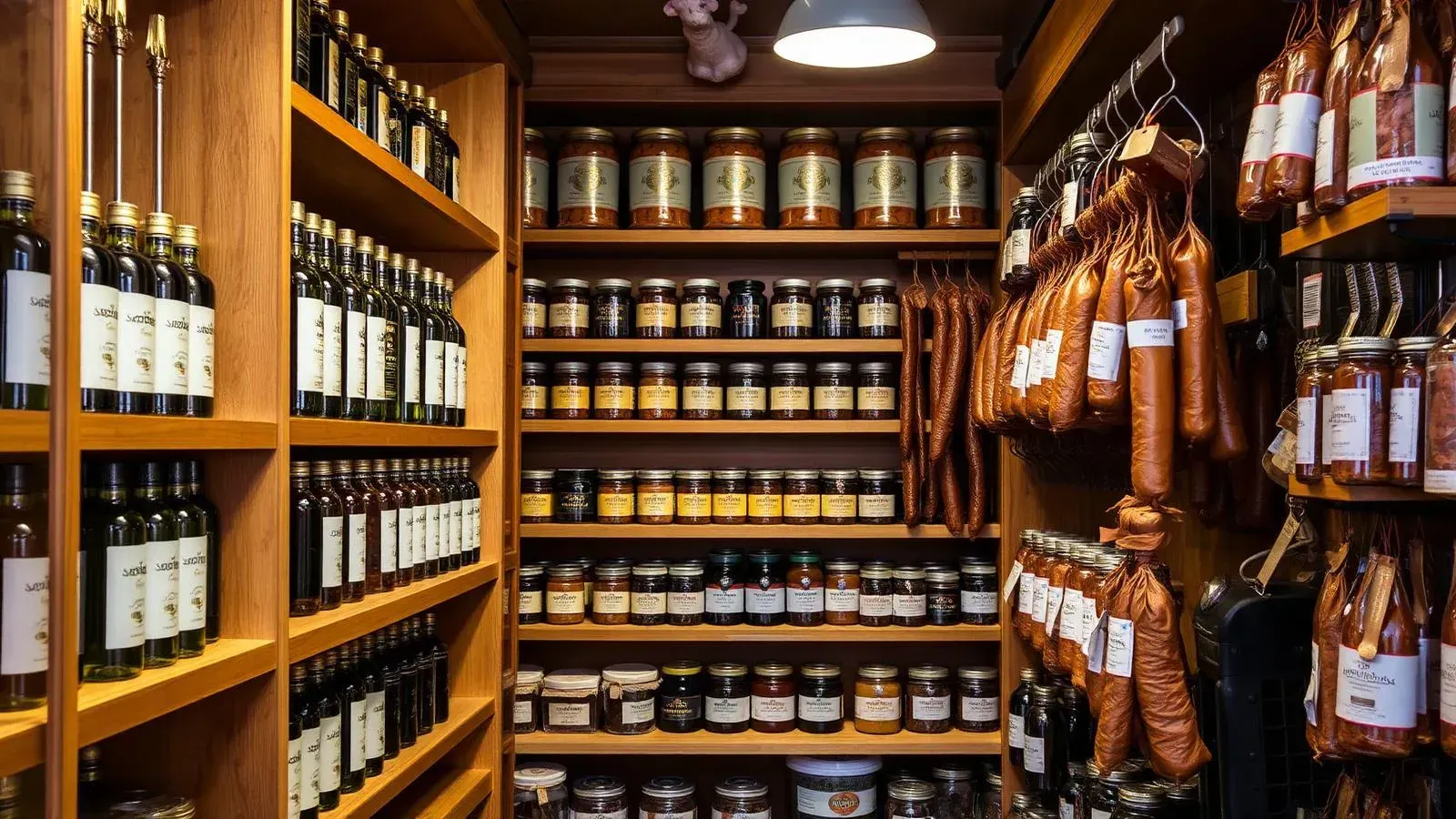
Delicatessen in Palma
If you want to buy sobrassada, cheese and olive oil to take home rather than eat them on the spot, you will find a selection in Palma’s delicatessens and market halls – vacuum-packed and ready to travel.
-
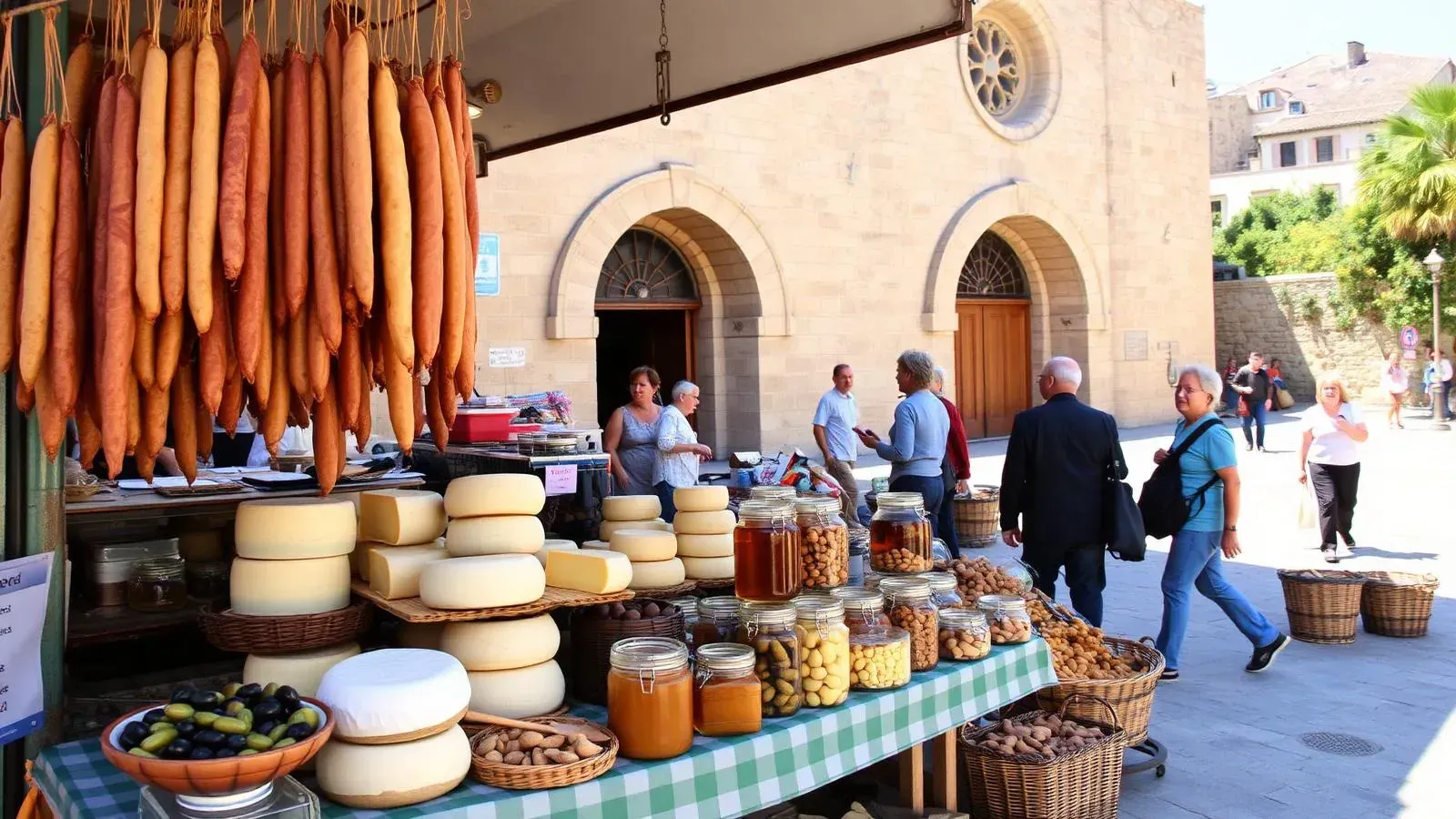
Delicacies at weekly markets
On every day of the week, a village somewhere in Mallorca has its market day – if you know where to go, you will find sobrassada, cheese and vegetables straight from the producer instead of from the supermarket shelf.
Frequently asked questions
What are the best-known specialities of Mallorca?
Ensaïmada de Mallorca (I.G.P.), Sobrassada de Mallorca (I.G.P.), Oli de Mallorca (D.O.P.), flor de sal from the salt pans in the south, hierbas, palo and the wines of the D.O. Binissalem and D.O. Pla i Llevant.
Can I take Mallorcan specialities home to Germany?
Within the EU, yes, for private personal use and without a customs declaration. Liquids such as oil, wine and liqueur over 100 ml belong in your checked baggage; sausage and cheese are no problem, but should be transported vacuum-packed.
Where is the best place to buy specialities – market, farm shop or supermarket?
For origin and quality, producers, oil mills, bodegas and weekly markets are the best choice. Supermarkets such as Mercadona or Eroski are cheaper, but rarely stock the protected designations in producer quality.
How do I recognise real quality?
By the protected designations: I.G.P. for ensaïmada and sobrassada, D.O.P. for Oli de Mallorca, D.O. for Binissalem and Pla i Llevant wines. These details are on the label.
Which souvenir is typical of Mallorca?
The best known are ensaïmada, sobrassada, olive oil, hierbas and flor de sal. If you are travelling with hand luggage only, ensaïmada, almonds and flor de sal are the most suitable.
What do I.G.P. and D.O.P. on the label mean?
Both are EU origin labels. With D.O.P. (PDO), both the raw material and its processing come from the area; with I.G.P. (PGI), at least one essential production step does.
Is Mahón cheese a cheese from Mallorca?
No, Mahón-Menorca comes from the neighbouring island of Menorca. Mallorca has its own cheeses, but they are less well known.
Can I take olive oil in my hand luggage?
Only up to 100 ml per container. Larger bottles belong in your suitcase – details on the “Taking specialities home” page.
Next steps
Image credits: Sobrassada de Mallorca: photo Juan Emilio Prades Bel, CC BY 4.0, via Wikimedia Commons · Salt pans of the Salines d'Es Trenc: photo pjt56, CC BY-SA 3.0, via Wikimedia Commons