



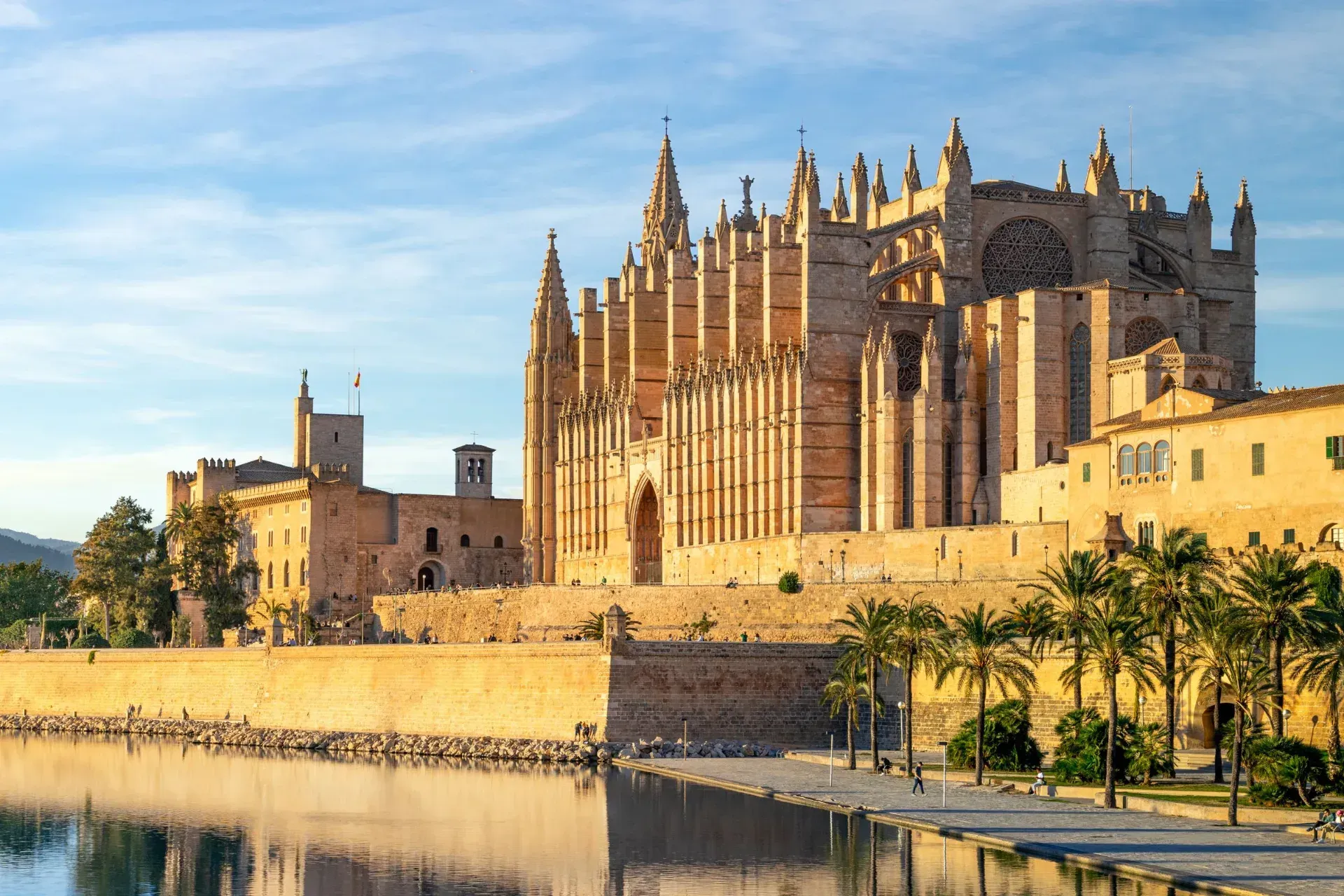
Regions
Mallorca's six regions
First the region, then the town, then the hotel. This order prevents the most common booking mistake on Mallorca.
The short answer
How do Mallorca's regions differ?
North = shallow family beaches, East = small coves and holiday flats, South = natural beaches with little infrastructure, Southwest = city, marinas and short transfer times, Serra de Tramuntana = mountains, hiking and cycling, Island centre = fincas, wine and markets with no sea access.
All regions
Character, strengths and limits
-
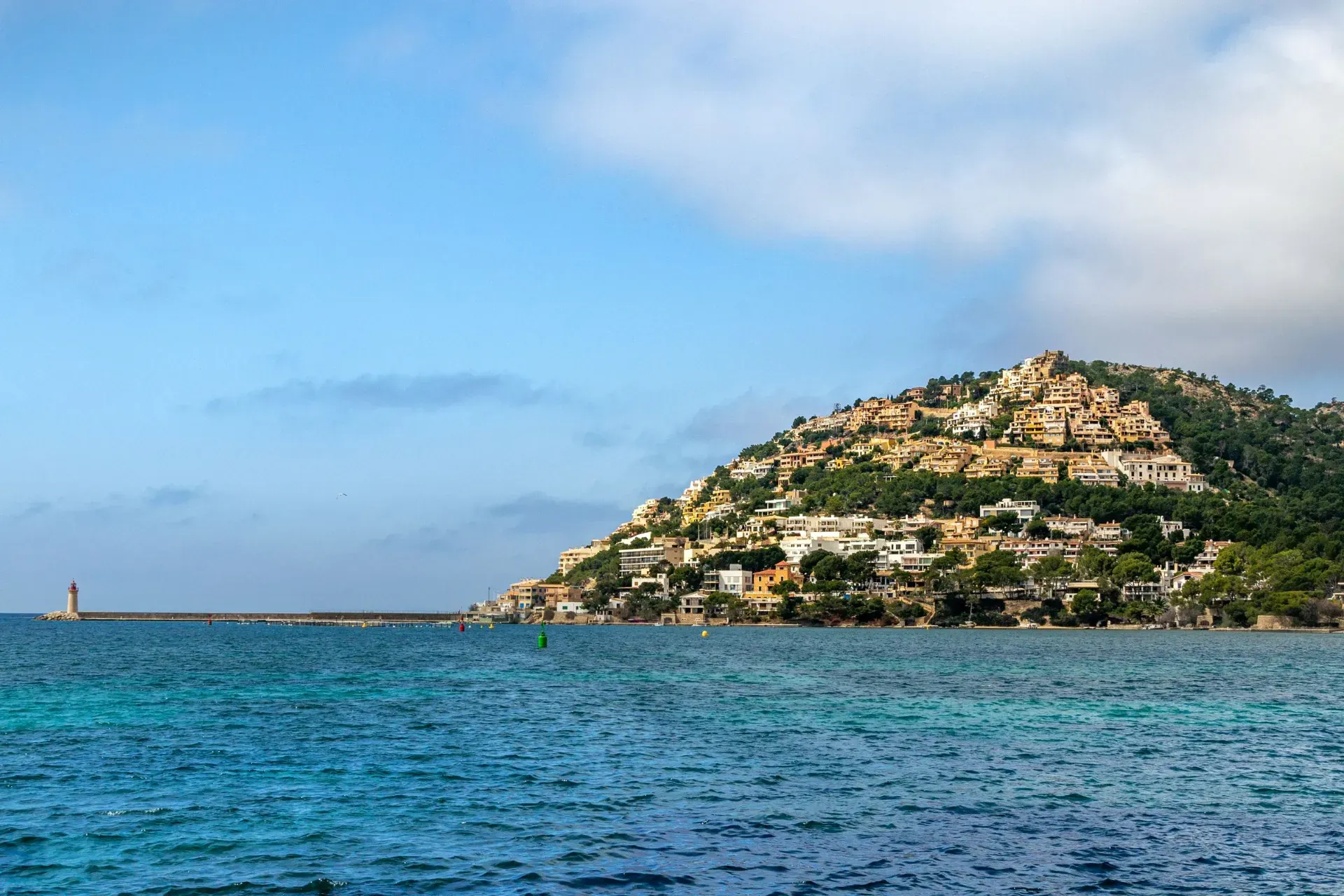
Southwest
Short transfer times, city life and marinas: the southwest is the island's best-developed region and works outside the summer months too.
-
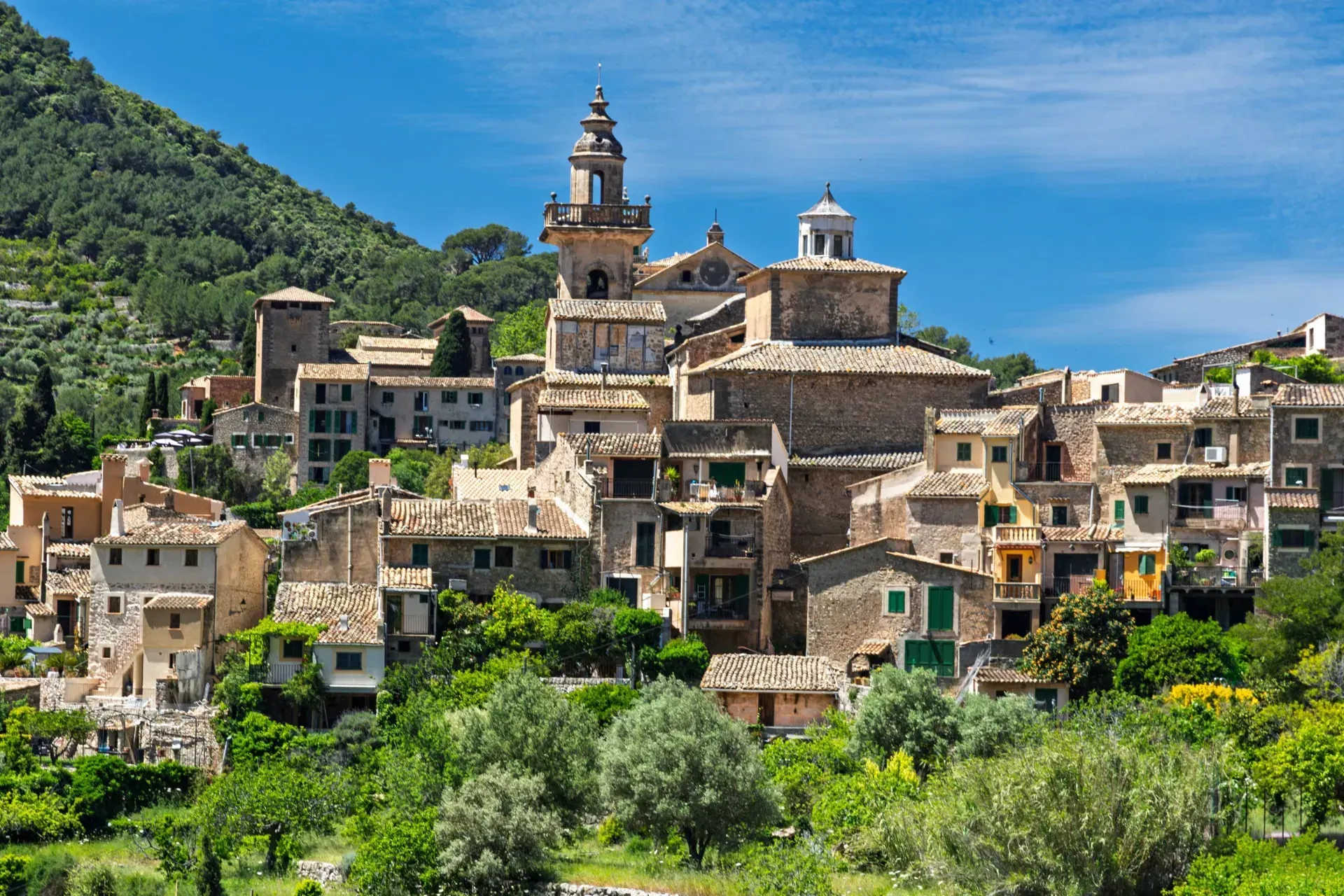
Serra de Tramuntana
A UNESCO World Heritage Site of dry-stone walls, olive terraces and mountain villages – the region for hiking and cycling, the weakest for small children at the beach.
-
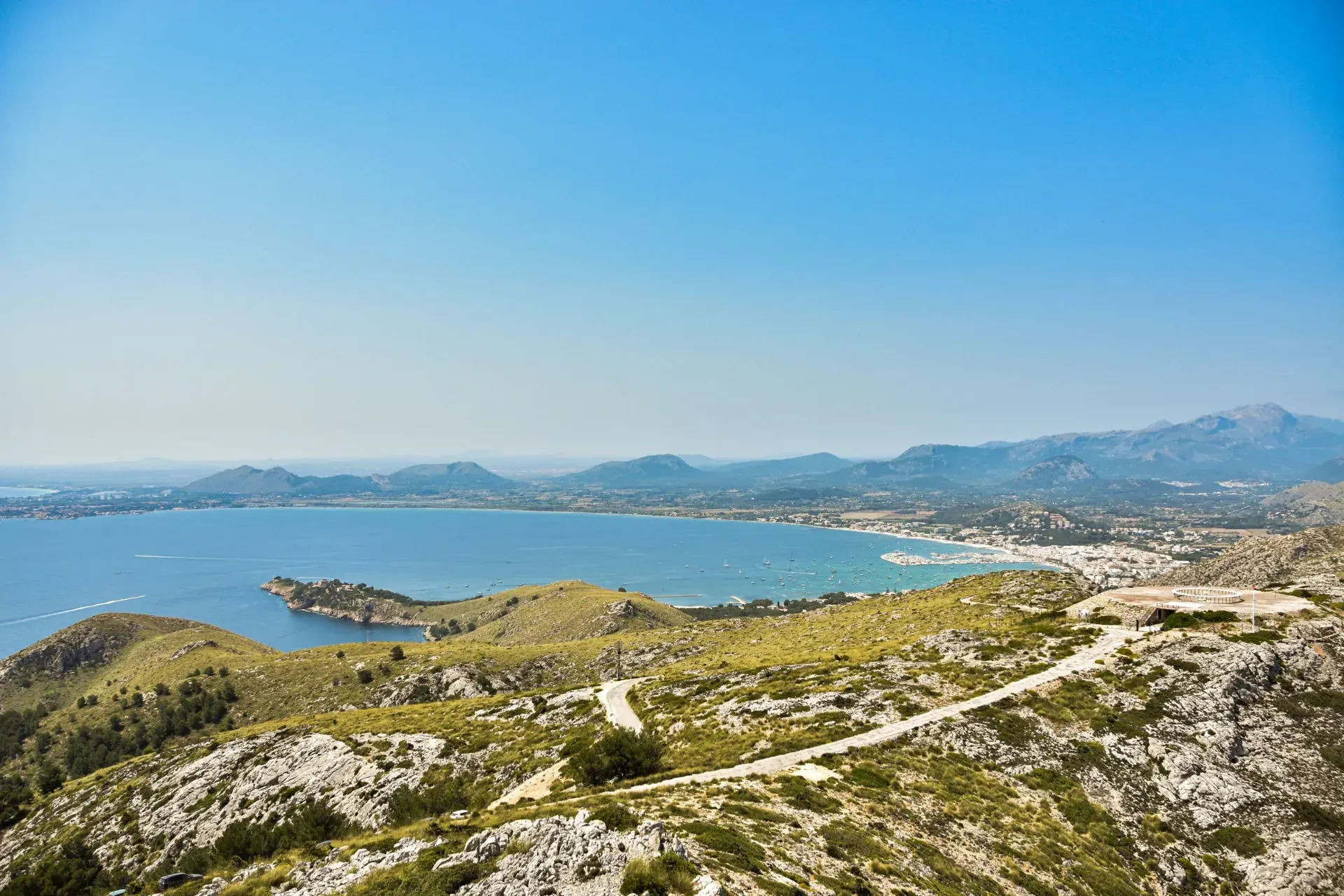
North
Miles of gently shelving sandy bays with a promenade – Mallorca's classic family region, easy to combine with cycling and nature trips.
-
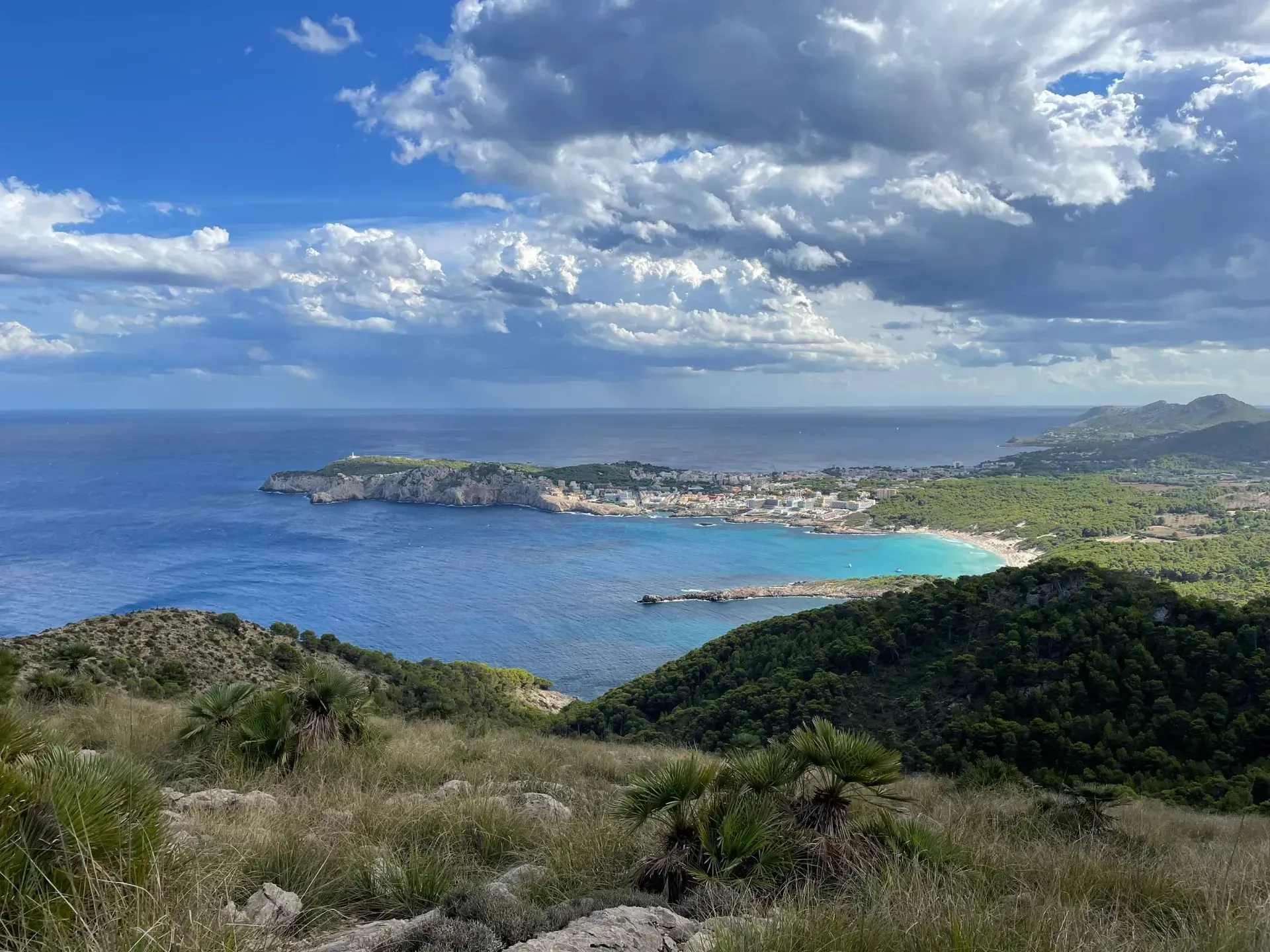
East
A chain of small calas between pine trees and limestone rock – quiet resorts with holiday flats, marinas and short coastal paths.
-
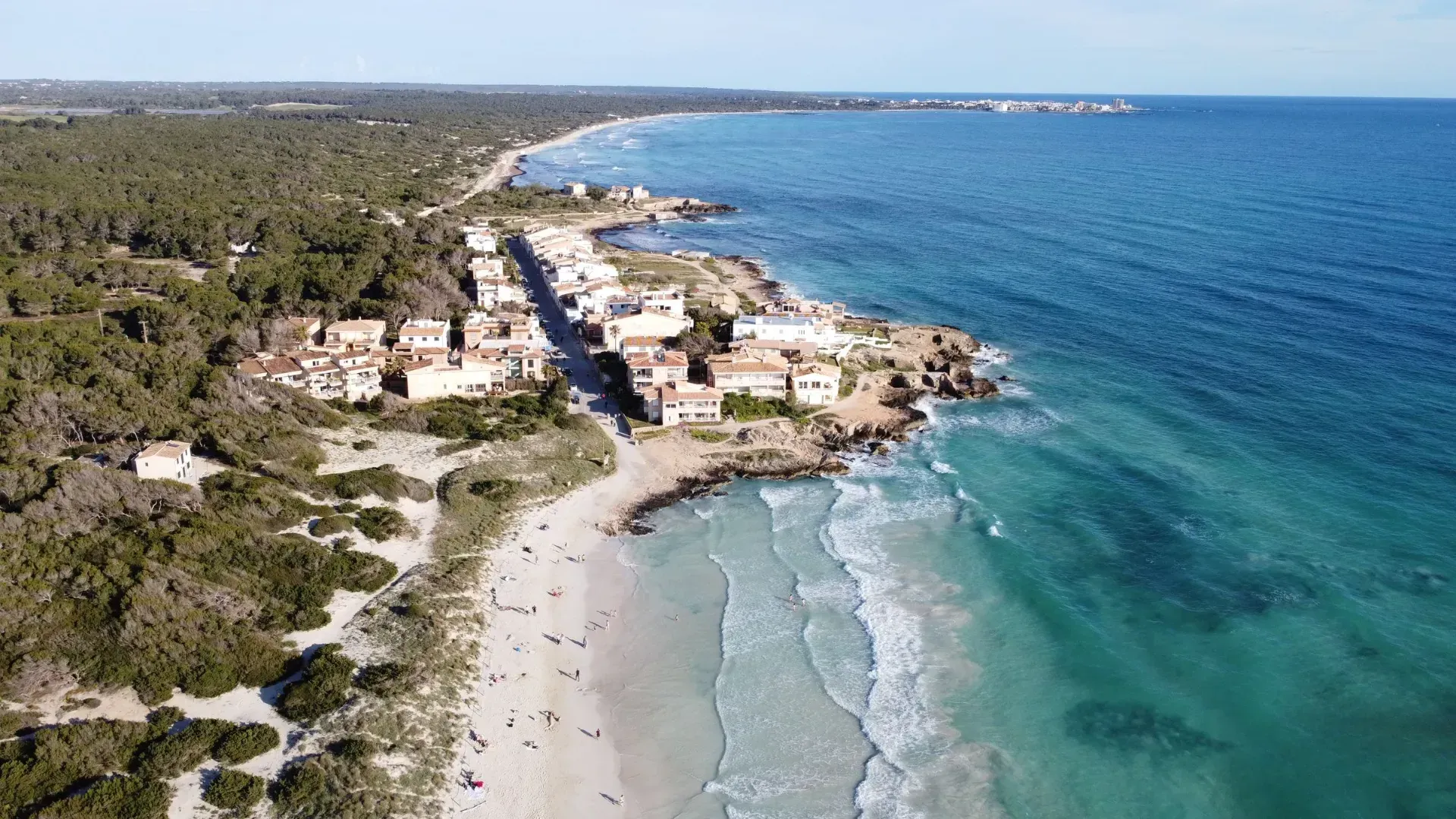
South
Flat, dry and little built-up: this is where the island's natural beaches are – but the infrastructure is thinner than elsewhere.
-
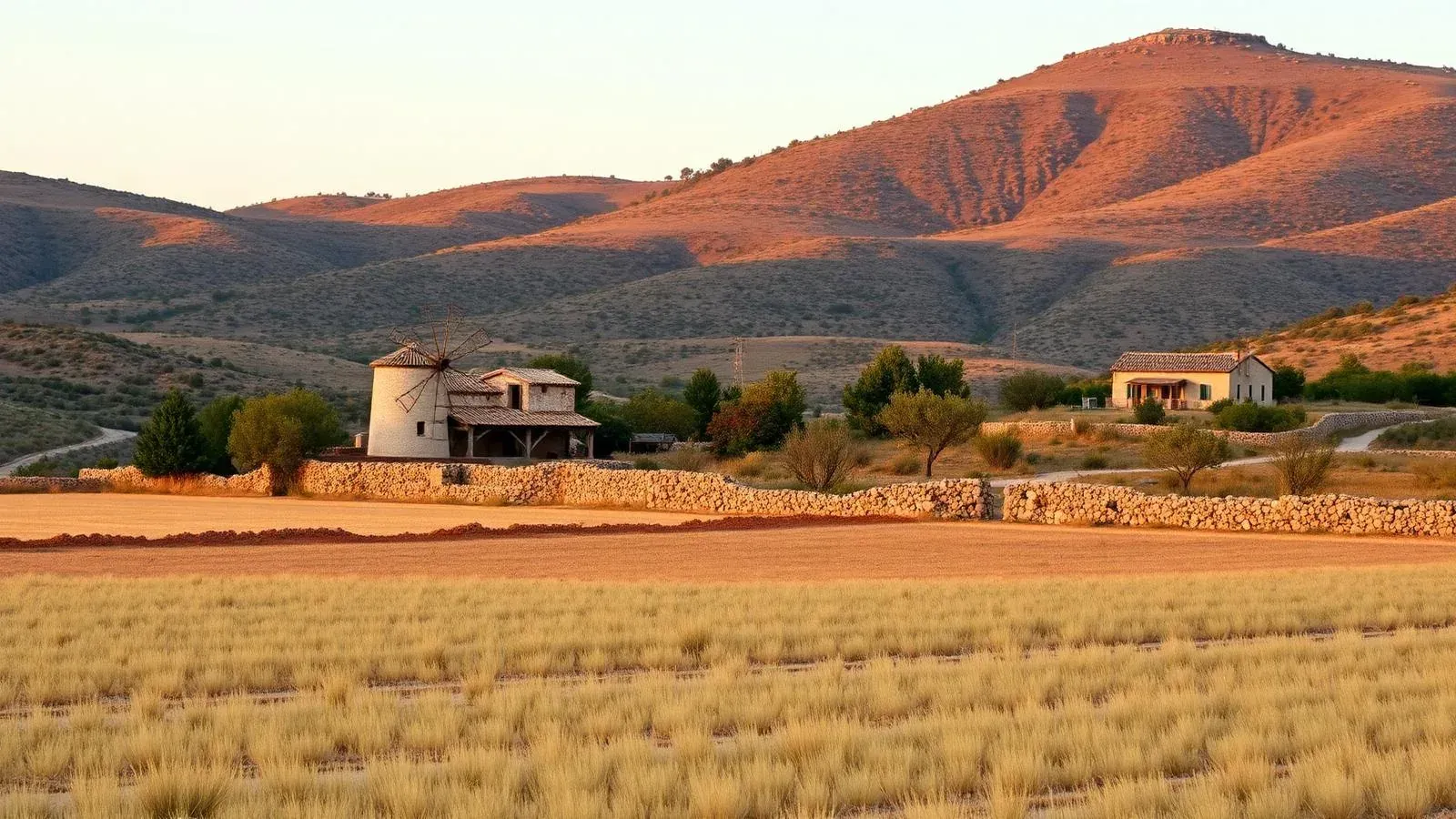
Island centre: Es Pla
Farmland instead of coast: wineries, weekly markets and fincas – only practical as a base with a hire car, but quiet all year round.
Next steps