


Festivals & Events
Sant Antoni: Mallorca’s night of fires and dimonis
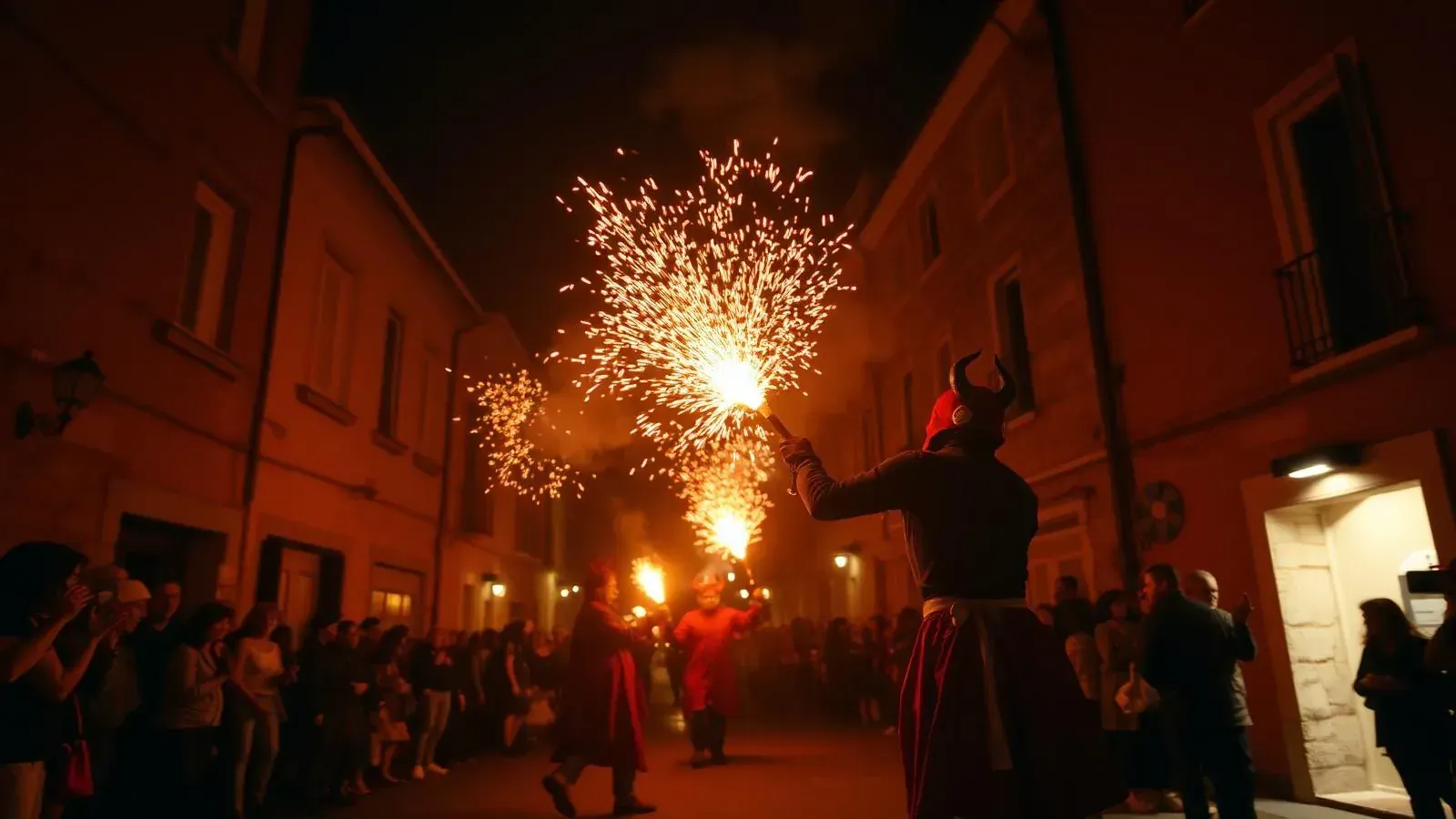
Showers of sparks in narrow lanes, devils with torches, sausages over open fires – Sant Antoni is one of the most traditional festivals of the Mallorcan winter.
Sant Antoni is celebrated on the night before 17 January in many towns at the same time, most famously in Sa Pobla and Artà.
Quick answer
What can visitors expect at Sant Antoni?
Sant Antoni is the Mallorcan fire festival in honour of Saint Anthony and is celebrated every year on the night from 16 to 17 January, most famously in Sa Pobla. At its heart are the foguerons (street bonfires), the correfoc (fire run) with groups dressed as dimonis (devils) and the blessing of the animals the following day. Attending is free.
Fixed date January
Quick facts
- When
- 16–17 January (same every year)
- Where
- Sa Pobla (also Artà, Manacor and many other towns)
- Duration
- two main evenings, warm-up programme from early January
- Admission
- free
- Audience
- Culture lovers, photographers, families during the day
- Special feature
- Correfoc with real ground-level fireworks right in the crowd
Note on the date
The main date is fixed. The exact programme of the municipality of Sa Pobla (times, road closures) is only published in December each year.
Location: Sa Pobla (also Artà, Manacor and many other towns).
What is Sant Antoni?
Sant Antoni is the feast of Saint Anthony, patron saint of domestic animals. In Mallorca it has developed over the centuries into a fire festival that is now only loosely connected to its religious origins: foguerons burn in the streets, where people grill and sing, and groups of dimonis – dancers costumed as devils – move through the town with fireworks.
Sa Pobla in the north of the island is considered the main venue, because the festival there is the biggest and the least shaped by tourism. Artà and Manacor celebrate in a similar way, Palma on a much smaller scale.
Programme: foguerons, correfoc and Beneïdes
The evening of 16 January belongs to the fires. In the town centre, wood piles are lit, at which families and clubs grill botifarra and llonganissa sausages (botifarrada). In between, the dimonis groups and the correfoc move through the lanes – fireworks are deliberately set off close to the ground and close to the crowd.
On the morning of 17 January come the Beneïdes, the blessing of the animals: dogs, horses, goats and rabbits are blessed in front of the church. This part is calm, good for photos and no problem for children.
Getting to Sa Pobla
Sa Pobla is around 50 kilometres from Palma and has its own station on the Palma–Sa Pobla line. On the festival evening, the train is a much better choice than the car: the town centre is closed off and parking spaces in the area are full from early evening.
If you are coming from a coastal resort, check the last return option in advance – night services are sparse in January.
Tips for your visit
- Wear closed shoes and cotton clothing: flying sparks burn holes in synthetic fabrics.
- A hat or hood protects your hair and ears during the correfoc.
- Arrive early – between 19:00 and 21:00 the central lanes are packed.
- Do not hold cameras with exposed sensors into the shower of sparks.
- January in Mallorca is cool in the evening: bring a jacket.
- No fleece, no nylon, no synthetic jacket – sparks melt the fabric instantly.
- Never let children into the dimonis procession; watch from the side and from the second row.
- Pushchairs are useless in the narrow lanes during the correfoc – a baby carrier is the better choice.
- Keep an eye on your escape route: at junctions and house entrances you can get out of the crowd at any time.
Who is it worth it for?
A good fit for:
- Photographers interested in night-time subjects
- Travellers looking for Mallorcan tradition without a tourist programme
- Families with older children – during the day and at the Beneïdes
Less suitable for:
- Very young children and people sensitive to noise (correfoc)
- Anyone expecting a quiet evening event with seating
Similar dates
More festivals & events
-
Sant Sebastià
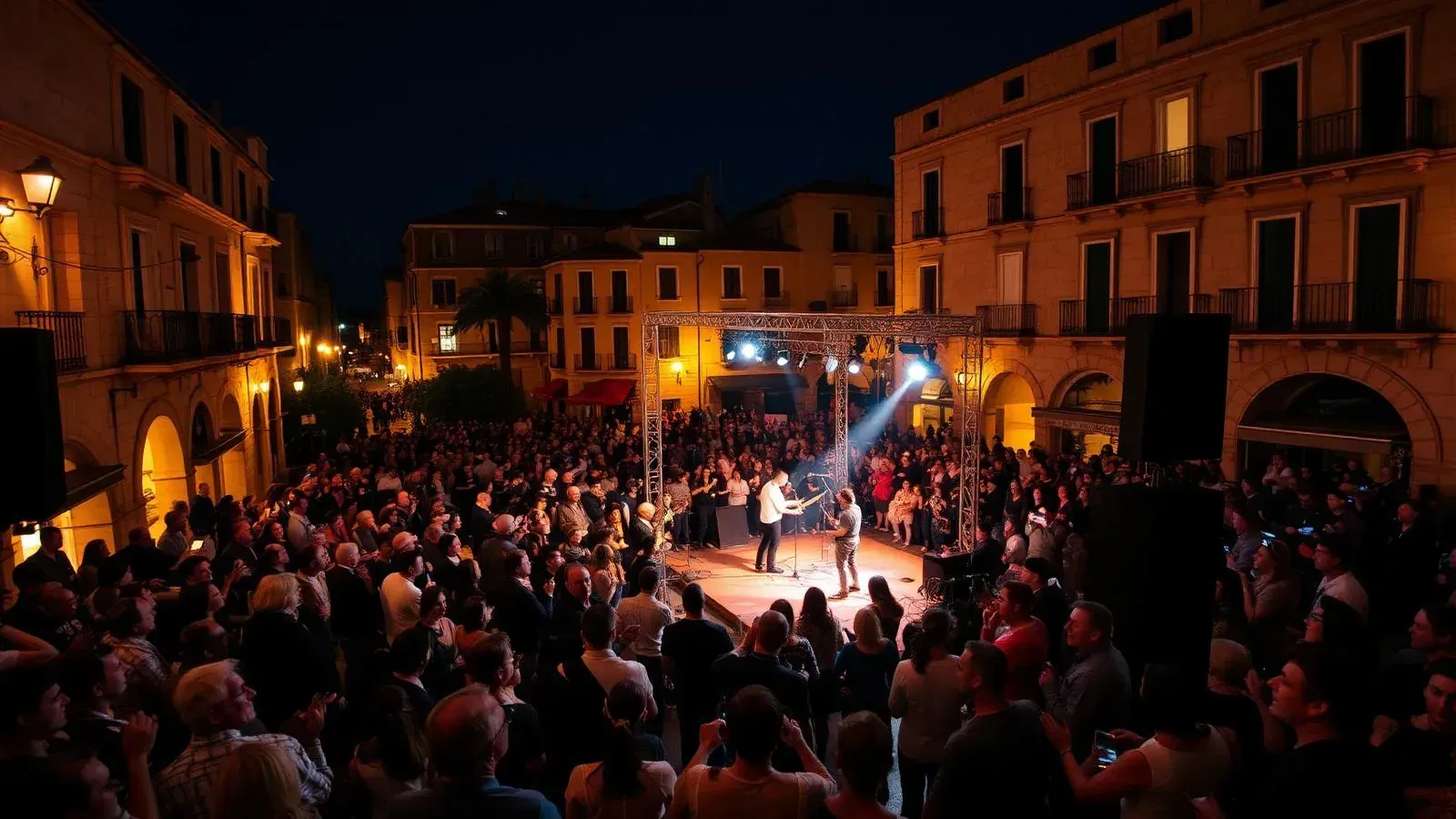
Several stages, one old town, one night: Palma celebrates its patron saint with free live music on almost every larger square.
-
Es Firó
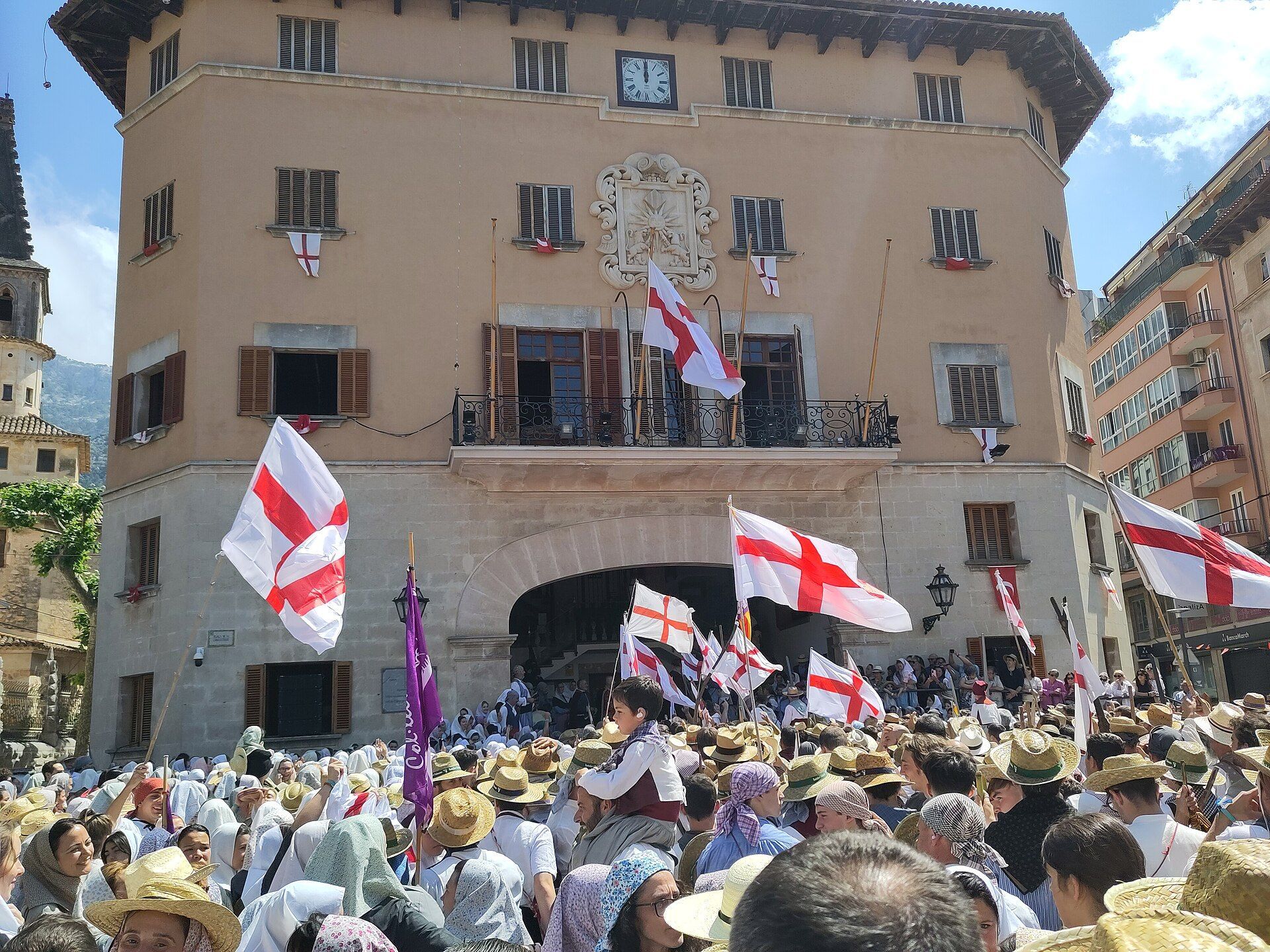
Gunpowder smoke over the beach, pirates storming out of the sea – once a year Sóller re-enacts the pirate attack of 1561.
-
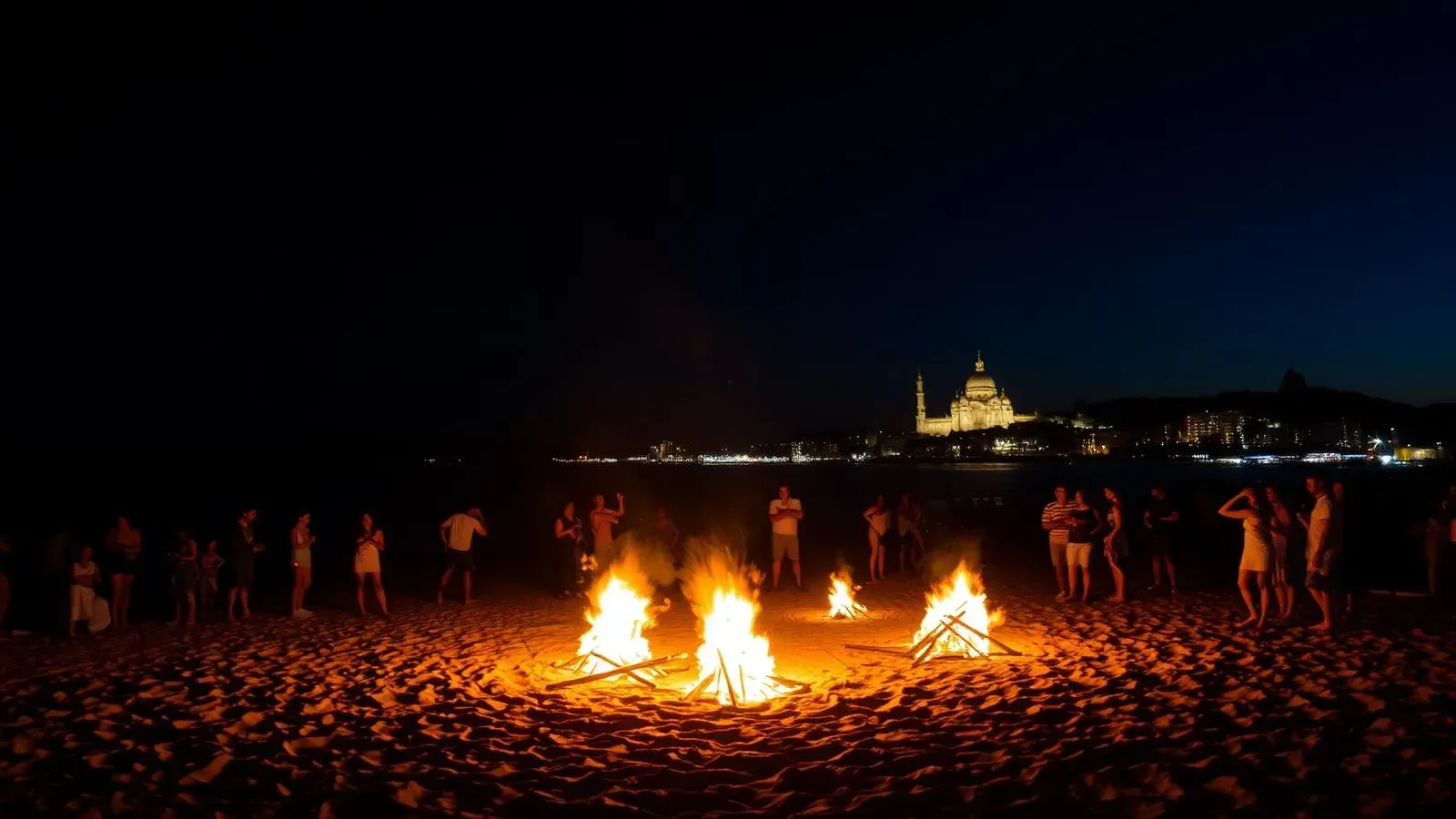
Nit de Sant Joan
Jumping over the fire, into the sea at midnight – in Mallorca the shortest night of the year is celebrated on the beach.
-
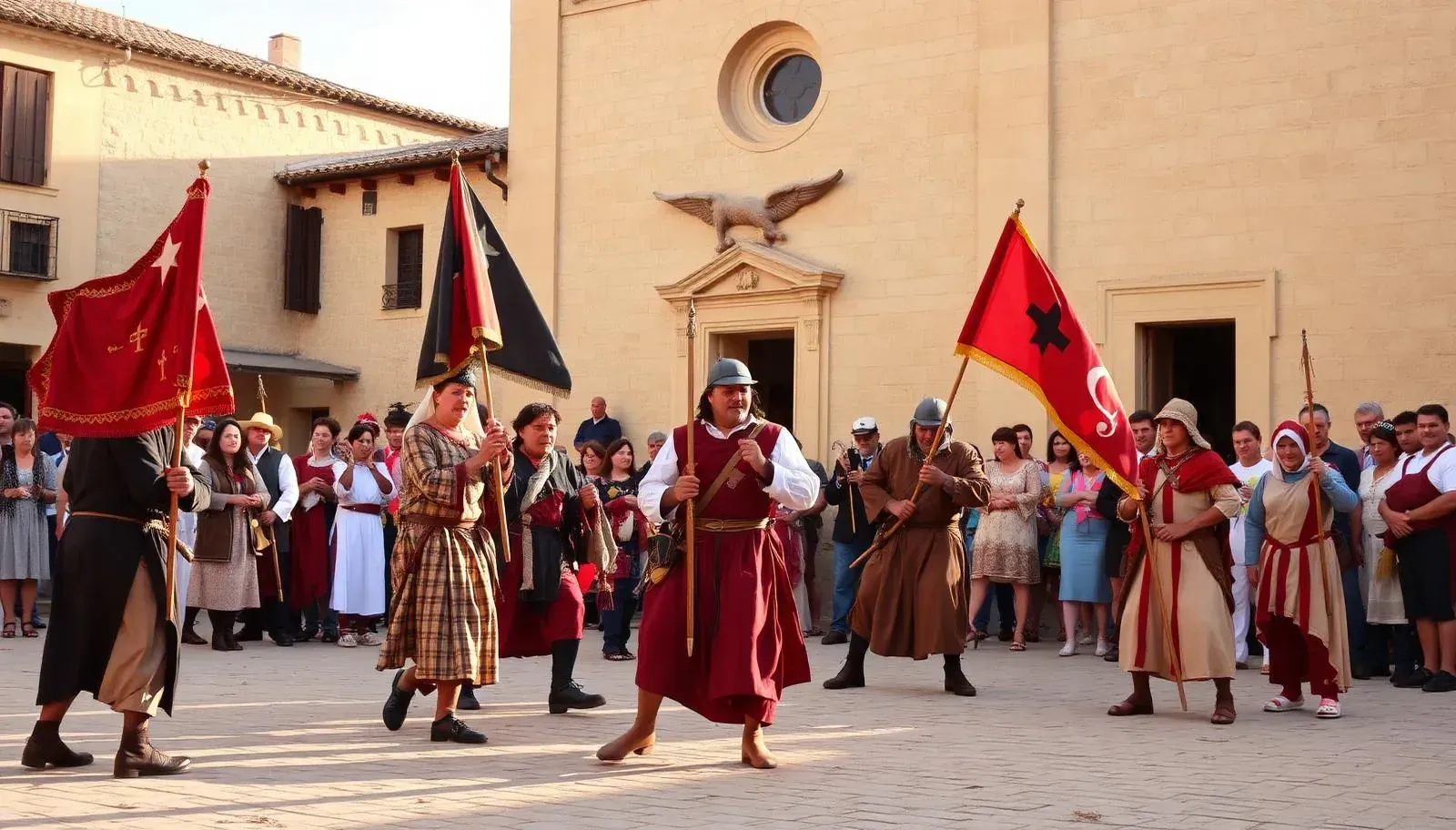
Moros i Cristians
Four towns, one story: the defence against Moorish corsairs as street theatre with hundreds of performers.
-
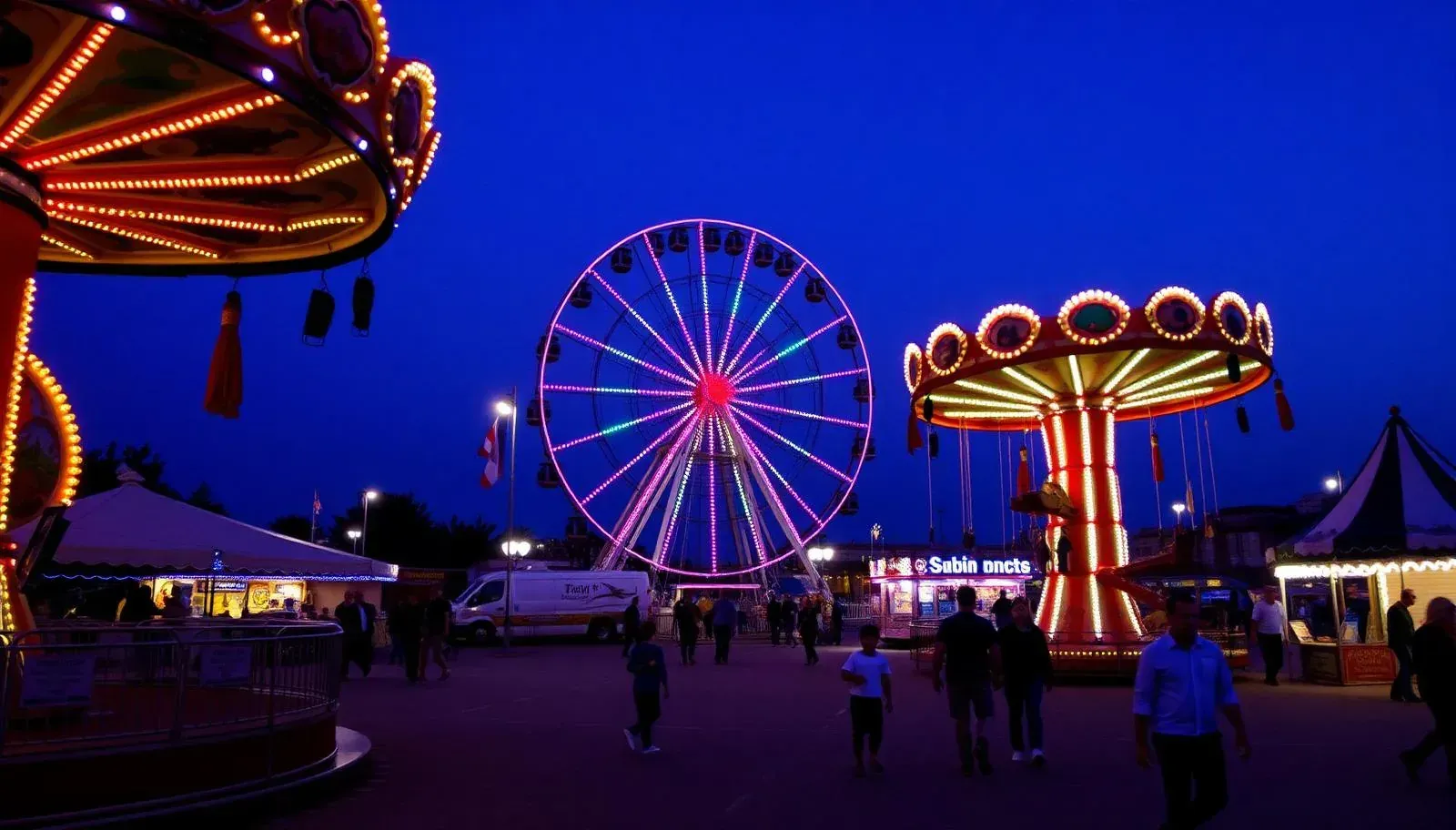
Fira del Ram
From the end of February into April, a large funfair sets up on the edge of Palma.
-
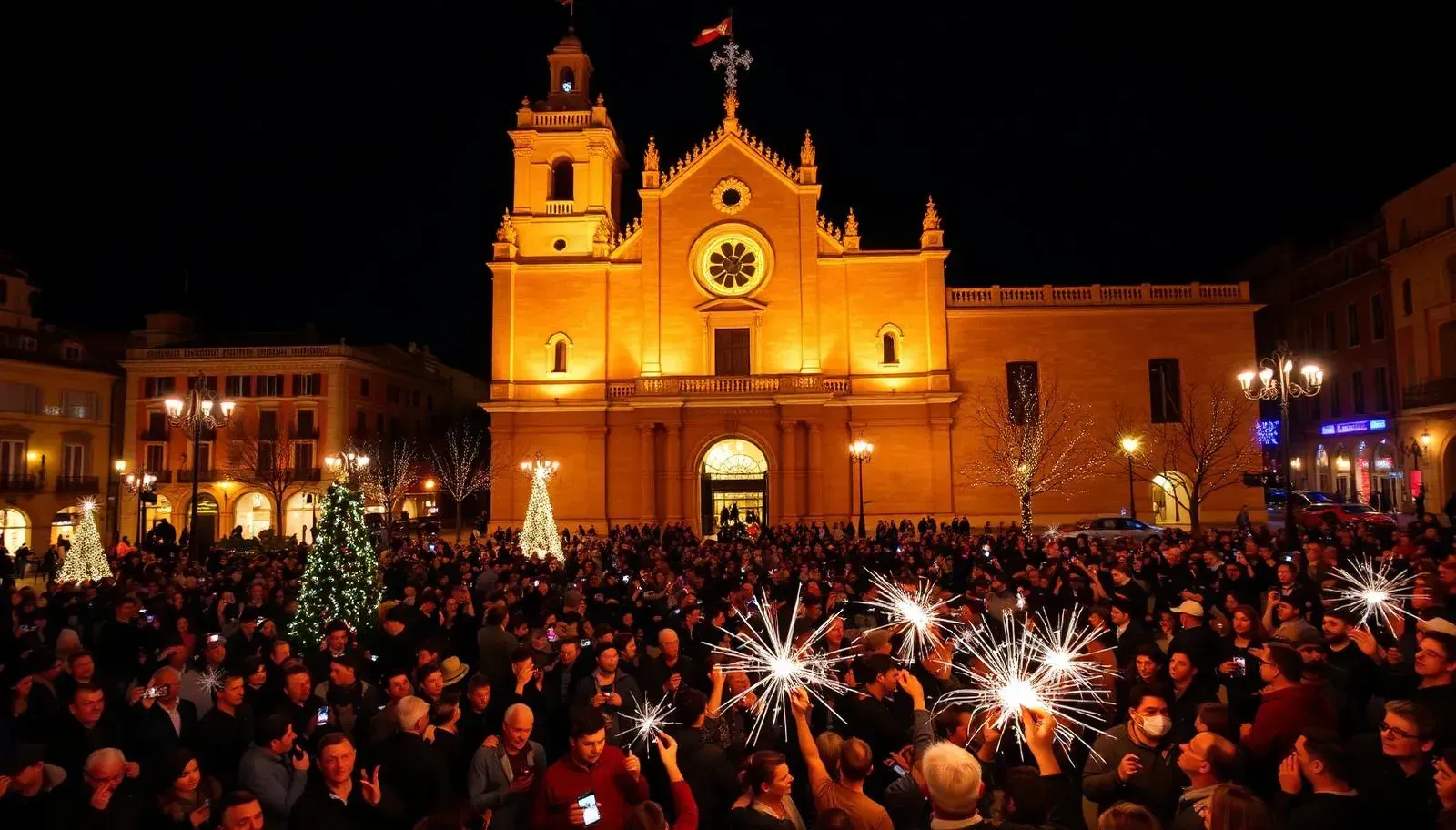
New Year’s Eve in Mallorca
Twelve chimes, twelve grapes – and then a night that Palma spends out on the streets.
Frequently asked questions
Is Sant Antoni dangerous?
The correfoc uses real fireworks close to the ground. With closed shoes, long-sleeved cotton clothing and some distance from the front of the dimonis, a visit is unproblematic. If you are sensitive to noise, stay at the edge.
Is there an admission charge for Sant Antoni?
No. All parts of the festival take place in public spaces and are free. You only pay for food and drink at the stalls.
How is it different from Sant Sebastià?
Sant Antoni is a village festival with fire and tradition; Sant Sebastià is Palma’s city festival with free concert stages. Both are in January and can be combined in one trip.
When exactly is Sant Antoni?
On the night from 16 to 17 January. The date does not change; only the detailed programme of the municipalities changes every year.
Next steps
This page belongs to the topic area Festivals & Events and can be found at /en-gb/feste-veranstaltungen/sant-antoni.
Image credits: Flags on the Plaça in Sóller during the Firó: Photo Joan Gené, CC0, via Wikimedia Commons