


Festivals & Events
Moros i Cristians in Mallorca: the island’s corsair festivals
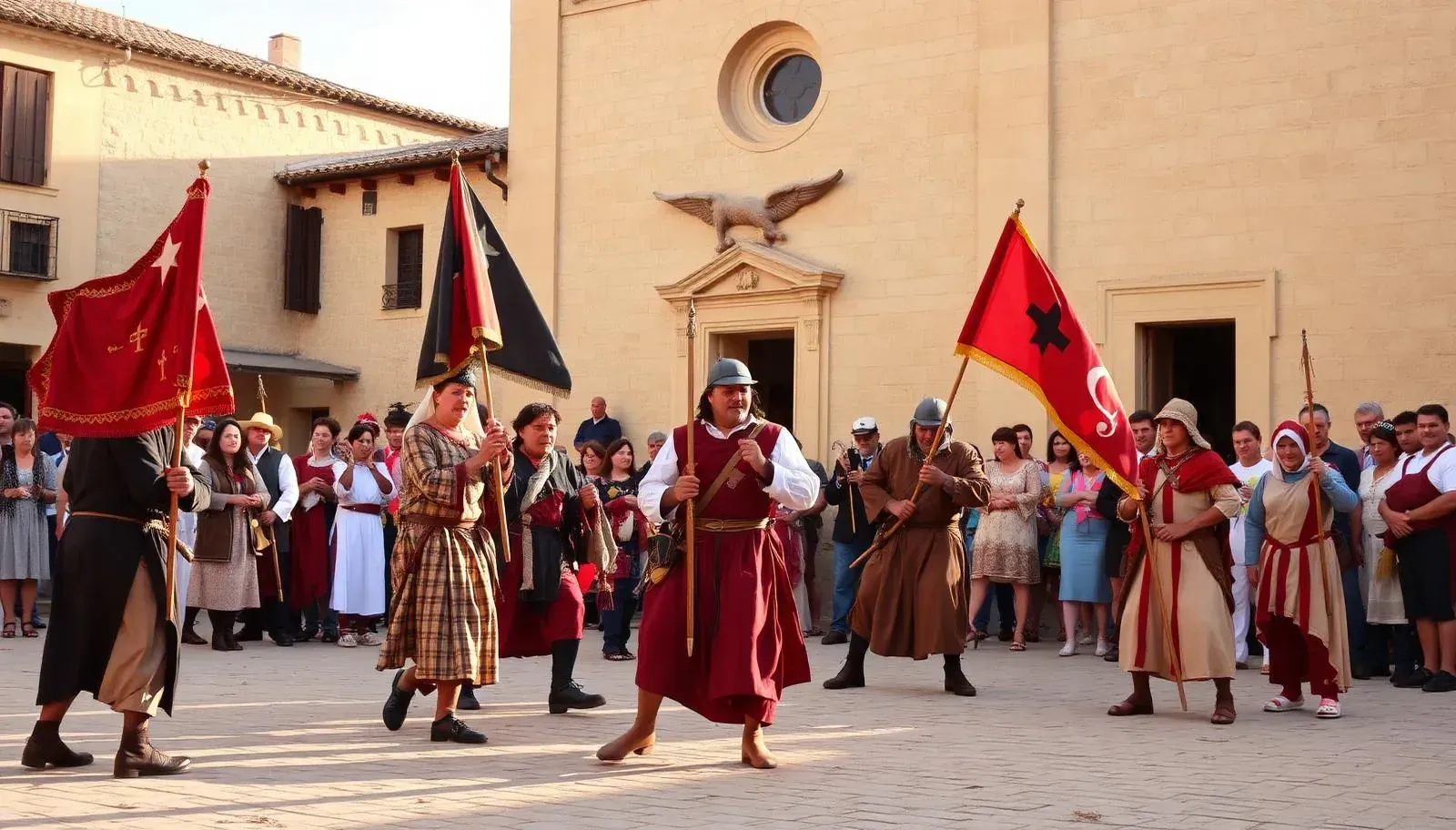
Four towns, one story: the defence against Moorish corsairs as street theatre with hundreds of performers.
The festivals tell the story of the defence against 16th-century corsair attacks as street theatre.
Quick answer
What can visitors expect at Moros i Cristians?
Moros i Cristians are festivals at which Mallorcan towns re-enact historical clashes with Moorish corsairs. The four most important versions are Es Firó in Sóller (May), the Simulacro of the Festa de la Patrona in Pollença (2 August), Sant Elm (early August) and the celebration in Santa Ponsa (September). All are free and take place in public spaces.
Dates vary by town May August September
Quick facts
- When
- May, August and September – depending on the town
- Where
- Sóller, Pollença, Sant Elm and Santa Ponsa
- Duration
- Main programme several hours, supporting programme usually all day
- Admission
- free
- Audience
- Culture lovers, families, photographers
- Special feature
- Re-enacted landing and street battle with hundreds of costumed performers
- Date rule
- Es Firó: Monday after the second Sunday in May in Sóller. Pollença: 2 August. Sant Elm: early August. Santa Ponsa: around 12 September.
Note on currency
This information is updated before each season, in particular the exact dates and the daily programmes of the municipalities.
Location: Sóller, Pollença, Sant Elm and Santa Ponsa.
What are Moros i Cristians festivals?
Moros i Cristians (“Moors and Christians”) is a type of festival found throughout the Spanish Mediterranean. It re-enacts the conflict between Christian townspeople and Moorish corsairs – in Mallorca usually relating to specific raids in the 16th century.
The festivals consist of three parts: a historical prelude or parade, the actual re-enactment of the landing and fighting, and a street party with music and food. It is played out in streets and squares, not on a stage – spectators stand right in the middle of the action.
All Mallorcan Moros i Cristians festivals are free. They are run by local associations; the roles are assigned within the town and kept for years.
Es Firó in Sóller – the largest re-enactment
Es Firó commemorates the 1561 raid on Sóller and its defence by the townspeople. It is the largest re-enactment on the island: the landing is played out in Port de Sóller, and the fighting then moves along the road into the centre of Sóller.
The date is the Monday after the second Sunday in May, closing the Fira de Sóller (2026: 11 May). The town is packed that day and access roads are partly closed; travelling by train from Palma or by the tram between Sóller and the harbour is the most relaxed option.
The Simulacro in Pollença
In Pollença, the re-enactment is part of the Festa de la Patrona on 2 August. It commemorates the attack by the corsair Dragut in 1550 and the defence under Joan Mas. The cry “Mare de Déu dels Àngels, assistiu-nos!” (Our Lady of the Angels, help us!) opens the battle, which then moves through the old-town lanes to the Plaça Major.
The action is tighter and faster than in Sóller because the lanes are narrow. If you want to watch, find a spot along the route early and wear sturdy shoes.
Sant Elm and Santa Ponsa
Sant Elm in the west holds a smaller re-enactment with a landing on the beach in early August – much more manageable and family-friendly than Sóller.
Santa Ponsa in the south-west celebrates the landing of Jaume I’s troops in 1229 around 12 September. The festival therefore refers to the Christian conquest of the island, not to the defence against corsairs, but it belongs to the same family of festivals.
The four festivals compared
If you want to see the biggest spectacle, go to Sóller. For a dense old-town atmosphere, go to Pollença. If you like it quiet and family-friendly, go to Sant Elm. If you want to see the historical landing of 1229, go to Santa Ponsa.
- Es Firó Sóller · May · very large · harbour and town centre · very crowded
- Simulacro Pollença · 2 August · large · old-town lanes and Plaça Major · crowded and cramped
- Sant Elm · early August · small · beach and seafront promenade · family-friendly
- Santa Ponsa · mid-September · medium · beach and cross monument · easily accessible
Tips for your visit
- Arrive early and find your spot along the route before it starts.
- Go to Sóller by train or tram instead of by car.
- The performers make themselves up with soot and paint – keep your distance if you want to protect light-coloured clothes.
- Black powder is fired: the festivals are loud for small children and dogs.
- Restaurants are fully booked on festival days – book in advance or rely on street food.
Who is it worth it for?
A good fit for:
- Culture lovers
- Photographers
- Anyone looking for Mallorcan town life rather than a tourist programme
Less suitable for:
- Anyone who wants to avoid noise and crowds
- Families with very young children (black powder, crowds)
Similar dates
More festivals & events
-
Sant Antoni
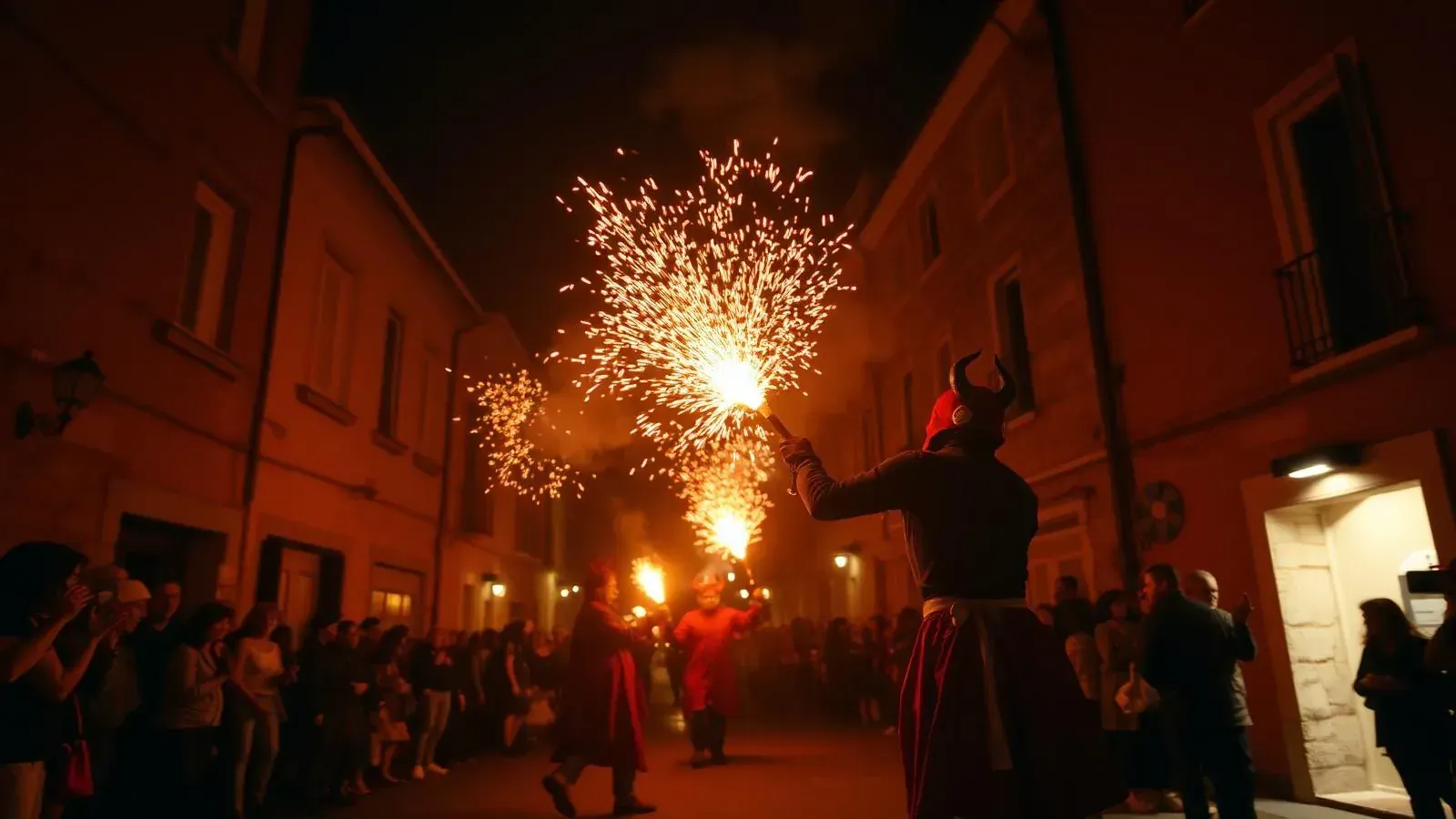
Showers of sparks in narrow lanes, devils with torches, sausages over open fires – Sant Antoni is one of the most traditional festivals of the Mallorcan winter.
-
Sant Sebastià
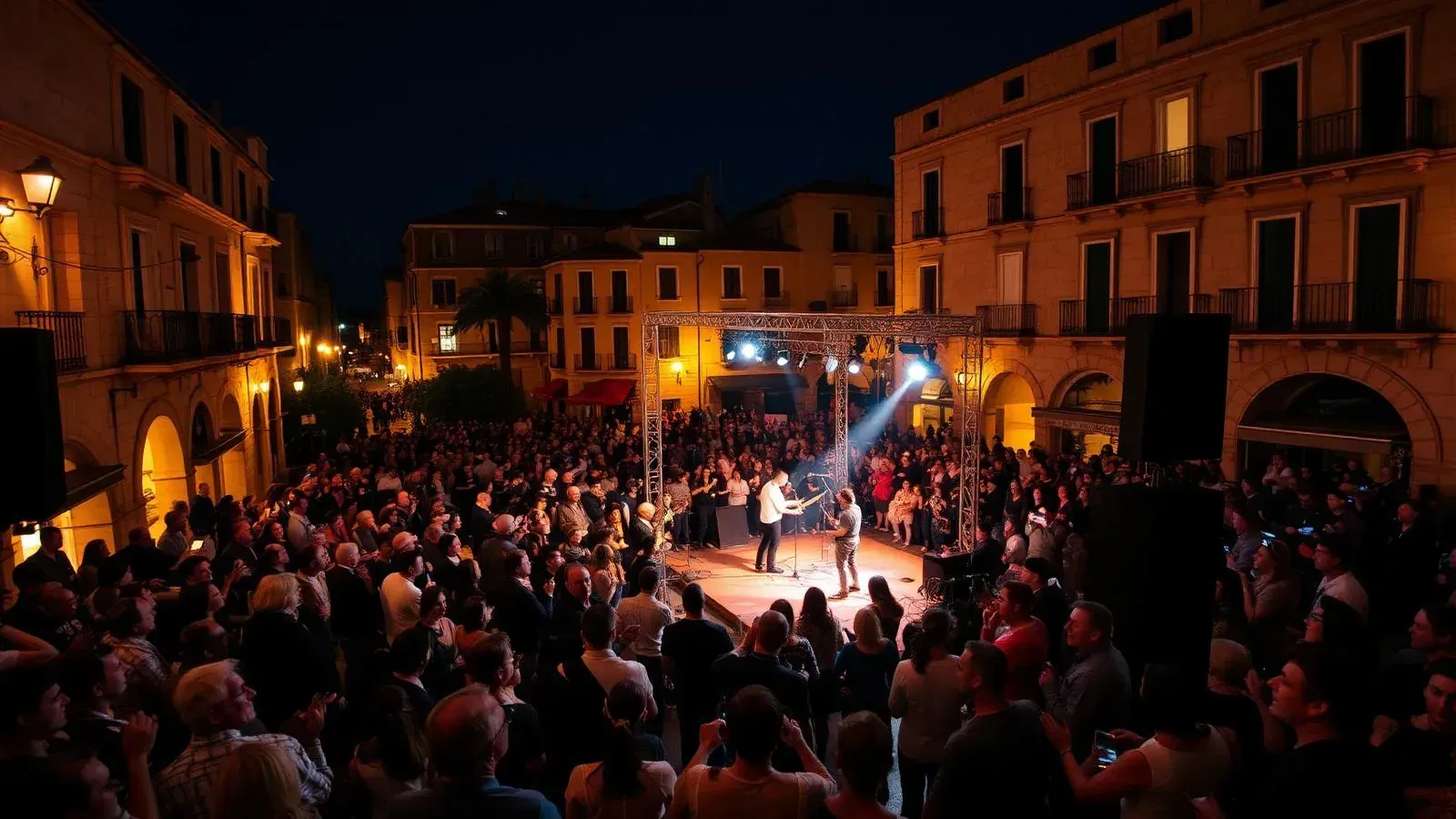
Several stages, one old town, one night: Palma celebrates its patron saint with free live music on almost every larger square.
-
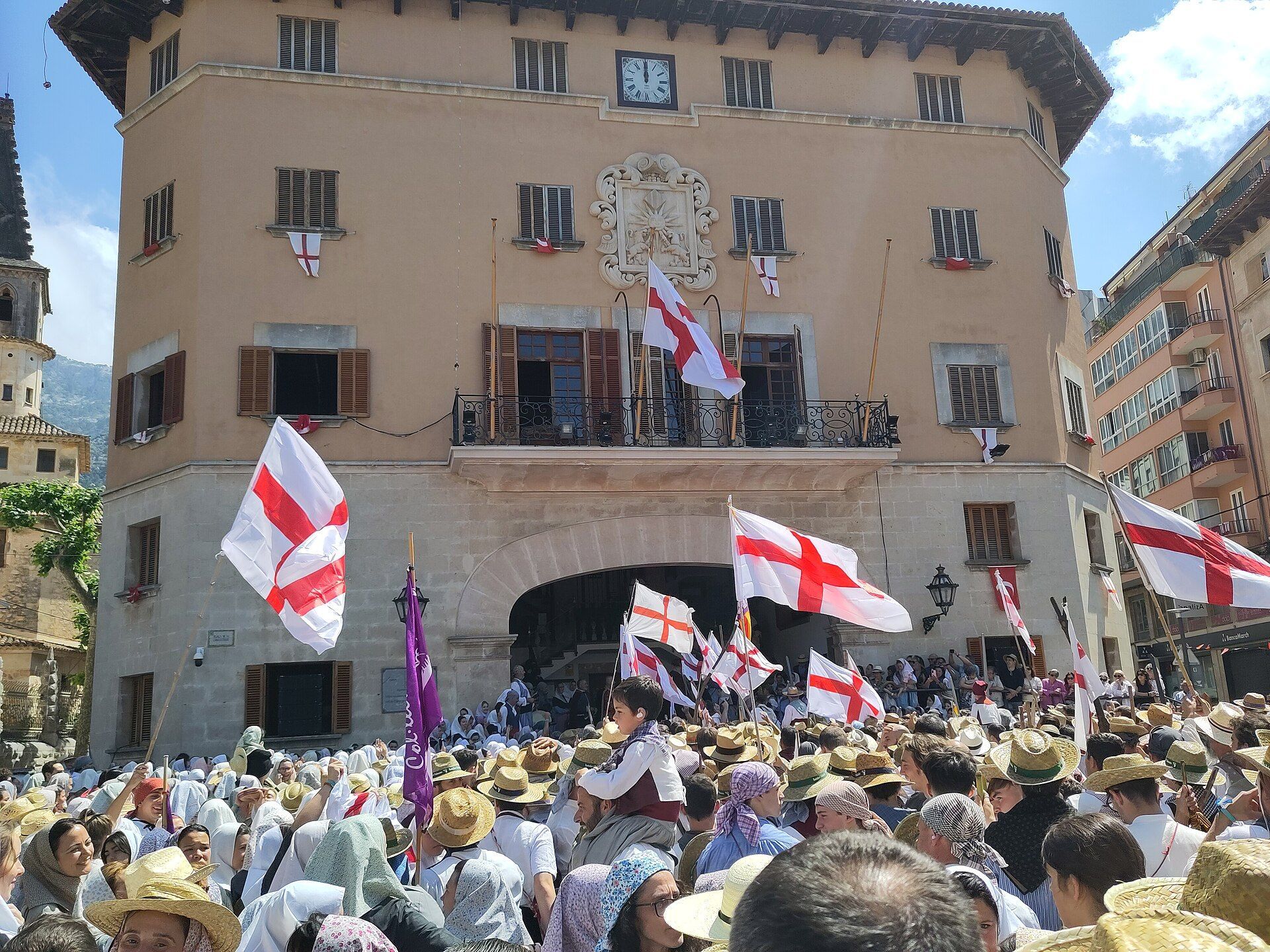
Es Firó
Gunpowder smoke over the beach, pirates storming out of the sea – once a year Sóller re-enacts the pirate attack of 1561.
-
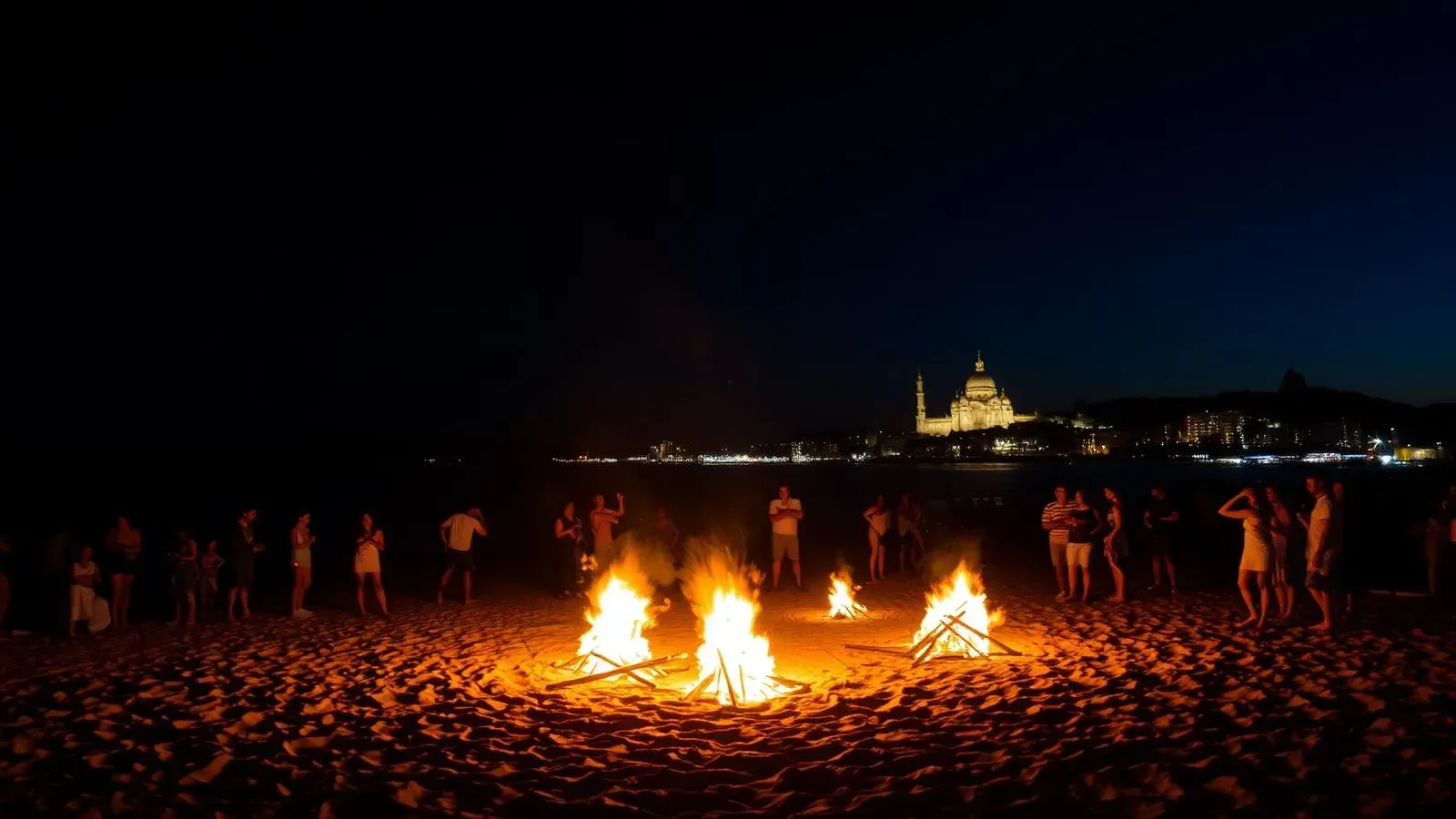
Nit de Sant Joan
Jumping over the fire, into the sea at midnight – in Mallorca the shortest night of the year is celebrated on the beach.
-
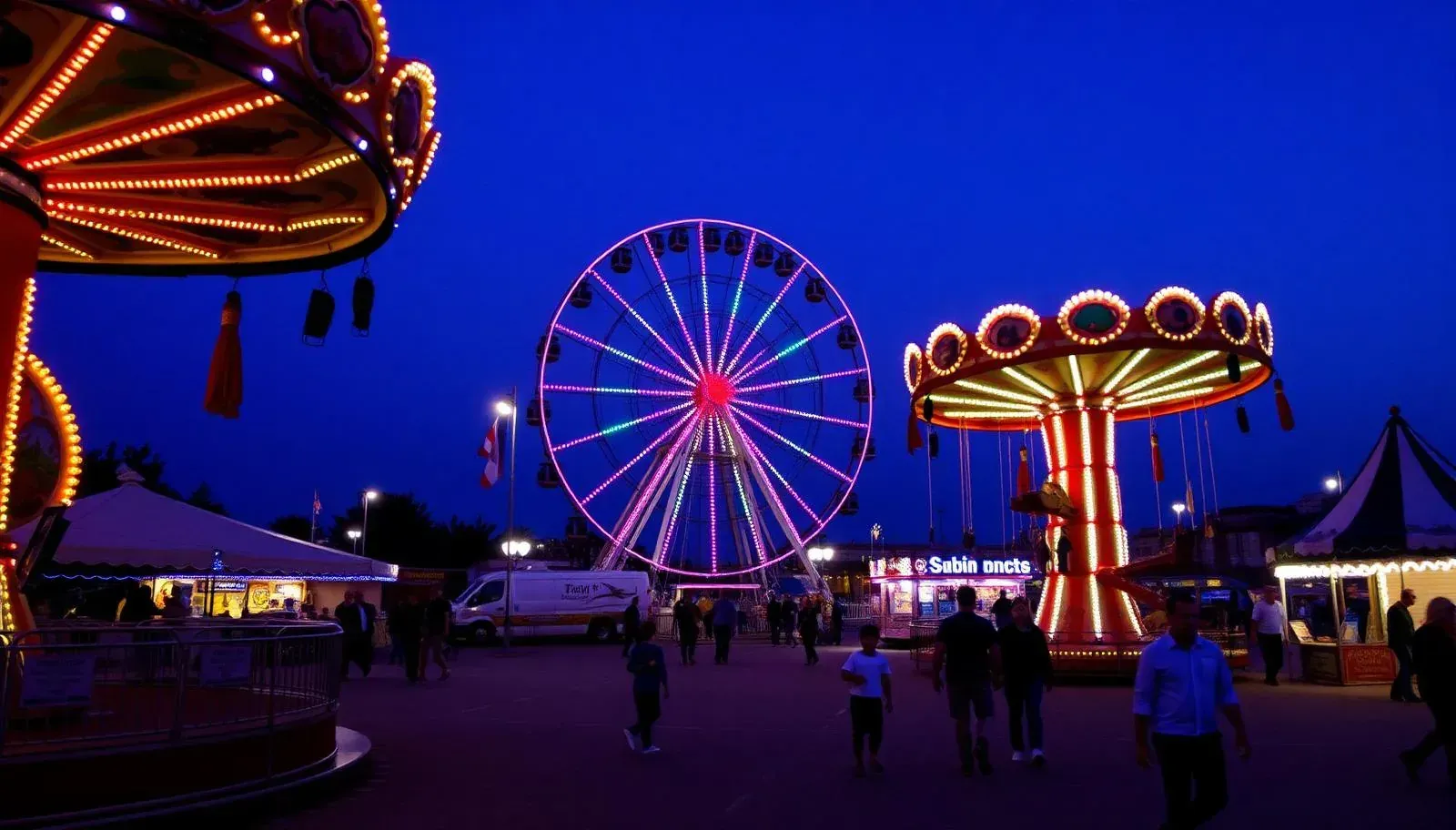
Fira del Ram
From the end of February into April, a large funfair sets up on the edge of Palma.
-
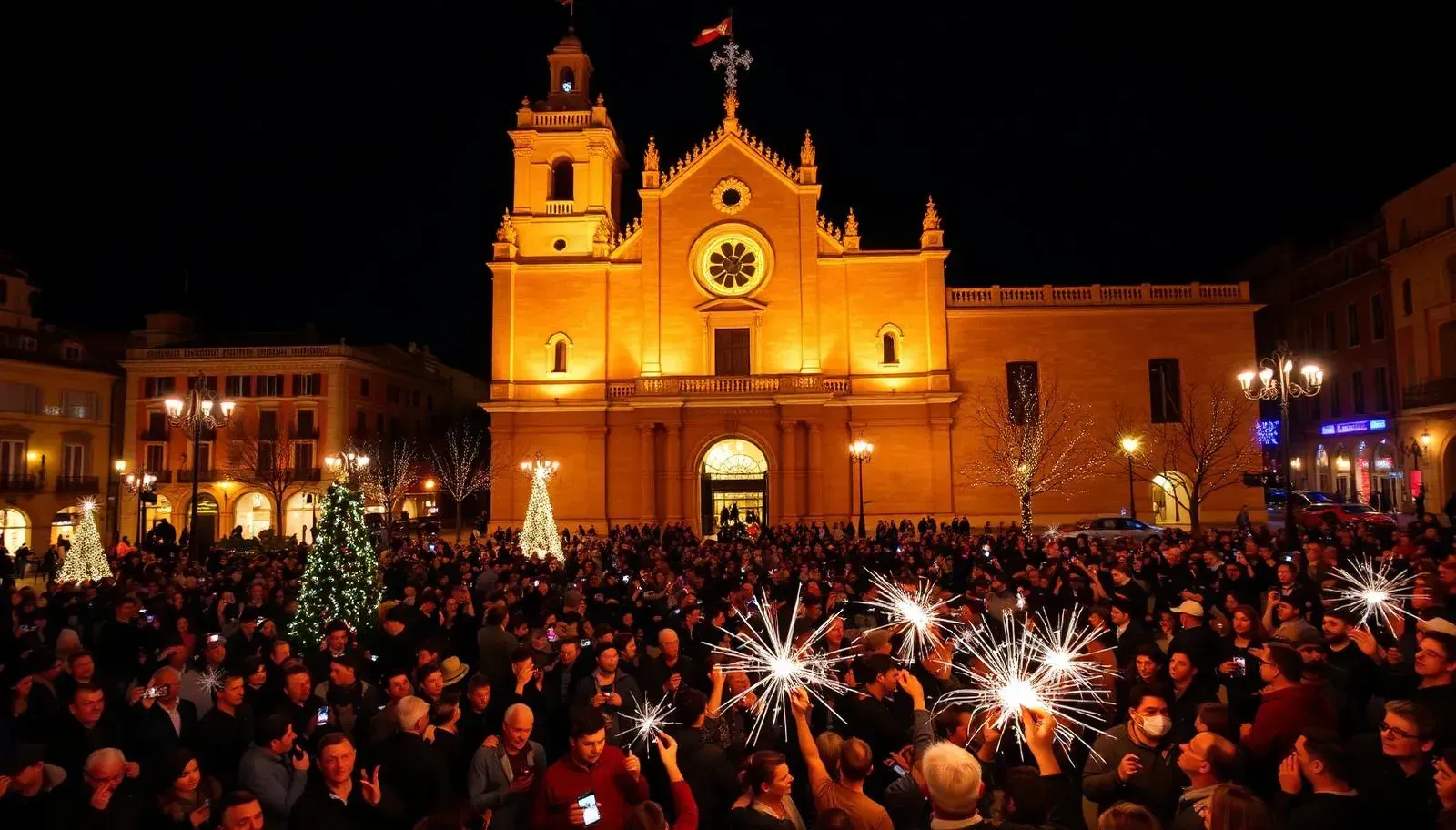
New Year’s Eve in Mallorca
Twelve chimes, twelve grapes – and then a night that Palma spends out on the streets.
Frequently asked questions
What does Moros i Cristians mean?
Catalan for “Moors and Christians”. It refers to a type of festival in which historical clashes between townspeople and Moorish corsairs are re-enacted as street theatre.
Which is the largest Moros i Cristians festival in Mallorca?
Es Firó in Sóller on the Monday after the second Sunday in May, with a landing in Port de Sóller and fighting into the town centre.
Is there an admission charge?
No. All re-enactments take place in public spaces and are free to attend.
Are the festivals suitable for children?
Older children yes, small children only to a limited extent: black powder is fired, and it is very crowded in Sóller and Pollença. Sant Elm is the quieter alternative.
Next steps
This page belongs to the topic area Festivals & Events and can be found at /en-gb/feste-veranstaltungen/moros-i-cristians-mallorca.
Image credits: Flags on the Plaça in Sóller during the Firó: Photo Joan Gené, CC0, via Wikimedia Commons