


Church Festivals & Traditions
Church festivals and religious traditions on Mallorca
From the Descent from the Cross in Pollença and the beds of the Virgin in August to the Song of the Sibyl on Christmas Eve: Mallorca’s religious year is public, free and older than tourism.
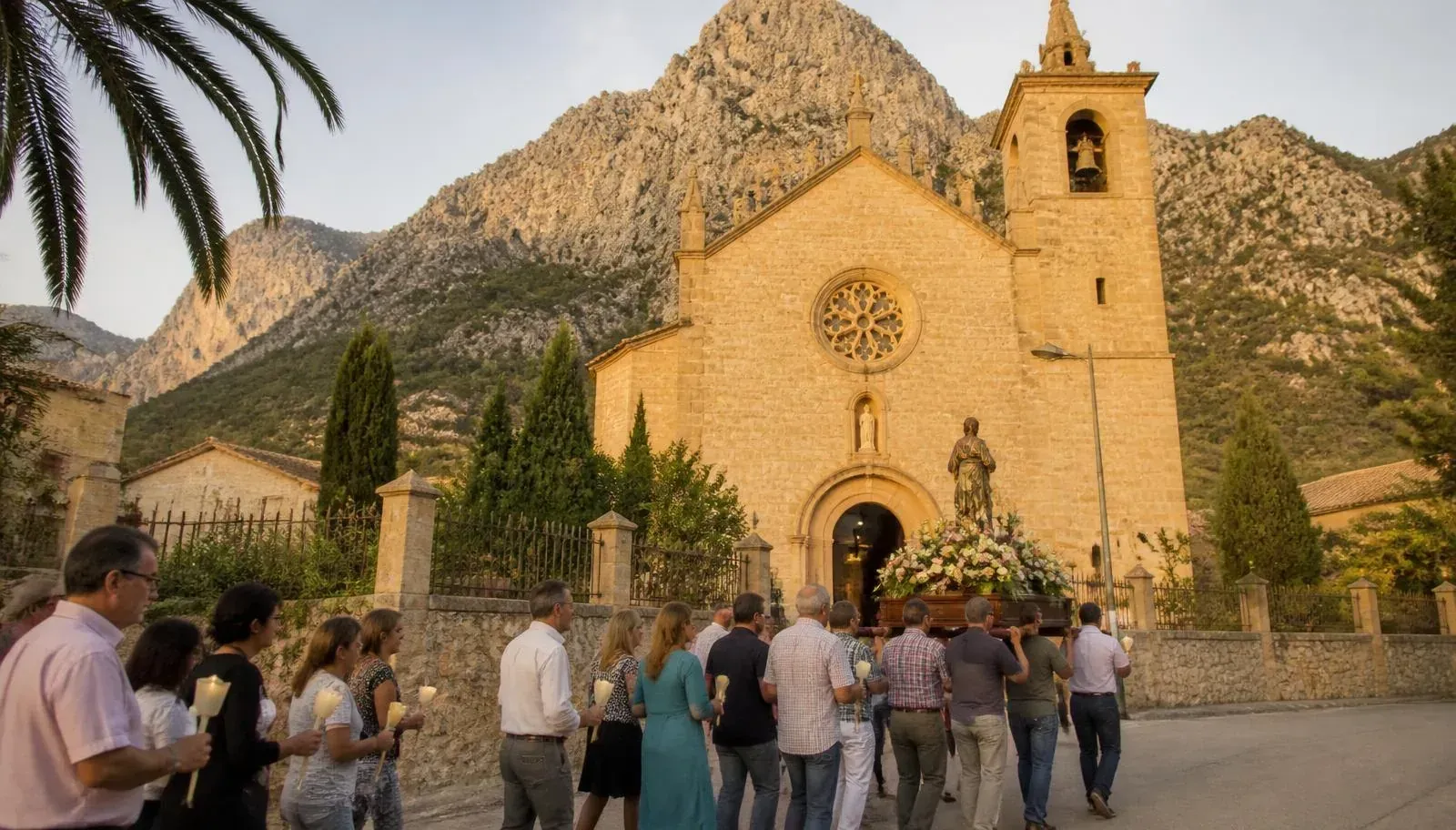
Almost every municipality on Mallorca carries its patron saint’s statue through the town once a year.
In brief
What do church festivals & traditions on Mallorca have to offer?
On Mallorca, church festivals are not a niche topic – they set the rhythm of the year. They explain why the shops are closed on Good Friday, why a bed stands in 50 churches in August and why a sailing ship sails into Palma on 5 January. Almost all of it takes place in public spaces, costs nothing to attend and needs no registration. Movable dates depend on Easter and shift every year – we give them with the year.
Dates
All events at a glance
Dates are only given when they have been officially confirmed.
Easter
-
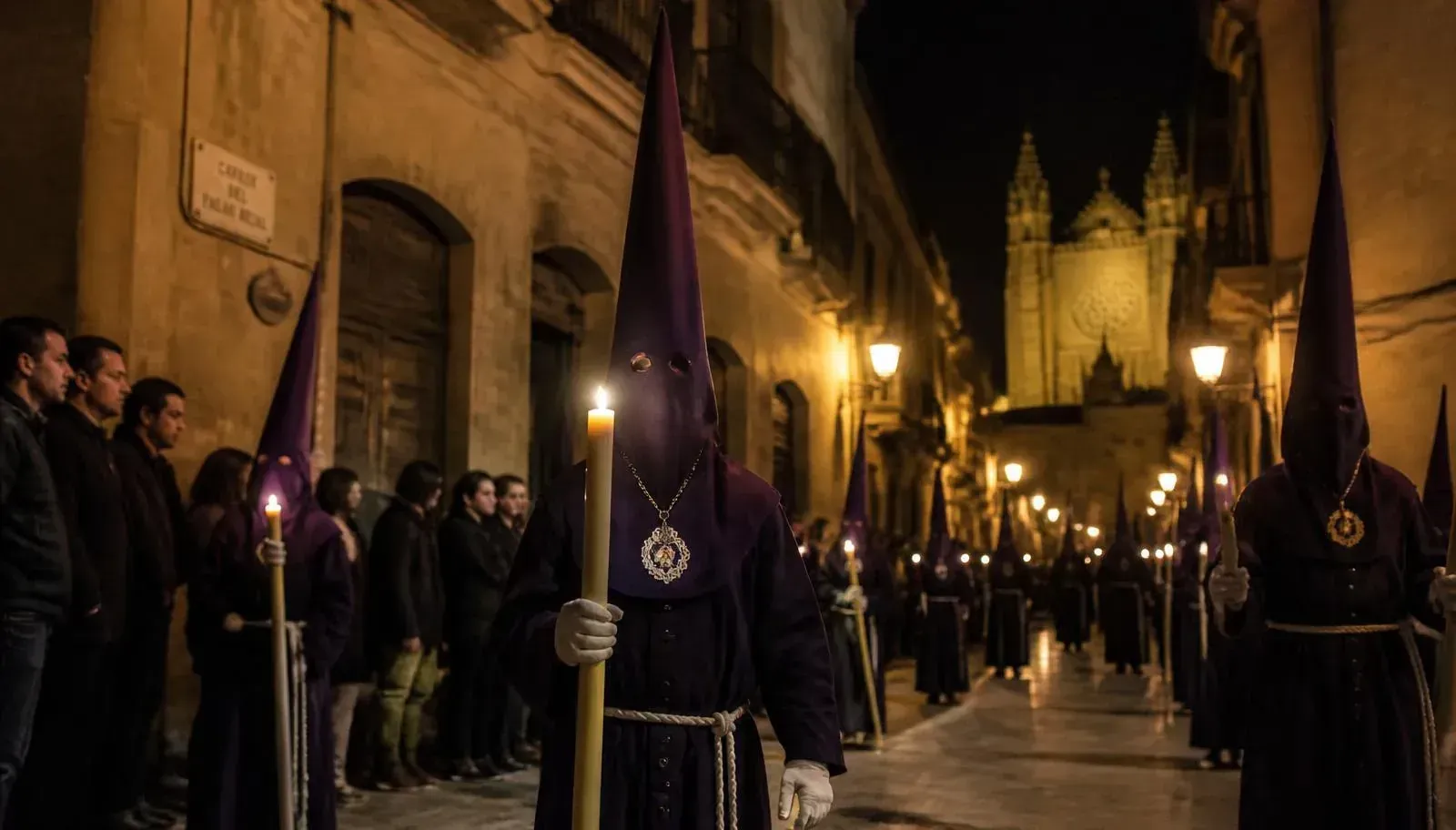
Easter on Mallorca
For a whole week, brotherhoods walk through the old towns with candles before trumpets and flowers herald spring on Easter Sunday.
-
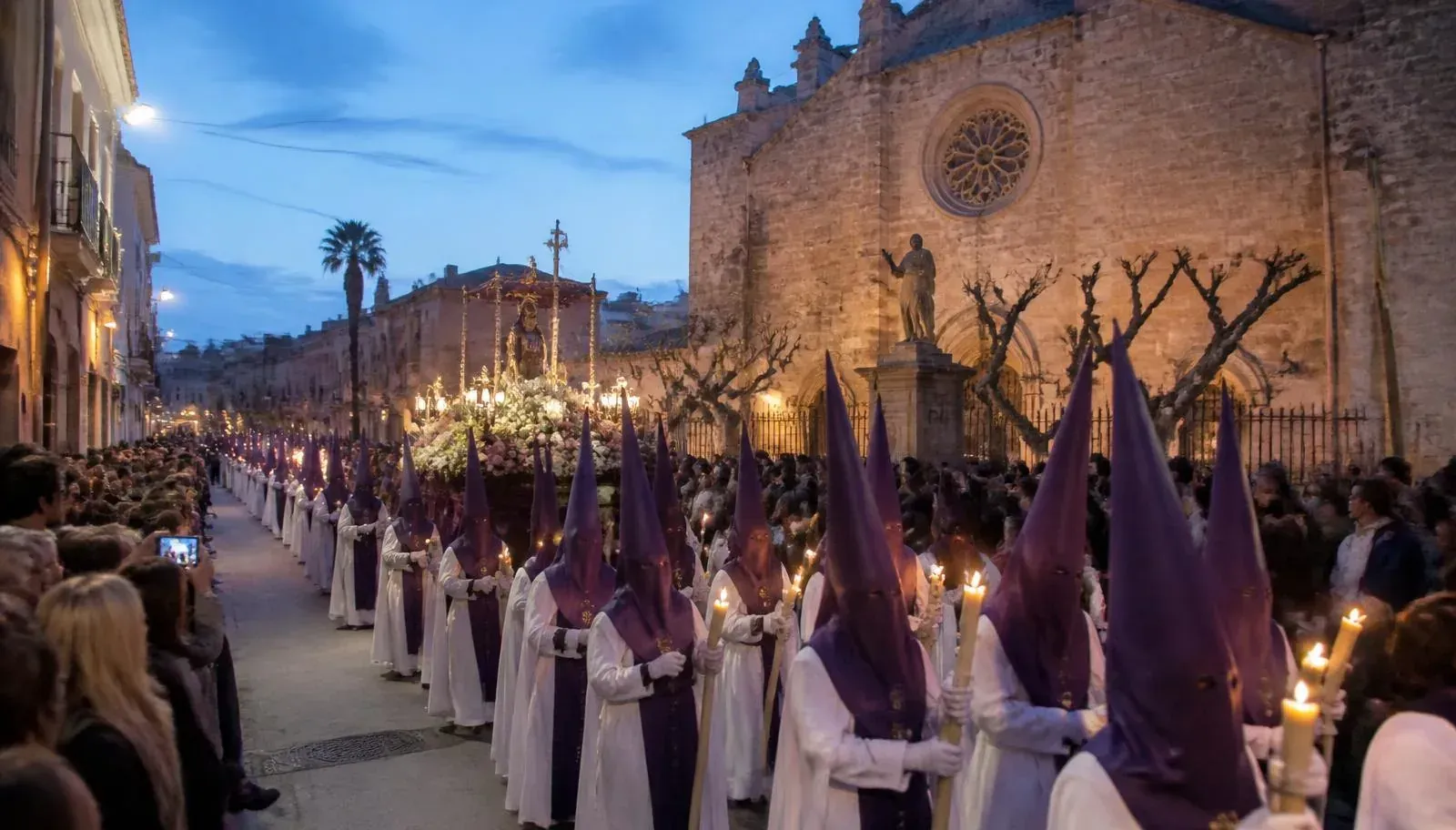
Semana Santa Mallorca
Seven days, seven different scenes: from the blessing of the palm fronds on Sunday morning to the meeting of the statues on Easter morning.
-
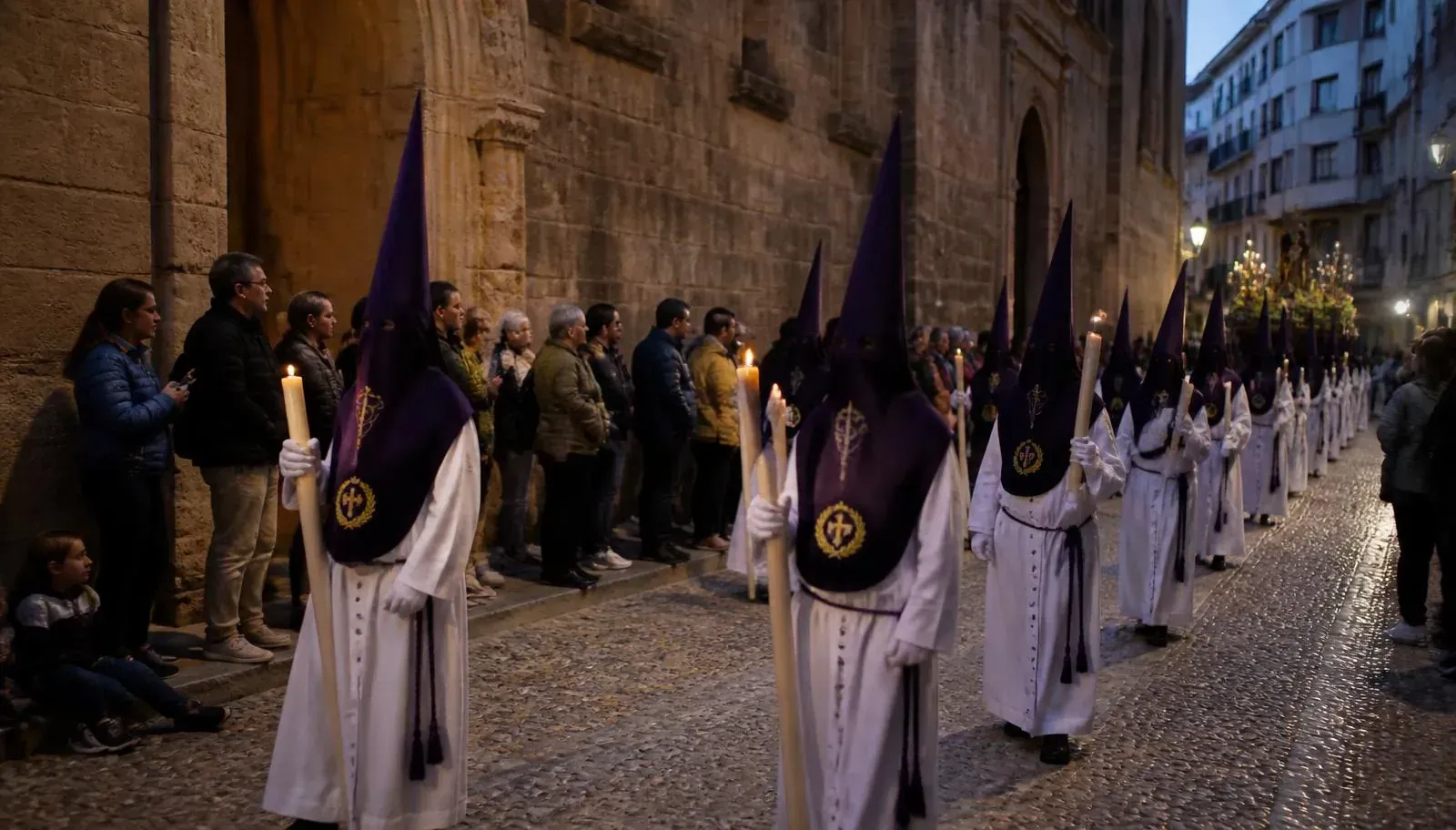
Good Friday on Mallorca
A quiet public holiday with closed shops during the day, processions in the evening.
-
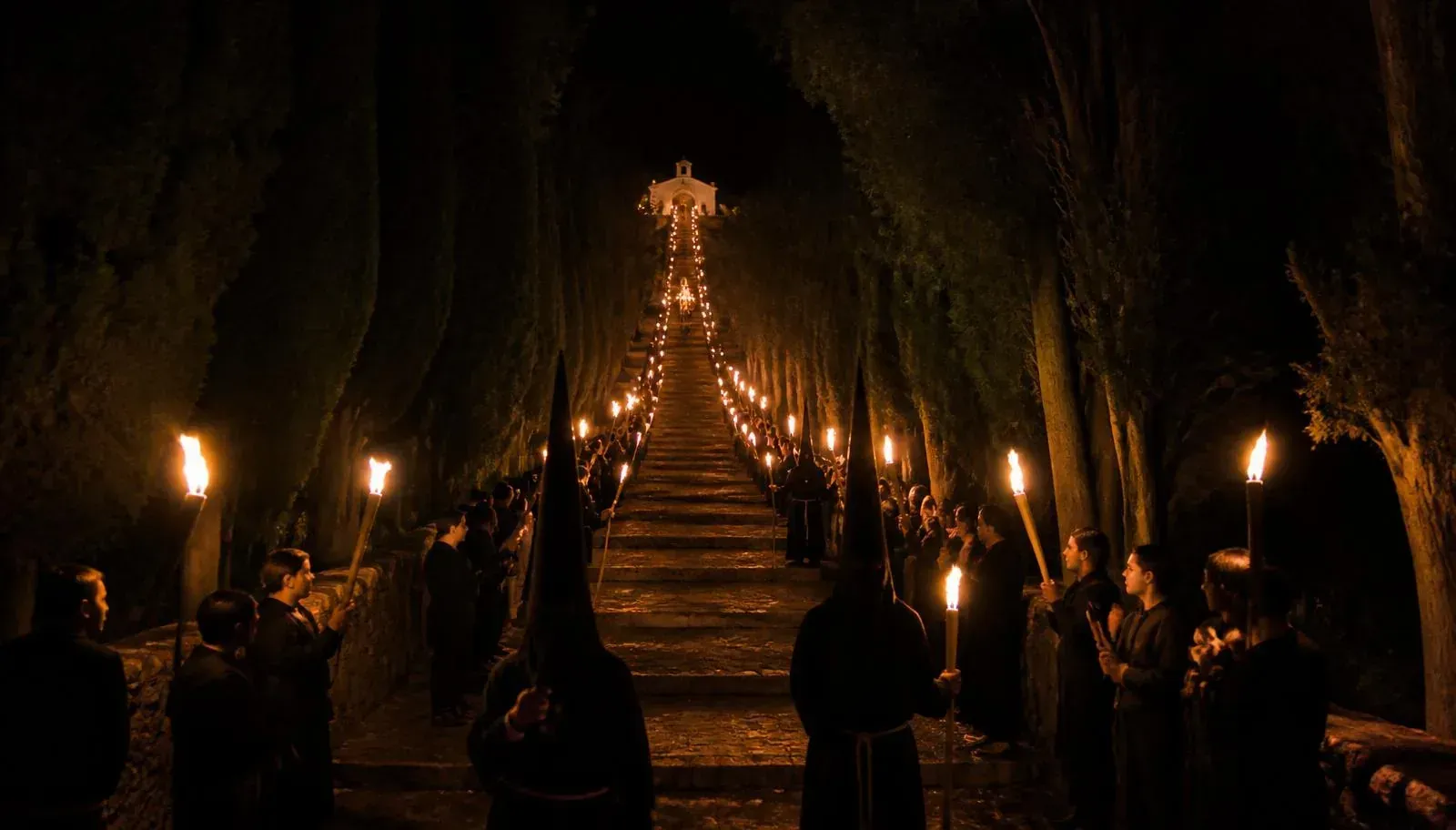
Devallament Pollença
The Descent from the Cross at the Calvari, followed by a torchlit procession down the steps.
-
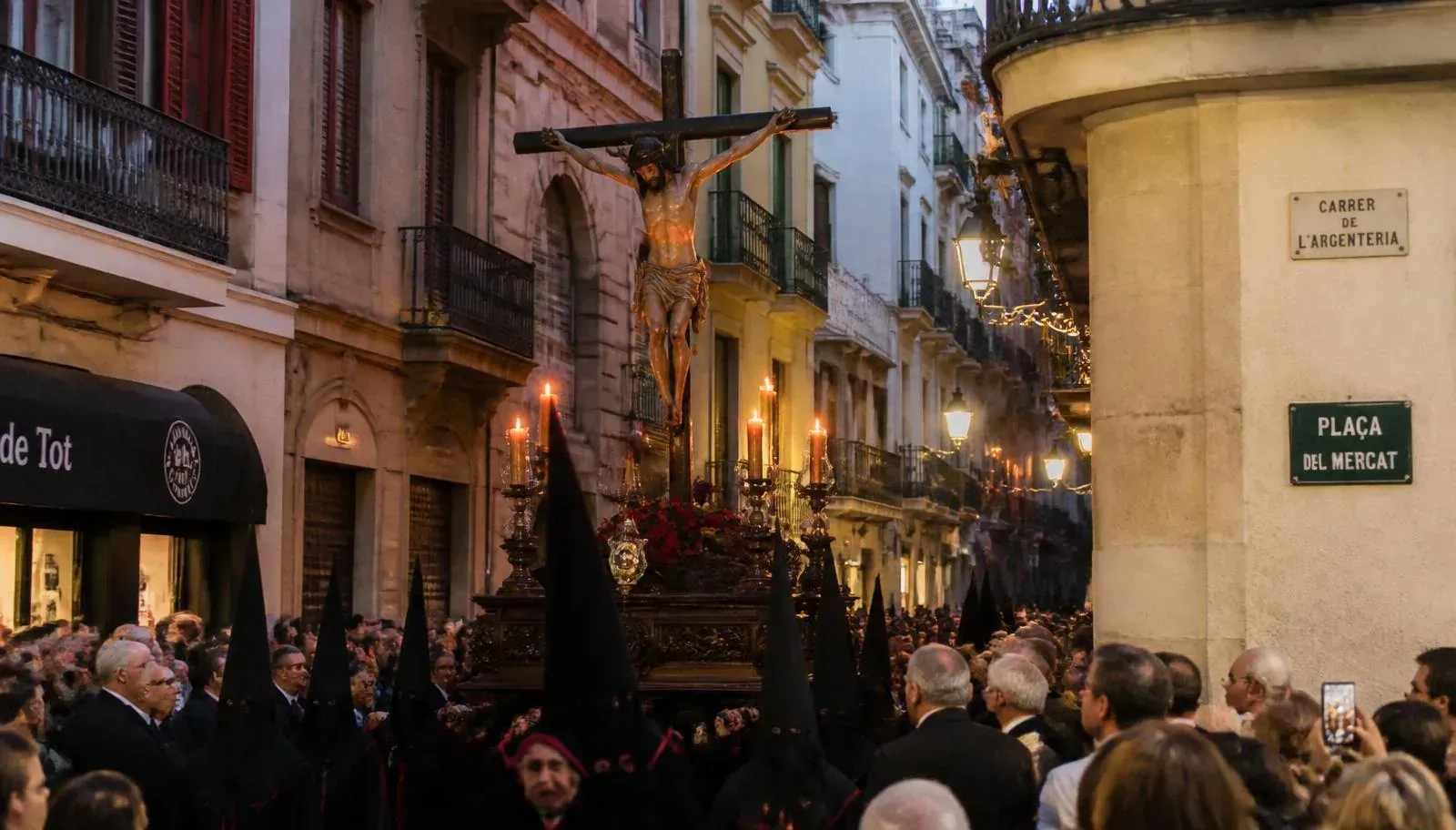
Easter processions in Palma
On Maundy Thursday, 33 brotherhoods with 45 pasos walk through the old town to the cathedral.
-
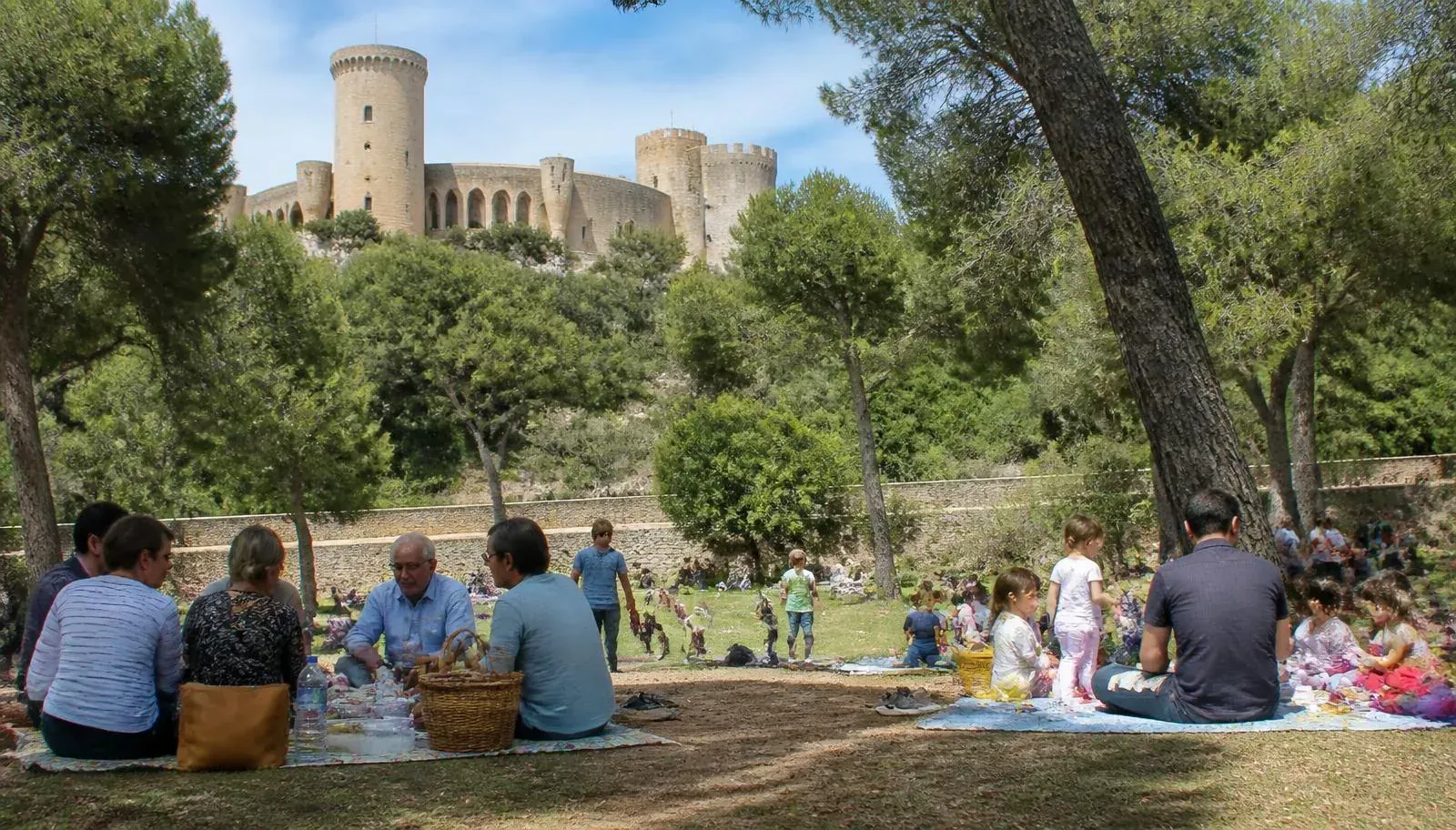
Pancaritats
On the Sunday after Easter, many Mallorcans head out into the countryside for a picnic – in Palma with music and dancing at the Diumenge de l'Àngel.
Feasts of the Virgin
-
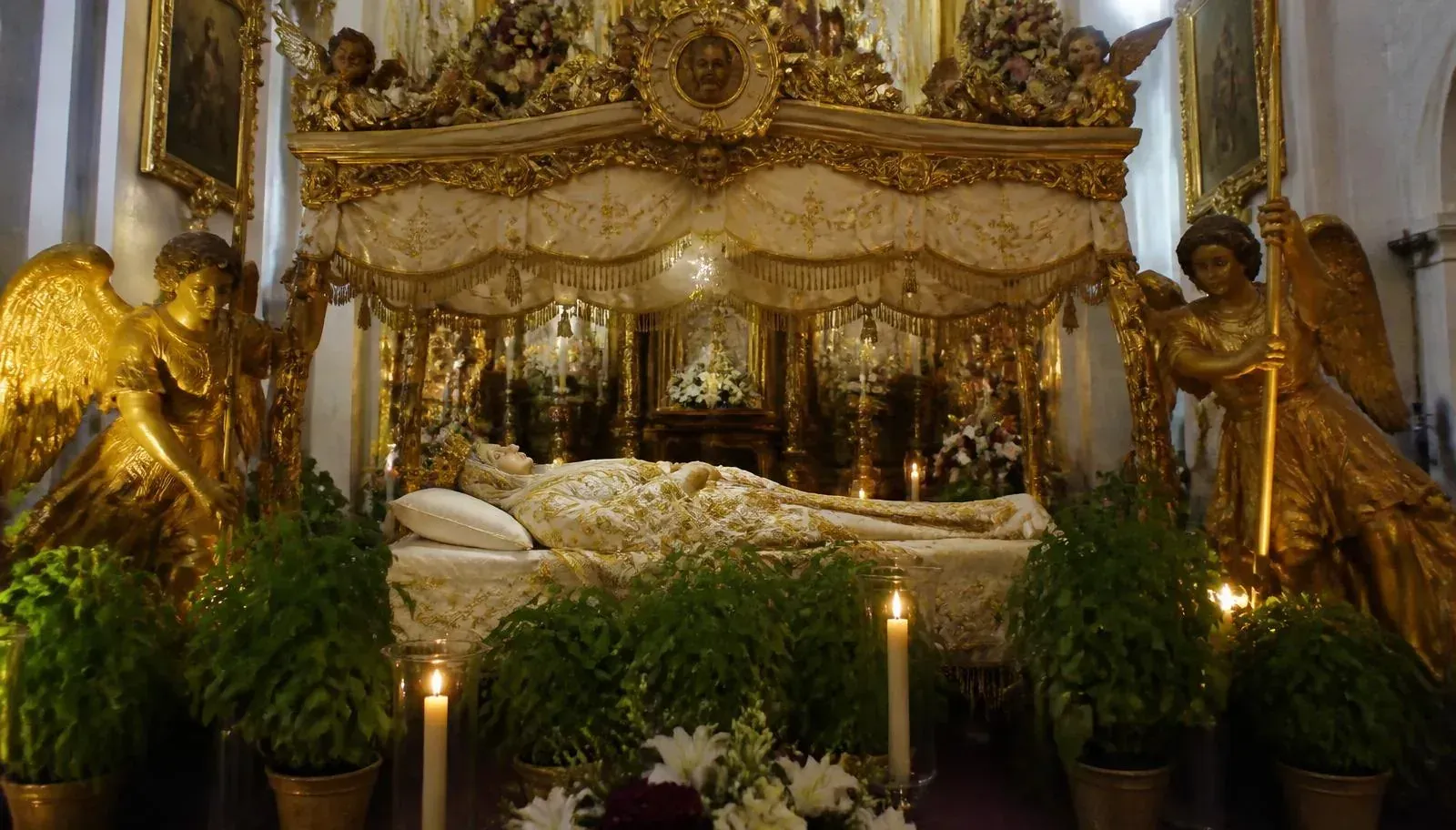
Assumption of Mary
For 15 August, a life-size statue of the Virgin lies on a baroque bed of flowers, basil and carved straw in around 50 churches.
-
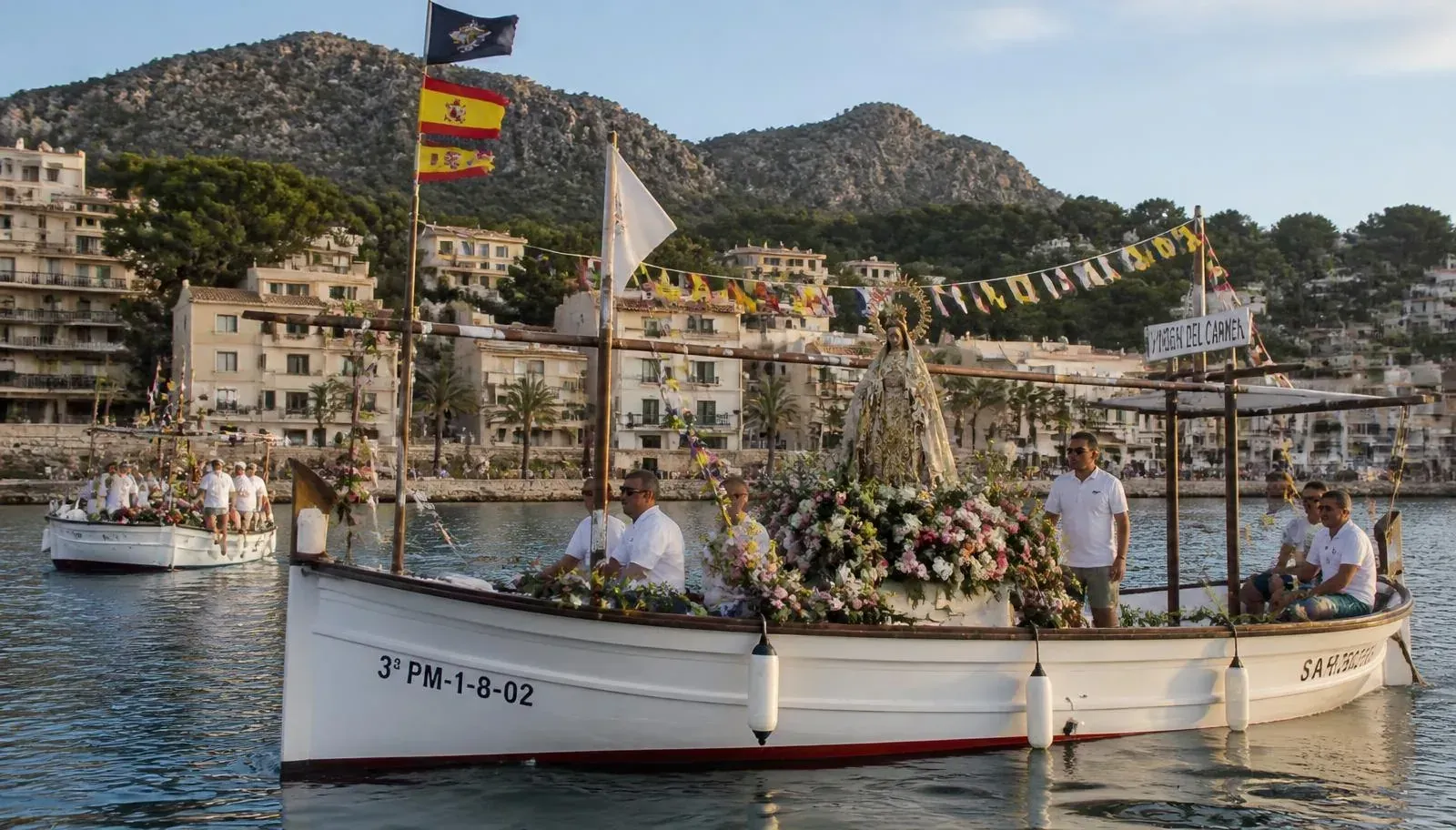
Virgen del Carme
Dozens of decorated fishing boats accompany the statue of the Virgin out to the open sea, while horn concerts and brass bands fill the harbour.
-
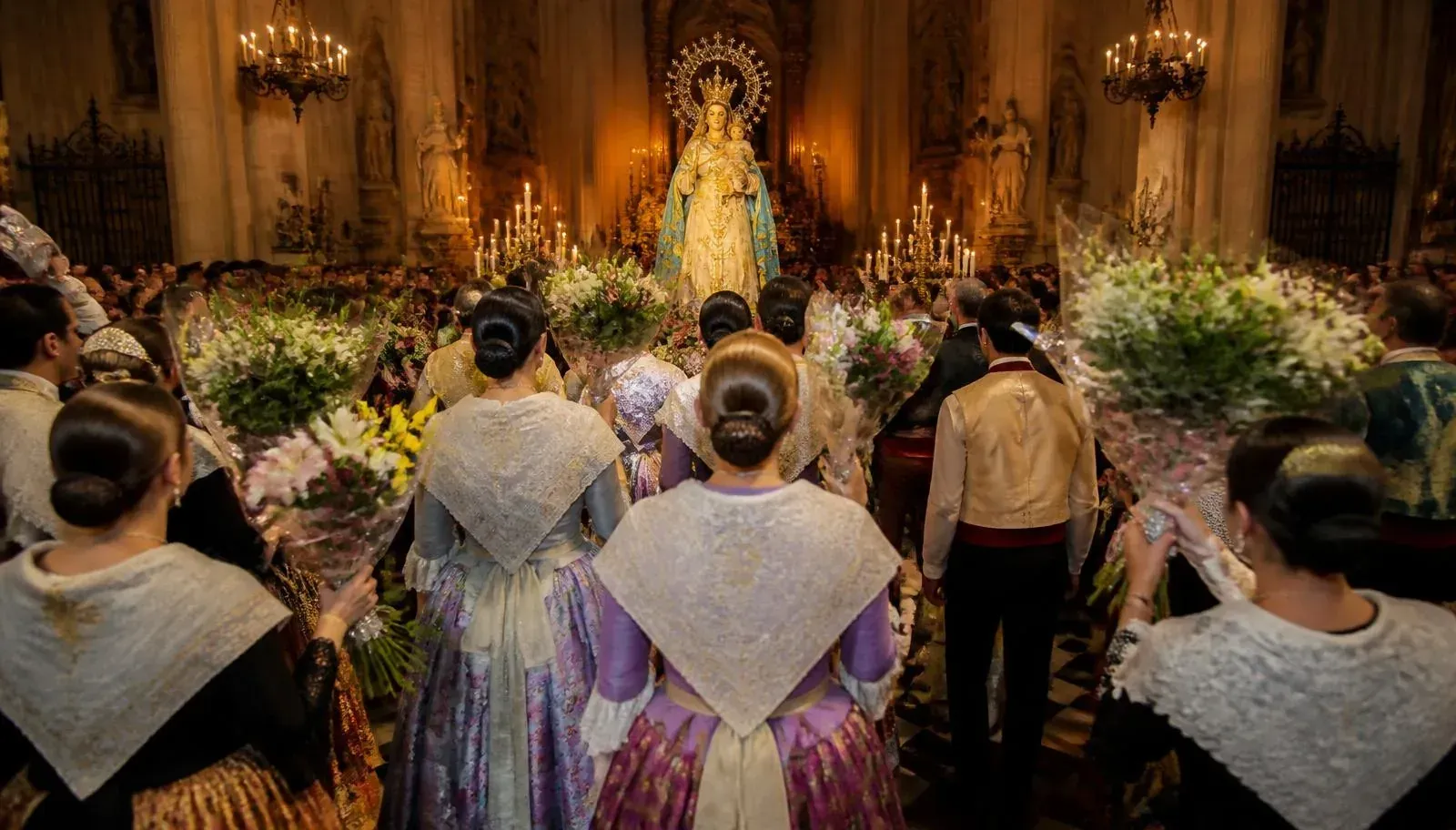
Mare de Déu de la Salut
During the flower offering, the façade of the church of Sant Miquel is decorated with flowers – a festival of the city.
Public holidays & customs
-
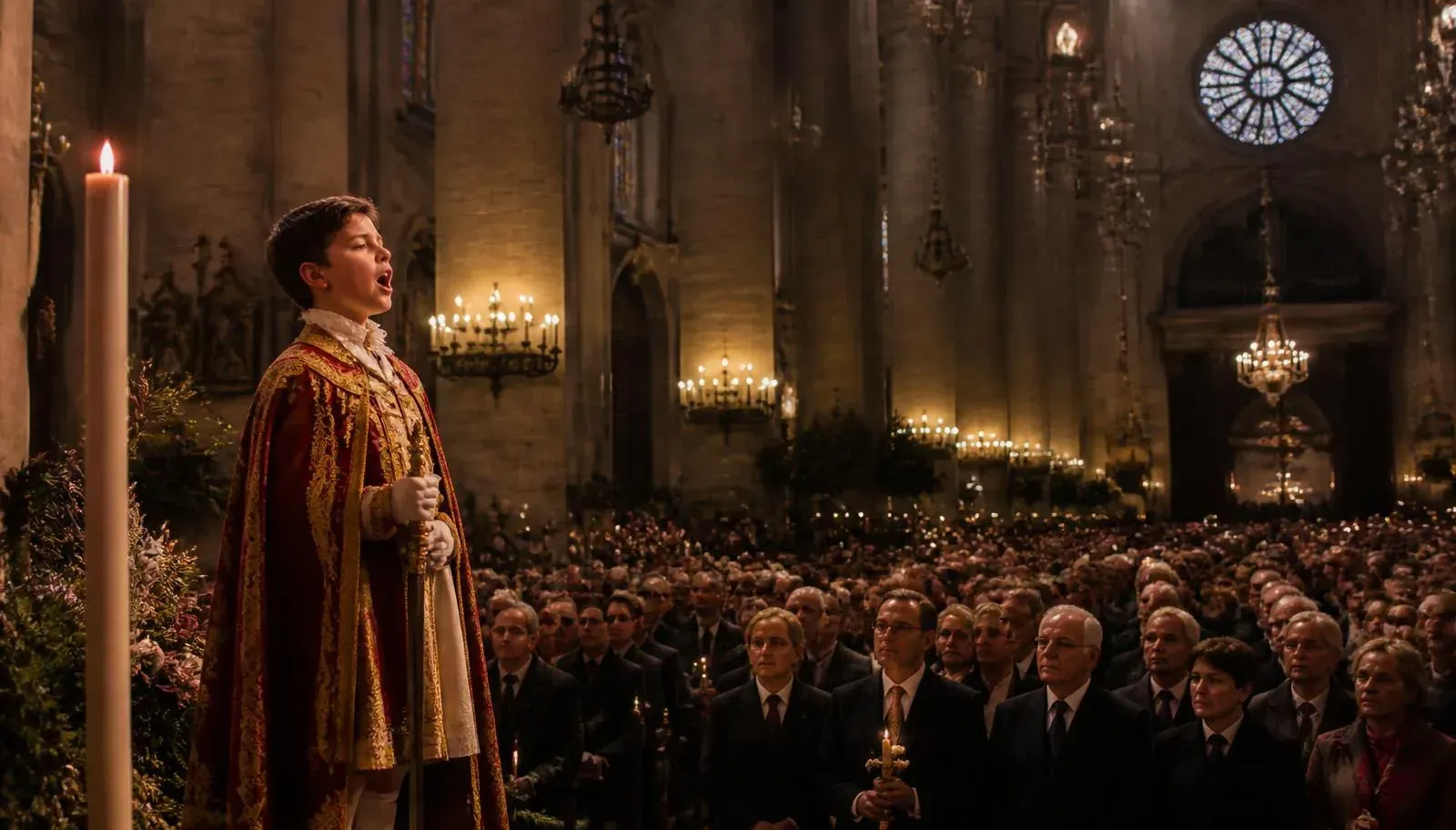
Cant de la Sibil·la
A young soloist in a white robe raises a sword and sings a cappella of the Last Judgement – UNESCO Intangible Cultural Heritage since 2010.
-
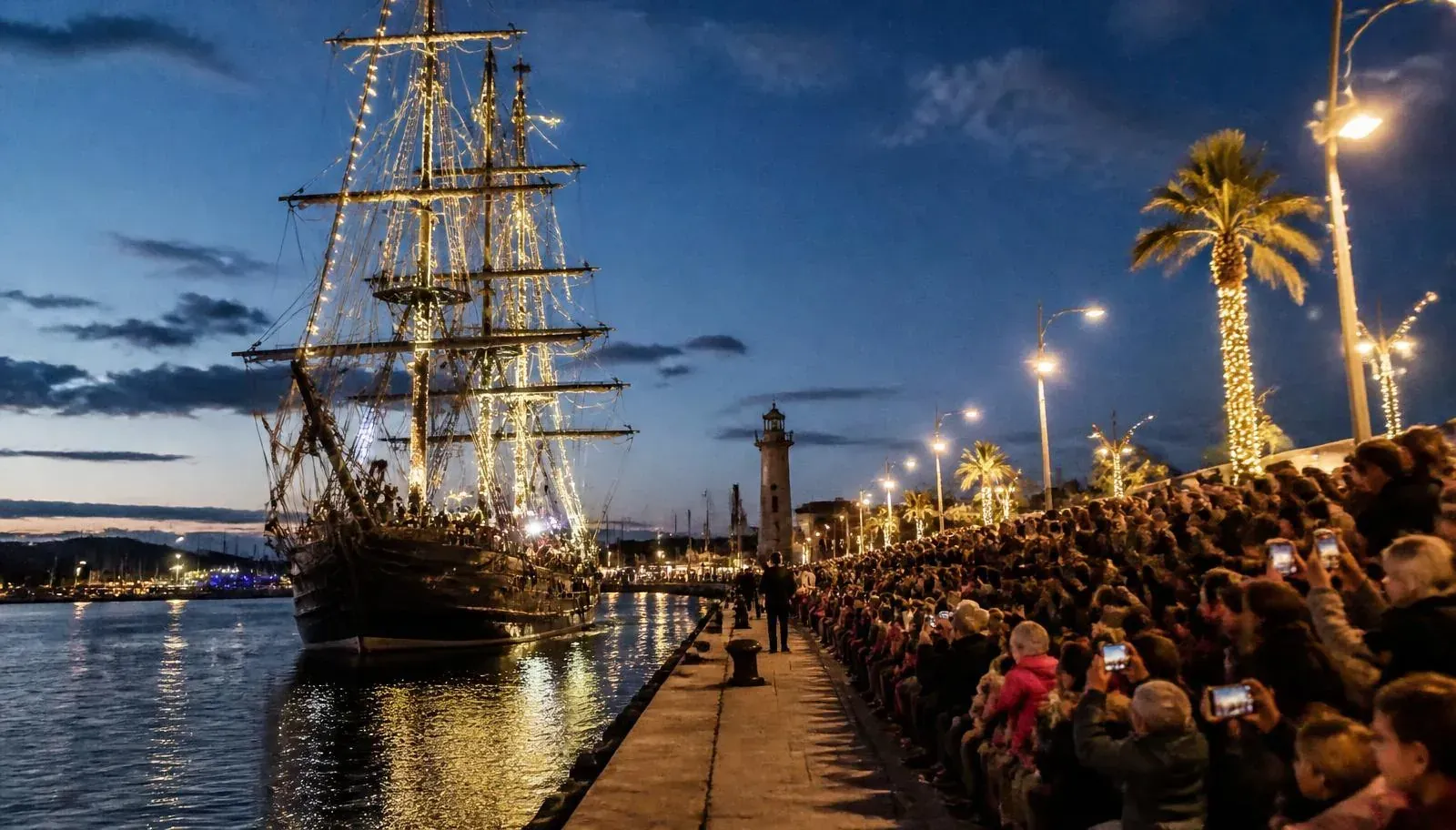
Three Kings
On the evening of 5 January, at around 18:00, the Three Kings arrive at the Moll Vell and parade through Palma.
-
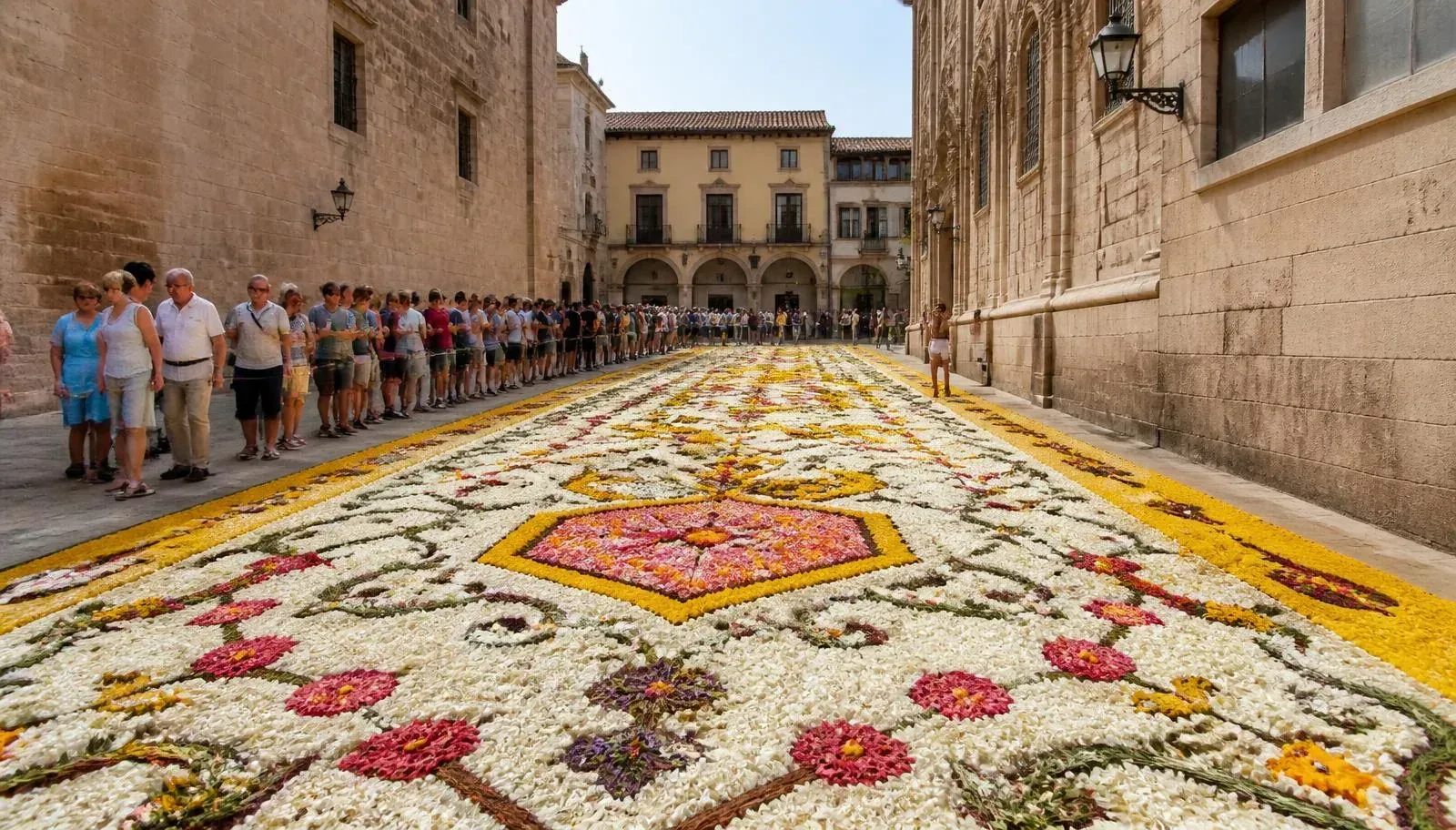
Corpus Christi
Petals form a sacred pattern on the paving – before the procession passes over it.
-
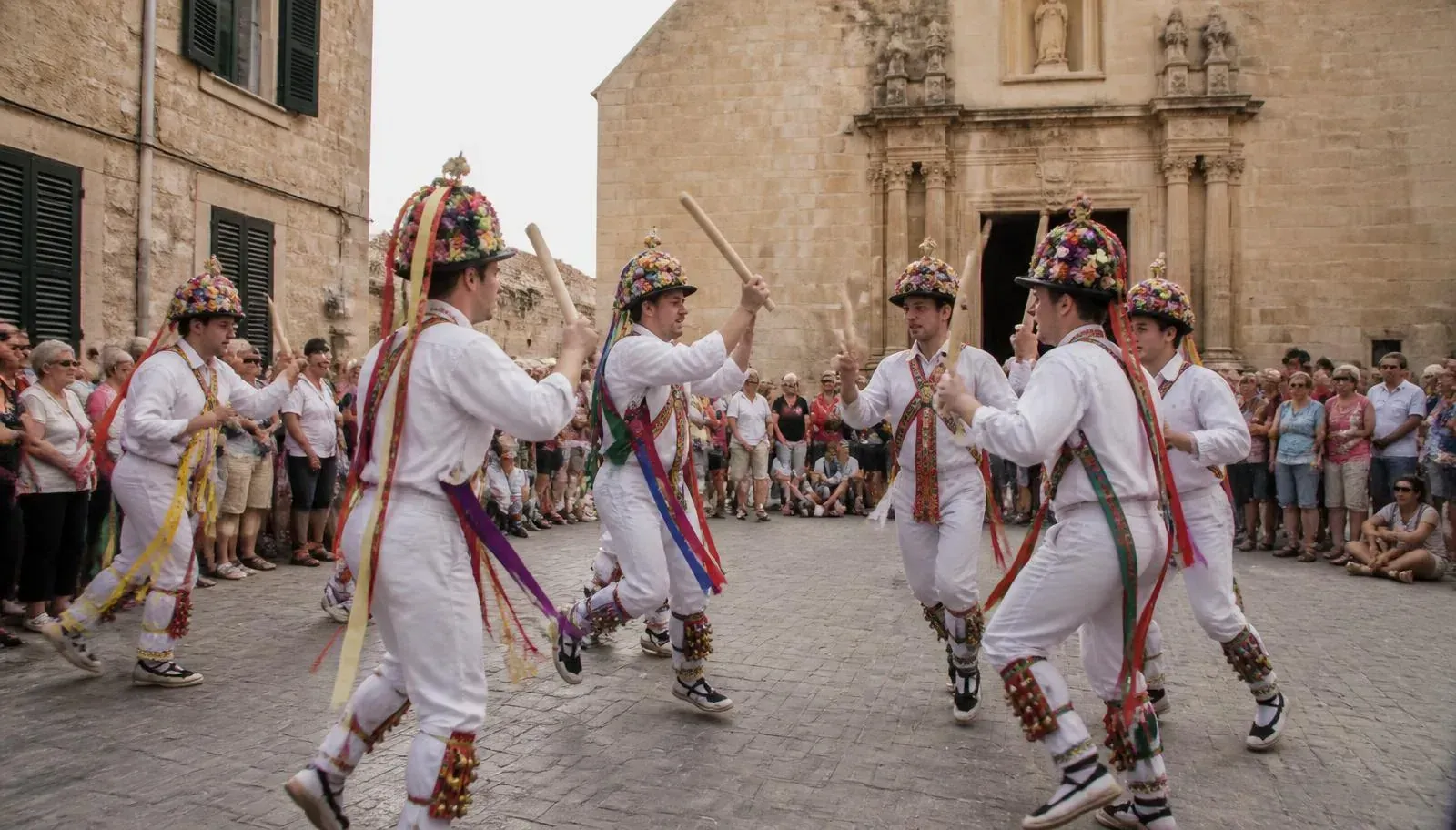
Cossiers
Six dancers, a lady and a devil: a traditional dance for the town festival.
-
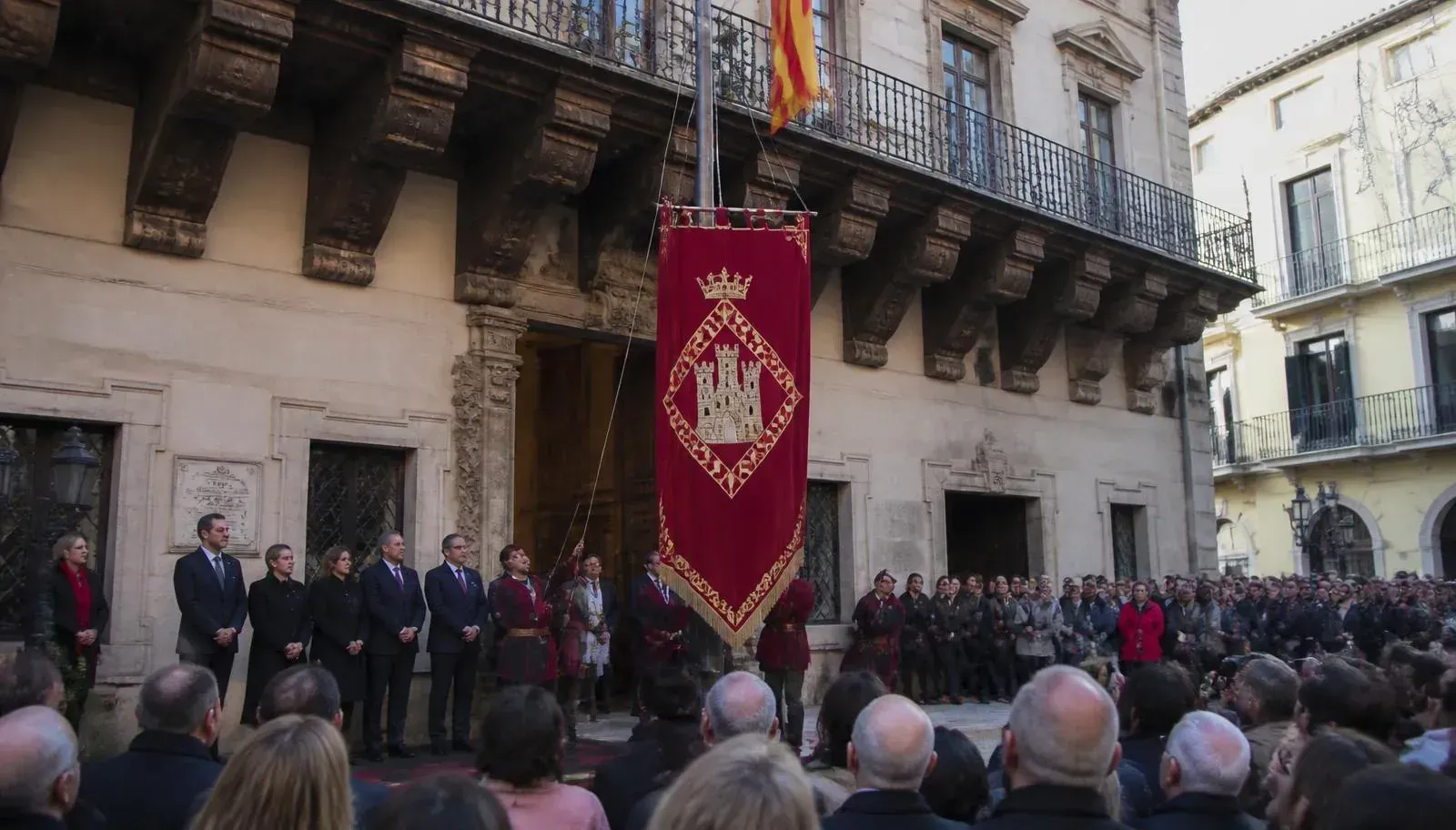
Festa de l'Estendard
For centuries, on the last day of the year, the royal standard is raised on Plaça de Cort.
-
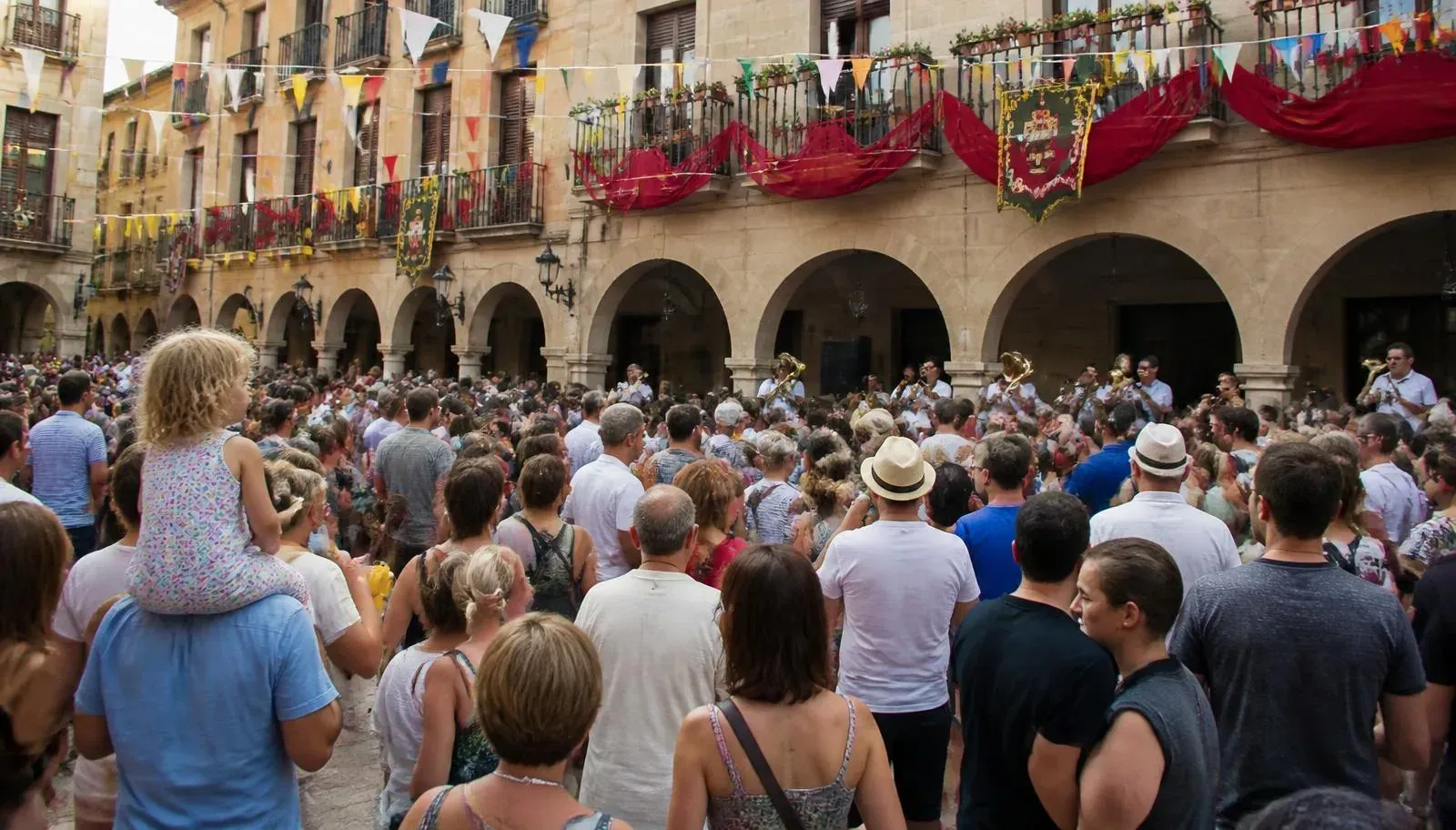
Festa de la Patrona Pollença
On 2 August, Pollença celebrates its patron saint – a festival between the patronal Mass and historical remembrance.
-
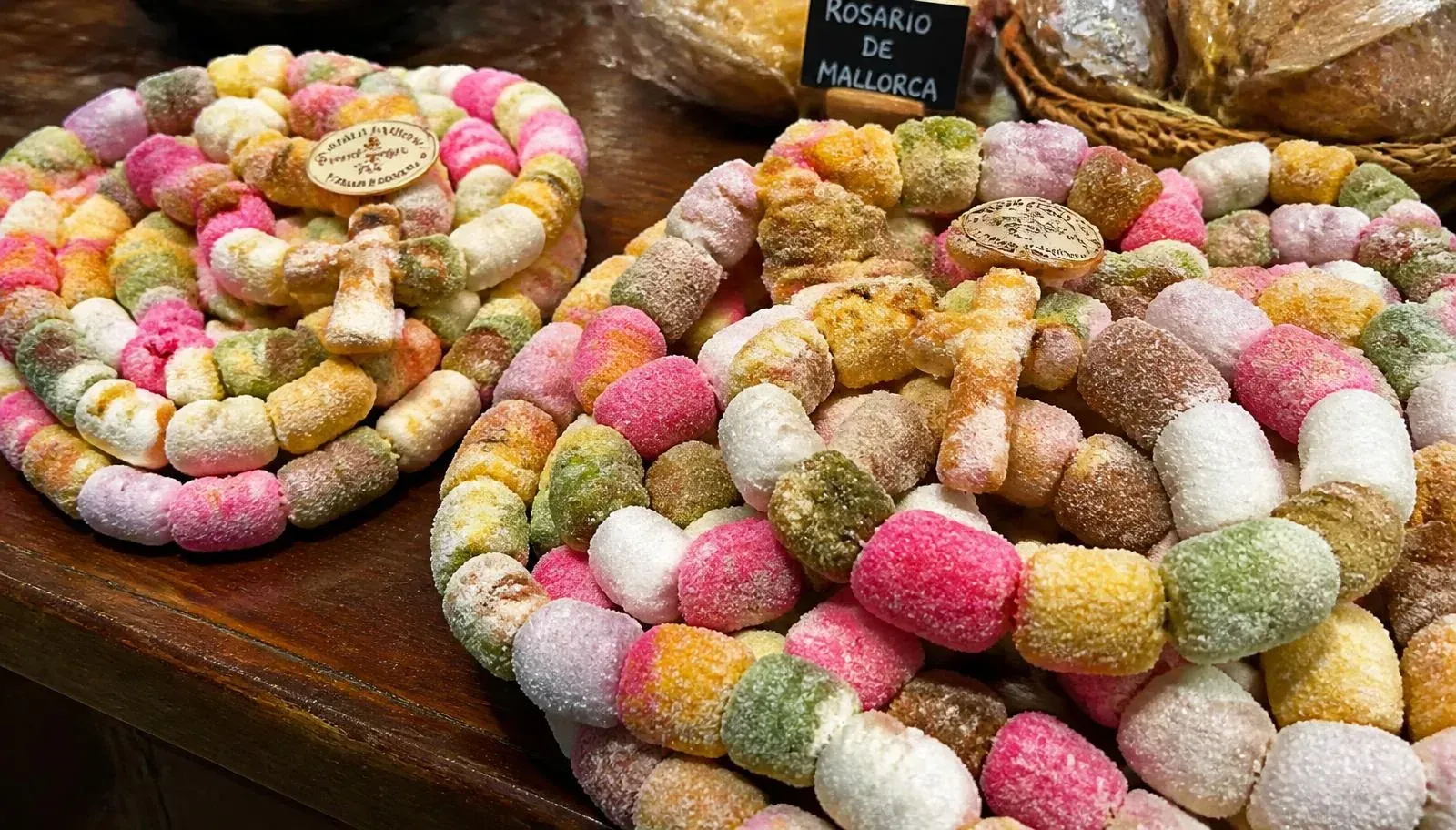
Rosaris Ensucrats
A rosary of sugared beads that godchildren are given in early November – sweet, colourful and almost forgotten.
Frequently asked questions
Which religious festivals are public holidays on Mallorca?
Among others, 6 January (Epiphany), Good Friday and Easter Monday, 15 August (Assumption of Mary), 1 November (All Saints’ Day) and 25 December. Corpus Christi is not a public holiday in the Balearic Islands.
Which church festival is most worthwhile for visitors?
The Devallament in Pollença on Good Friday is considered the most impressive scene of the year. If you travel in summer, see the beds of the Virgin around 15 August; if you come in winter, the Cant de la Sibil·la on 24 December.
Do the church festivals charge admission?
No. Processions, beds of the Virgin, flower carpets and the Cant de la Sibil·la are free to attend. On very busy dates, the only thing that matters is how early you get there.
Why do many dates change every year?
Everything around Easter is movable: Easter Sunday falls on the first Sunday after the first full moon of spring. Good Friday, Pancaritats and Corpus Christi shift accordingly. Festivals such as 15 August, 16 July or 31 December, on the other hand, are fixed.