



Religious festivals & traditions
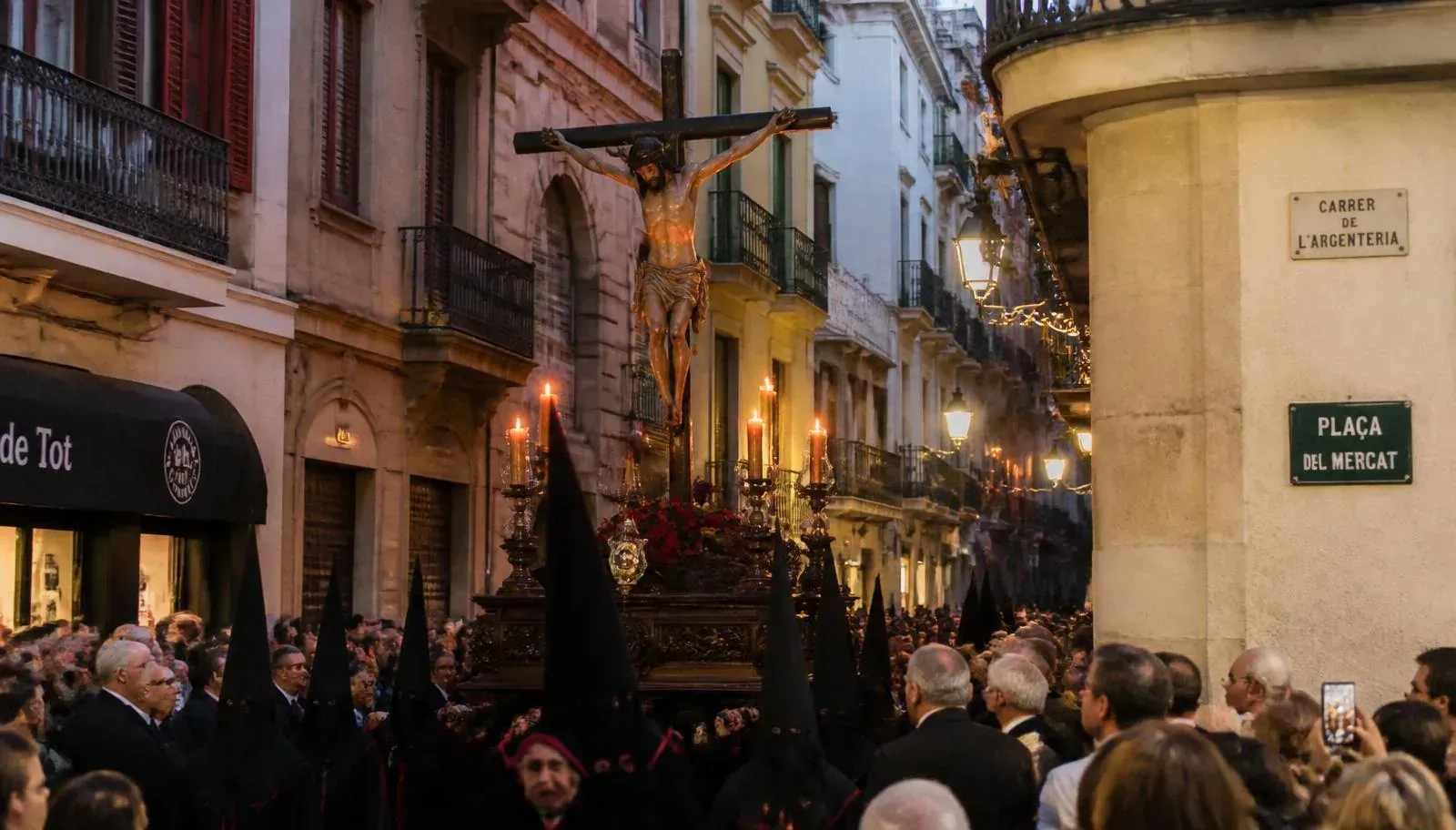
Easter processions in Palma: Processó de la Sang and Encontre
Last checked: October 2026
On Maundy Thursday, 33 brotherhoods with 45 pasos process through the old town to the cathedral.
The short answer
What are the Easter processions in Palma?
Palma has three key Easter events: the Processó de la Sang on Maundy Thursday evening with dozens of brotherhoods and thousands of participants, the silent Sant Enterrament (Holy Burial) procession on Good Friday, and the Encontre on Easter Sunday morning, when the figures of Christ and Mary meet. All the processions pass through the old town around La Seu and Plaça del Mercat.
Date confirmed March April
Quick facts
- When
- Maundy Thursday 2026: 2 April · 2027: 25 March
- Where
- Old town of Palma de Mallorca
- Duration
- Processó de la Sang around three hours
- Admission
- free
- Who it's for
- City break travellers, culture lovers, photographers
- Special feature
- The largest Holy Week procession in the Balearic Islands
- Date rule
- Movable: Maundy Thursday, Good Friday and Easter Sunday of the respective Holy Week.
- Public holiday
- yes, statutory public holiday
Note on currency
This information is updated before each season, in particular times, route and the order of the brotherhoods.
Location: old town of Palma de Mallorca.
Processó de la Sang on Maundy Thursday
The procession of the Christ of the Blood (Crist de la Sang) is the largest on the island. Dozens of brotherhoods process through the old town with their figures, candles and drums; participants number in the thousands, and the procession takes several hours to complete its circuit.
The starting point is the church of the Hospital General near Plaça de l'Hospital; the route runs through the central lanes of the old town and the area around Plaça del Mercat.
Good Friday in Palma
On Good Friday the tone is different: the Sant Enterrament procession is smaller, slower and without music. If you experienced the force of the previous day, here you see the silent counterpart.
Encontre on Easter Sunday
On Easter morning two processions set off separately and meet in one of the squares of the old town. The black veil of the figure of Mary falls, bells ring and a brass band plays. The Encontre is short, bright and the most family-friendly event of the week.
Best places to watch
The narrow lanes of the old town give the most intense views but fill up fastest. If you need space, stand along the wider sections.
- Plaça del Mercat and surroundings: intense atmosphere, fills up early
- Passeig del Born: more space, good view of the passing procession
- Near La Seu: the most beautiful backdrop for photos at the start and end
Tips for your visit
- For the Sang procession, pick your spot around an hour before it starts – after that the route is packed.
- Comfortable shoes: the old town is cobbled throughout.
- Use public transport – access roads to the old town are closed.
- In the rain, processions may be postponed or cancelled.
Who is it worth it for?
A good fit for:
- City break travellers
- Photographers
- Anyone with only one evening
Less suitable for:
- Anyone who avoids crowds
- Families with pushchairs on the Sang route
Similar dates
More religious festivals & traditions
-
Easter in Mallorca
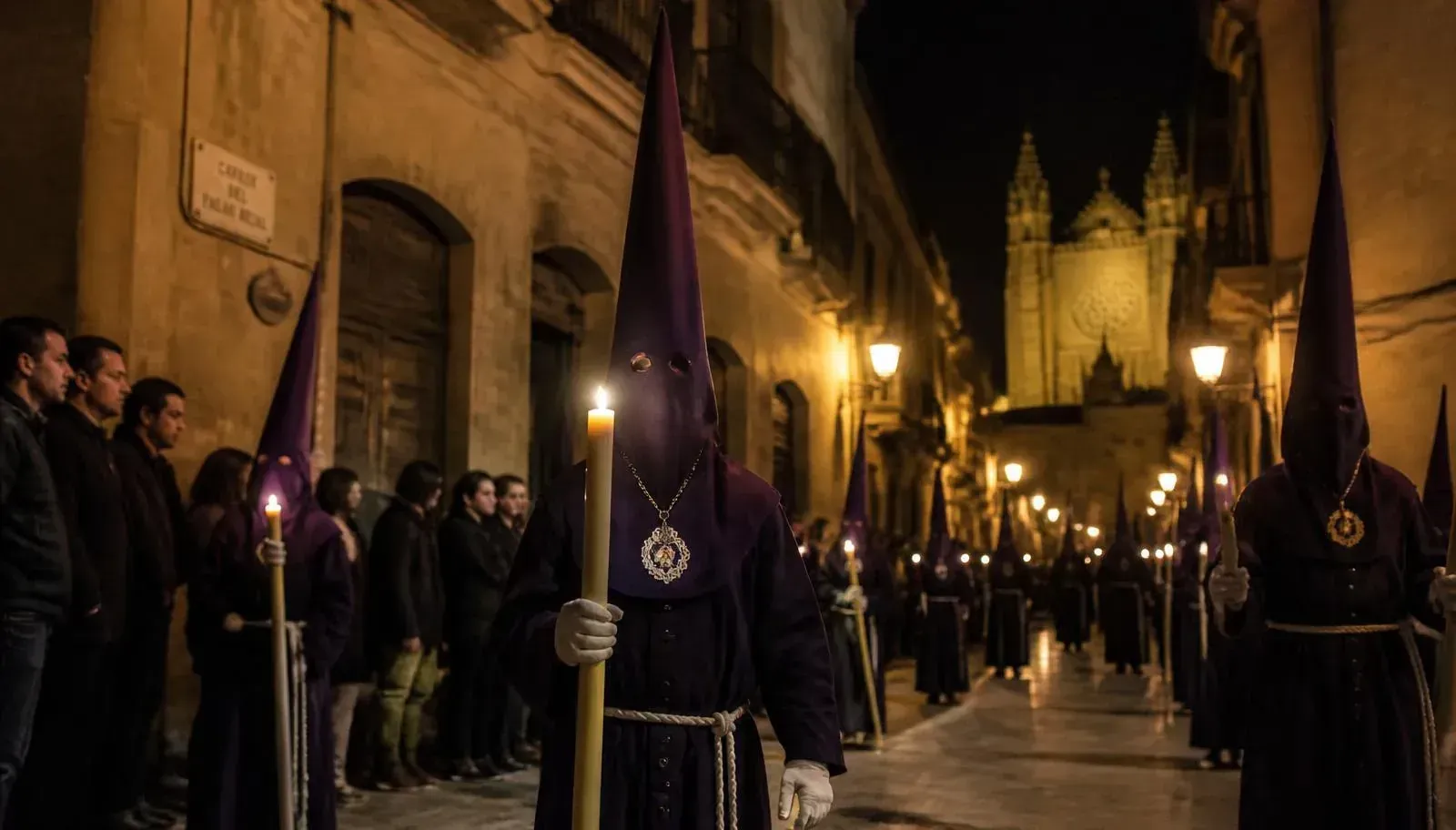
For a whole week, brotherhoods carrying candles process through the old towns, before trumpets and flowers herald spring on Easter Sunday.
-
Semana Santa Mallorca
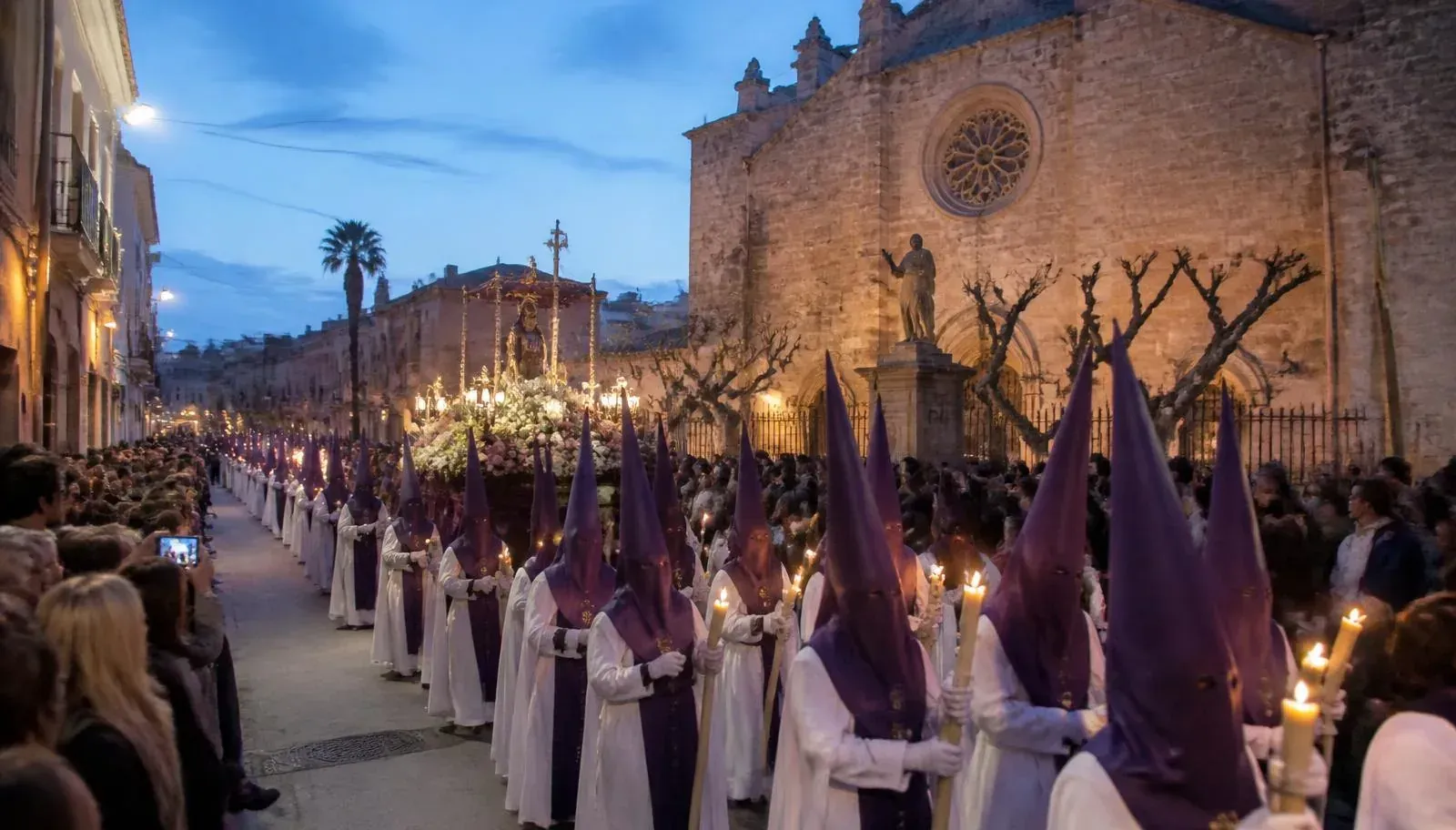
Seven days, seven different scenes: from the blessing of the palm fronds on Sunday morning to the meeting of the figures on Easter morning.
-
Good Friday in Mallorca
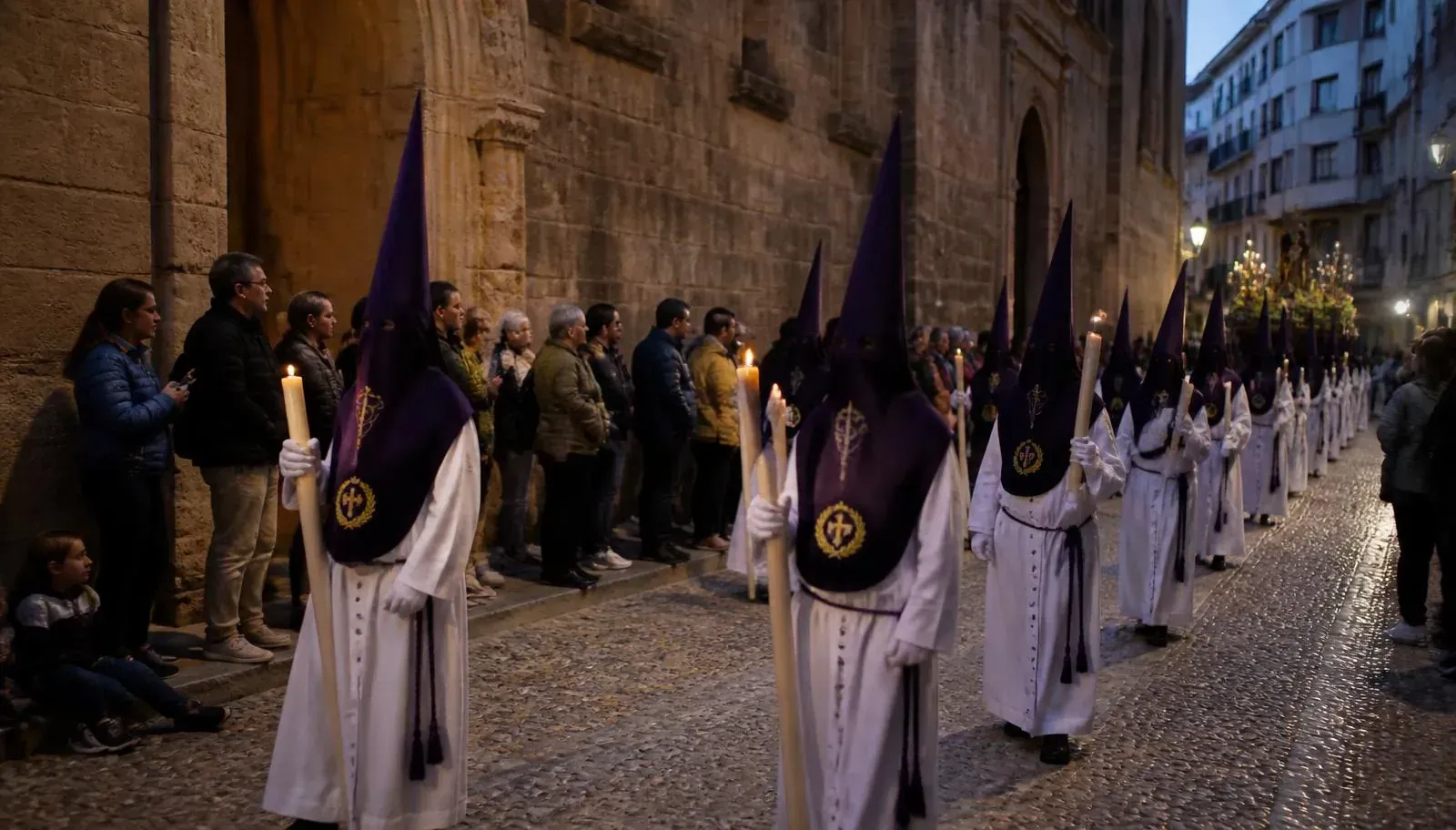
A quiet public holiday with closed shops during the day, processions in the evening.
-
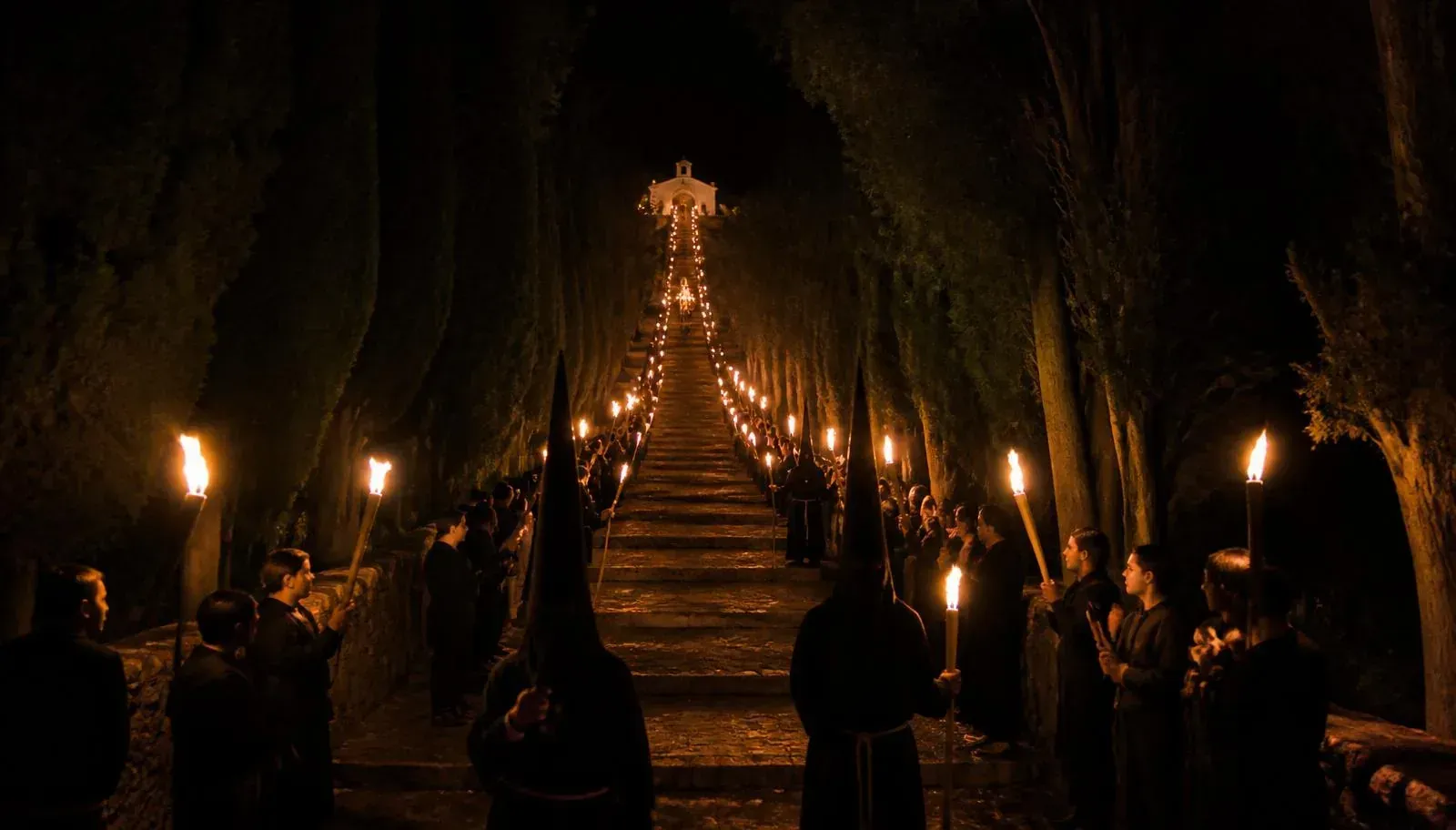
Devallament Pollença
The Descent from the Cross at the Calvari, followed by a torchlight procession down the steps.
-
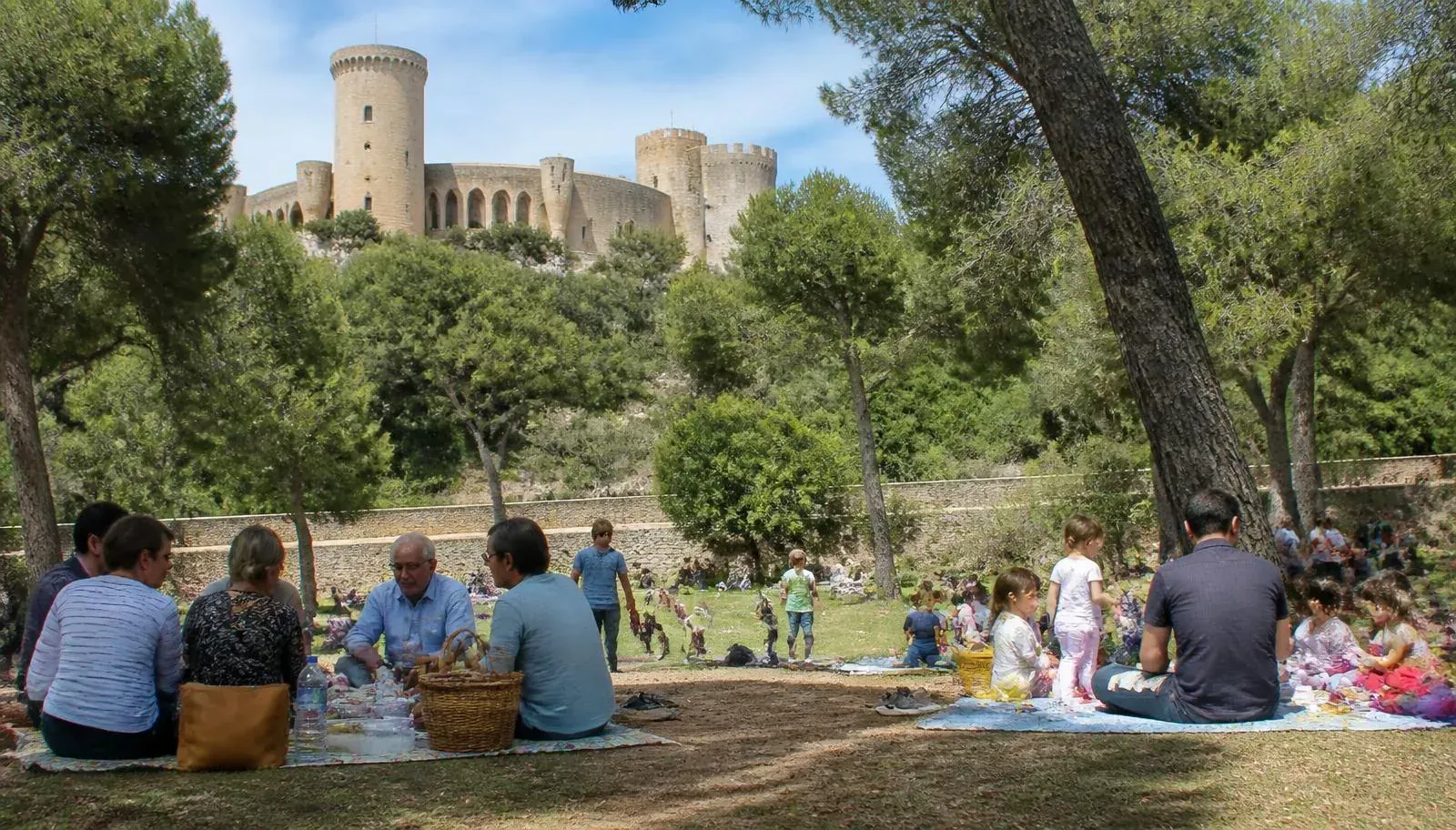
Pancaritats
On the Sunday after Easter, many Mallorcans head out into the countryside for a picnic – in Palma with music and dancing at the Diumenge de l'Àngel.
-
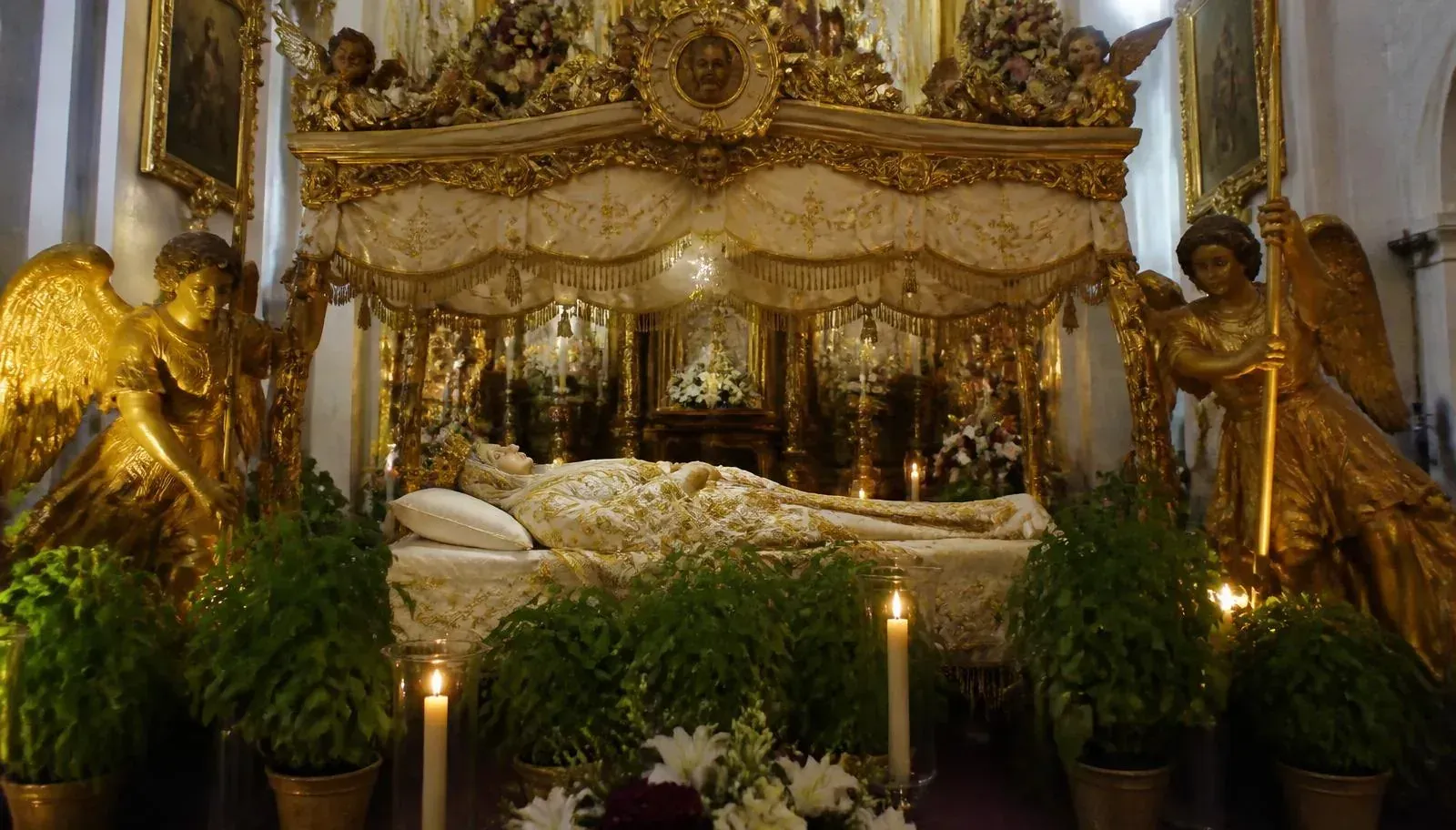
Assumption Day
In around 50 churches, a life-size figure of Mary lies on a baroque bed of flowers, basil and carved straw for 15 August.
-
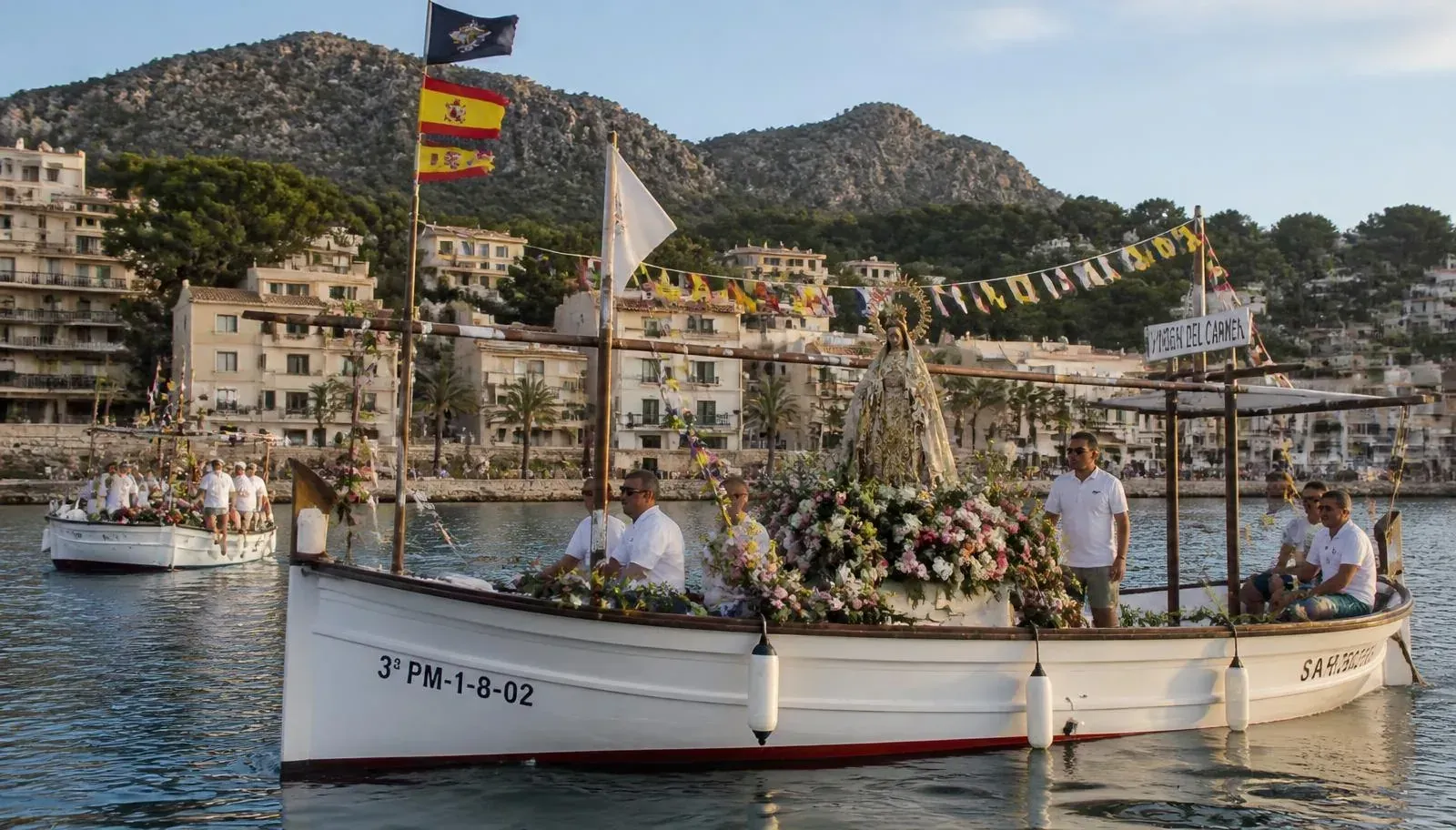
Virgen del Carme
Dozens of decorated fishing boats accompany the figure of Mary out to the open sea, while hooting horns and brass bands fill the harbour.
-
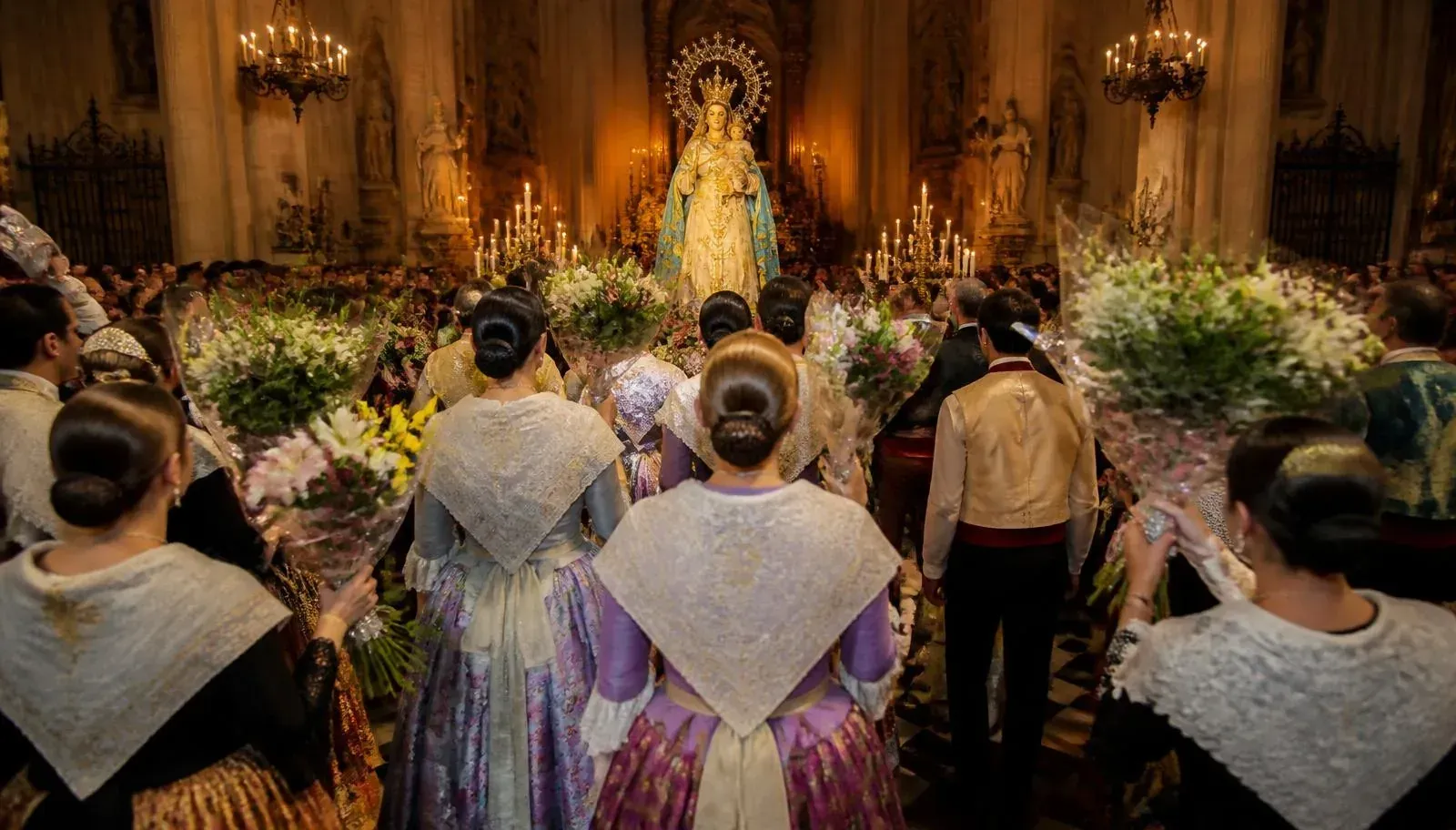
Mare de Déu de la Salut
During the flower offering, the façade of the church of Sant Miquel is decorated with flowers – a festival of the city.
-
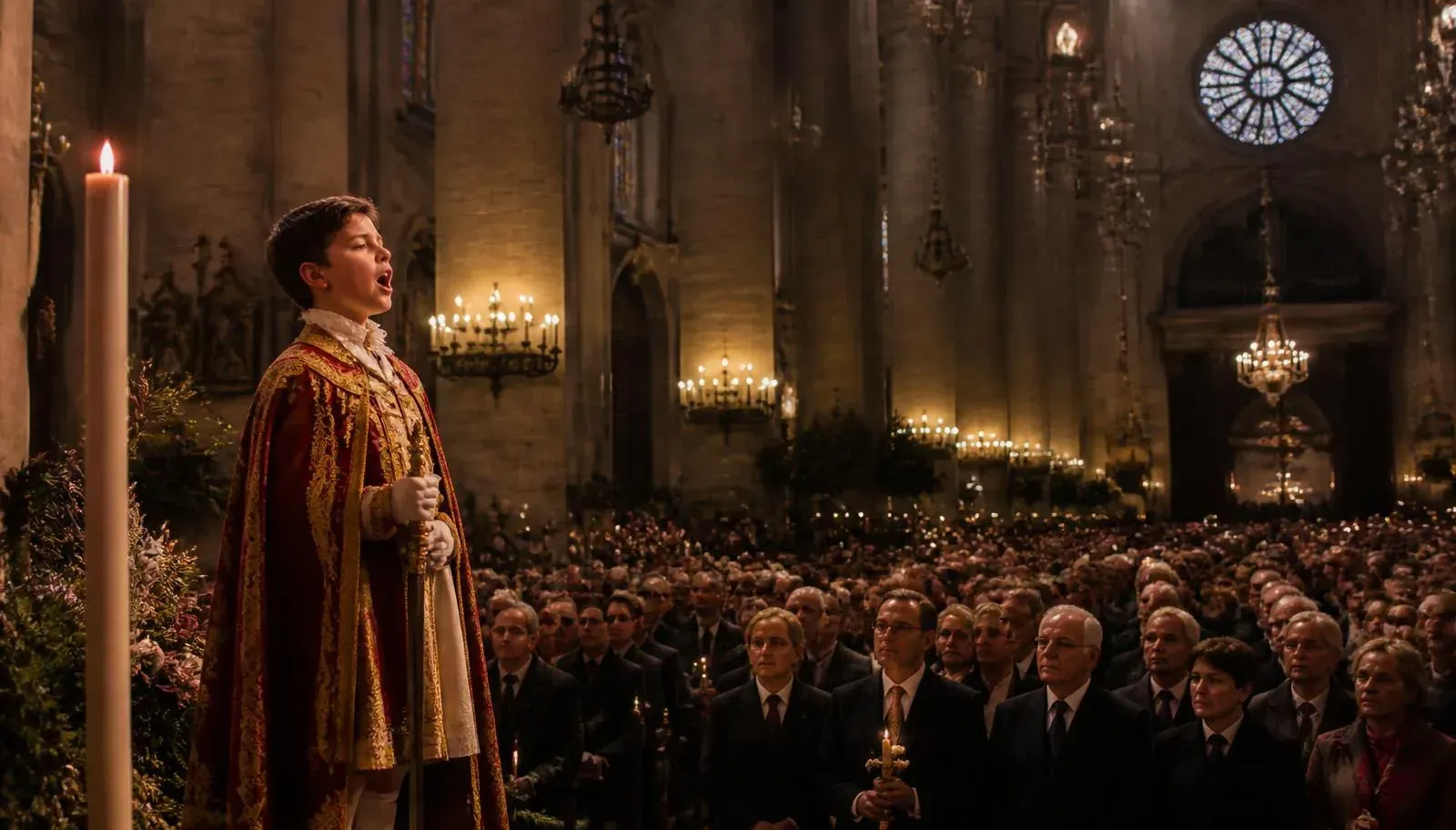
Cant de la Sibil·la
A young soloist in a white robe raises a sword and sings a cappella about the Last Judgement – UNESCO Intangible Cultural Heritage since 2010.
-
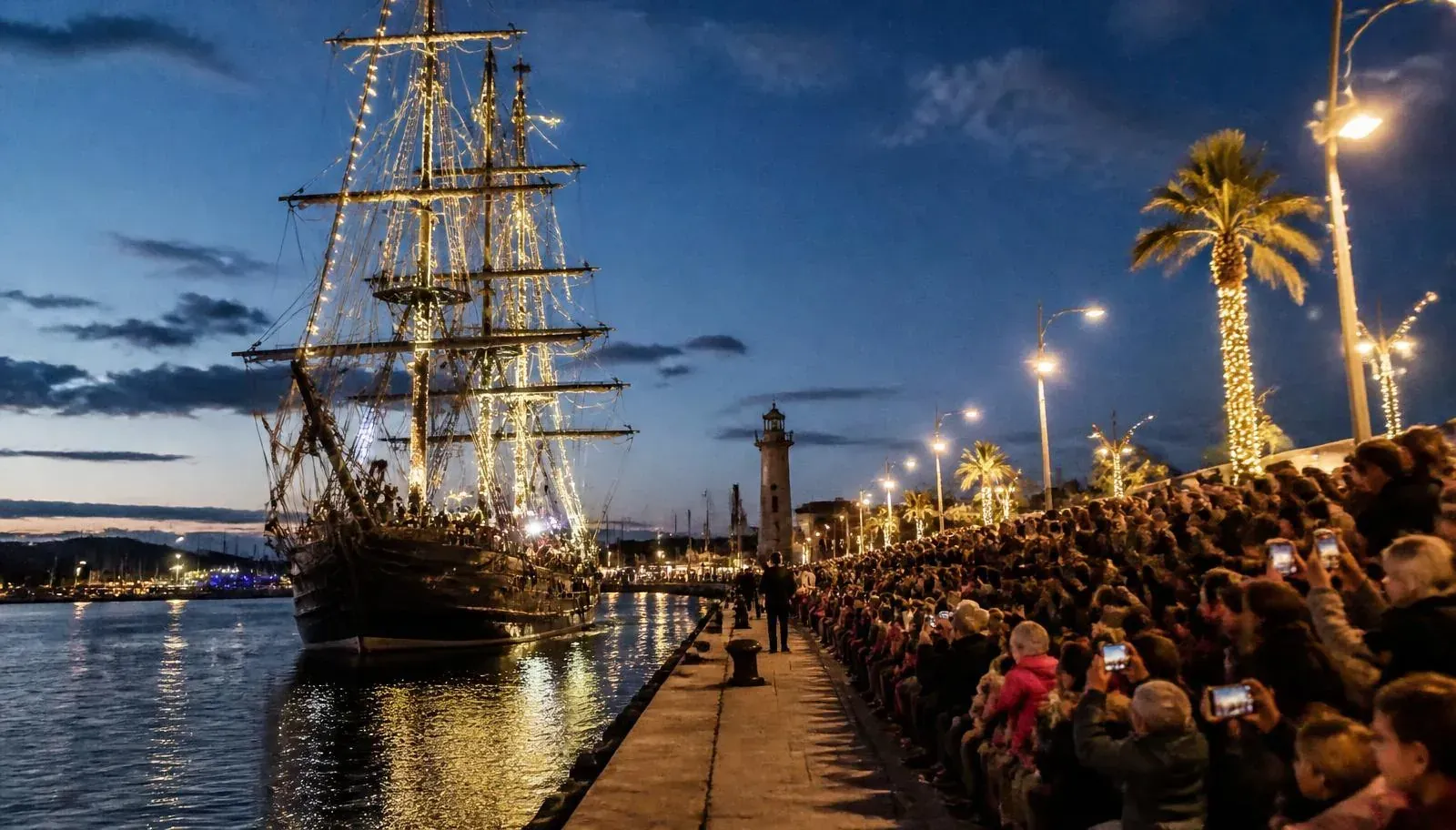
Three Kings
On the evening of 5 January at around 18:00, the Three Kings arrive at the Moll Vell and parade through Palma.
-
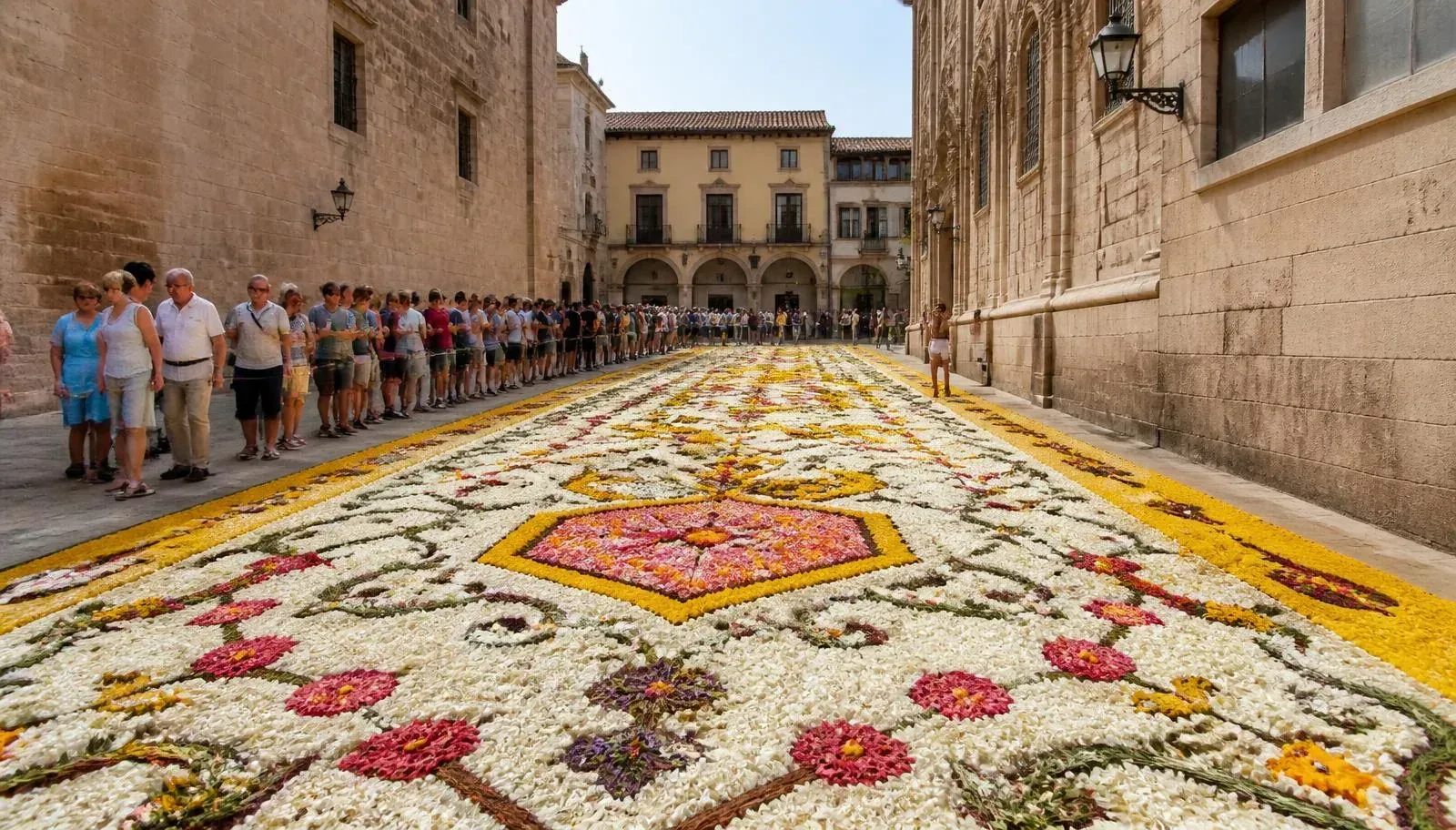
Corpus Christi
Petals form a sacred pattern on the paving – before the procession passes over it.
-
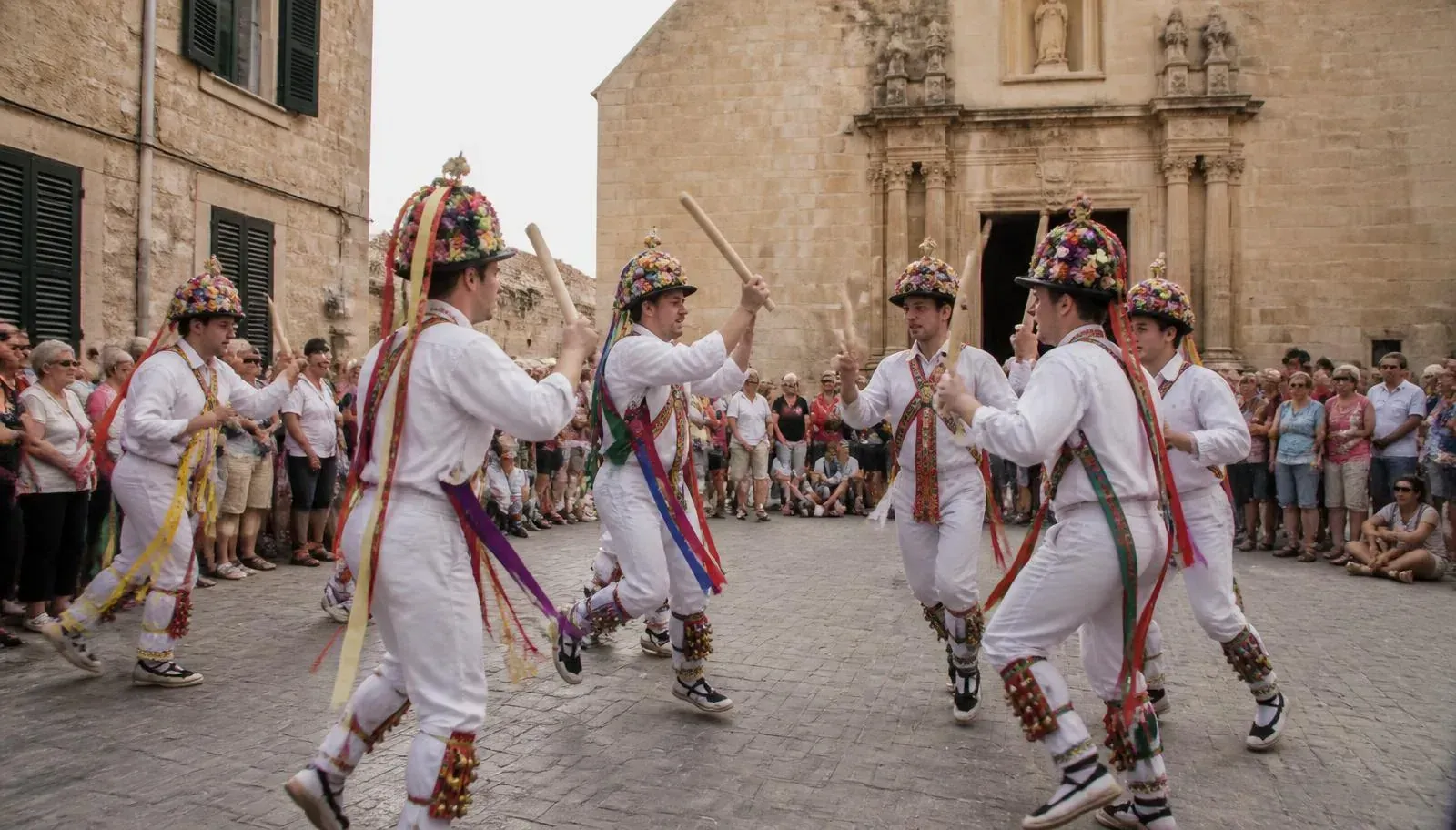
Cossiers
Six dancers, a lady and a devil: a traditional dance for the town festival.
-
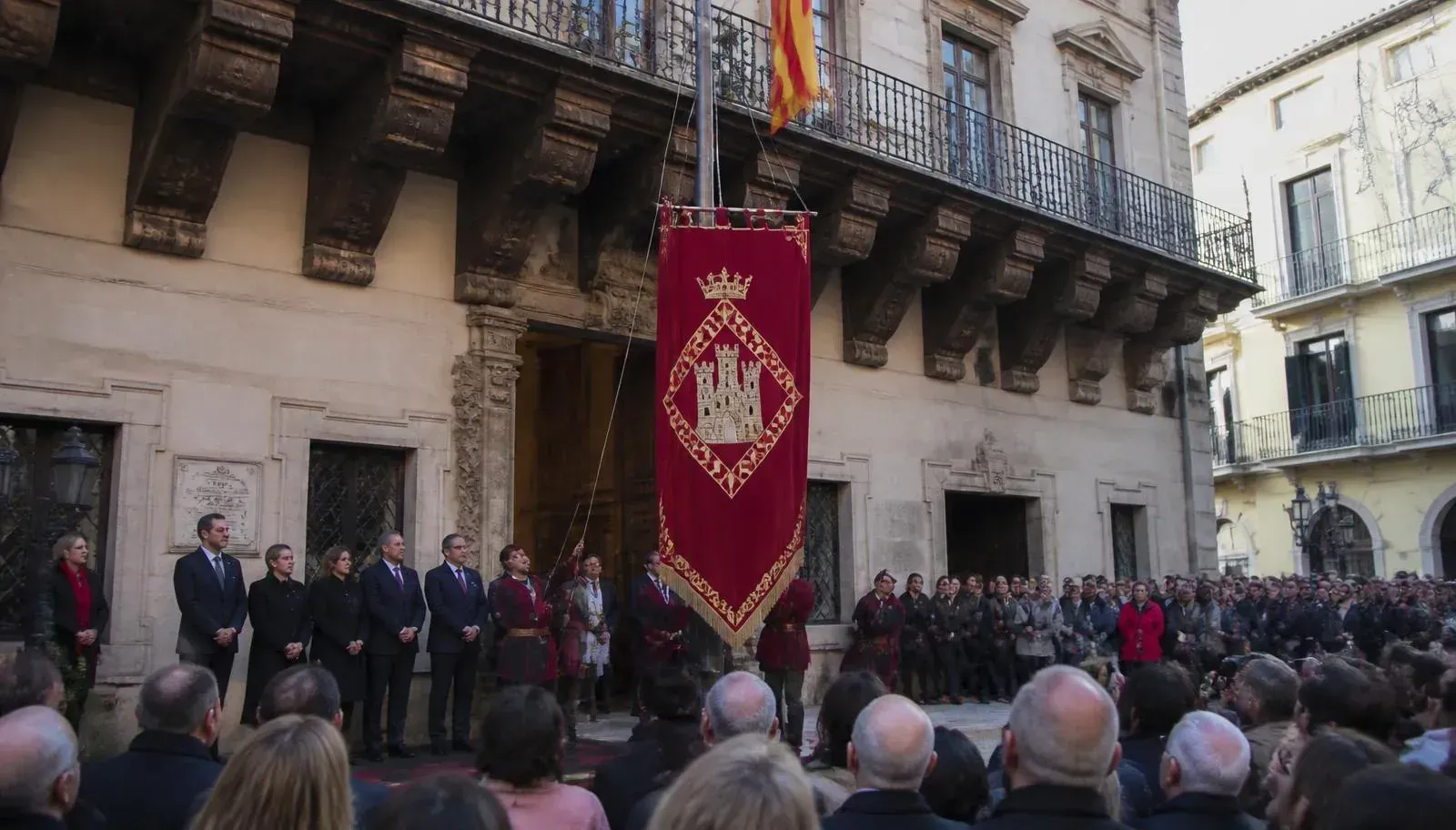
Festa de l'Estendard
For centuries, on the last day of the year, the royal standard is raised on Plaça de Cort.
-
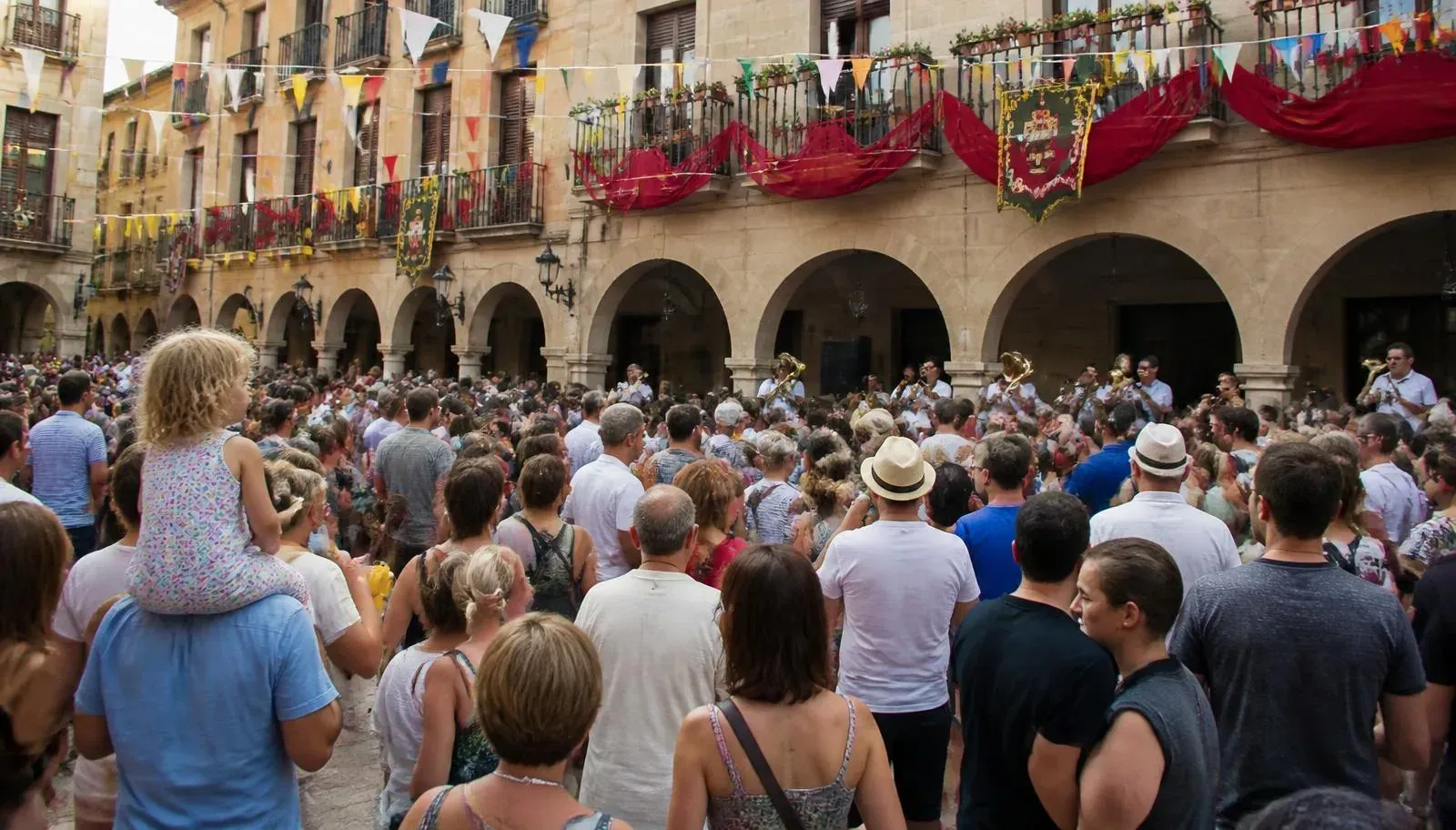
Festa de la Patrona Pollença
On 2 August, Pollença celebrates its patron saint – a festival somewhere between patronal Mass and historical remembrance.
-
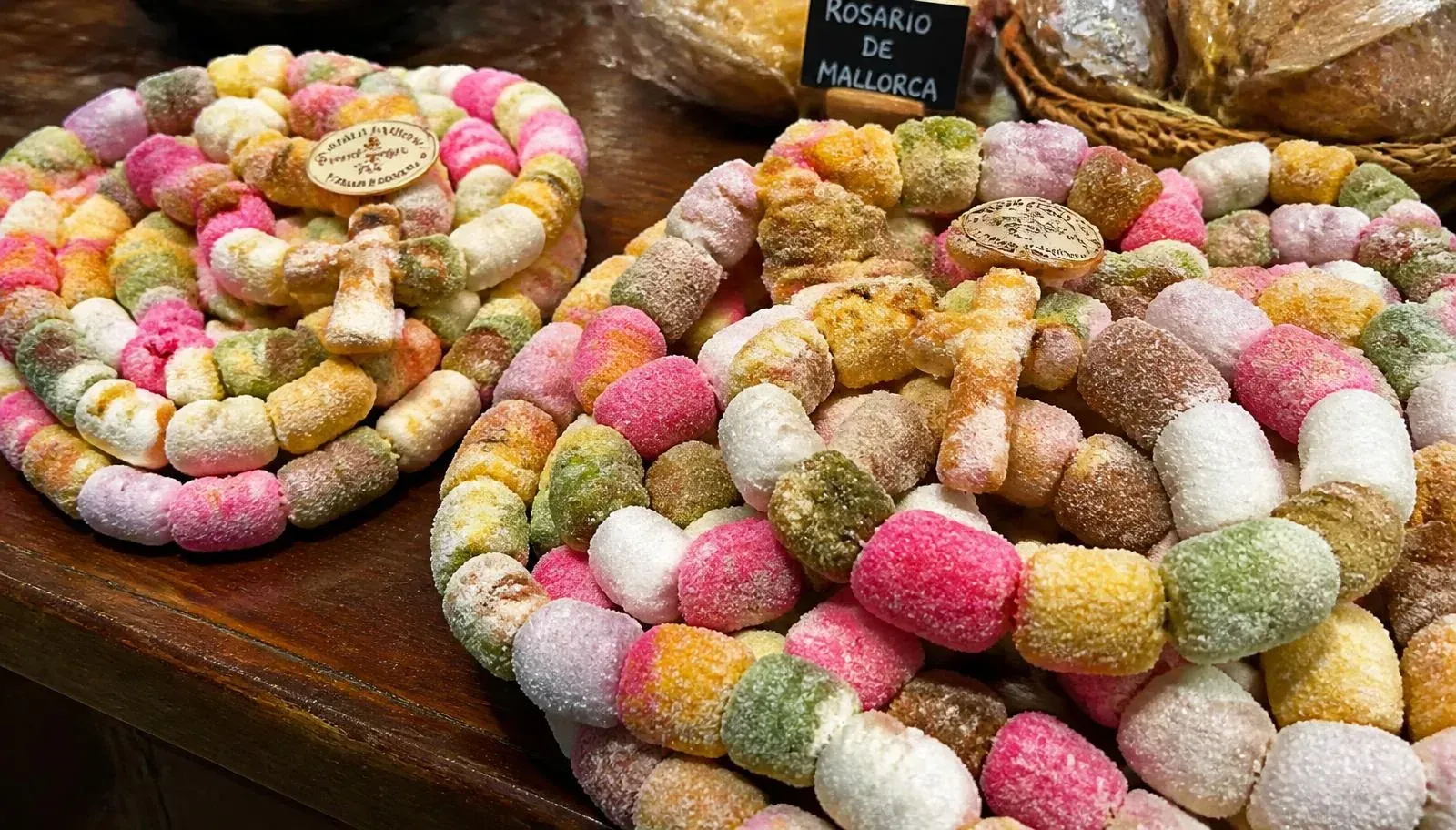
Rosaris Ensucrats
A rosary of sugared beads that godchildren are given in early November – sweet, colourful and almost forgotten.
Frequently asked questions
When does the Processó de la Sang start?
On Maundy Thursday in the early evening. The City of Palma announces the exact start time each year; you should be there around an hour beforehand.
Where is the best place to watch?
For intense views, the lanes around Plaça del Mercat; for more space, the Passeig del Born; for photos, the area near La Seu Cathedral.
Are the processions free?
Yes, all processions in Palma are open to the public and free.
What happens if it rains?
The brotherhoods decide at short notice. In persistent rain the procession is shortened or cancelled, as the historic figures must not get wet.
Next steps
This page belongs to the topic area Religious festivals & traditions and can be found at /en-gb/osterprozessionen-palma.