


Church festivals & traditions
Mare de Déu de la Salut: the festival of Palma’s patron saint
Last checked: October 2026
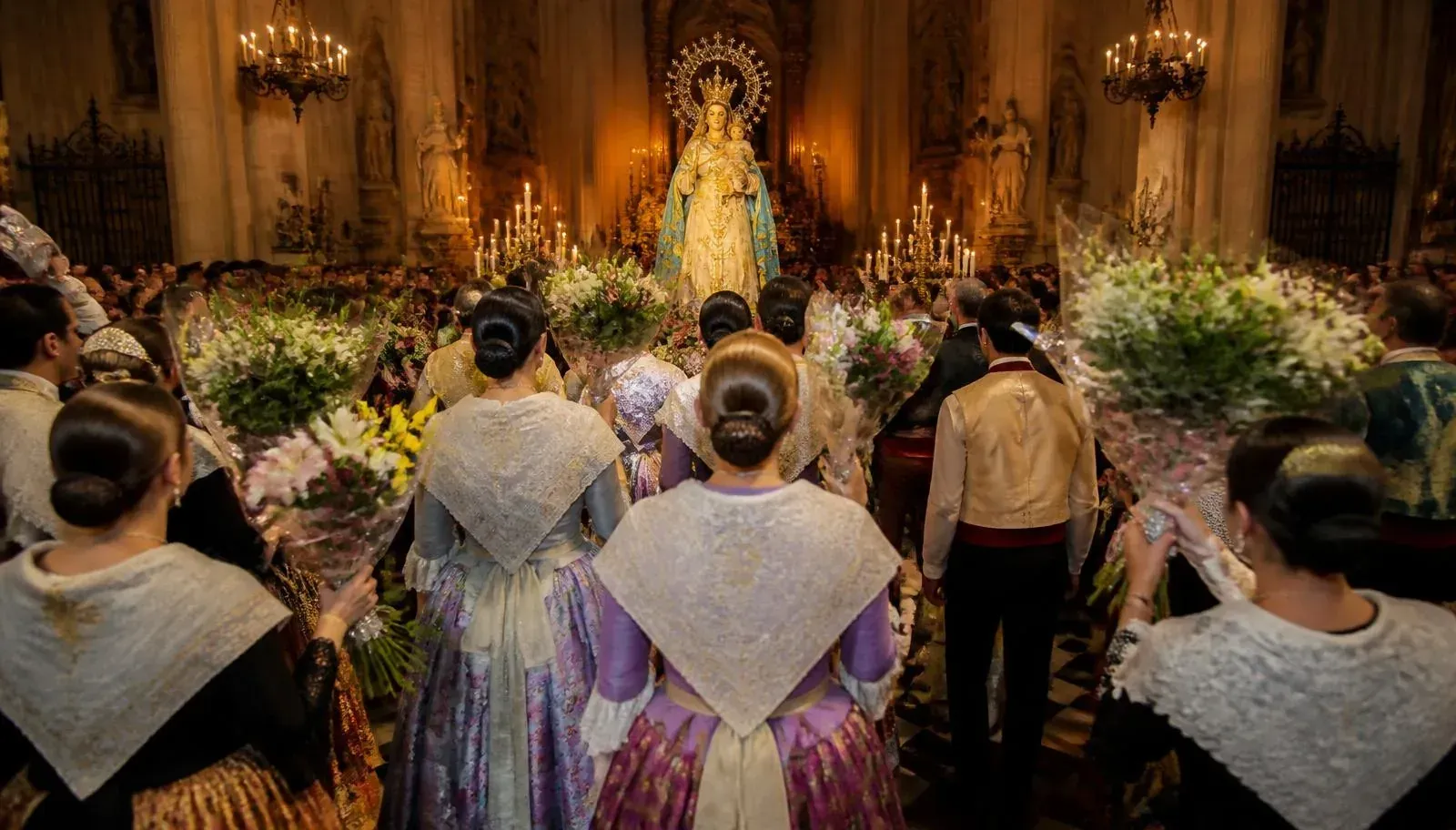
During the flower offering, the façade of the church of Sant Miquel is decorated with flowers – a festival of the city.
The short answer
What is the Mare de Déu de la Salut?
The Mare de Déu de la Salut is Palma’s patron saint. Her festival is celebrated on 7 and 8 September around the church of Sant Miquel: on 7 September with the flower offering, the Ofrena Floral, in which residents in traditional Mallorcan dress decorate the church façade with flowers, and on 8 September with a festive Mass, gegants (giant figures) and a street festival.
Fixed date September
Quick facts
- When
- 7 and 8 September
- Where
- Carrer de Sant Miquel and Església de Sant Miquel, Palma
- Duration
- two days, flower offering on the afternoon of 7 September
- Admission
- free
- Who it suits
- Palma connoisseurs, people interested in culture, families
- What makes it special
- A city festival carried by the people of Palma themselves
- Date rule
- Fixed date 7/8 September, the same every year.
Note on currency
This information is updated before each season, in particular the programme schedule and the time of the flower offering.
Location: Carrer de Sant Miquel and Església de Sant Miquel, Palma.
What is the Mare de Déu de la Salut?
Our Lady of Health is Palma’s patron saint; her image stands in the church of Sant Miquel on the shopping street of the same name. The city celebrates its patronal festival around this image at the beginning of September.
The flower offering on 7 September
In the afternoon, neighbourhood associations, groups in traditional dress and families walk along Carrer de Sant Miquel to the church and lay bouquets of flowers there until the façade is completely covered. The procession is accompanied by xeremiers, the Mallorcan bagpipers.
8 September
On the feast day itself there is a festive Mass, an appearance by the gegants – the oversized giant figures – and a street festival around the church with music and stalls.
Why the festival is special
Unlike the large, photogenic processions of Holy Week, this is a festival of the city’s residents: it is carried by associations and neighbourhoods and celebrated on an ordinary shopping street. If you want to see how Palma celebrates without putting on a show for visitors, come at the beginning of September.
Tips for your visit
- For the flower offering, find a spot along Carrer de Sant Miquel in the late afternoon.
- Access is free and there are no stands – if you want a good view, come early.
- Combines well with a stroll through the old town: Sant Miquel is a few minutes from Plaça Major.
- The street is closed during the procession, but most shops stay open.
Who is it worthwhile for?
A good fit for:
- Repeat visitors to Palma
- People interested in culture
- Families
Less suitable for:
- Anyone expecting a large event staged for tourists
Similar dates
More church festivals & traditions
-
Easter in Mallorca
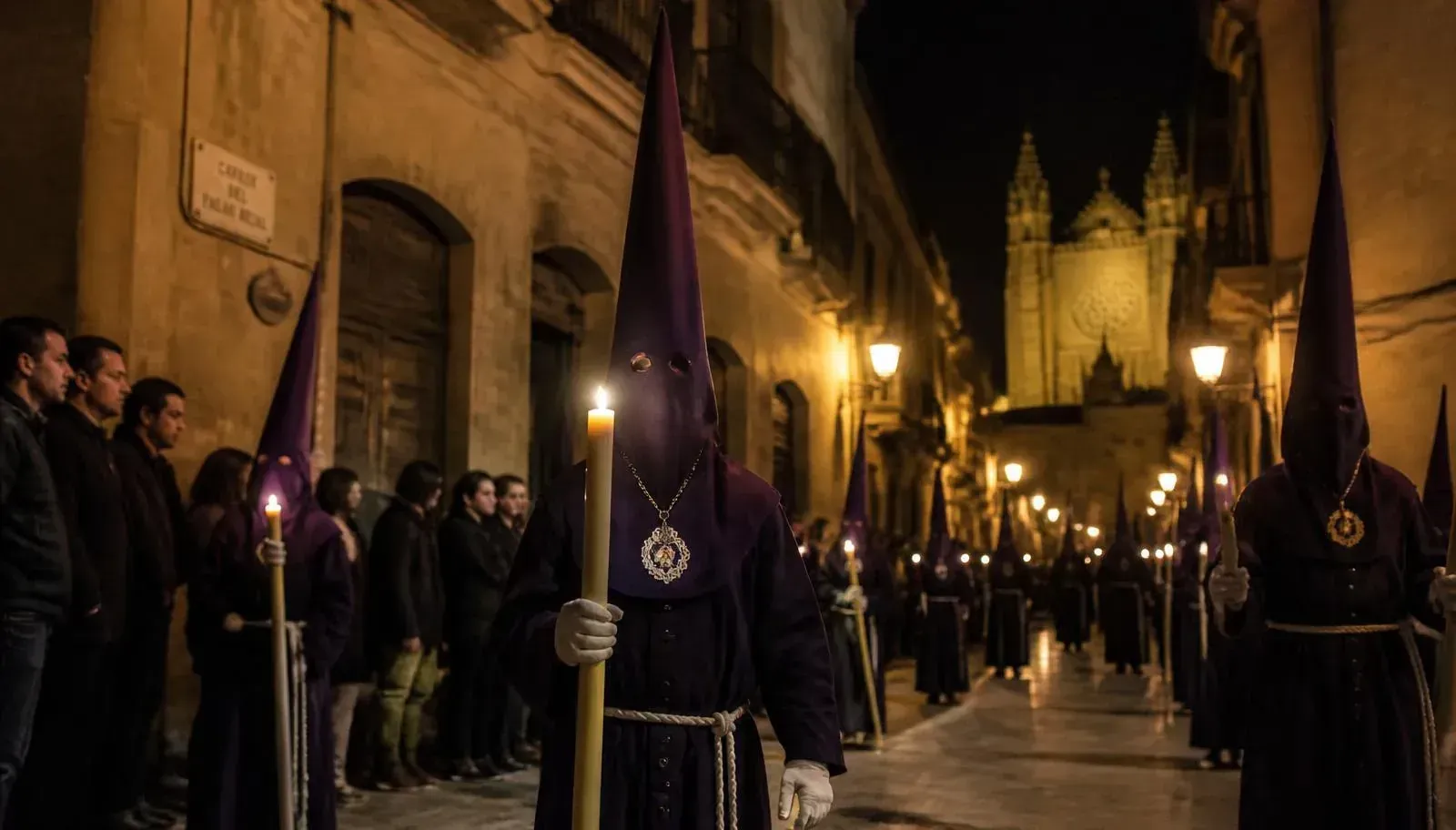
For a whole week, brotherhoods walk through the old towns with candles before trumpets and flowers herald spring on Easter Sunday.
-
Semana Santa Mallorca
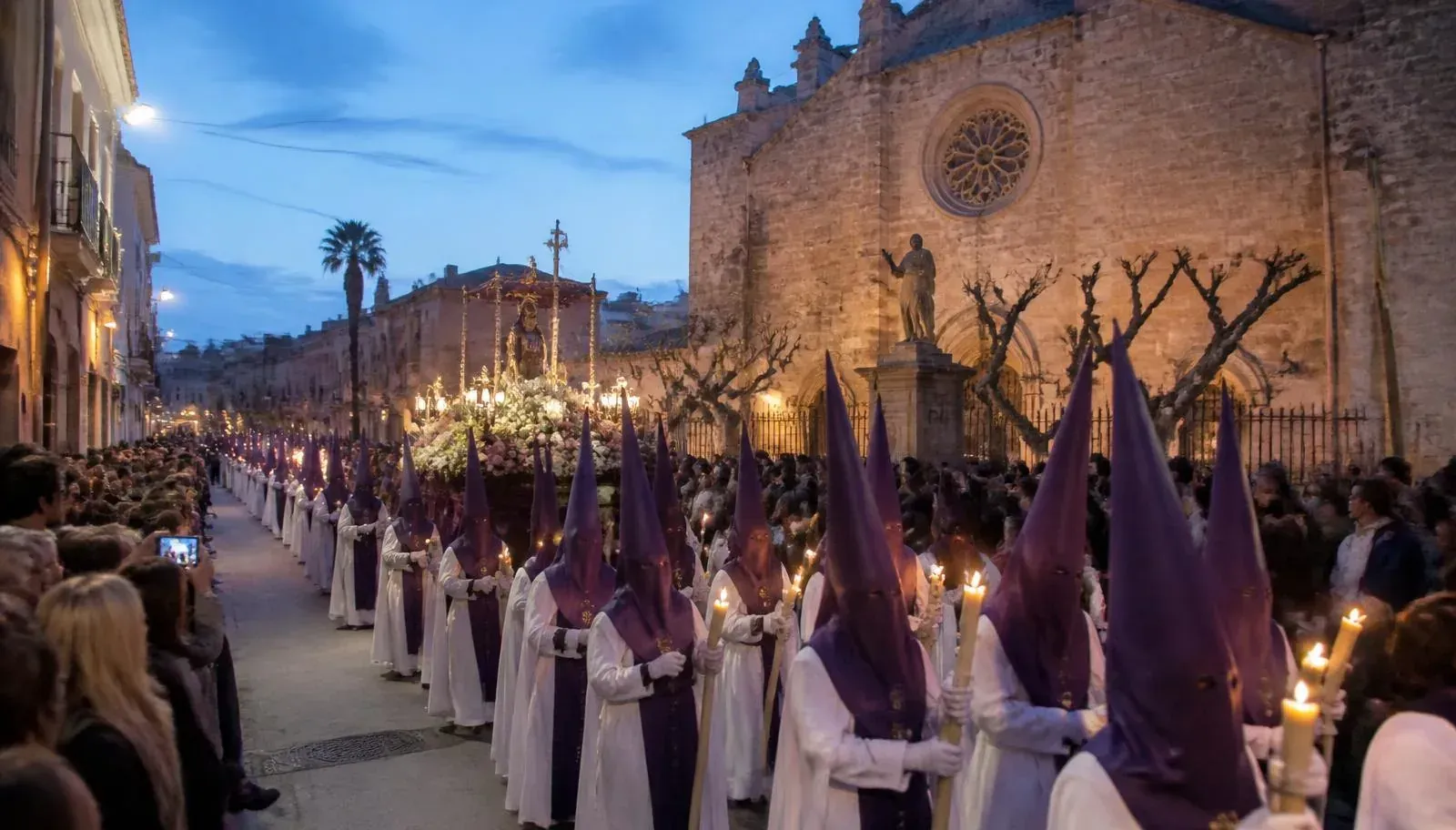
Seven days, seven different scenes: from the blessing of the palms on Sunday morning to the meeting of the figures on Easter morning.
-
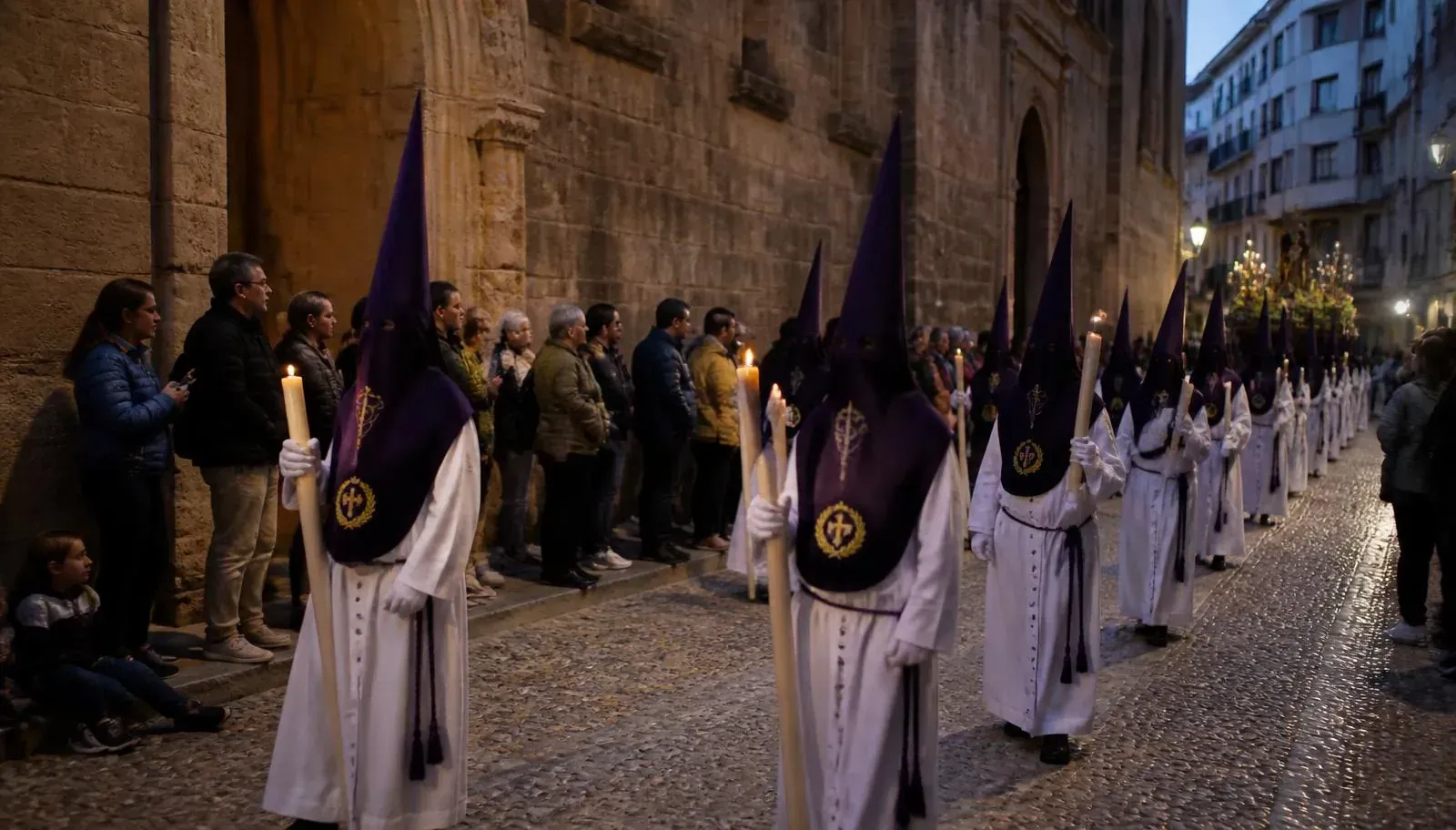
Good Friday in Mallorca
A quiet holiday during the day with shops closed, processions in the evening.
-
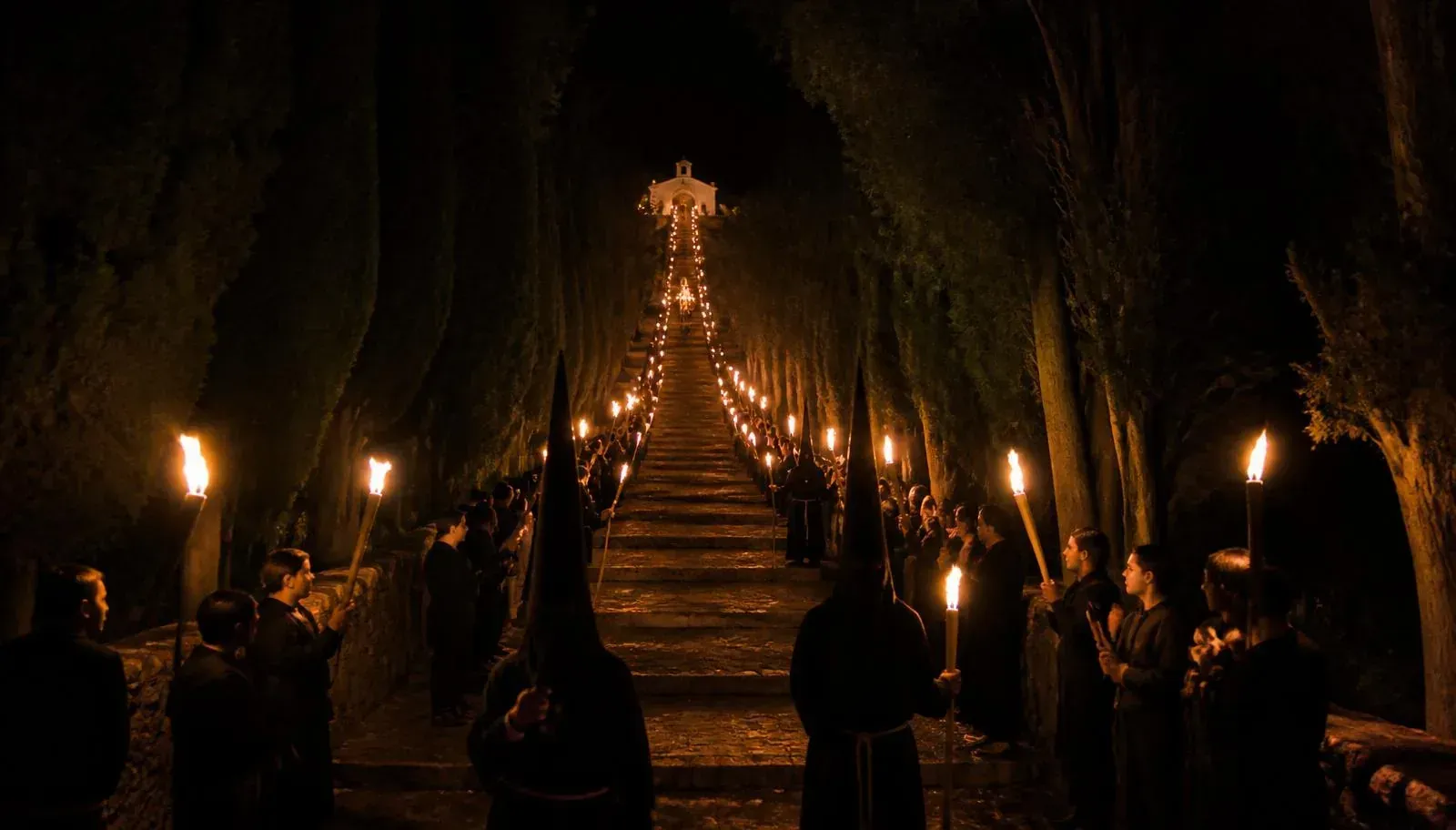
Devallament Pollença
The Descent from the Cross at the Calvari, followed by a torchlit procession down the steps.
-
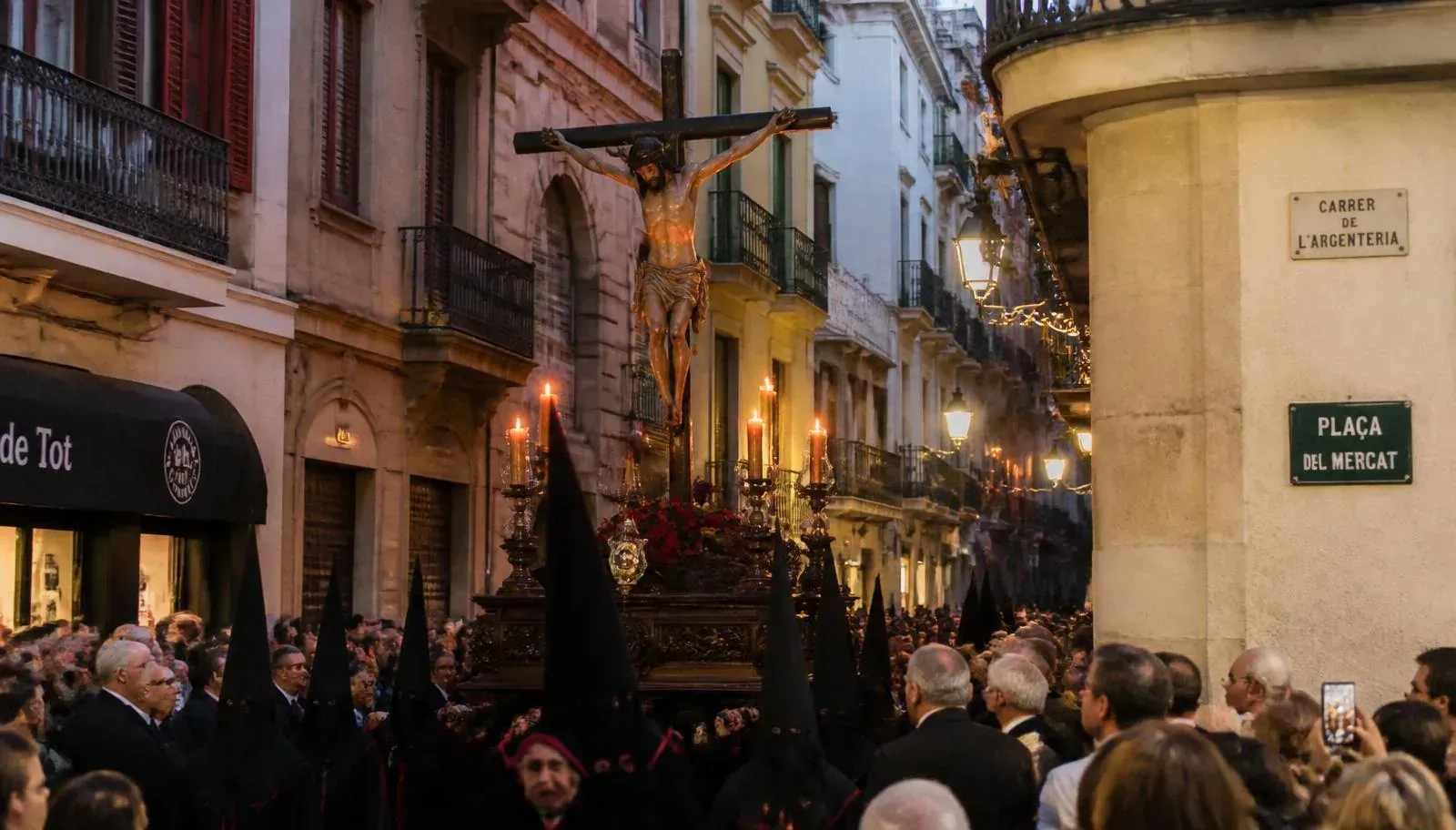
Easter processions in Palma
On Maundy Thursday, 33 brotherhoods with 45 pasos (processional floats) walk through the old town to the cathedral.
-
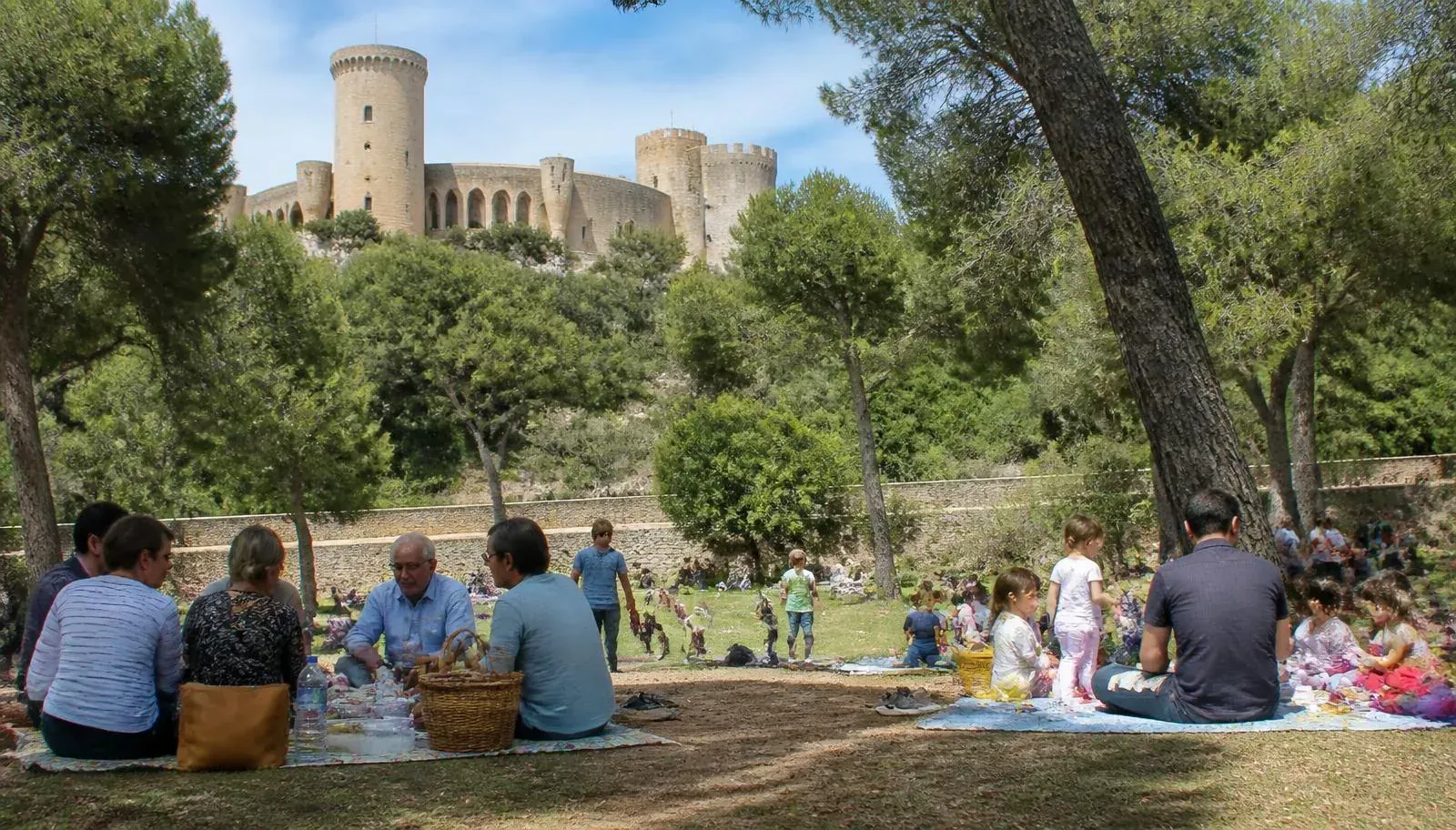
Pancaritats
On the Sunday after Easter, many Mallorcans head out into the countryside for a picnic – in Palma with music and dancing at the Diumenge de l'Àngel.
-
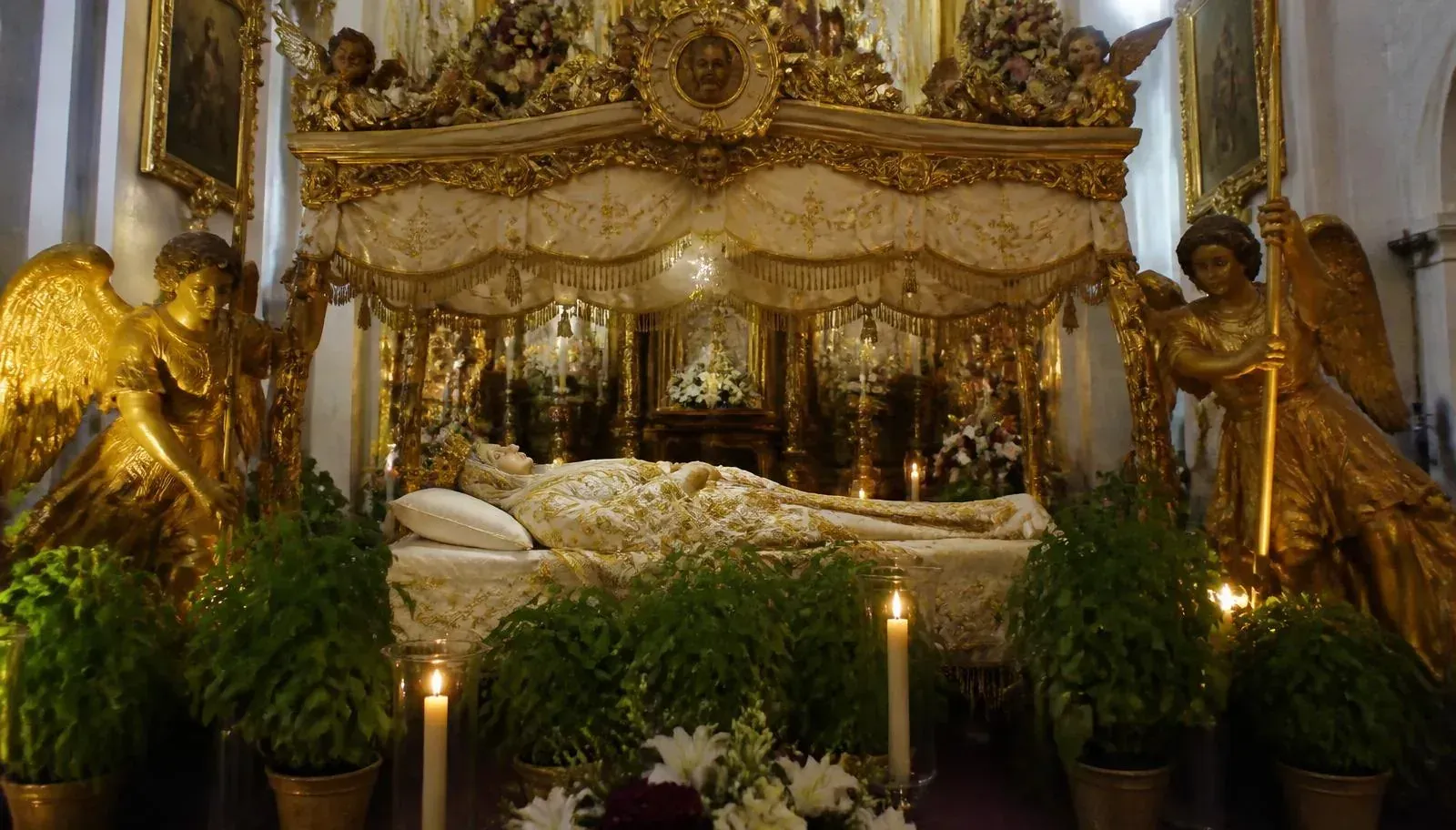
Assumption Day
In around 50 churches, a life-size figure of the Virgin Mary lies on a baroque bed of flowers, basil and carved straw for 15 August.
-
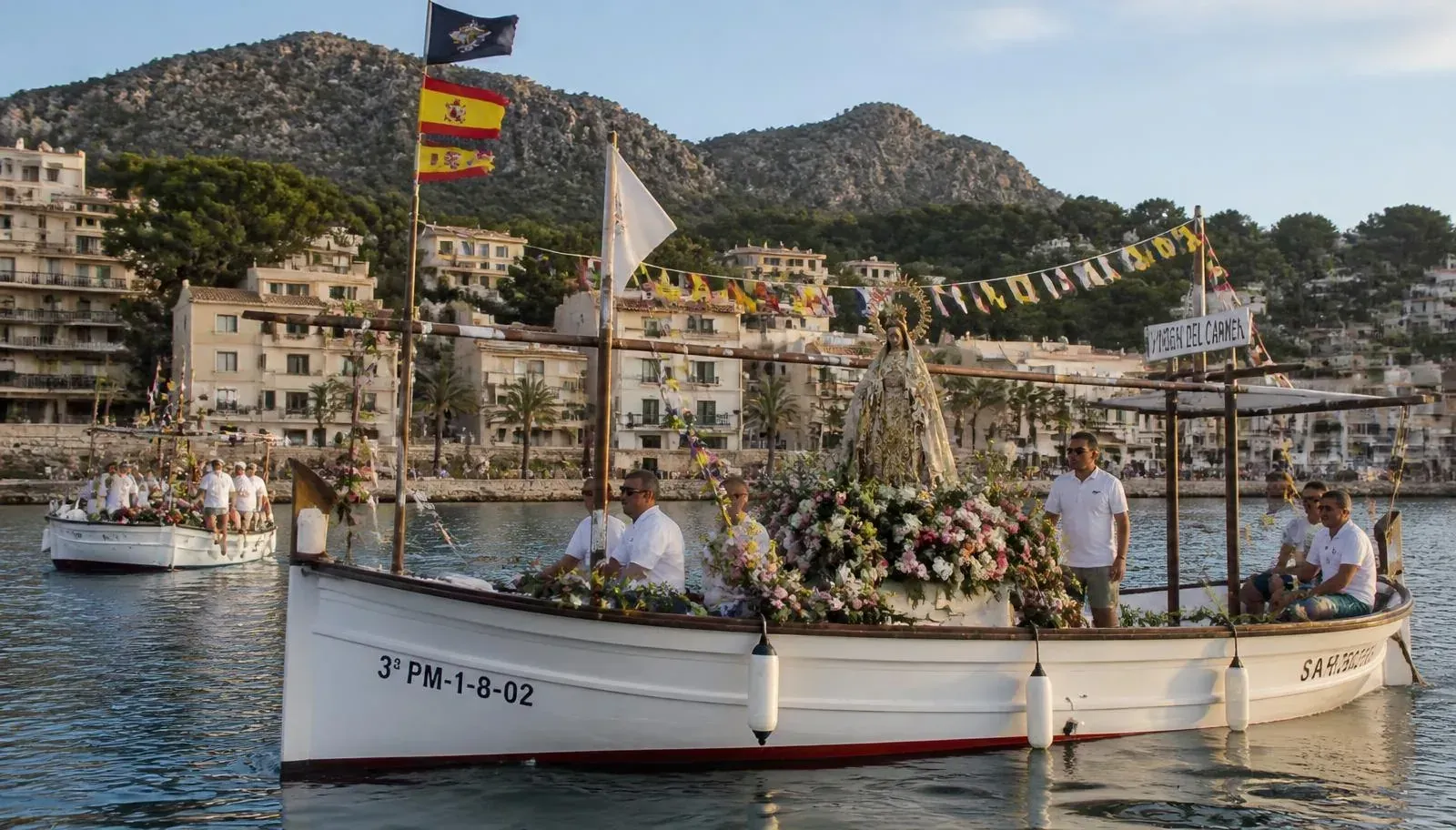
Virgen del Carme
Dozens of decorated fishing boats accompany the figure of the Virgin out to the open sea, while horn concerts and brass bands fill the harbour.
-
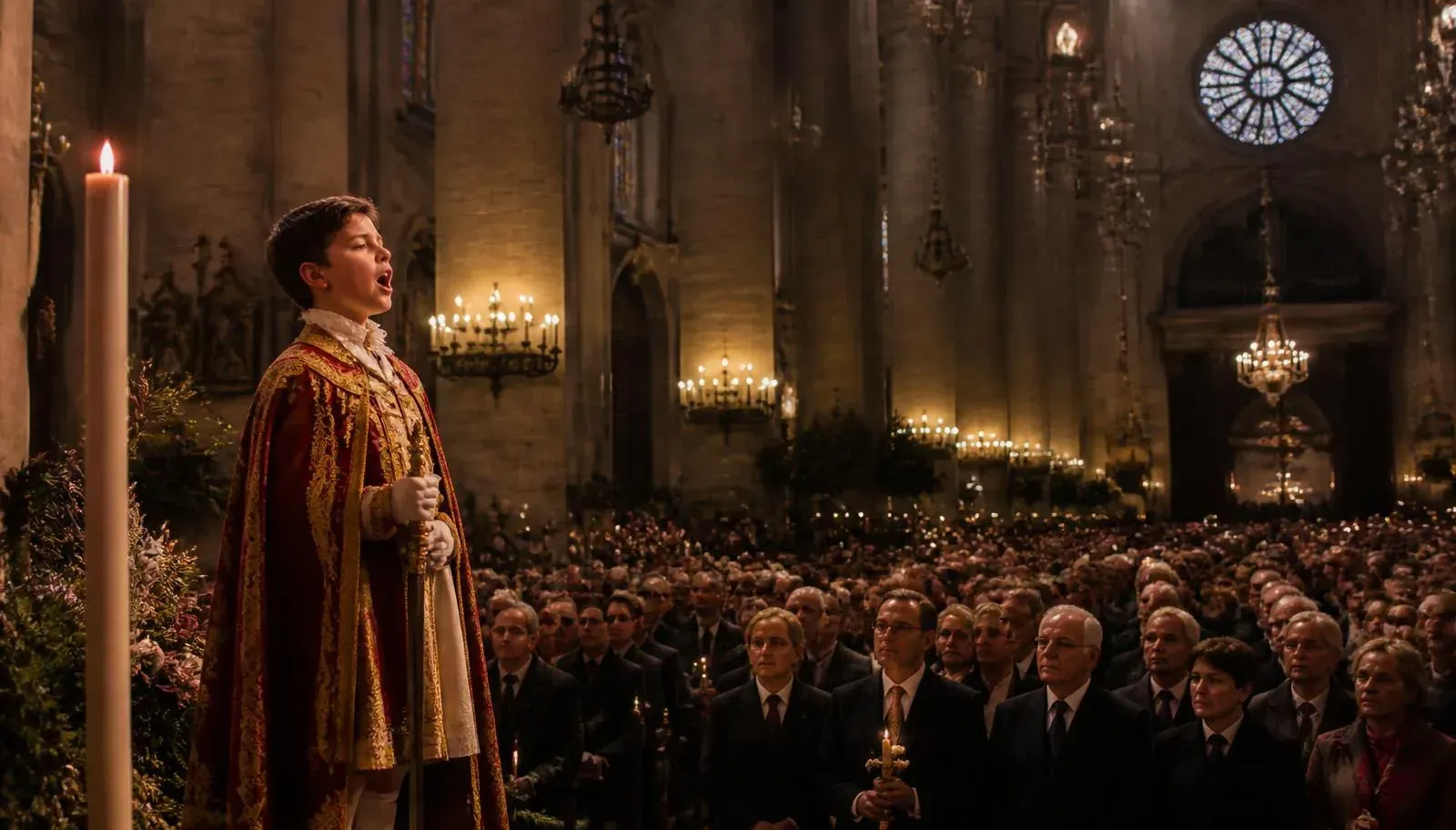
Cant de la Sibil·la
A young soloist in a white robe raises a sword and sings a cappella about the Last Judgement – UNESCO Intangible Cultural Heritage since 2010.
-
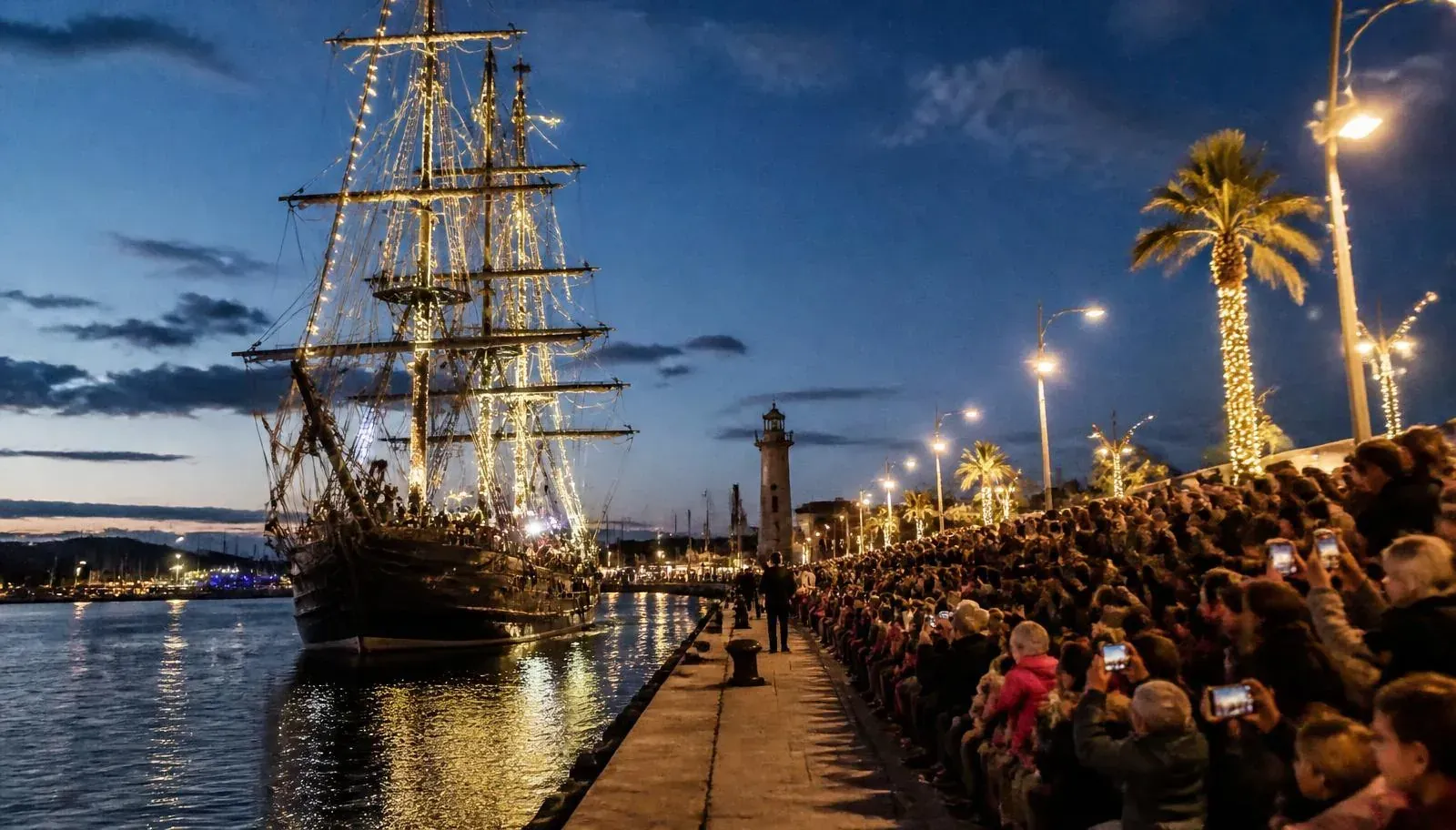
Three Kings
On the evening of 5 January, around 18:00, the Three Kings arrive at the Moll Vell and parade through Palma.
-
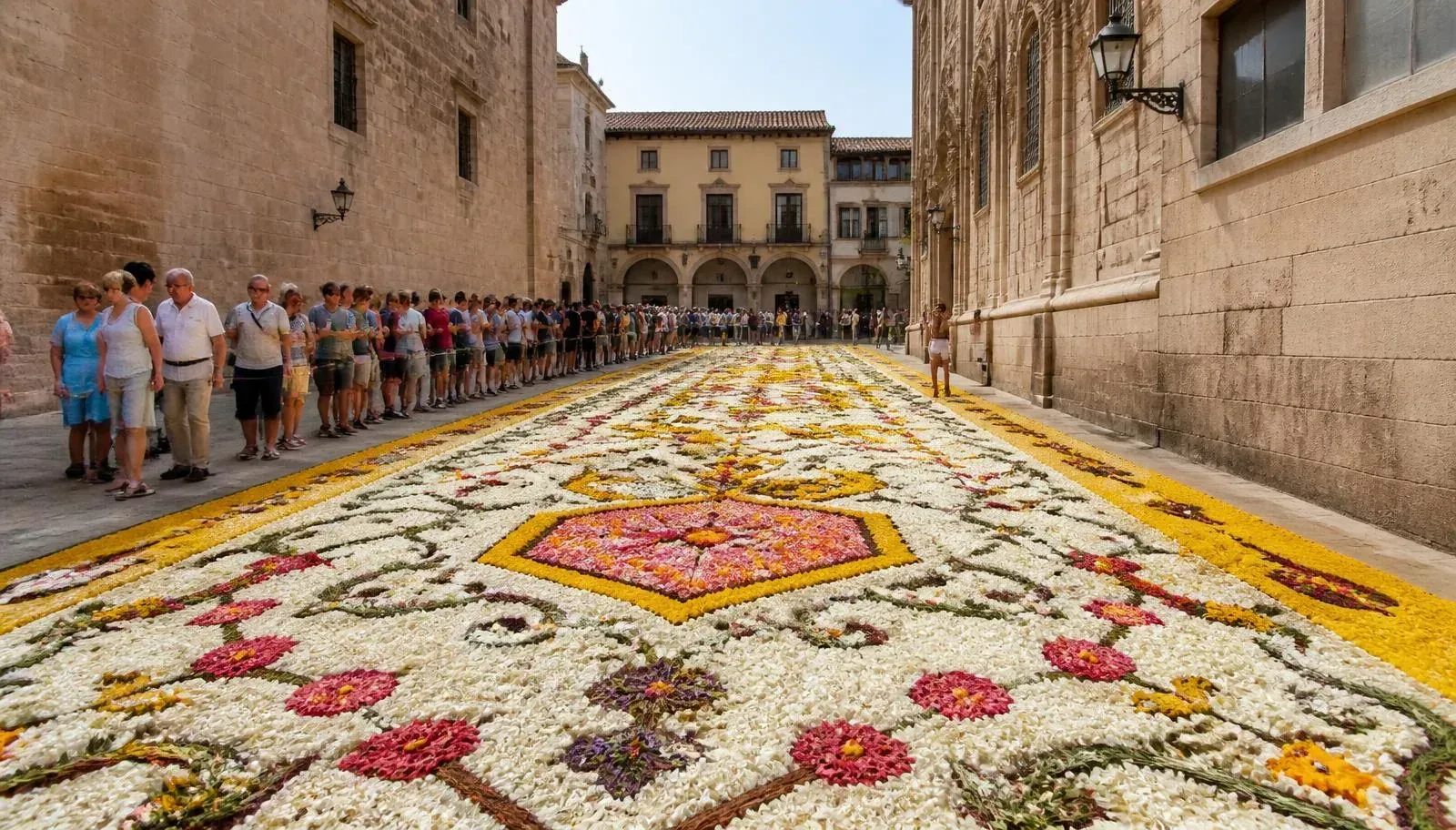
Corpus Christi
Petals are laid into a sacred pattern on the paving – before the procession passes over it.
-
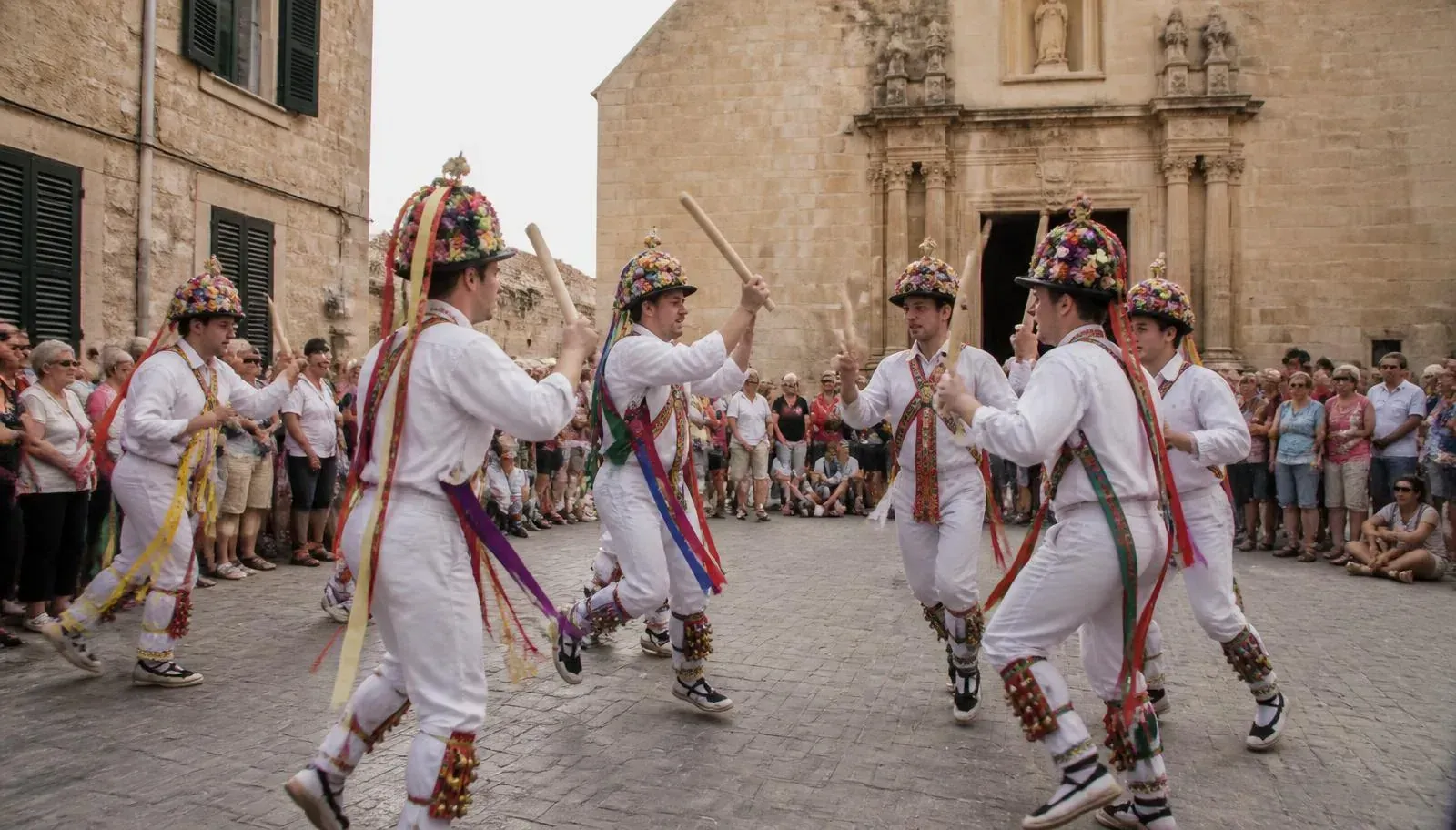
Cossiers
Six dancers, a lady and a devil: a traditional dance for the village festival.
-
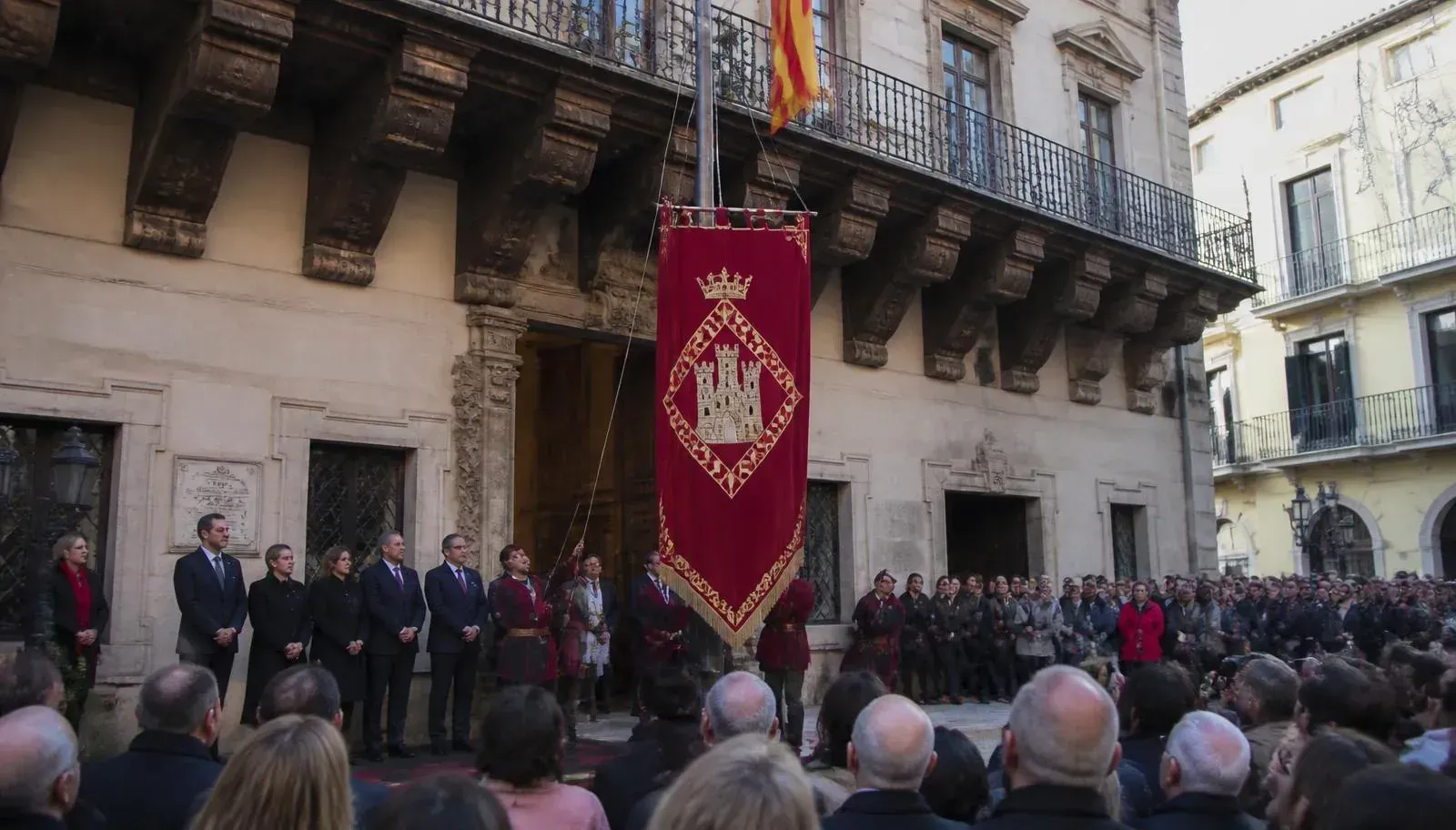
Festa de l'Estendard
For centuries, on the last day of the year, the royal standard is raised on Plaça de Cort.
-
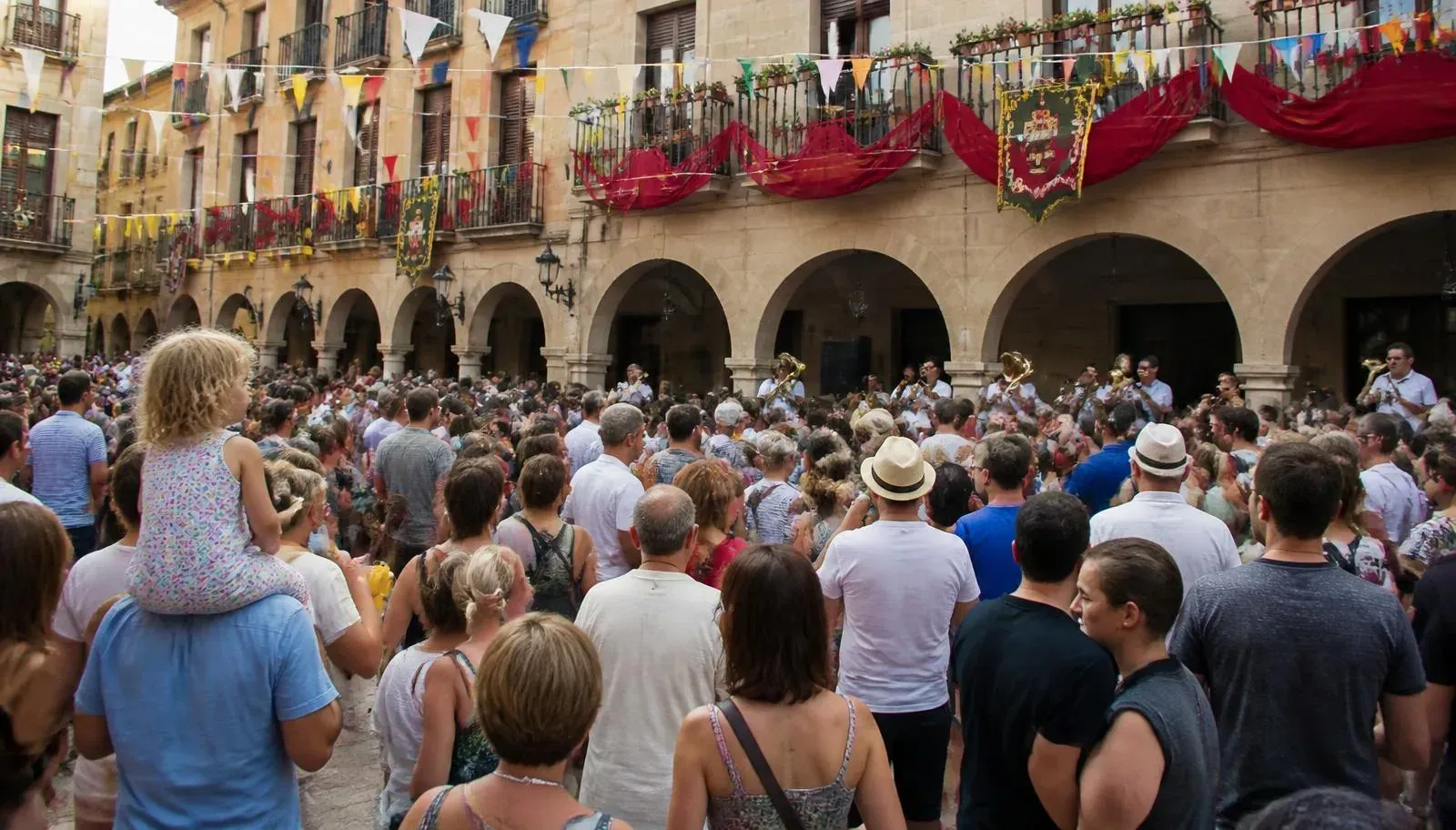
Festa de la Patrona Pollença
On 2 August Pollença celebrates its patron saint – a festival somewhere between patronal Mass and historical remembrance.
-
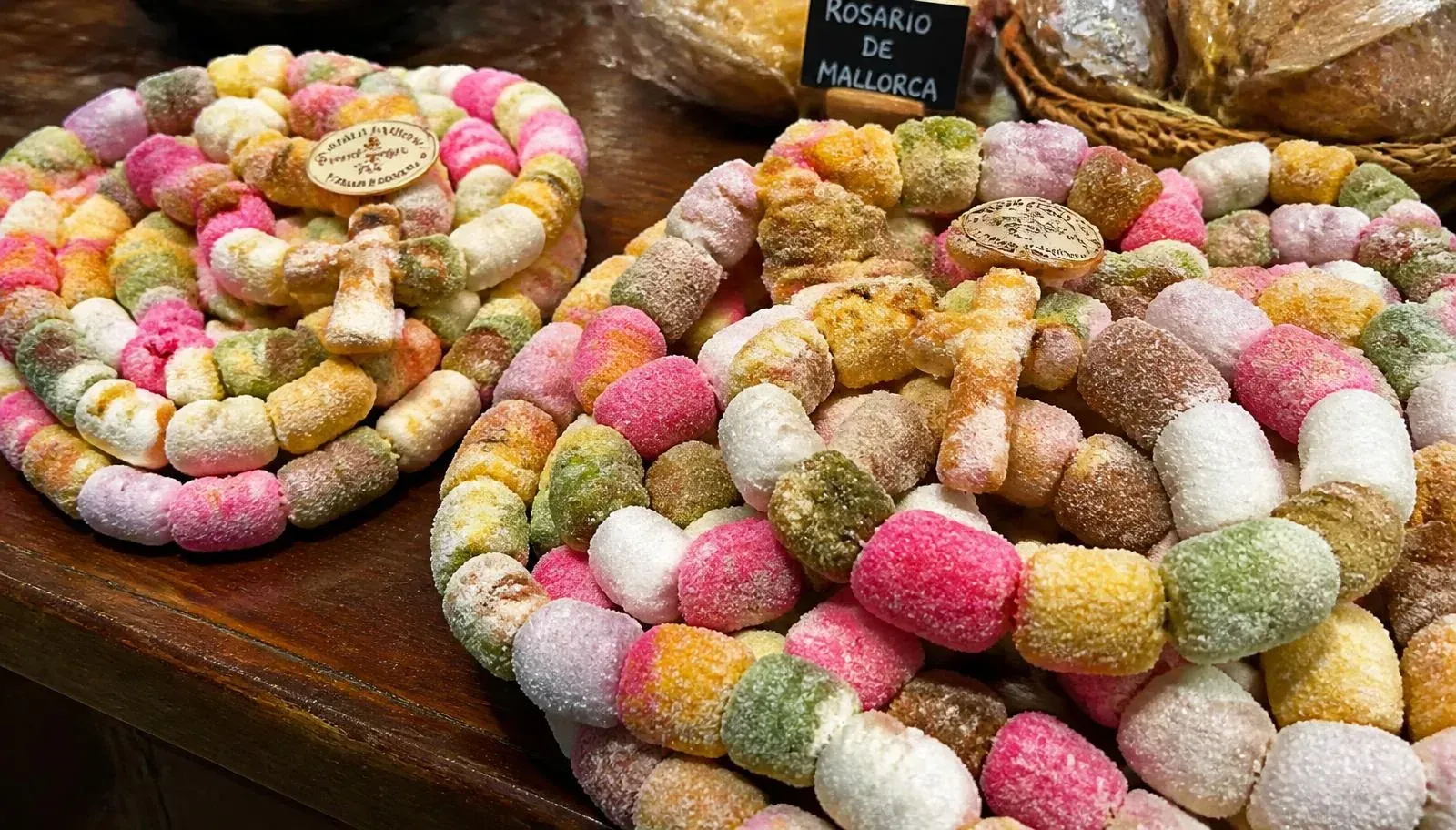
Rosaris Ensucrats
A rosary of sugared beads given to godchildren at the beginning of November – sweet, colourful and almost forgotten.
Frequently asked questions
When is the Mare de Déu de la Salut?
On 7 and 8 September, on the same date every year. The flower offering takes place on 7 September.
What is the flower offering?
The Ofrena Floral: thousands of residents in traditional Mallorcan dress walk to the church of Sant Miquel and cover its façade with flowers.
Is the festival well known among tourists?
Hardly. It is very much carried by the city’s residents and rarely features in travel programmes – which is exactly what makes it worth seeing.
Where exactly does it take place?
On Carrer de Sant Miquel and at the church of the same name in the centre of Palma, a few minutes from Plaça Major.
Next steps
This page belongs to the topic area Church festivals & traditions and can be found at /en-gb/mare-de-deu-de-la-salut-palma.