



Church festivals & traditions
Cant de la Sibil·la: the Song of the Sibyl on Christmas Night
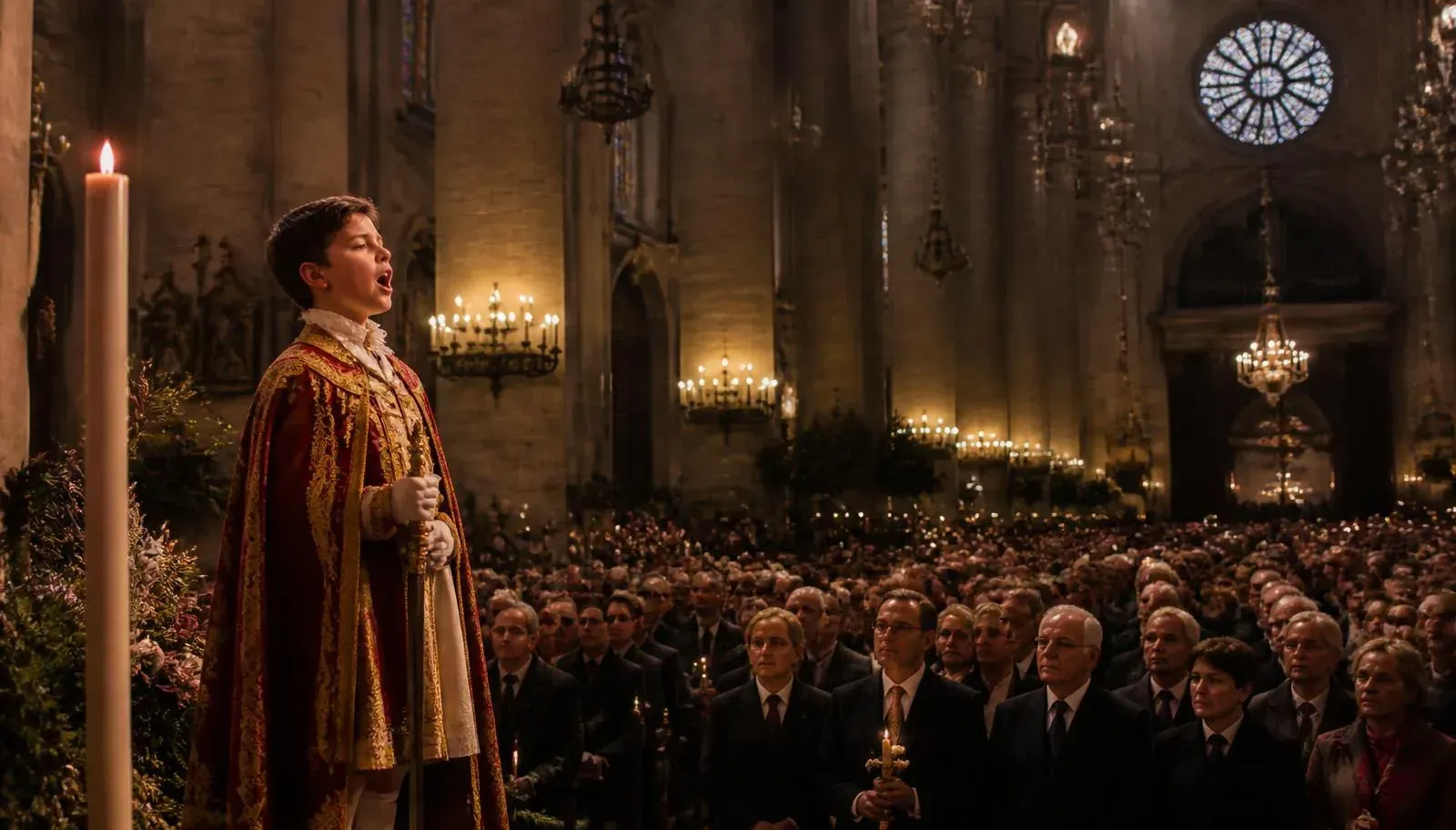
A young soloist in a white robe raises a sword and sings a cappella about the Last Judgement – UNESCO Intangible Cultural Heritage since 2010.
UNESCO Intangible Cultural Heritage since 2010: the Song of the Sibyl on Christmas Night.
In brief
What is the Cant de la Sibil·la?
The Cant de la Sibil·la is a medieval, prophetic solo chant performed on Mallorca on the night of 24 December at Midnight Mass. A child or teenager in a white robe walks to the altar holding a raised sword and sings, unaccompanied, about the Last Judgement. Since 2010 the custom has been part of UNESCO's Intangible Cultural Heritage.
Fixed date December
Quick facts
- When
- 24 December, at Midnight Mass
- Where
- La Seu Cathedral (Palma), Lluc Monastery and many parish churches
- Duration
- Chant a few minutes, Mass around 90 minutes
- Admission
- free, limited admission
- Who it's for
- Culture lovers, music lovers, winter travellers
- Special feature
- UNESCO Intangible Cultural Heritage that is not performed but celebrated
- Date rule
- Fixed date 24 December, at the Missa del Gall (Midnight Mass).
Note on currency
This information is updated before each season, in particular admission and start times and the reservation notes for La Seu Cathedral.
Location: La Seu Cathedral (Palma), Lluc Monastery and many parish churches.
What is the Cant de la Sibil·la?
The chant goes back to a medieval Latin poem about the Last Judgement that survived on Mallorca in the Catalan language. After the Council of Trent it was banned and abandoned almost everywhere – on Mallorca only briefly: it was reinstated there as early as 1575 and has been in use ever since. A version of its own has also survived in Alghero on Sardinia.
It is sung solo and without instruments, interrupted only by an organ interlude. The raised sword stands for the Judgement at the end of time.
UNESCO status
In 2010 UNESCO added the Cant de la Sibil·la to the list of the Intangible Cultural Heritage of Humanity – one of the few liturgical practices worldwide with this status. The deciding factor was that the chant has remained a living practice and was not reconstructed.
Where can you experience it?
The most impressive setting is La Seu Cathedral in Palma, where Midnight Mass is celebrated in full and the crowds are correspondingly large. Quieter, but musically outstanding, is Lluc Monastery with the Blauets boys' choir.
- La Seu Cathedral, Palma: grandest setting, arrive very early
- Lluc Monastery: Blauets choir, mountain backdrop, much quieter
- Parish churches in Sineu, Pollença, Sóller and many villages: no crowds
Practical information
Midnight Mass is a church service, not a concert: there are no tickets, applause is not customary, and even if you only want to hear the chant you should stay for the whole Mass. At La Seu it is advisable to arrive well before the start, as seats are limited.
Tips for your visit
- For La Seu, arrive well before the start; the cathedral fills up quickly on Christmas Eve.
- Dress warmly: the inside of the cathedral is cold in December.
- If you want to avoid the crowds, choose a village church – the chant is the same custom.
- Don't take photos during the singing.
Who is it worthwhile for?
A good fit for:
- Music and culture lovers
- Winter travellers
- Anyone spending Christmas on Mallorca
Less suited to:
- Anyone expecting a concert format with reserved seating
- Very young children, because of the late hour
Similar events
More church festivals & traditions
-
Easter on Mallorca
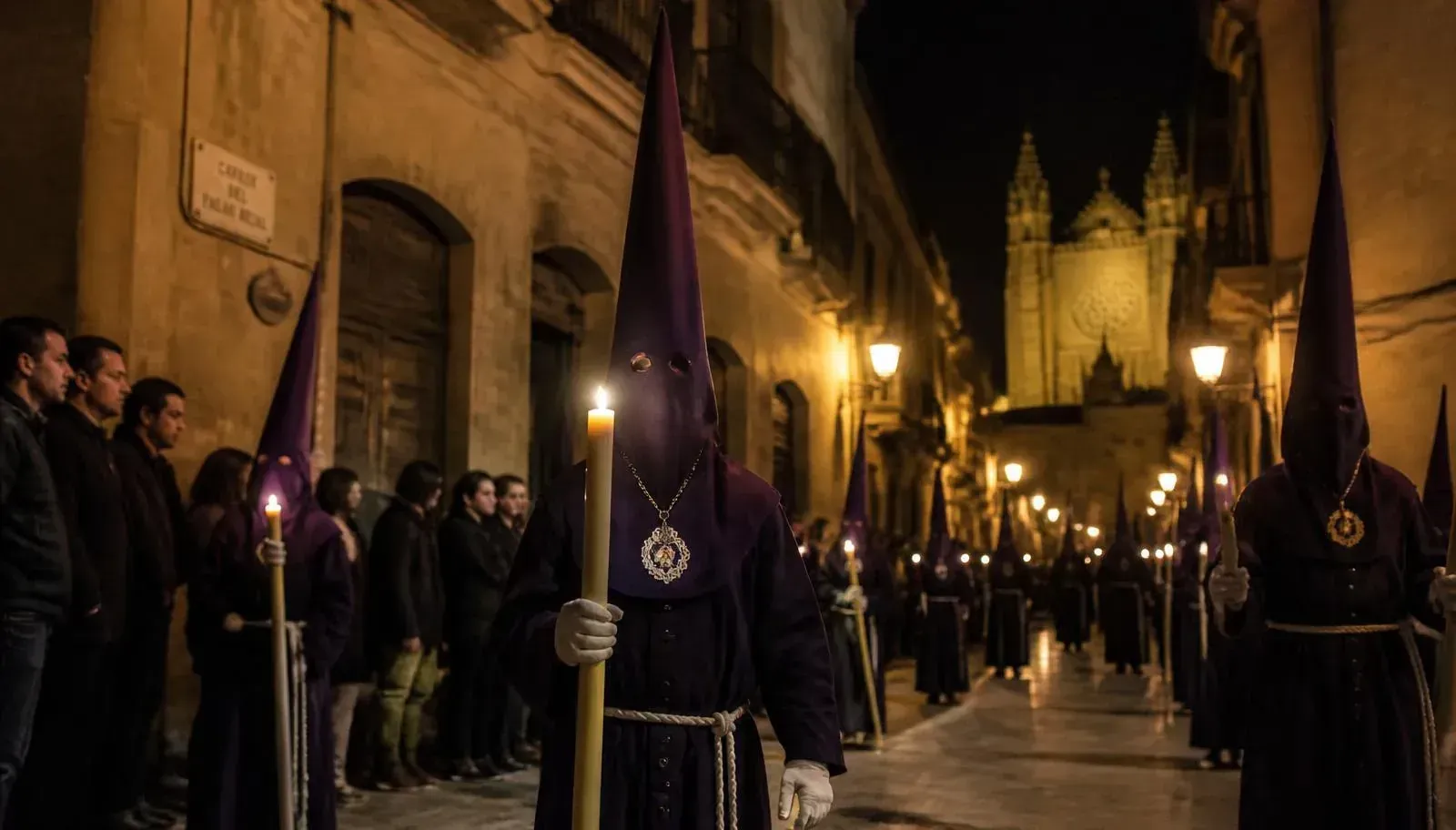
For a week, brotherhoods process with candles through the old towns before trumpets and flowers ring in the spring on Easter Sunday.
-
Semana Santa Mallorca
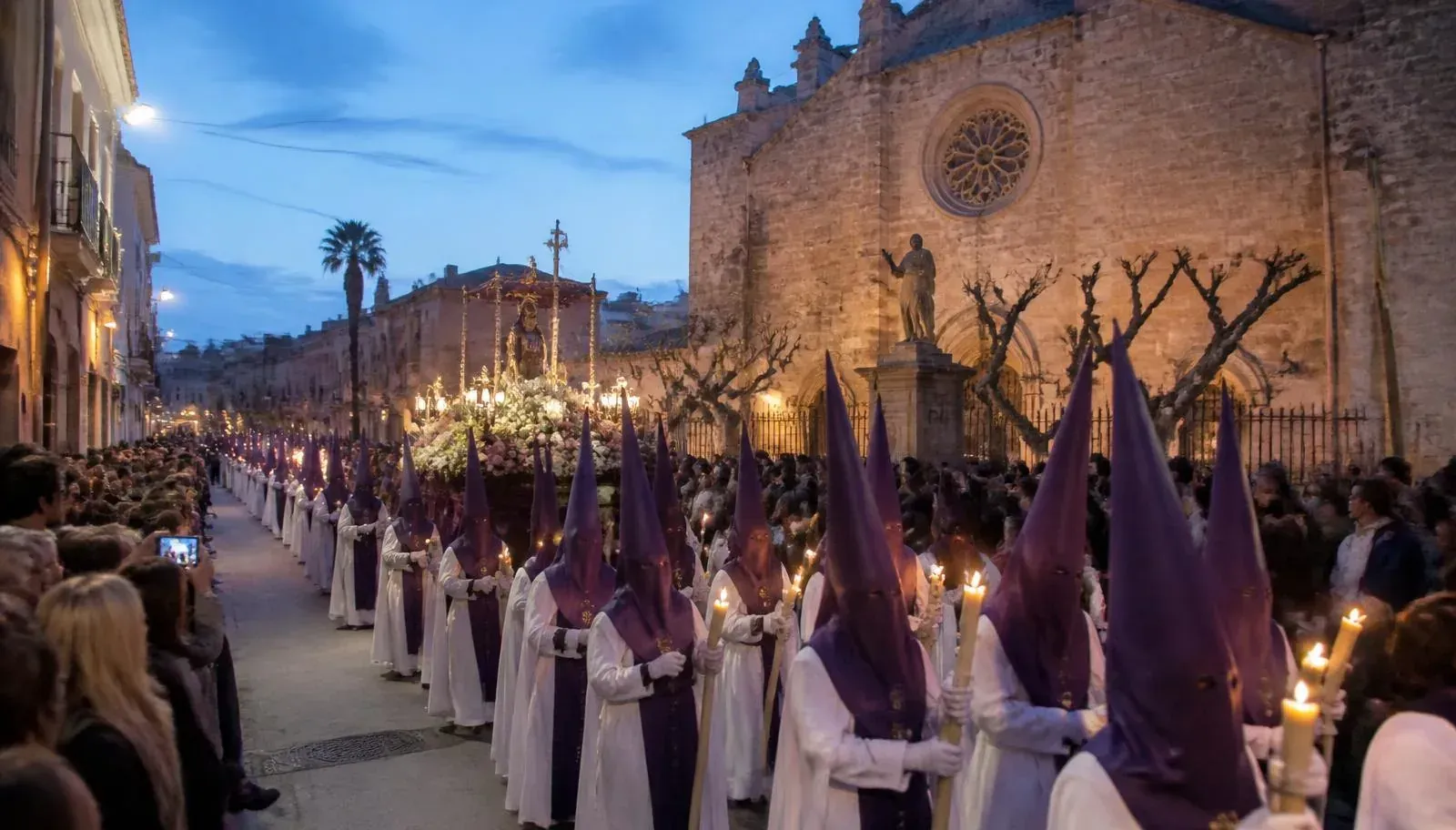
Seven days, seven different scenes: from the blessing of the palms on Sunday morning to the meeting of the figures on Easter morning.
-
Good Friday on Mallorca
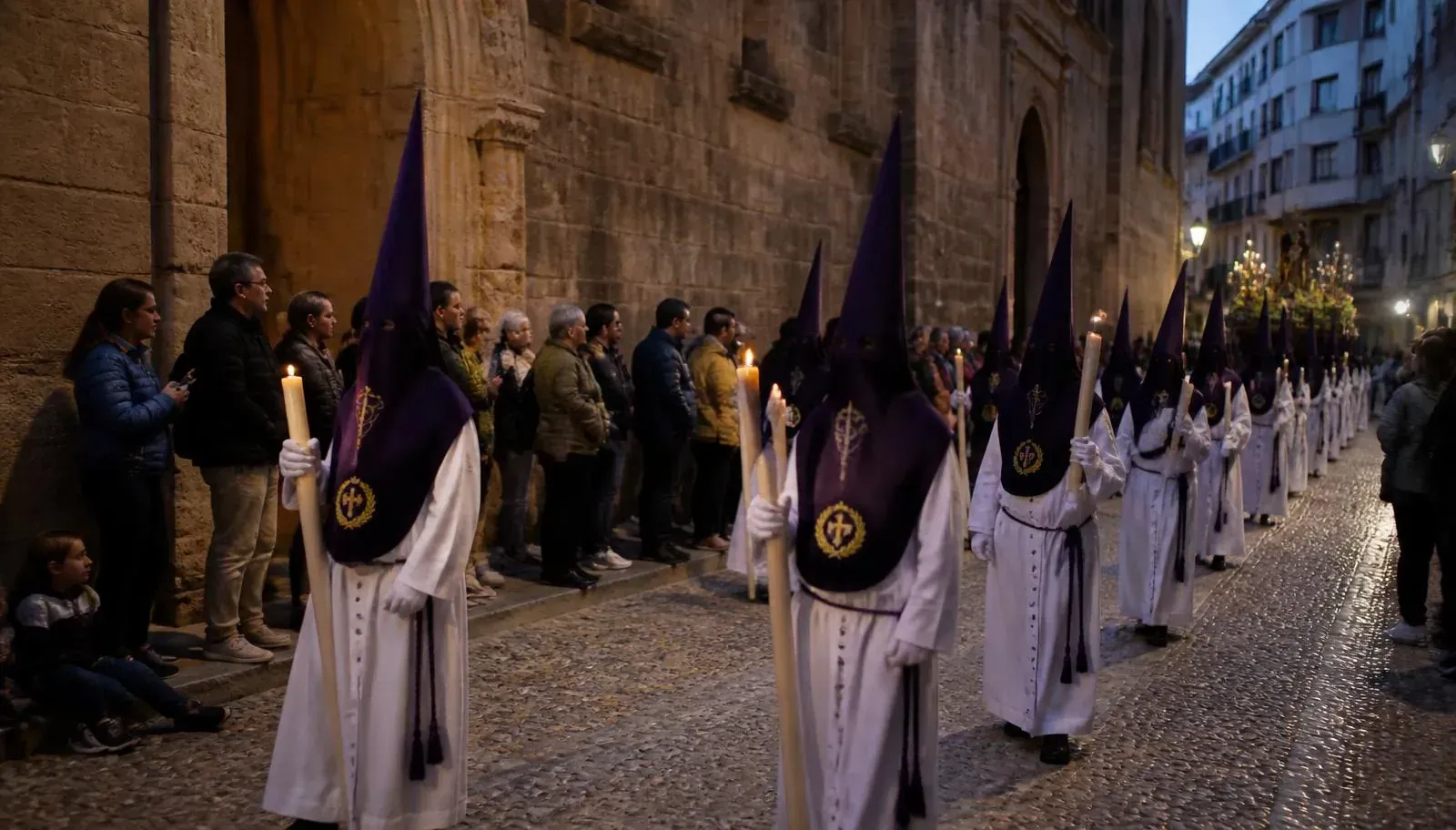
A quiet public holiday with shops closed during the day, processions in the evening.
-
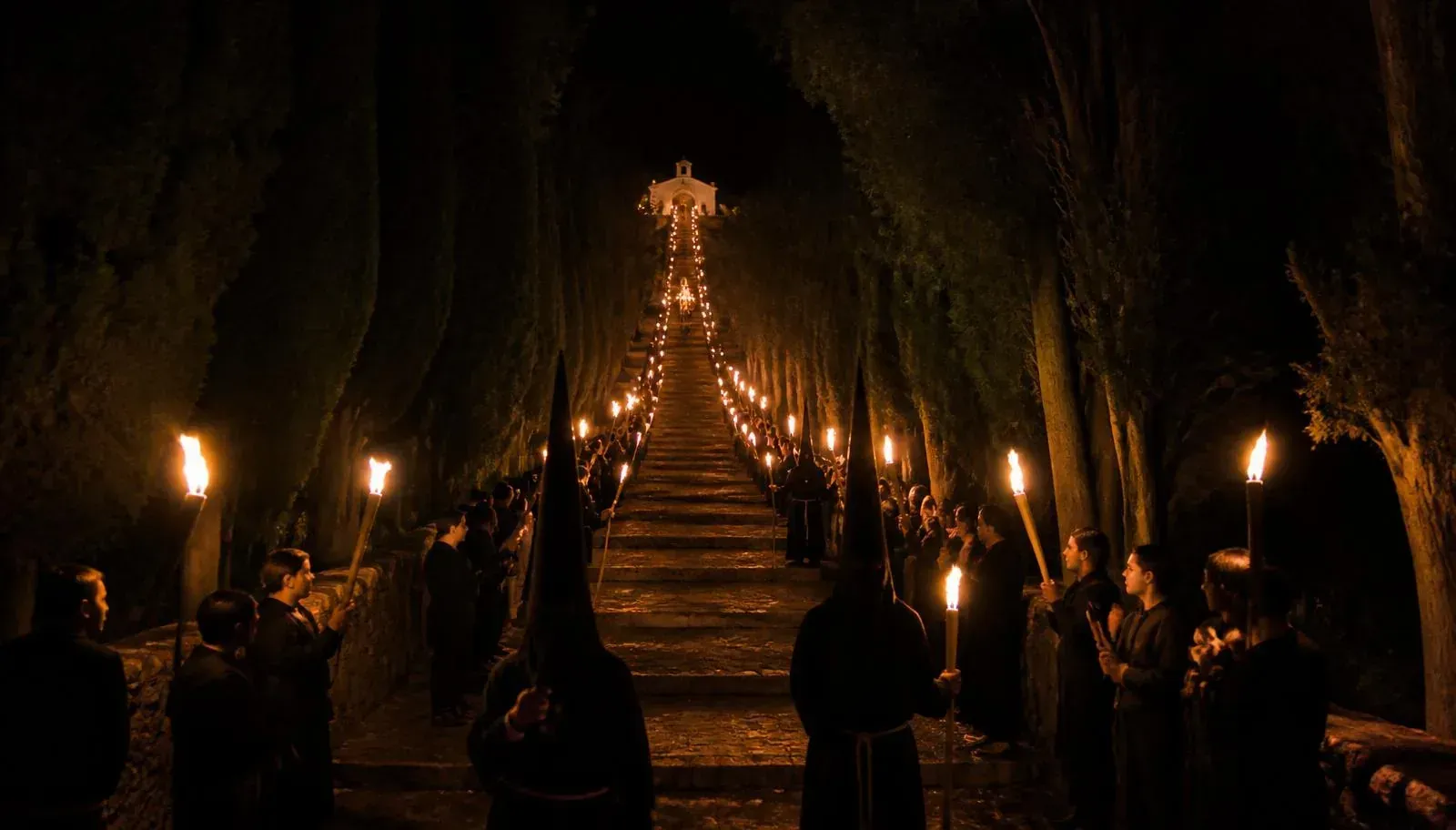
Devallament Pollença
The Deposition from the Cross at the Calvari, followed by a torchlight procession down the steps.
-
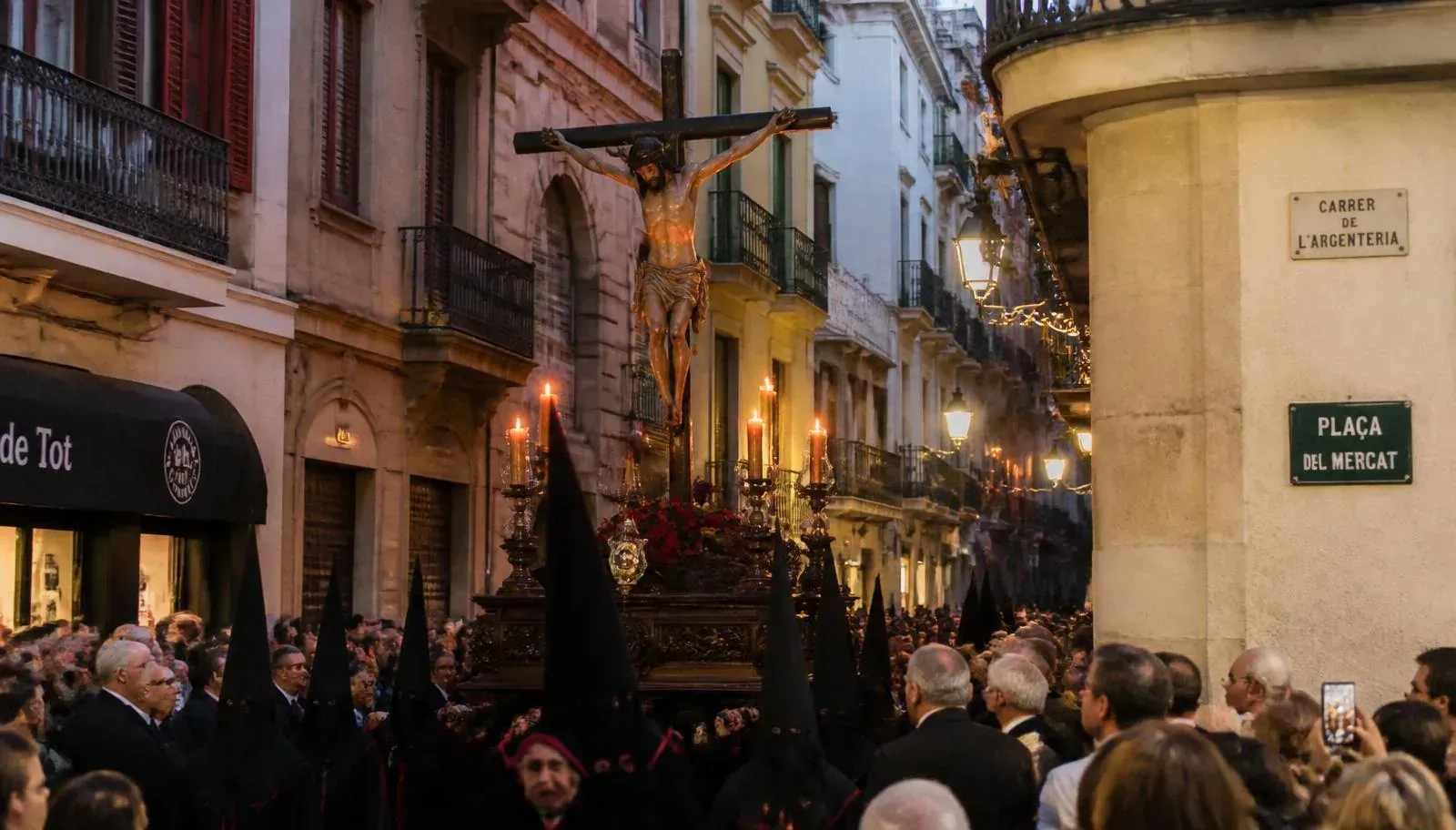
Easter processions in Palma
On Maundy Thursday, 33 brotherhoods with 45 pasos (processional floats) make their way through the old town to the cathedral.
-
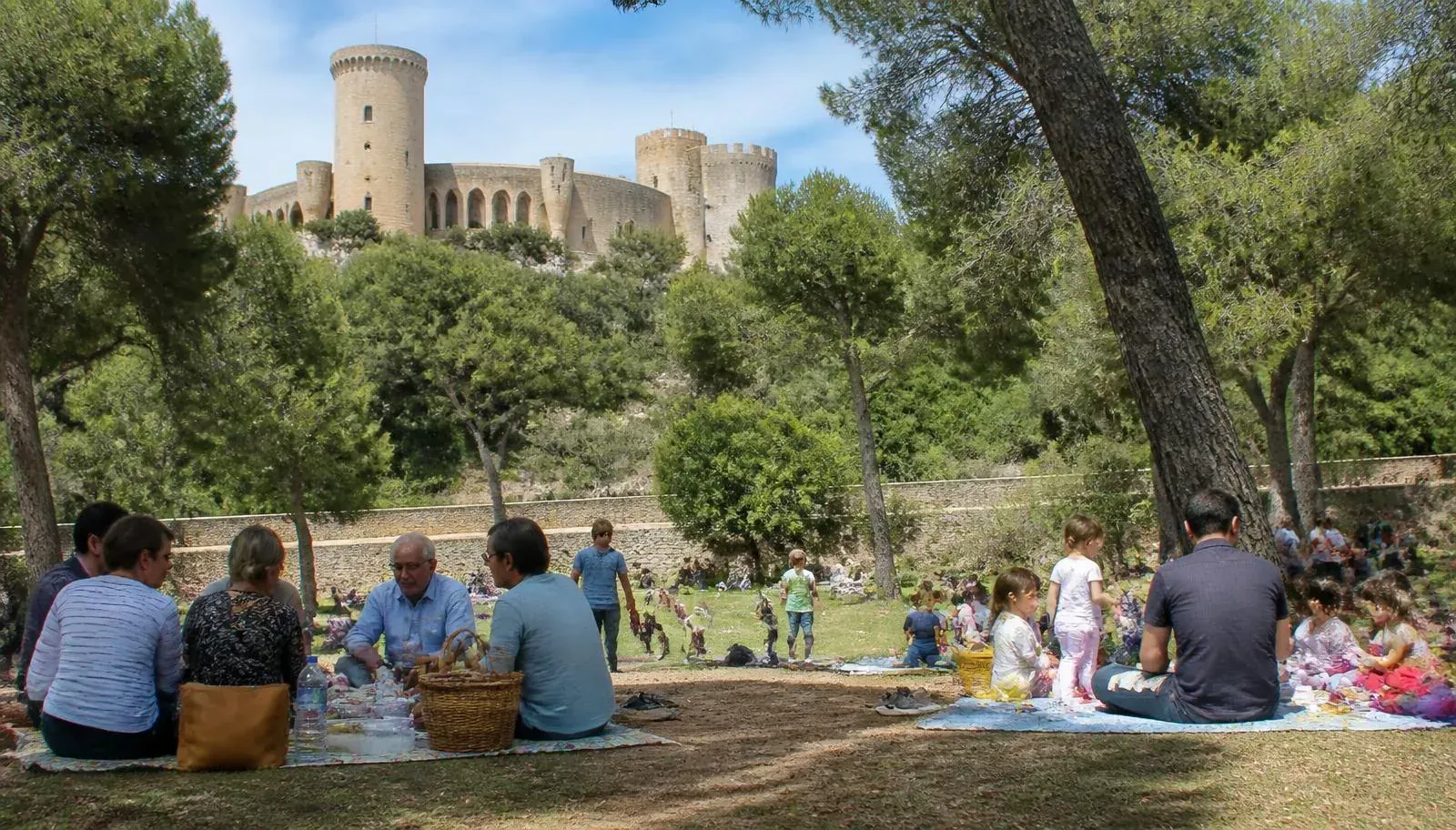
Pancaritats
On the Sunday after Easter many Mallorcans head out into the countryside for a picnic – in Palma with music and dancing at the Diumenge de l'Àngel.
-
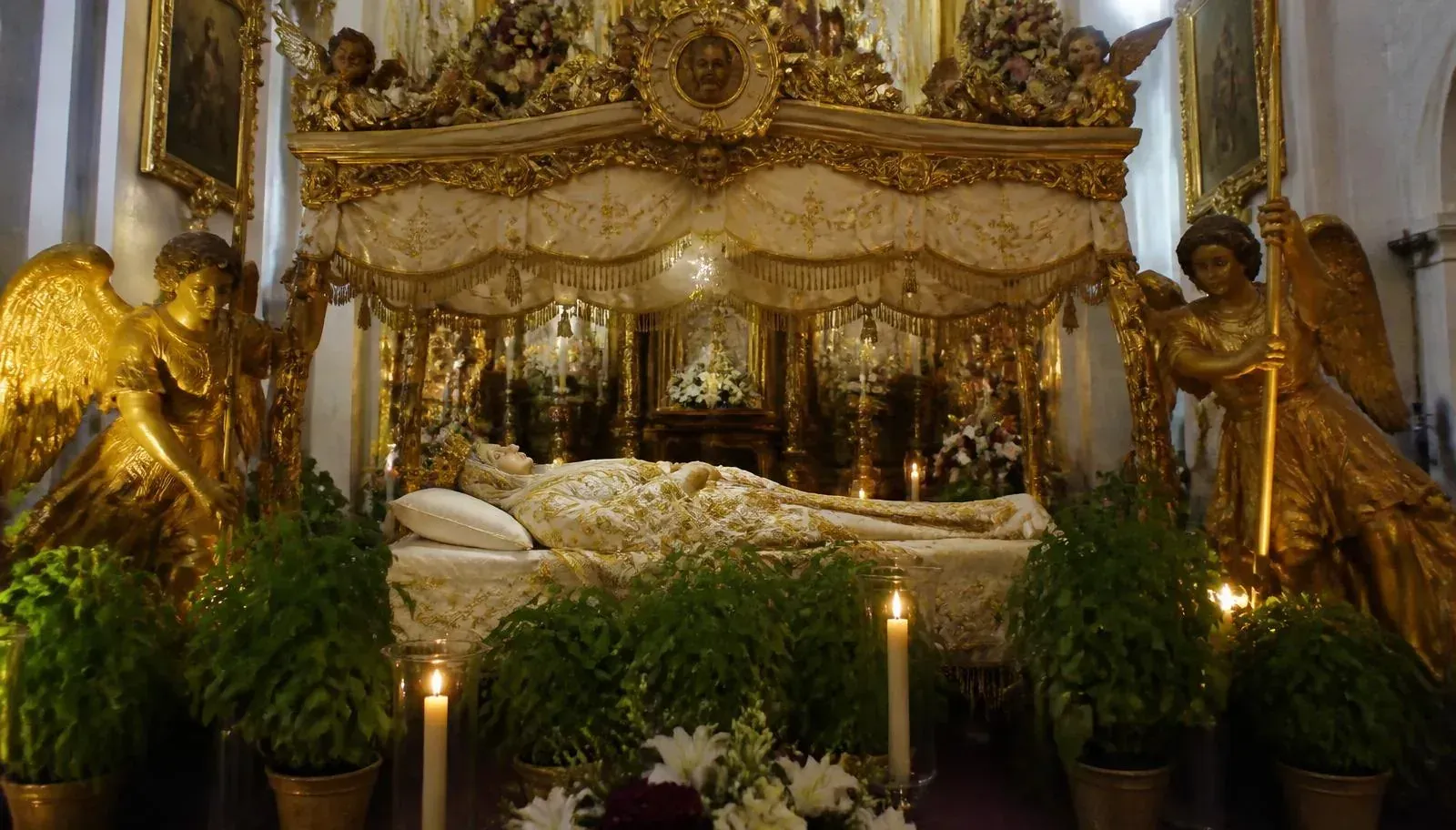
Assumption Day
In around 50 churches, a life-size figure of the Virgin lies on a Baroque bed of flowers, basil and carved straw for 15 August.
-
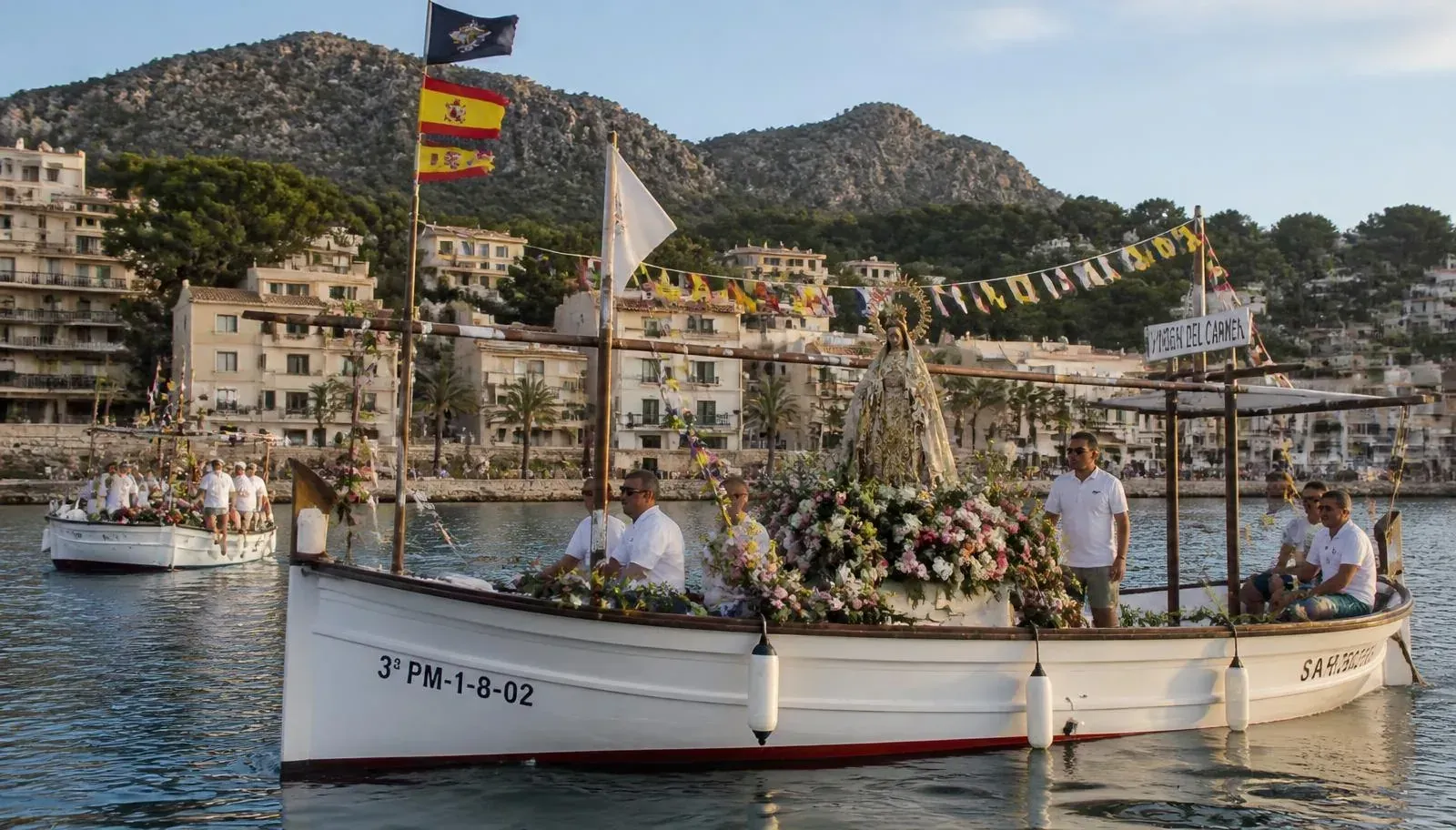
Virgen del Carme
Dozens of decorated fishing boats escort the figure of the Virgin out to sea, while blaring horns and brass bands fill the harbour.
-
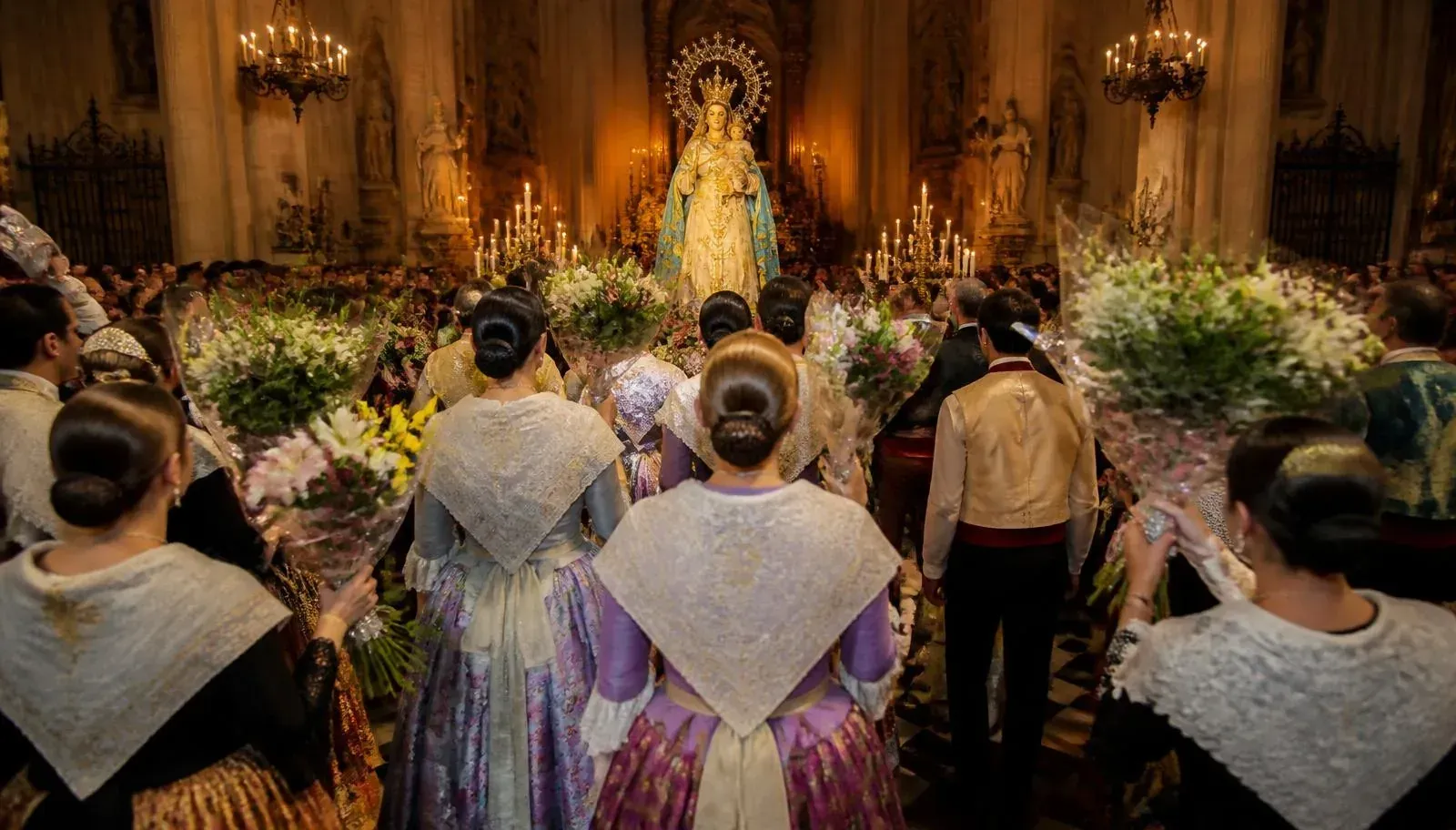
Mare de Déu de la Salut
During the flower offering, the facade of the church of Sant Miquel is decorated with flowers – a festival of the city.
-
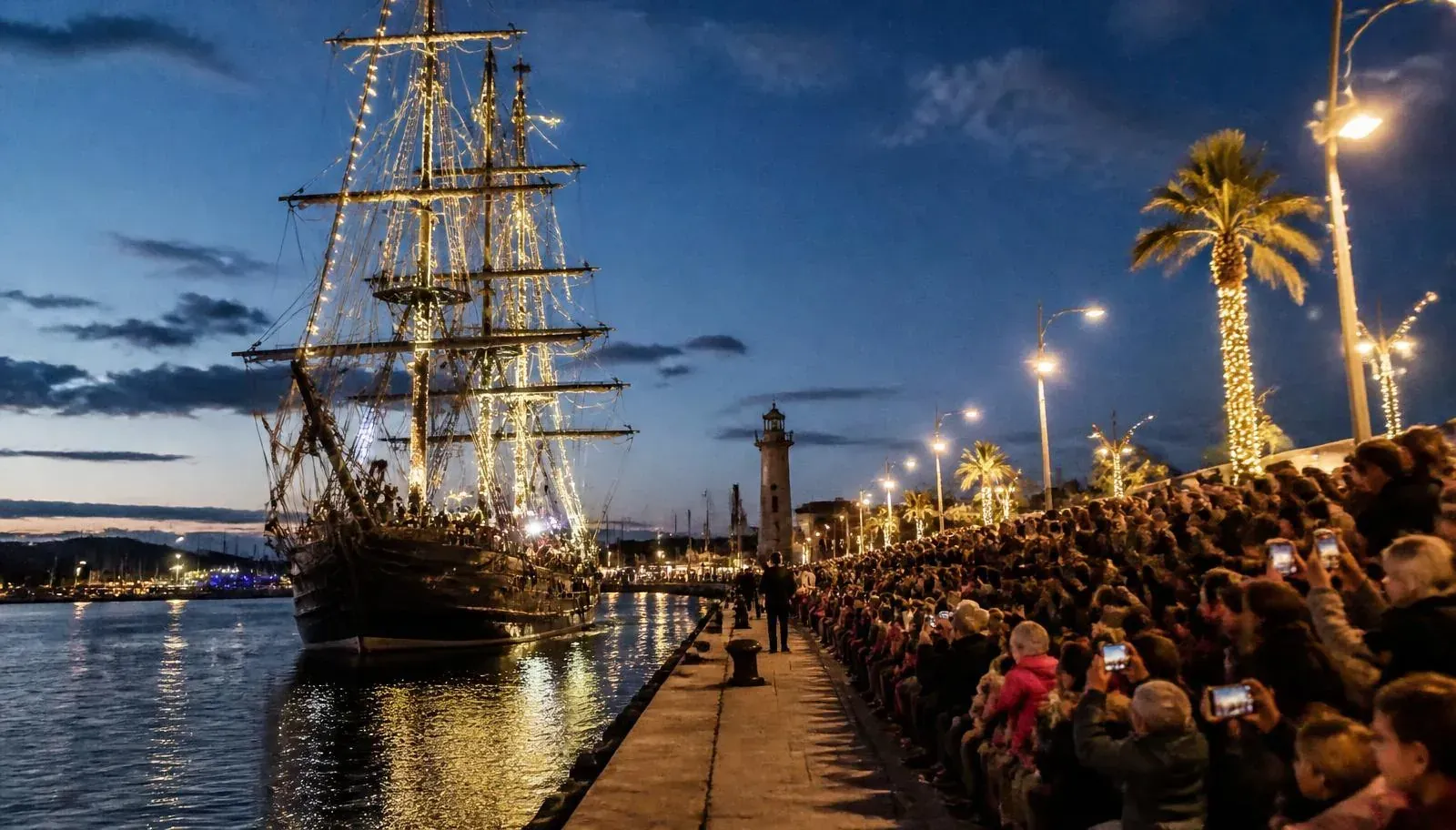
Three Kings
On the evening of 5 January at around 18:00, the Three Kings arrive at the Moll Vell and parade through Palma.
-
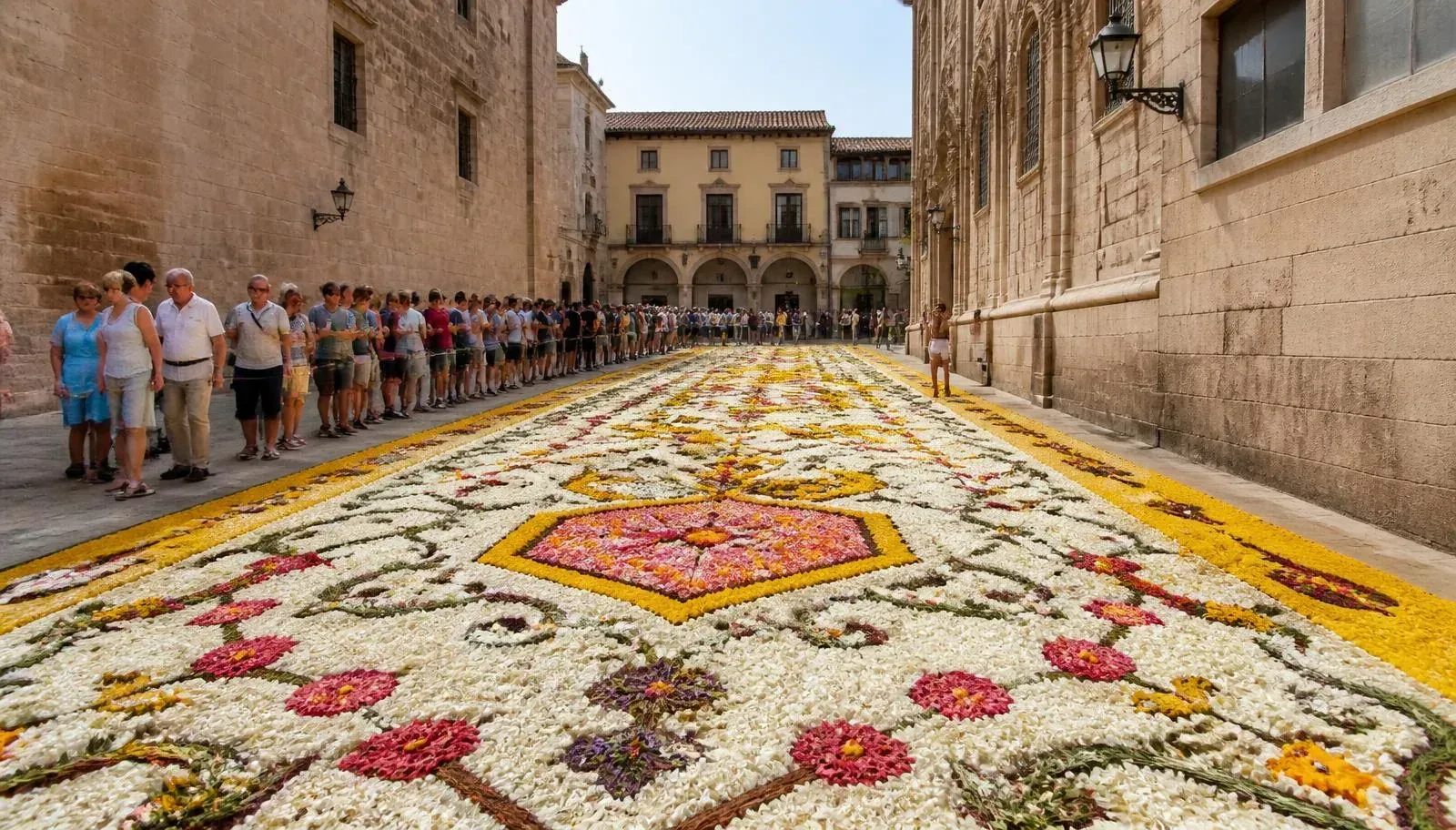
Corpus Christi
Petals form a sacred pattern on the paving – before the procession walks over it.
-
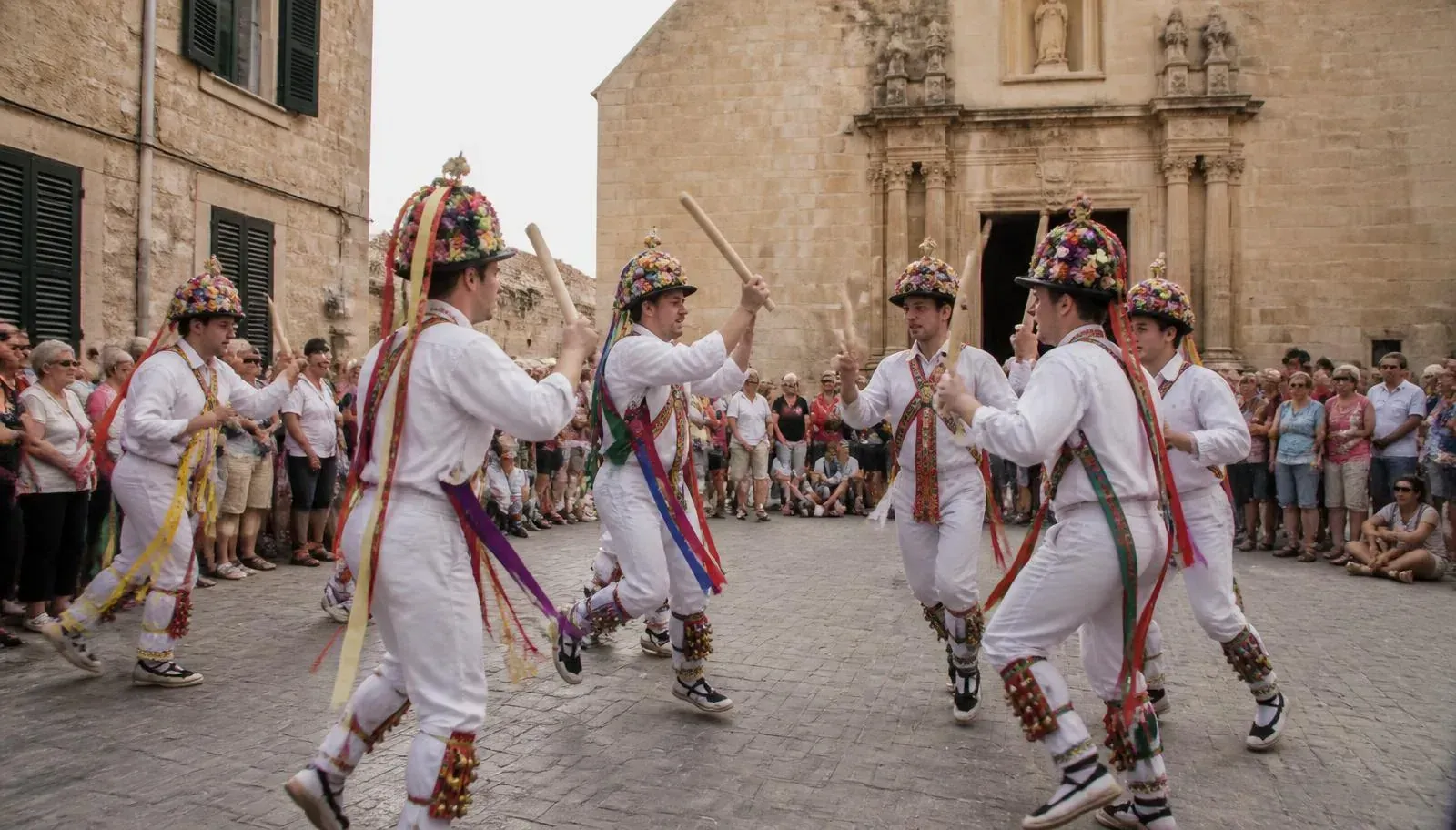
Cossiers
Six dancers, a lady and a devil: a traditional dance for the town festival.
-
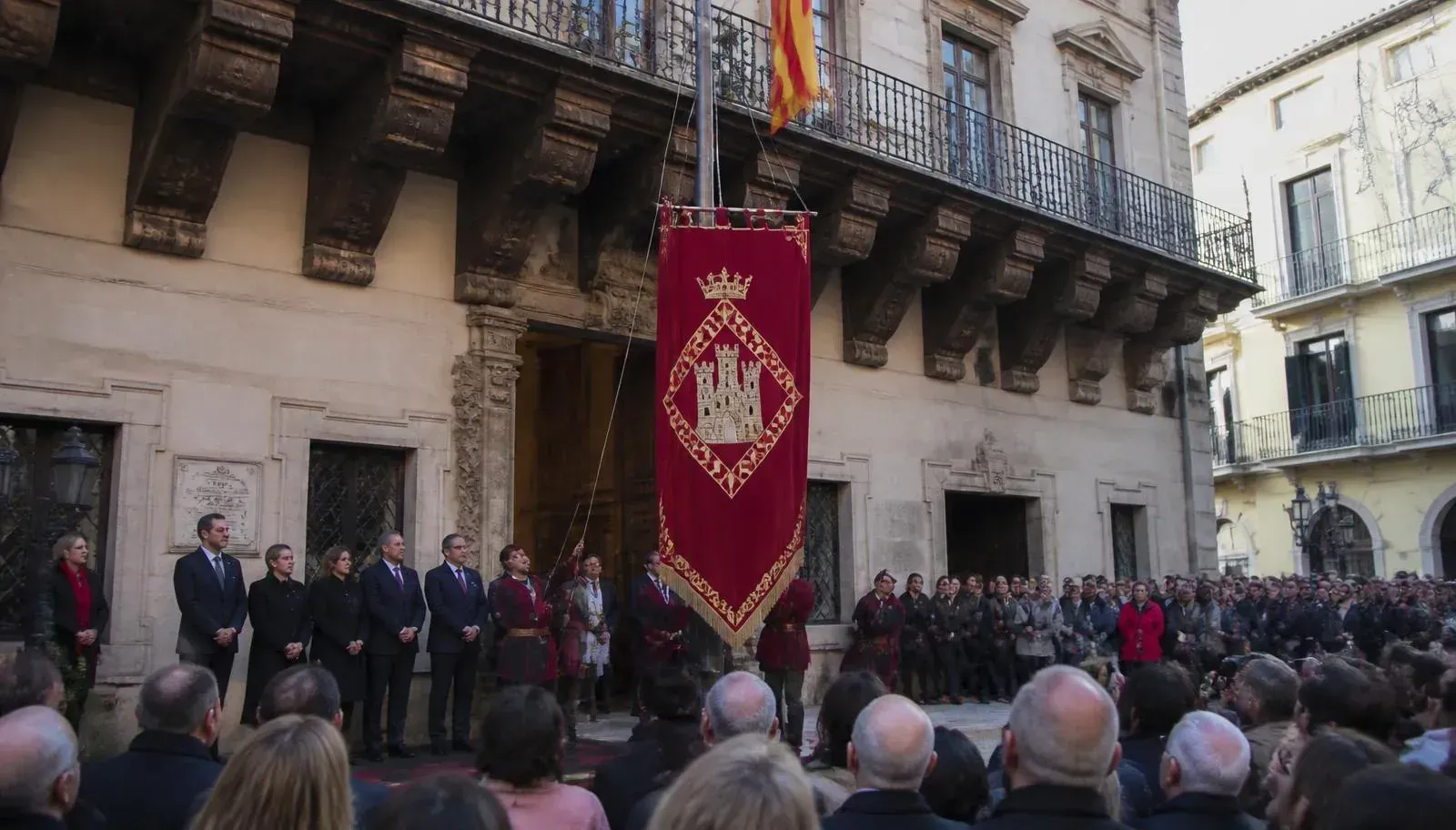
Festa de l'Estendard
For centuries, on the last day of the year, the royal standard is raised on the Plaça de Cort.
-
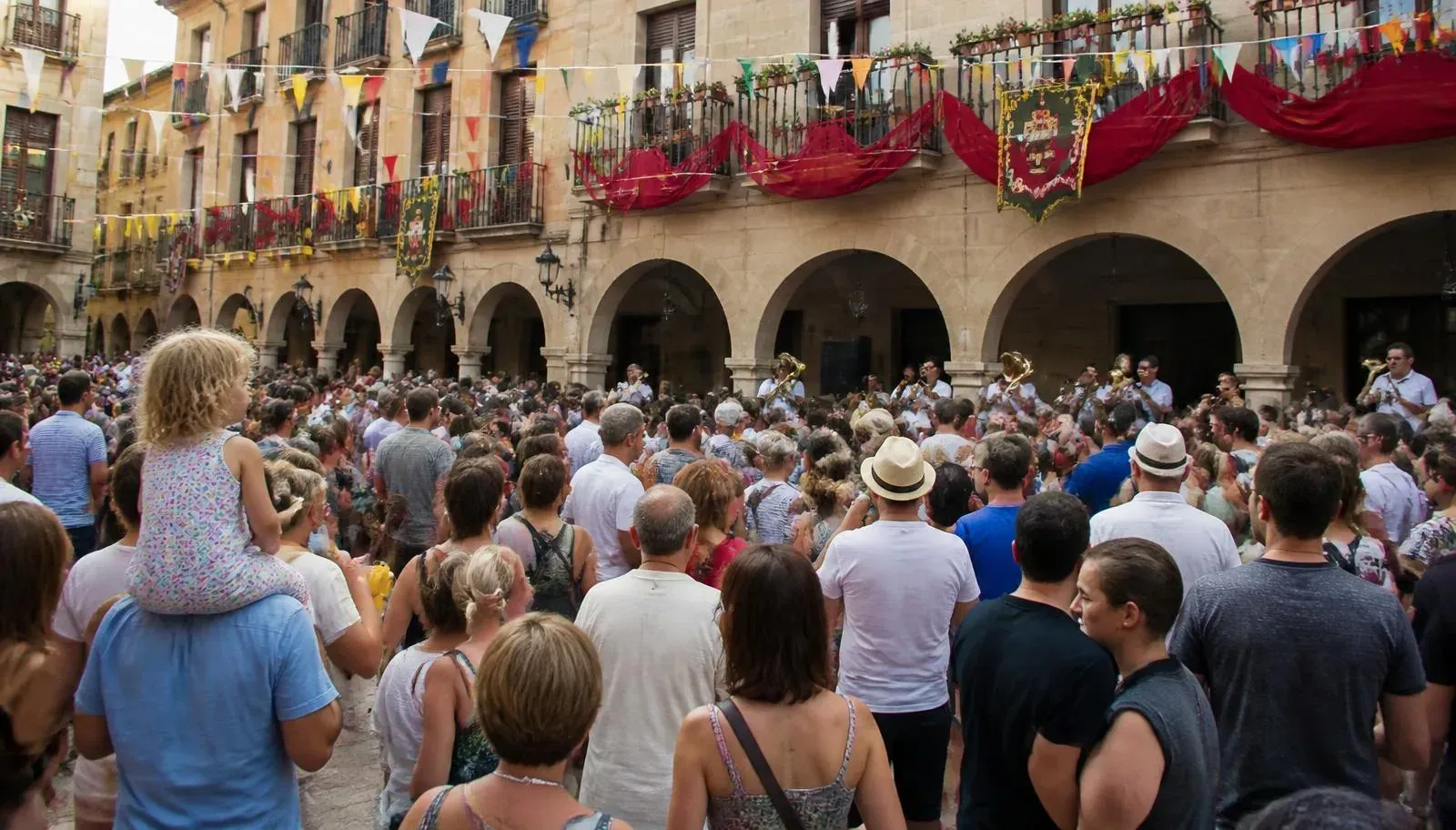
Festa de la Patrona Pollença
On 2 August Pollença celebrates its patron saint – a festival somewhere between patronal Mass and historical commemoration.
-
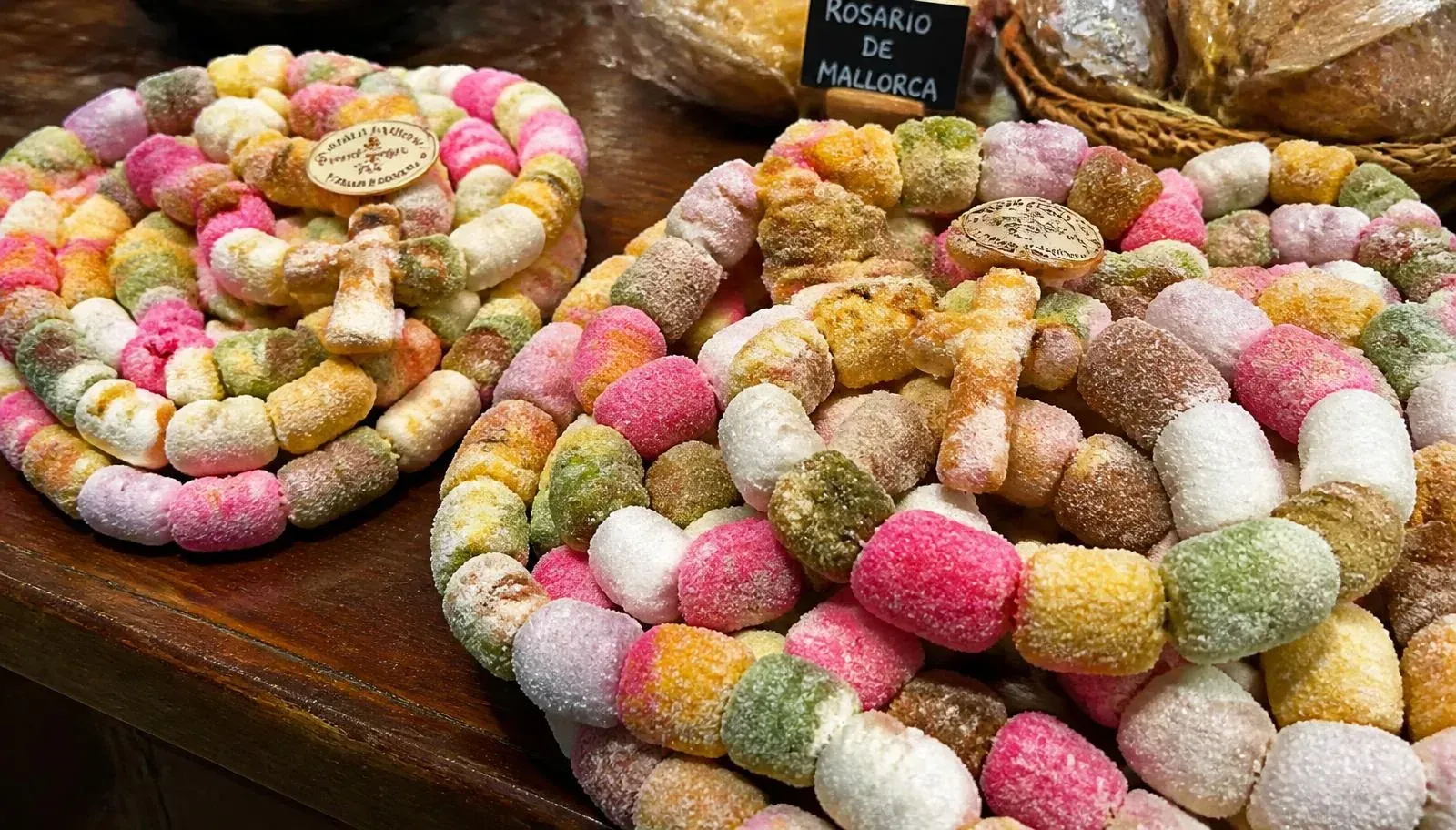
Rosaris Ensucrats
A rosary of sugared beads that godchildren receive as a gift in early November – sweet, colourful and almost forgotten.
Frequently asked questions
When does the Cant de la Sibil·la take place?
On the night of 24 December at Midnight Mass, the Missa del Gall. The date is the same every year.
Where is the best place to hear it?
In La Seu Cathedral in Palma for the grandest setting, at Lluc Monastery for the Blauets choir and a quieter atmosphere.
Do you need tickets or a reservation?
No, admission is free. Places are limited, though; at La Seu you should arrive well before the start.
Why is the chant UNESCO cultural heritage?
Because, as a medieval liturgical practice, it has remained alive on Mallorca for centuries. UNESCO added it to the Intangible Cultural Heritage list in 2010.
Next steps
This page belongs to the topic area Church festivals & traditions and can be found at /en-gb/cant-de-la-sibilla.