


Religious festivals & traditions
Festa de l'Estendard: Palma’s oldest festival
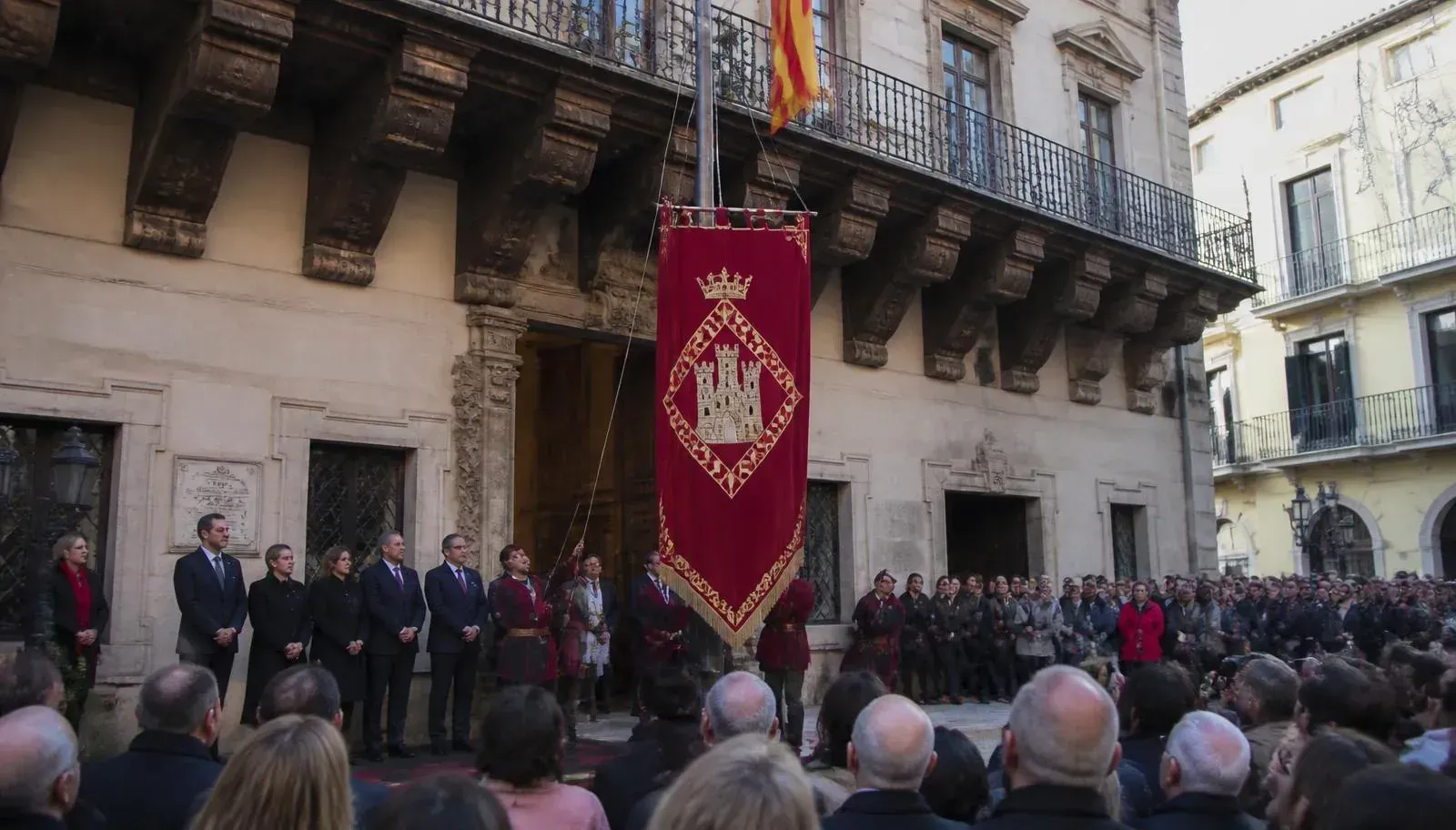
For centuries, on the last day of the year, the royal standard is raised on the Plaça de Cort.
Quick answer
What is the Festa de l'Estendard?
On 31 December, the Festa de l'Estendard commemorates the conquest of the city of Madina Mayurqa by King Jaume I in 1229. The royal standard is raised on the Plaça de Cort, followed by a High Mass in La Seu Cathedral. The festival is considered one of the oldest civic and religious festivals in Europe.
Fixed date December
Quick facts
- When
- 31 December, ceremony in the morning
- Where
- Plaça de Cort and La Seu Cathedral, Palma
- Duration
- Morning, around two hours including High Mass
- Admission
- free
- Audience
- History enthusiasts, Palma connoisseurs
- Special feature
- Centuries-old ceremony with a traditional sequence
- Date rule
- Fixed date 31 December, the same every year.
Note on currency
This information is updated before each season, in particular the exact time of the ceremony.
Location: Plaça de Cort and La Seu Cathedral, Palma.
What is celebrated?
On 31 December 1229, King Jaume I of Aragón took the Moorish city of Madina Mayurqa. The day is regarded as the symbolic founding day of Christian Palma and has been solemnly commemorated for centuries.
The ceremony links city and church: first the secular raising of the standard in front of the town hall, then High Mass in the cathedral.
Programme
Traditionally, the Estendard, the royal standard, is raised on the Plaça de Cort in the morning, accompanied by city representatives and historical costumes. La Balanguera, the poem by Joan Alcover that has been Mallorca’s official anthem since 1996, is also recited.
The delegation then proceeds to La Seu Cathedral, where a solemn High Mass is held.
Who is the visit worth it for?
For history enthusiasts and anyone who knows Palma outside the season. If you are looking for a loud New Year’s Eve event, this is the wrong place: the Festa de l'Estendard is a morning ceremony, not a party programme. The New Year’s Eve celebration on the Plaça Major in the evening is a separate event.
Context
The combination of municipal self-government and church celebration, which has been cultivated for centuries, makes the festival a rarity in Europe.
Tips for your visit
- The ceremony is public and free; there is no registration.
- The Plaça de Cort itself offers a good view; it pays to come early, as the square is small.
- Easy to combine with a visit to the cathedral afterwards.
- The same evening, the New Year’s Eve celebration takes place on the Plaça Major – a different crowd, a different format.
Who is it worth it for?
A good fit for:
- History enthusiasts
- Palma connoisseurs
- Winter travellers
Less suitable for:
- Anyone looking for a New Year’s Eve event with fireworks
- Late risers
Similar dates
More religious festivals & traditions
-
Easter in Mallorca
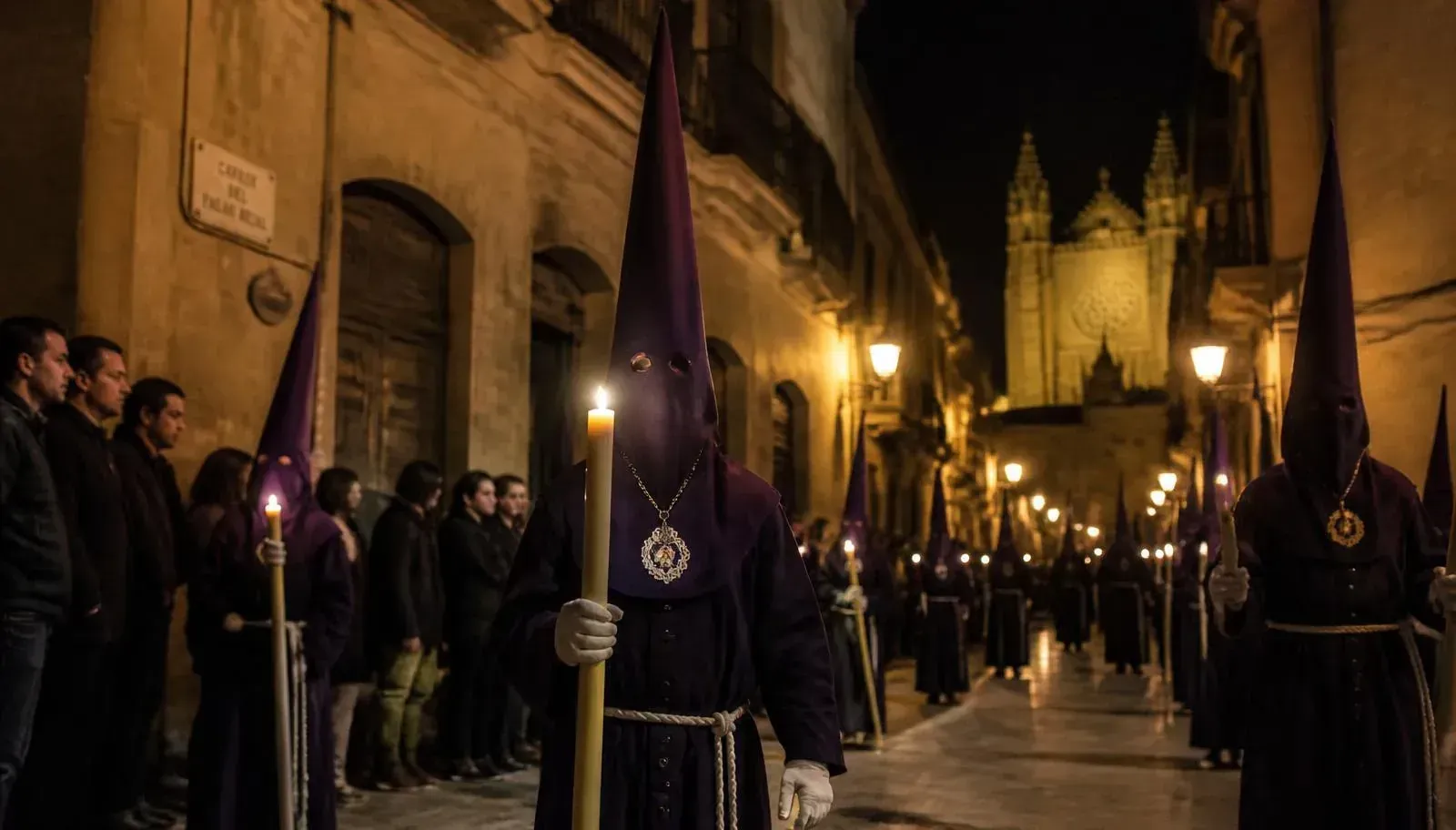
For a whole week, brotherhoods with candles process through the old towns, before trumpets and flowers ring in spring on Easter Sunday.
-
Semana Santa Mallorca
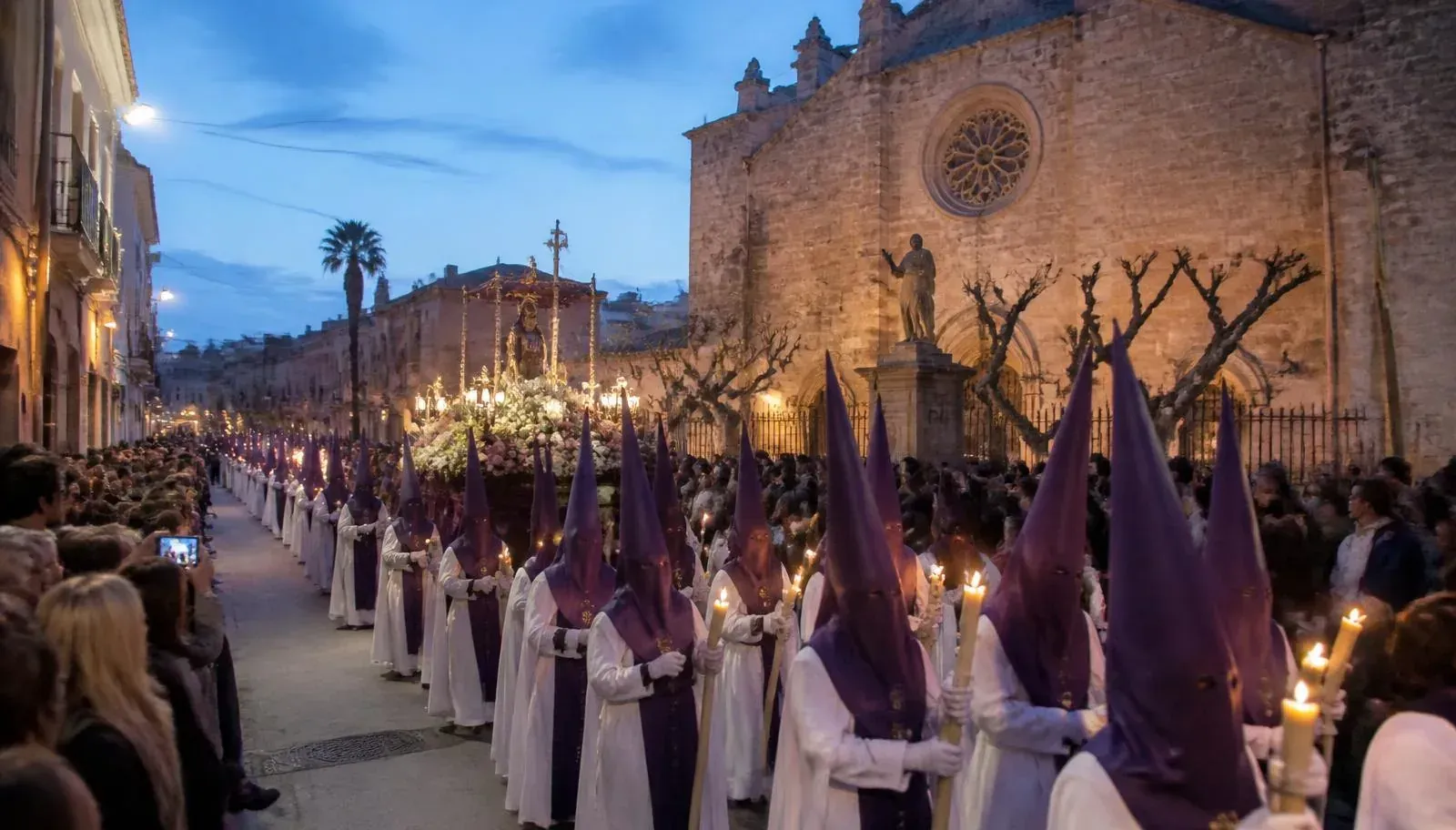
Seven days, seven different scenes: from the blessing of the palms on Sunday morning to the meeting of the figures on Easter morning.
-
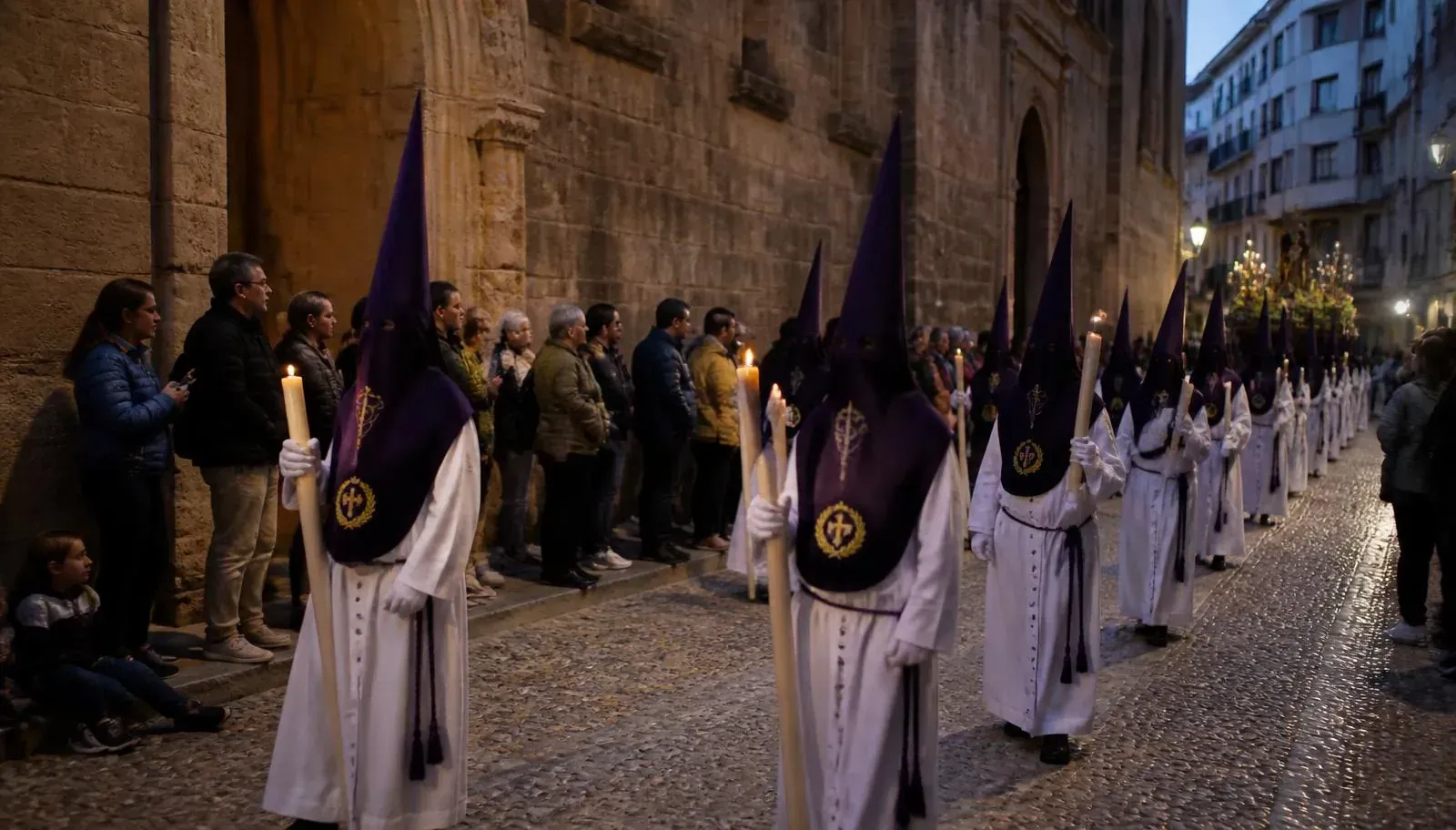
Good Friday in Mallorca
A quiet public holiday with closed shops during the day, processions in the evening.
-
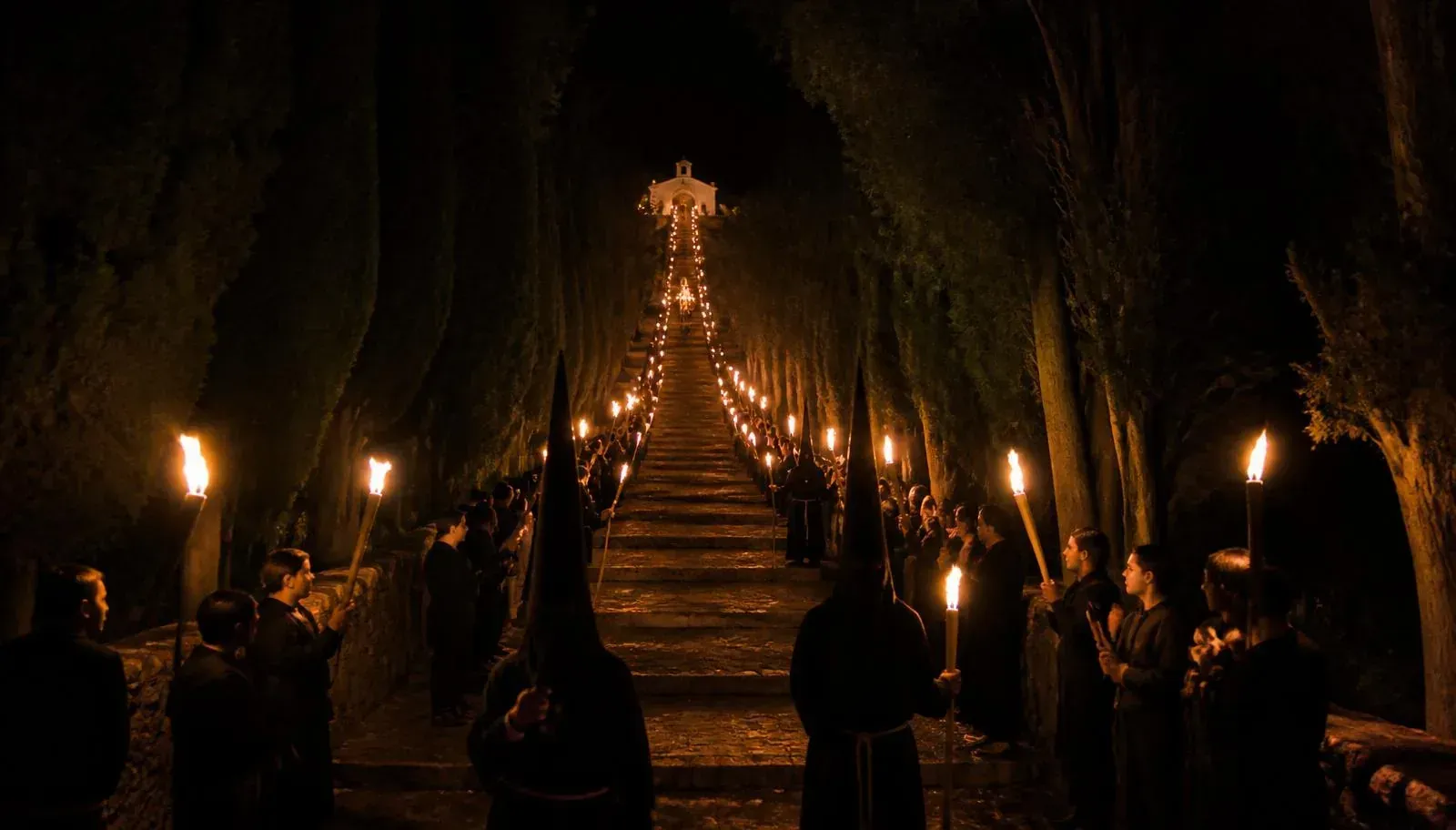
Devallament Pollença
Deposition from the cross at the Calvari, followed by a torchlight procession down the steps.
-
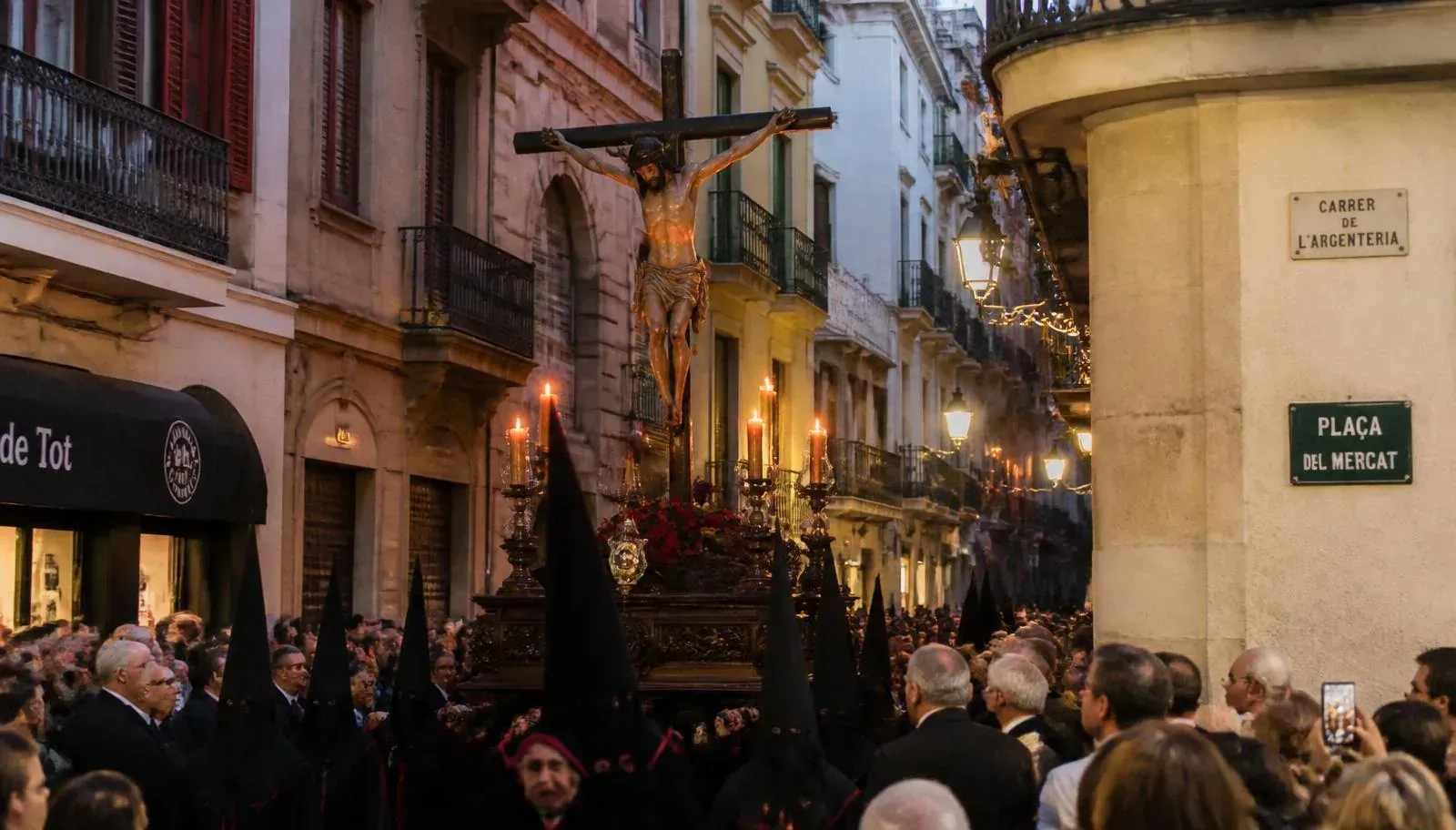
Easter processions in Palma
On Maundy Thursday, 33 brotherhoods with 45 pasos (processional floats) process through the old town to the cathedral.
-
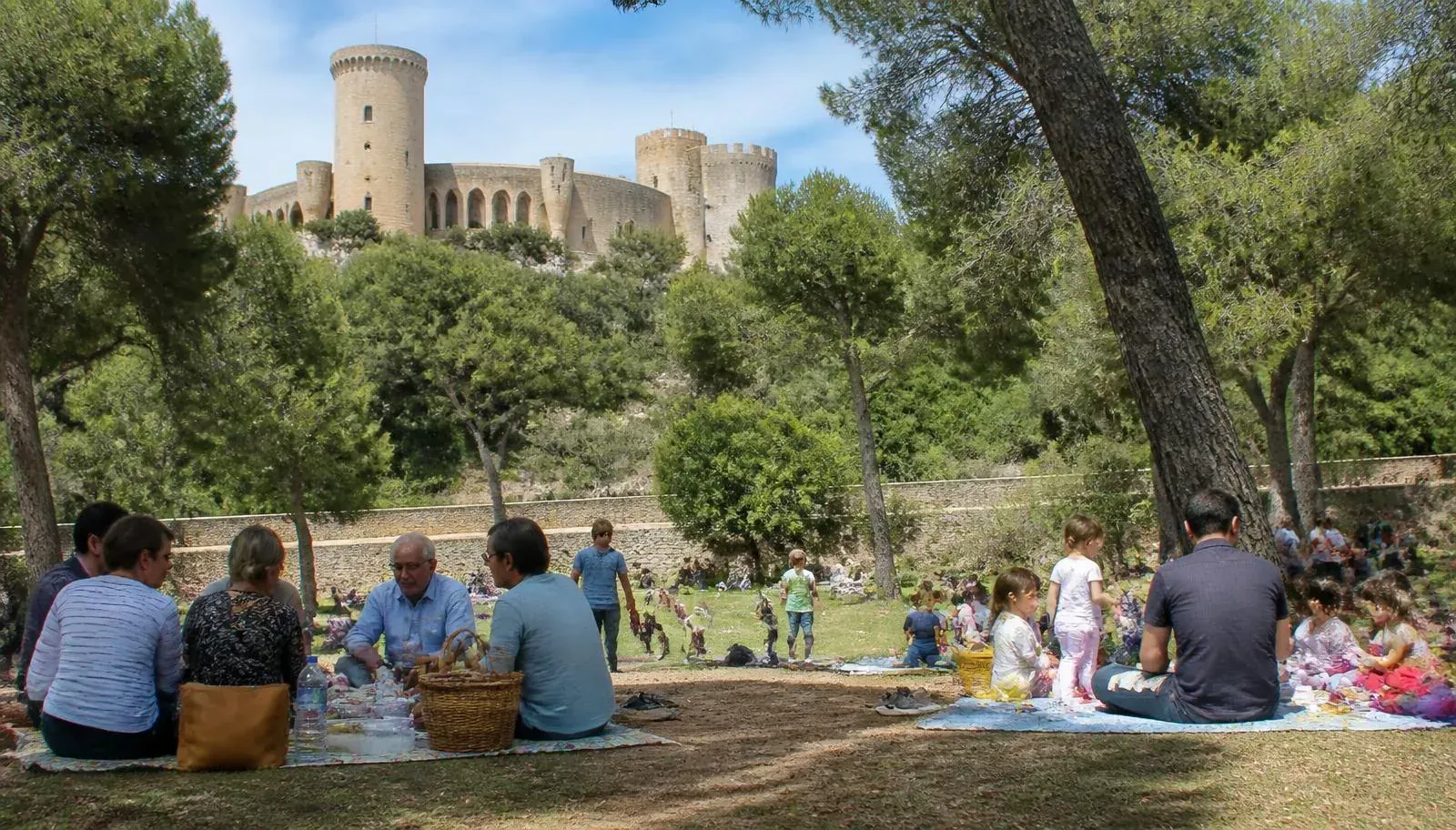
Pancaritats
On the Sunday after Easter, many Mallorcans head out into the countryside for a picnic – in Palma with music and dancing at the Diumenge de l'Àngel.
-
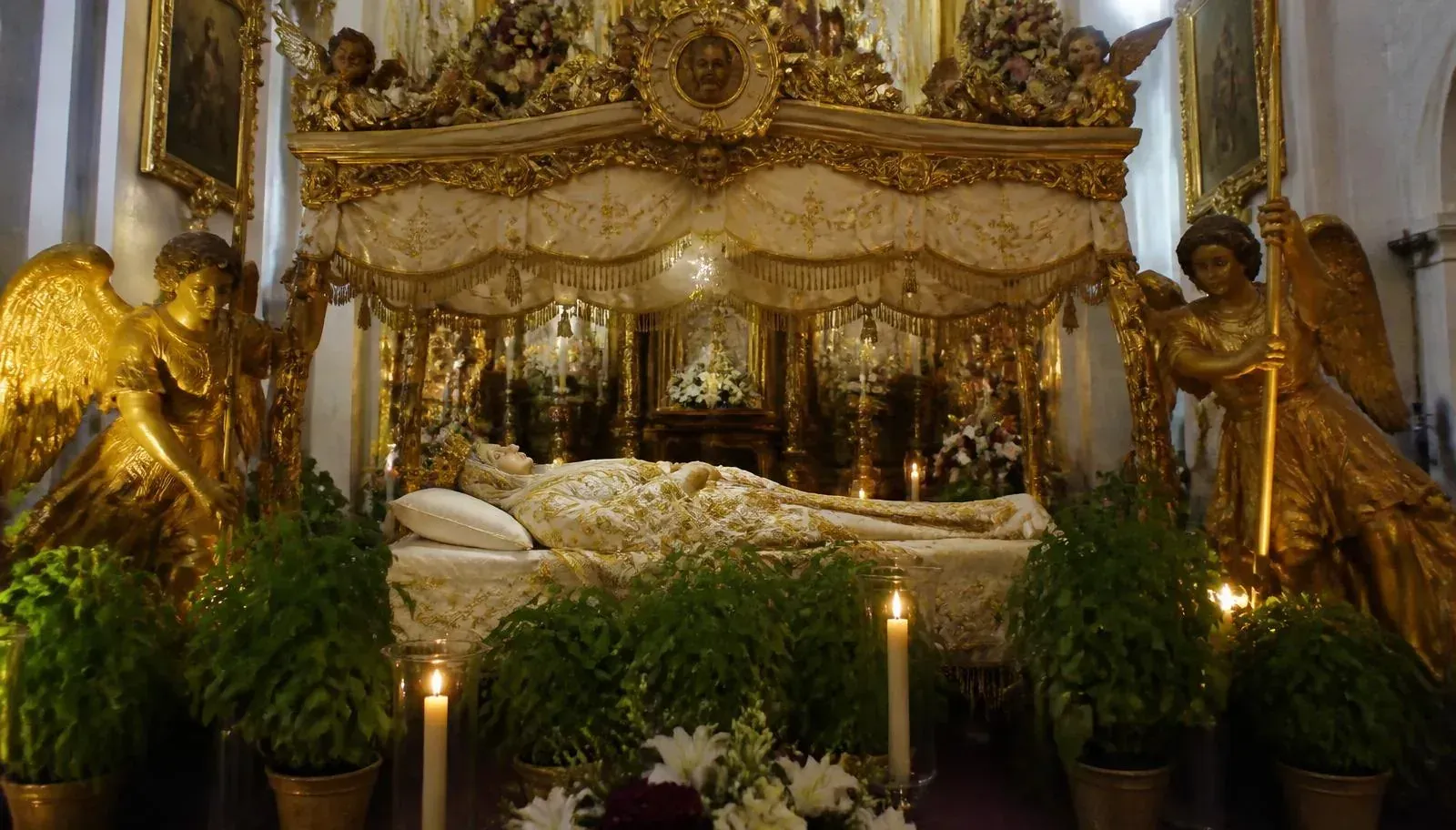
Assumption of Mary
In around 50 churches, a life-size figure of the Virgin Mary lies on a baroque bed of flowers, basil and carved straw for 15 August.
-
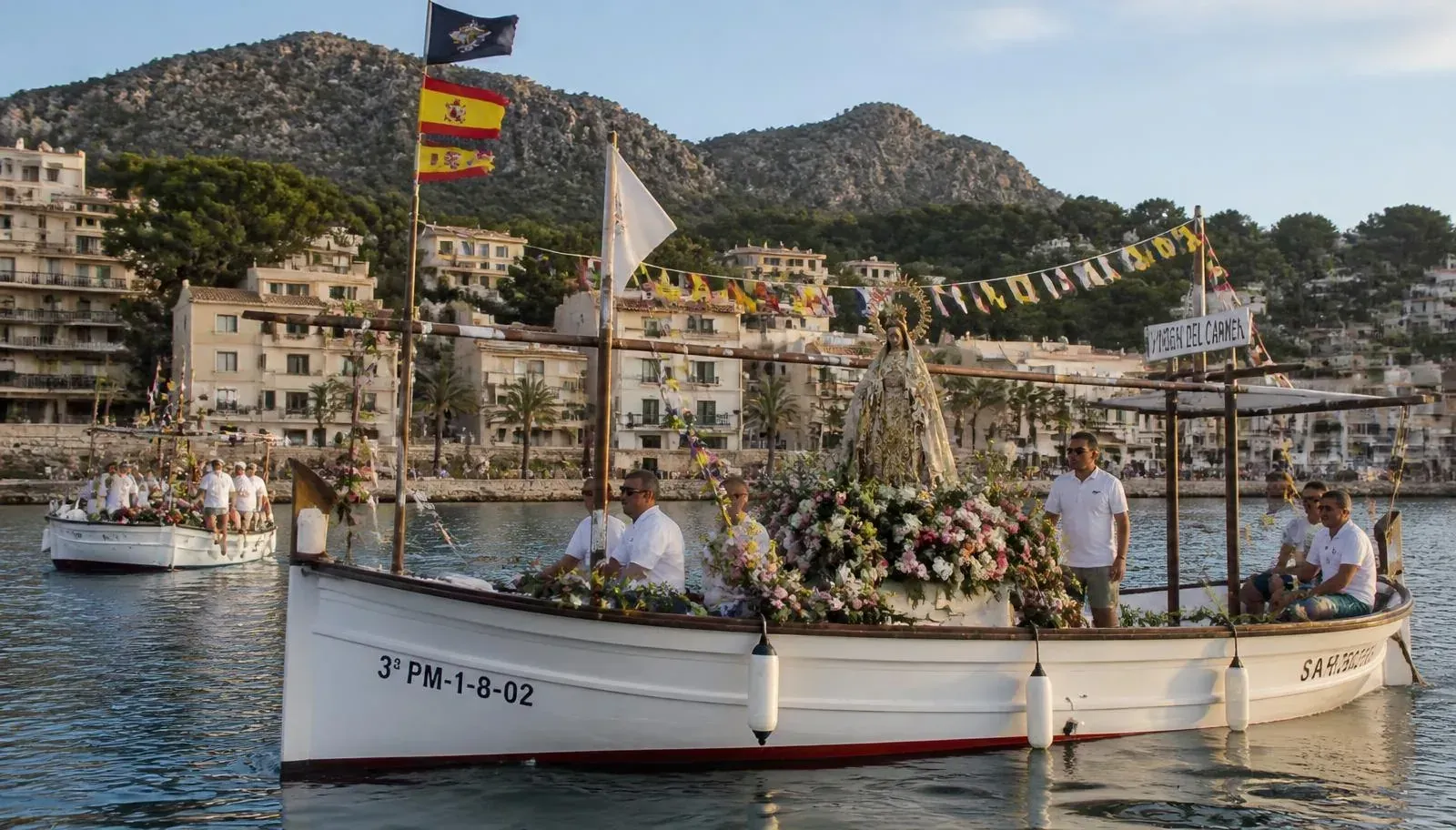
Virgen del Carme
Dozens of decorated fishing boats accompany the figure of the Virgin out to sea, while horn concerts and brass bands fill the harbour.
-
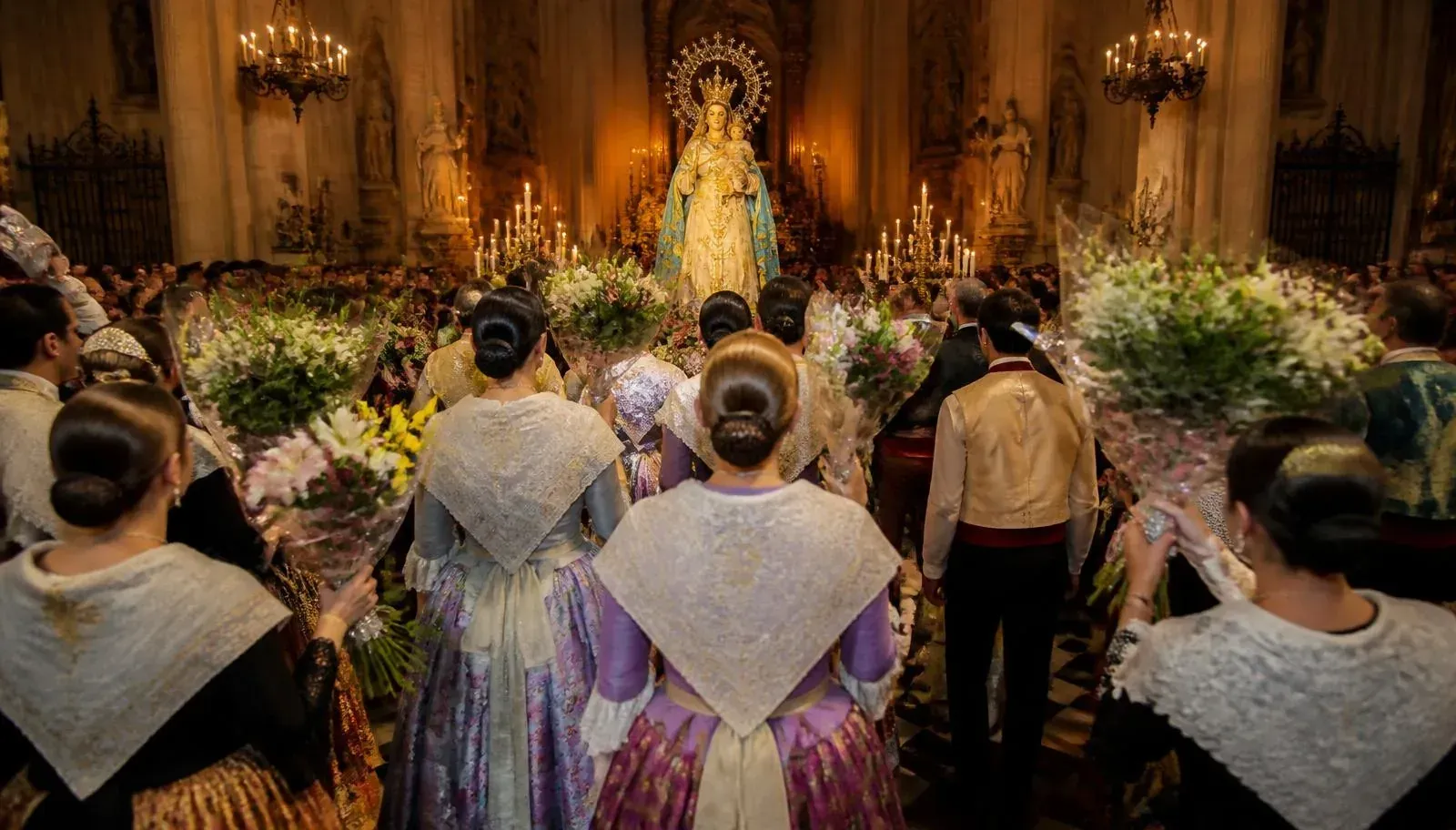
Mare de Déu de la Salut
During the flower offering, the facade of the church of Sant Miquel is decorated with flowers – a festival for the whole city.
-
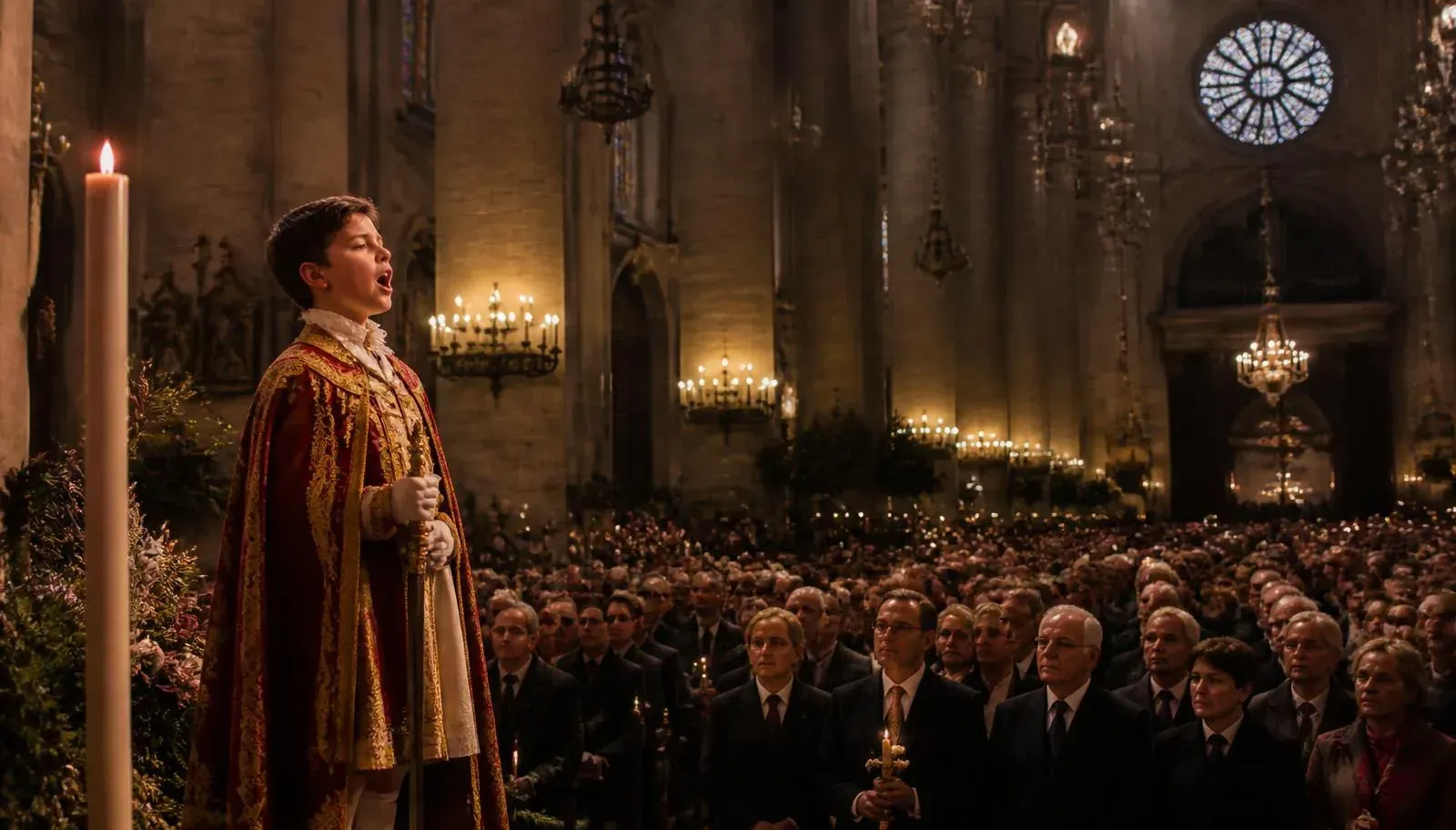
Cant de la Sibil·la
A young soloist in a white robe raises a sword and sings a cappella about the Last Judgement – UNESCO Intangible Cultural Heritage since 2010.
-
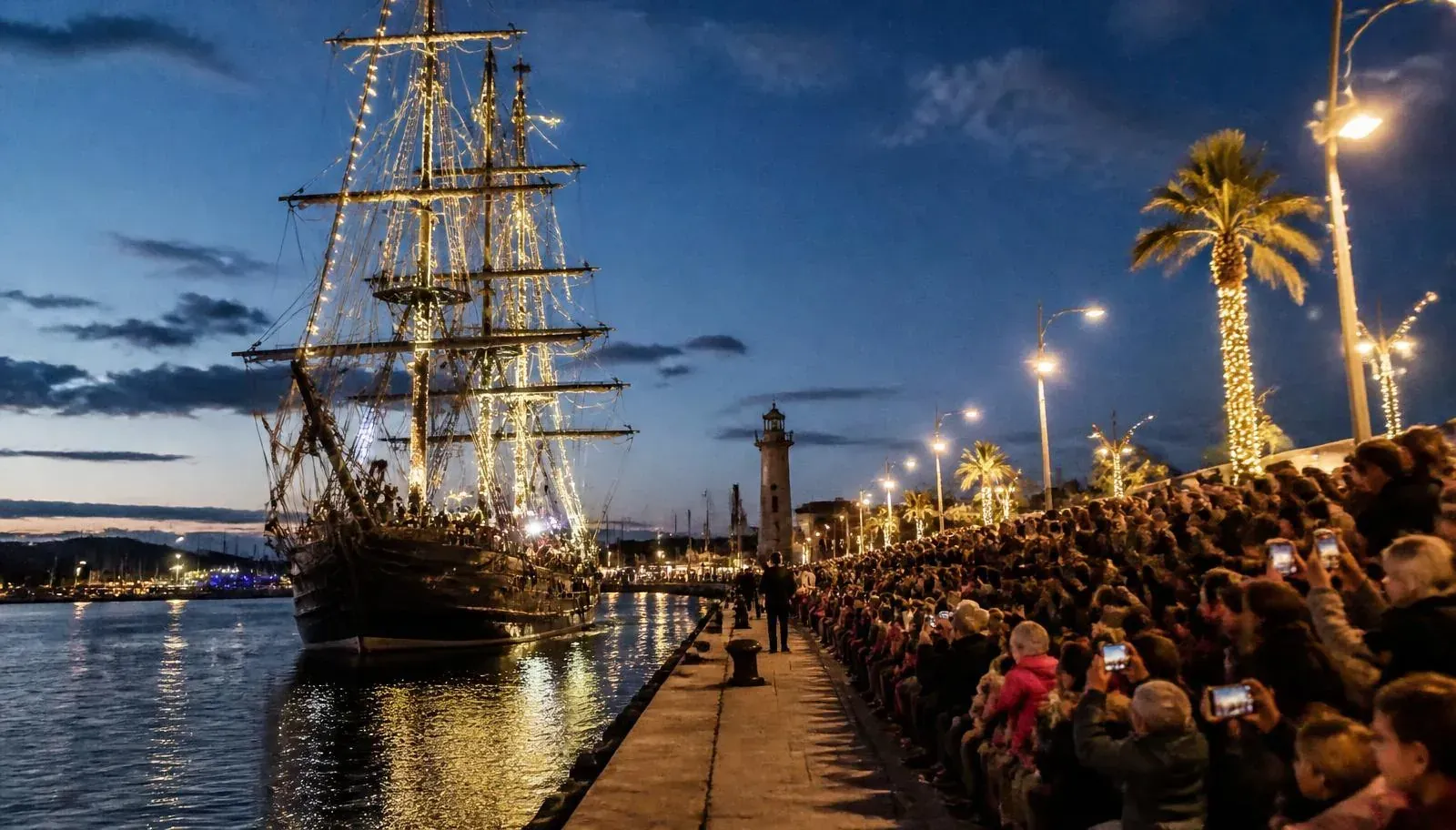
Three Kings
On the evening of 5 January, around 18:00, the Three Kings arrive at the Moll Vell and parade through Palma.
-
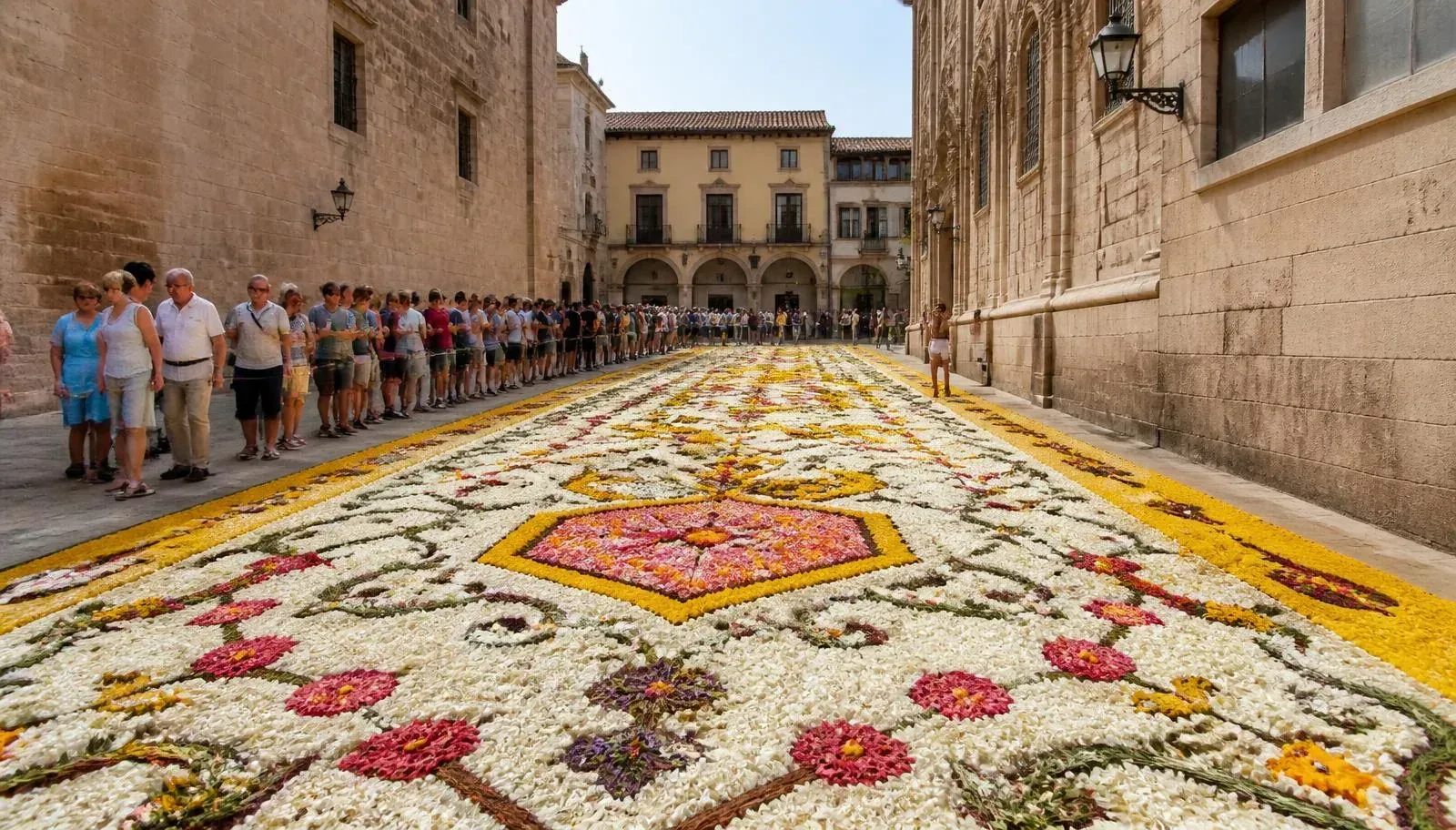
Corpus Christi
Petals are laid into a sacred pattern on the paving – before the procession passes over it.
-
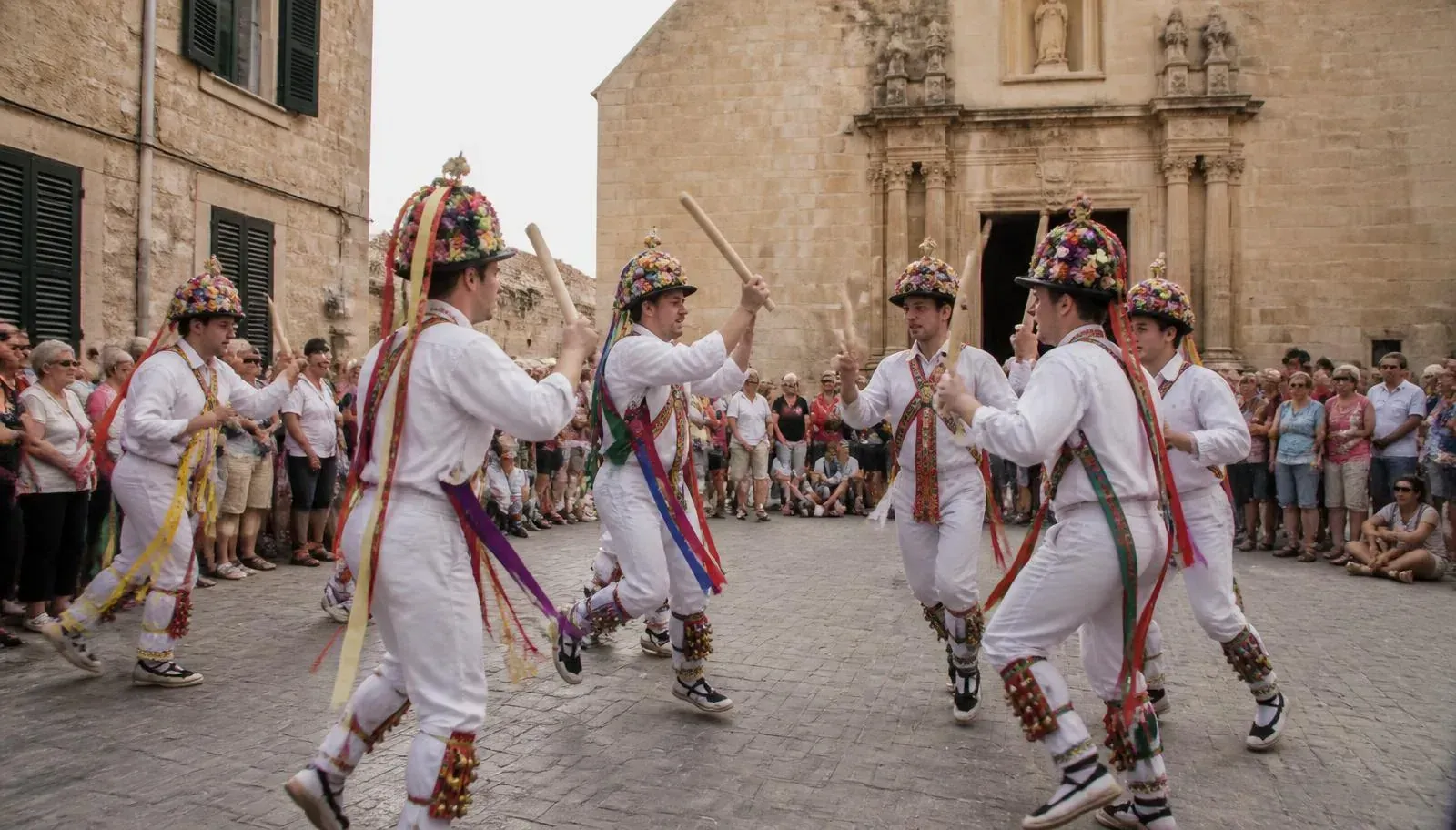
Cossiers
Six dancers, a lady and a devil: a traditional dance for the town festival.
-
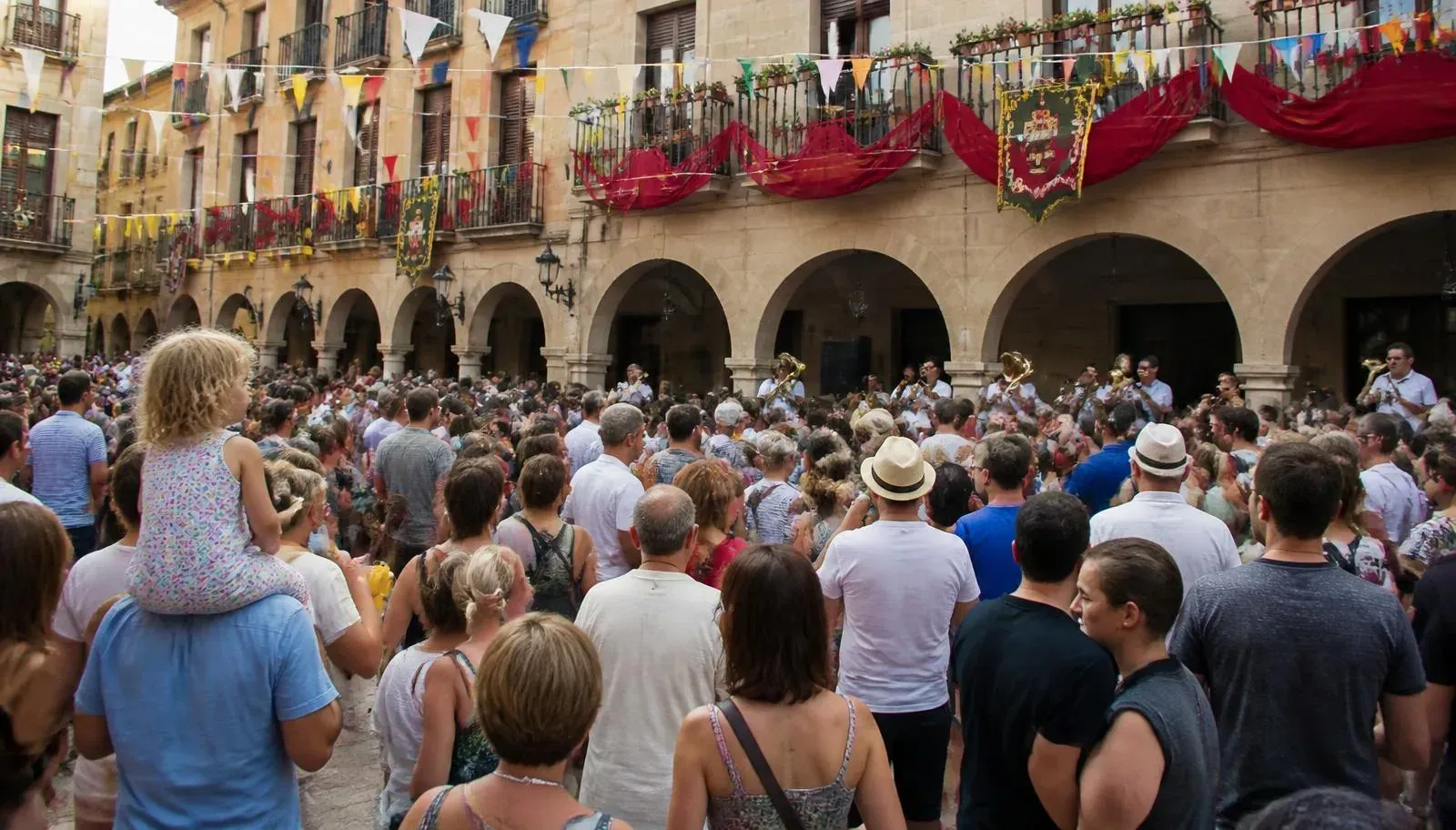
Festa de la Patrona Pollença
On 2 August, Pollença celebrates its patron saint – a festival between the patronal mass and historical remembrance.
-
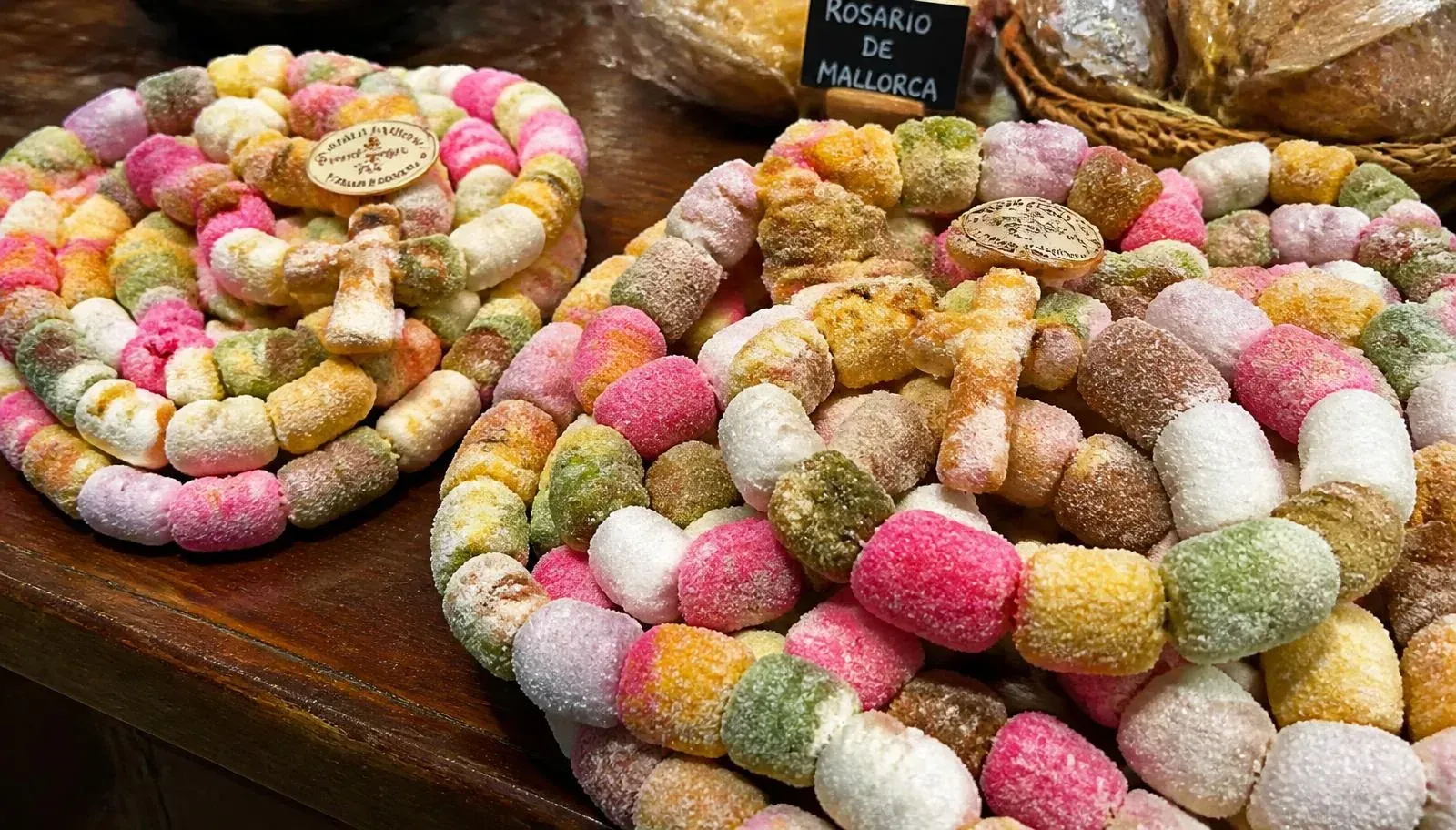
Rosaris Ensucrats
A rosary of sugared beads that godchildren are given in early November – sweet, colourful and almost forgotten.
Frequently asked questions
What is celebrated at the Festa de l'Estendard?
The conquest of Palma by King Jaume I on 31 December 1229 – the symbolic founding day of Christian Palma.
Is the ceremony open to the public?
Yes, it takes place on the Plaça de Cort, is free and open without registration.
What is La Balanguera?
A poem by Joan Alcover, set to music by Amadeu Vives and Mallorca’s official anthem since 1996; it is performed at the ceremony.
Is this a New Year’s Eve event with fireworks?
No. The Festa de l'Estendard is a historical morning ceremony. The New Year’s Eve celebration on the Plaça Major in the evening is a separate event.
Next steps
This page belongs to the topic area Religious festivals & traditions and can be found at /en-gb/festa-de-lestendard.