



Church festivals & traditions
Cossiers: Mallorca's ritual dances between church and village square
Last checked: October 2026
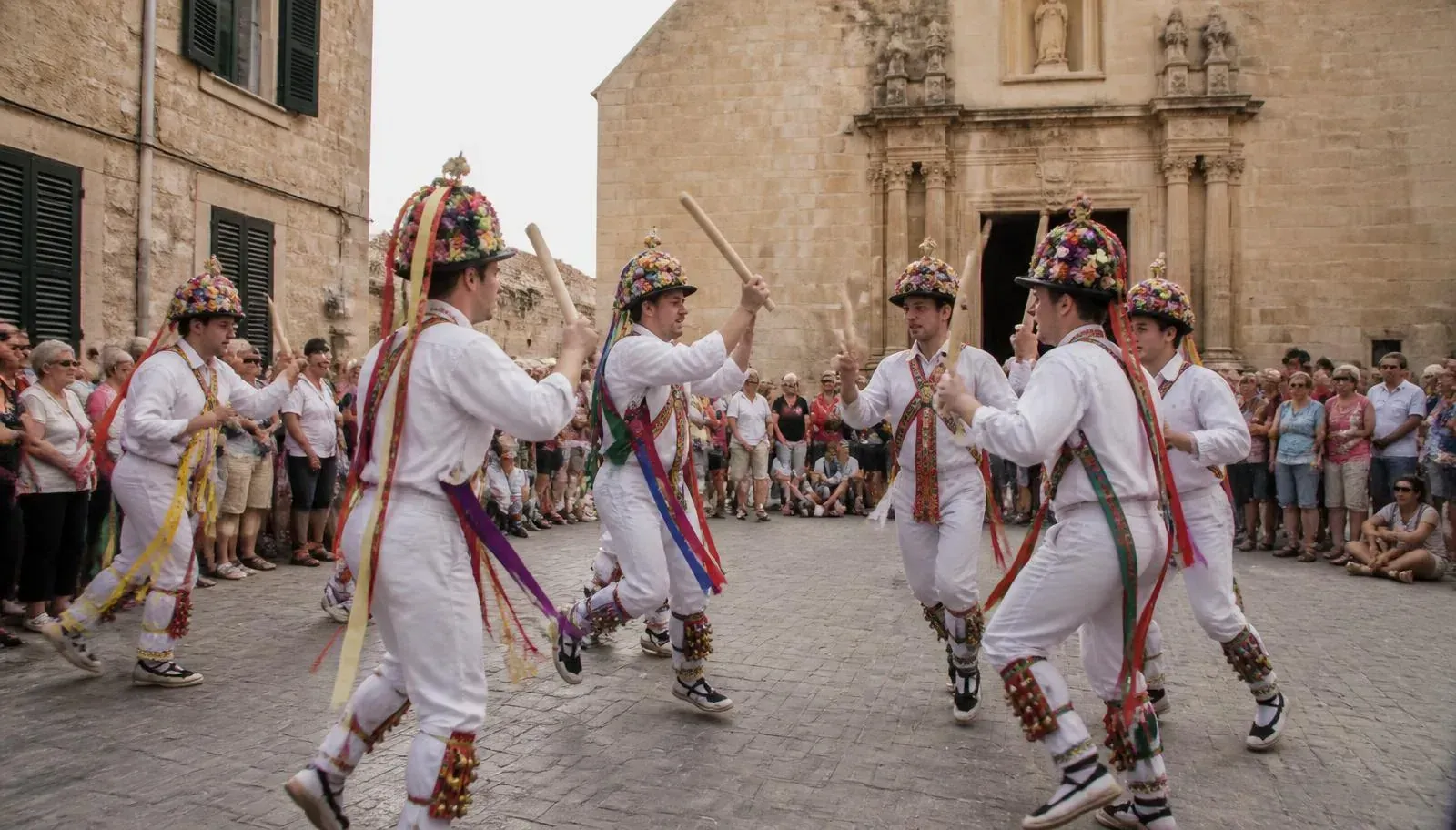
Six dancers, a lady and a devil: a traditional dance for the town festival.
In brief
What are the cossiers?
Cossiers are Mallorcan ritual dancers who perform on a few fixed dates each year – usually at their village's patron saint's festival and at Corpus Christi. The ensemble traditionally consists of six dancers in white costume with colourful ribbons and flowered hats, a dama as the female figure and a dimoni, the devil. Active groups exist in Algaida, Montuïri, Manacor and Alaró, among other places.
Fixed date January June July August
Quick facts
- When
- Several dates depending on the town, including Sant Bartomeu in Montuïri (24 August)
- Where
- Algaida, Montuïri, Manacor, Alaró and Palma
- Duration
- Performances lasting a few minutes, spread over the day
- Admission
- free
- Who it's for
- Culture lovers, photographers, village festival-goers
- Special feature
- Pre-Christian roots in a church setting
- Date rule
- Tied to the respective patron saints' festivals and Corpus Christi.
Note on currency
This information is updated before each season, in particular performance times by place and date.
Note on dates
Each municipality sets its own performance times and only publishes them shortly before the festival.
Location: Algaida, Montuïri, Manacor, Alaró and Palma.
Who are the cossiers?
The cossiers are one of the oldest surviving dance traditions in the Balearic Islands. They dance to the xeremia – the Mallorcan bagpipe – and drum, in set figures passed down from generation to generation.
The roles are fixed: six dancers, the dama in the middle and the dimoni, who disrupts the order and is defeated in the end. Interpretations range from pre-Christian fertility rituals to the Christian story of good and evil.
Where do the cossiers dance?
Each group belongs to its own town and dances only there – the dates depend on the respective patron saint's festival.
- Montuïri: Sant Bartomeu at the end of August, the best-known group on the island
- Algaida: Sant Jaume in July and Sant Honorat in January
- Manacor and Alaró: their own groups with local dates
- Palma: performance in the Corpus Christi procession
Why the tradition is special
Cossiers are not performed for an audience but danced as part of the festival. There is no stage, no admission and no announcement: the group moves through the town, dancing in front of the church, the town hall and certain houses.
In several villages the tradition was interrupted in the 20th century and revived from records – Montuïri is one of the few groups with an unbroken line.
Tips for your visit
- Check the village festival programme at the town hall; the performances are short and spread over the day.
- Early in the morning the light is better and the square in front of the church is emptier.
- Don't step into the dancers' circle – the dimoni keeps the space clear, which is part of the ritual.
- Montuïri is centrally located: easy to combine with a visit to Sineu or Petra.
Who is it worthwhile for?
A good fit for:
- Culture lovers
- Photographers
- Anyone wanting to explore the centre of the island away from the coast
Less suited to:
- Anyone expecting a scheduled performance with a start time
Similar events
More church festivals & traditions
-
Easter on Mallorca
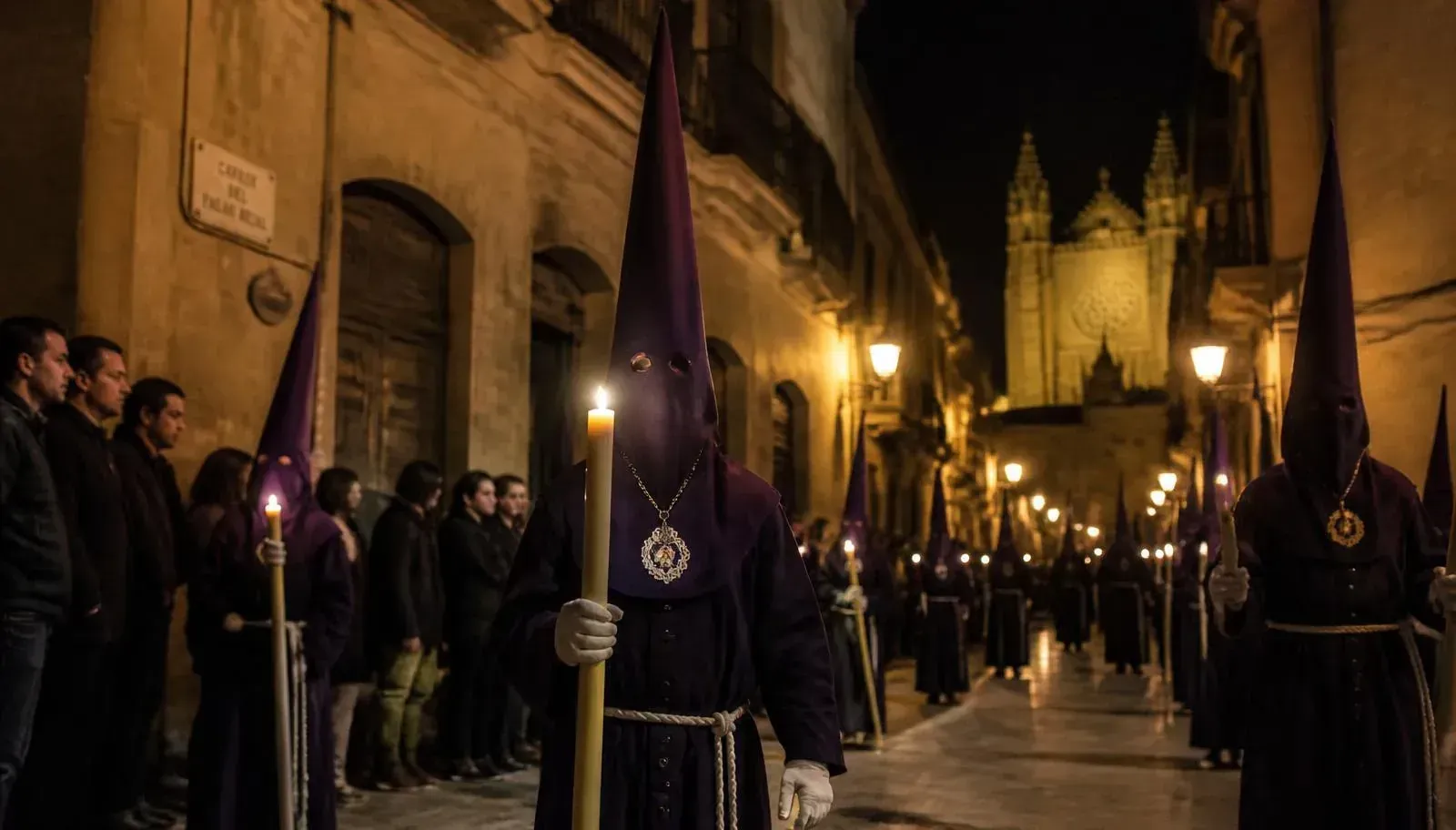
For a week, brotherhoods process with candles through the old towns before trumpets and flowers ring in the spring on Easter Sunday.
-
Semana Santa Mallorca
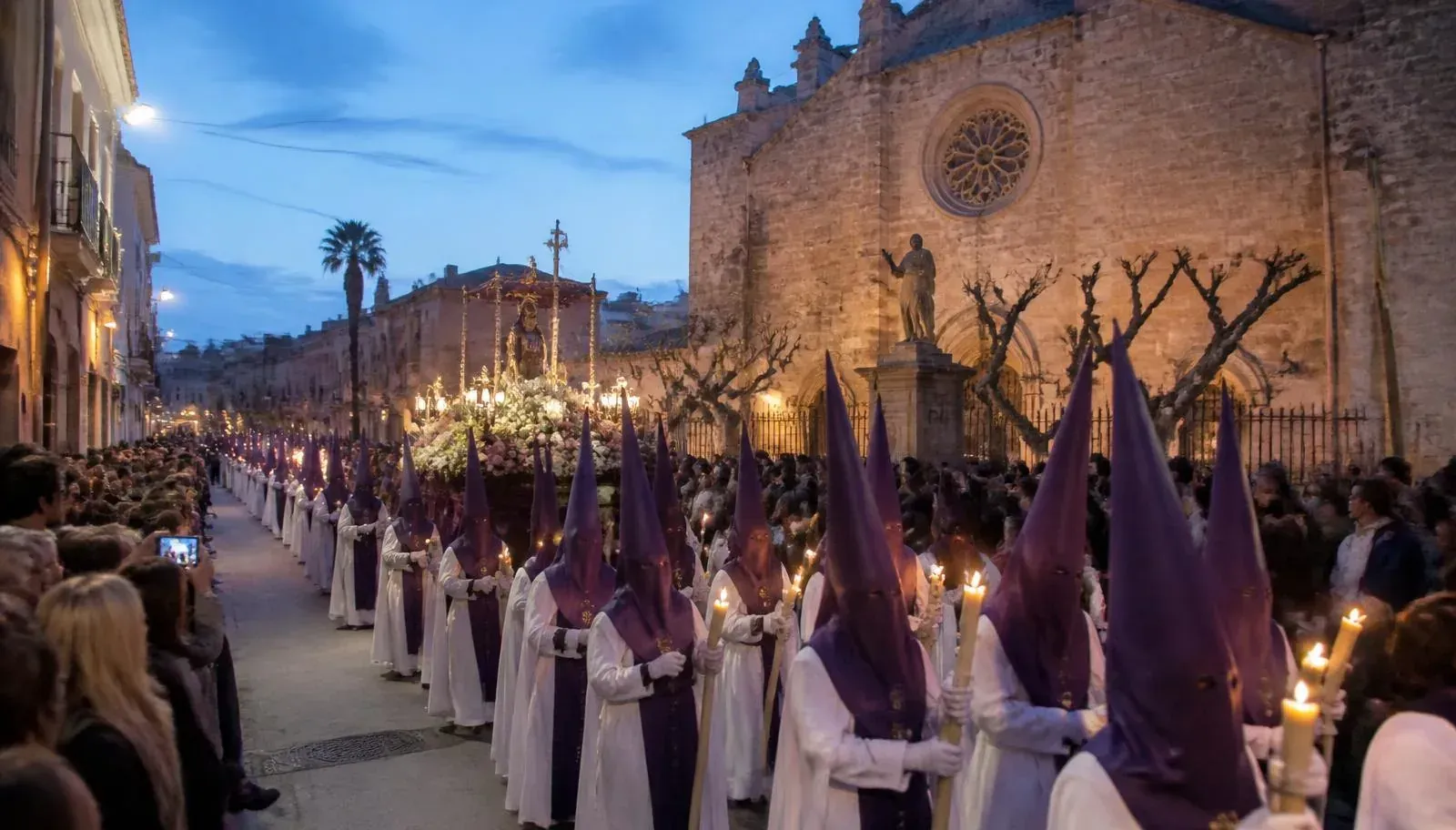
Seven days, seven different scenes: from the blessing of the palms on Sunday morning to the meeting of the figures on Easter morning.
-
Good Friday on Mallorca
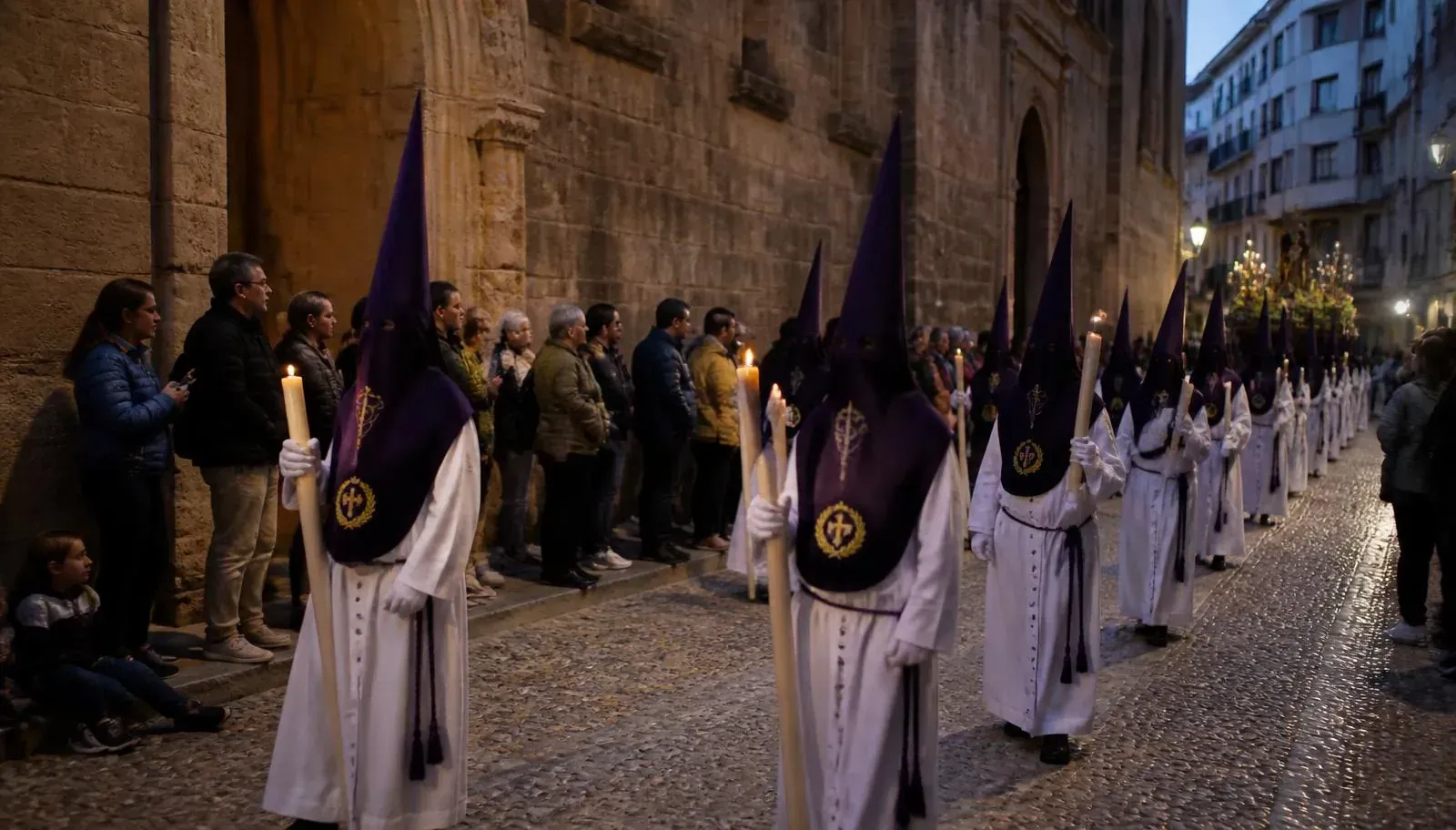
A quiet public holiday with shops closed during the day, processions in the evening.
-
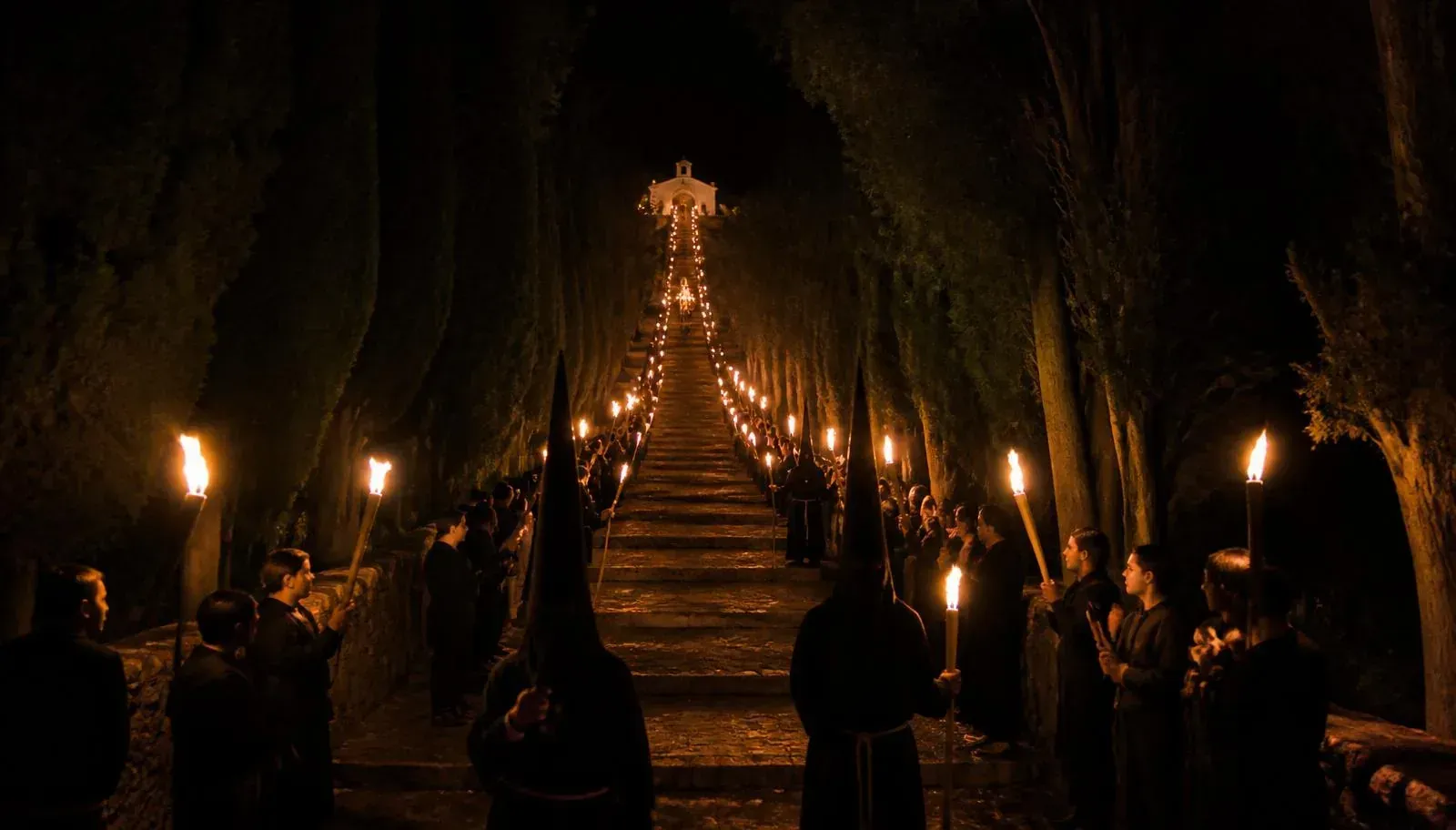
Devallament Pollença
The Deposition from the Cross at the Calvari, followed by a torchlight procession down the steps.
-
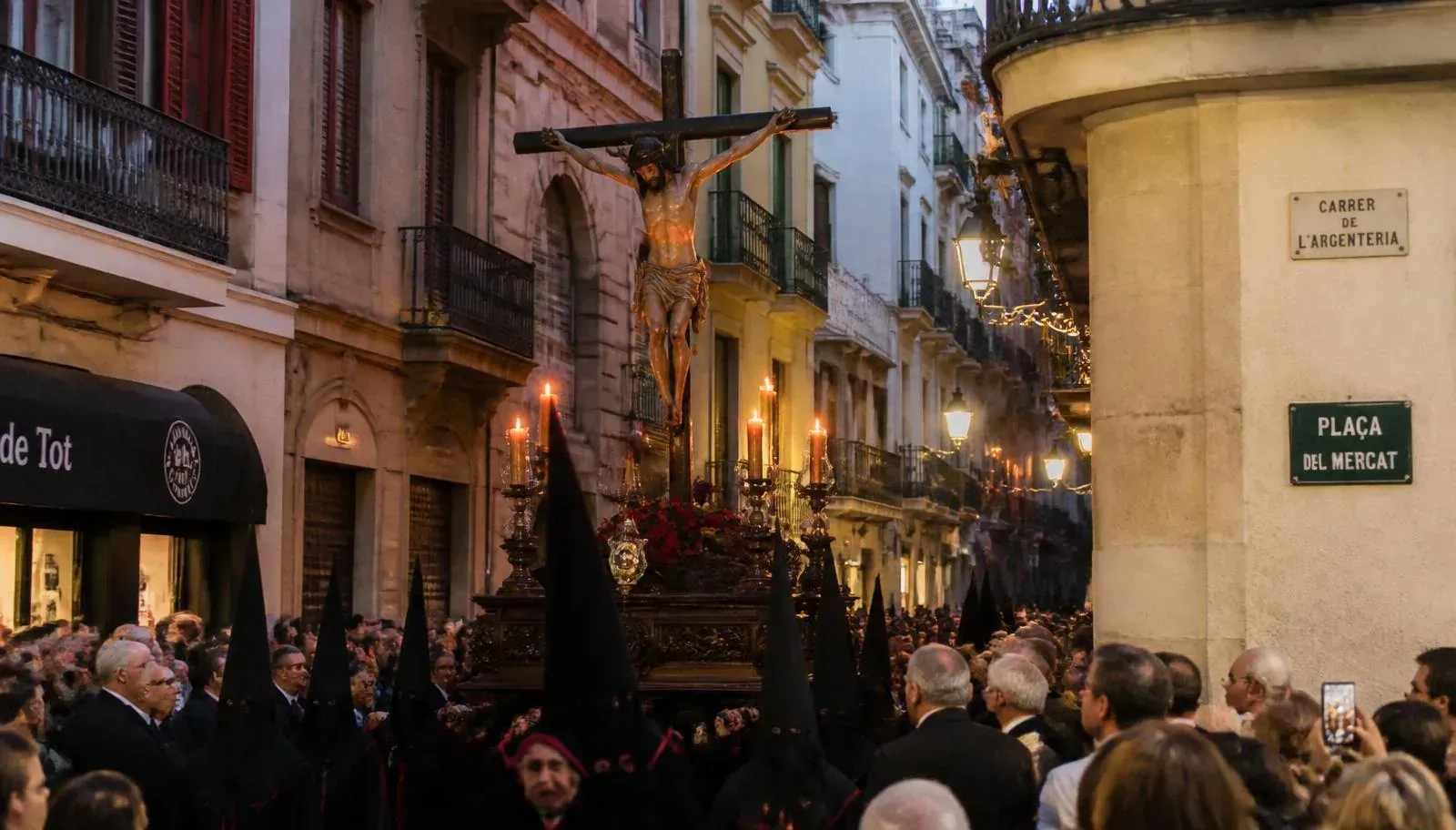
Easter processions in Palma
On Maundy Thursday, 33 brotherhoods with 45 pasos (processional floats) make their way through the old town to the cathedral.
-
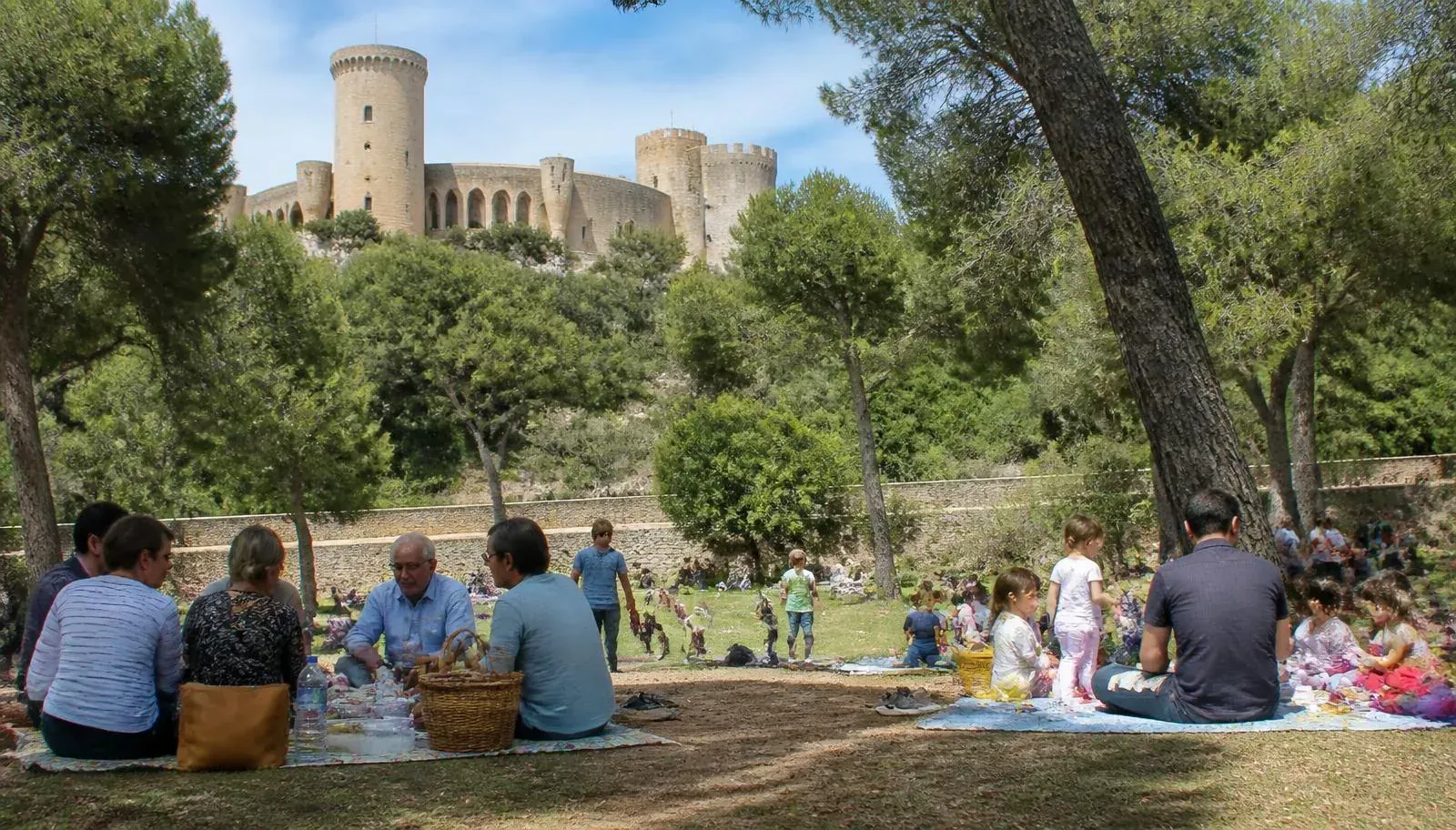
Pancaritats
On the Sunday after Easter many Mallorcans head out into the countryside for a picnic – in Palma with music and dancing at the Diumenge de l'Àngel.
-
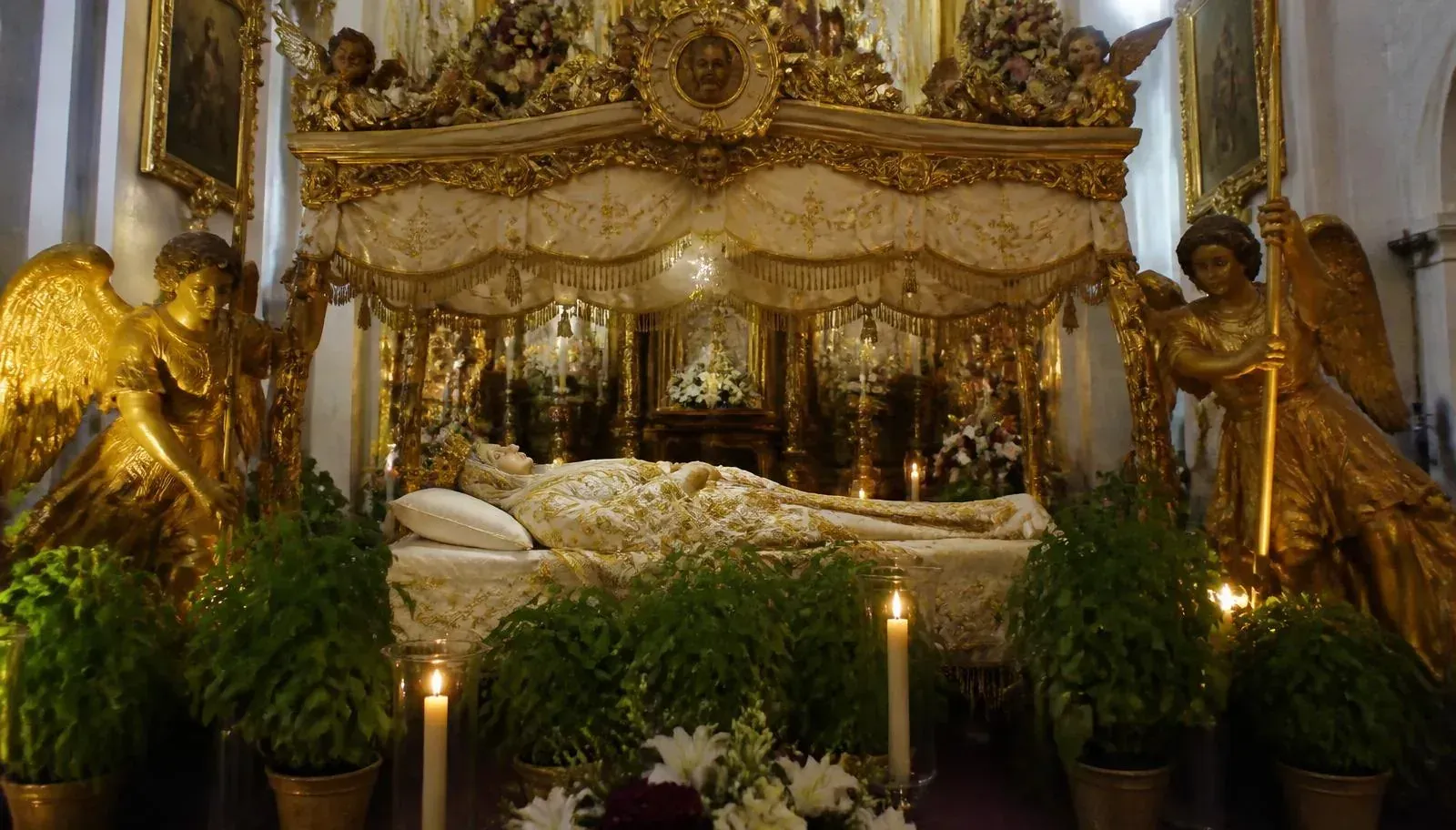
Assumption Day
In around 50 churches, a life-size figure of the Virgin lies on a Baroque bed of flowers, basil and carved straw for 15 August.
-
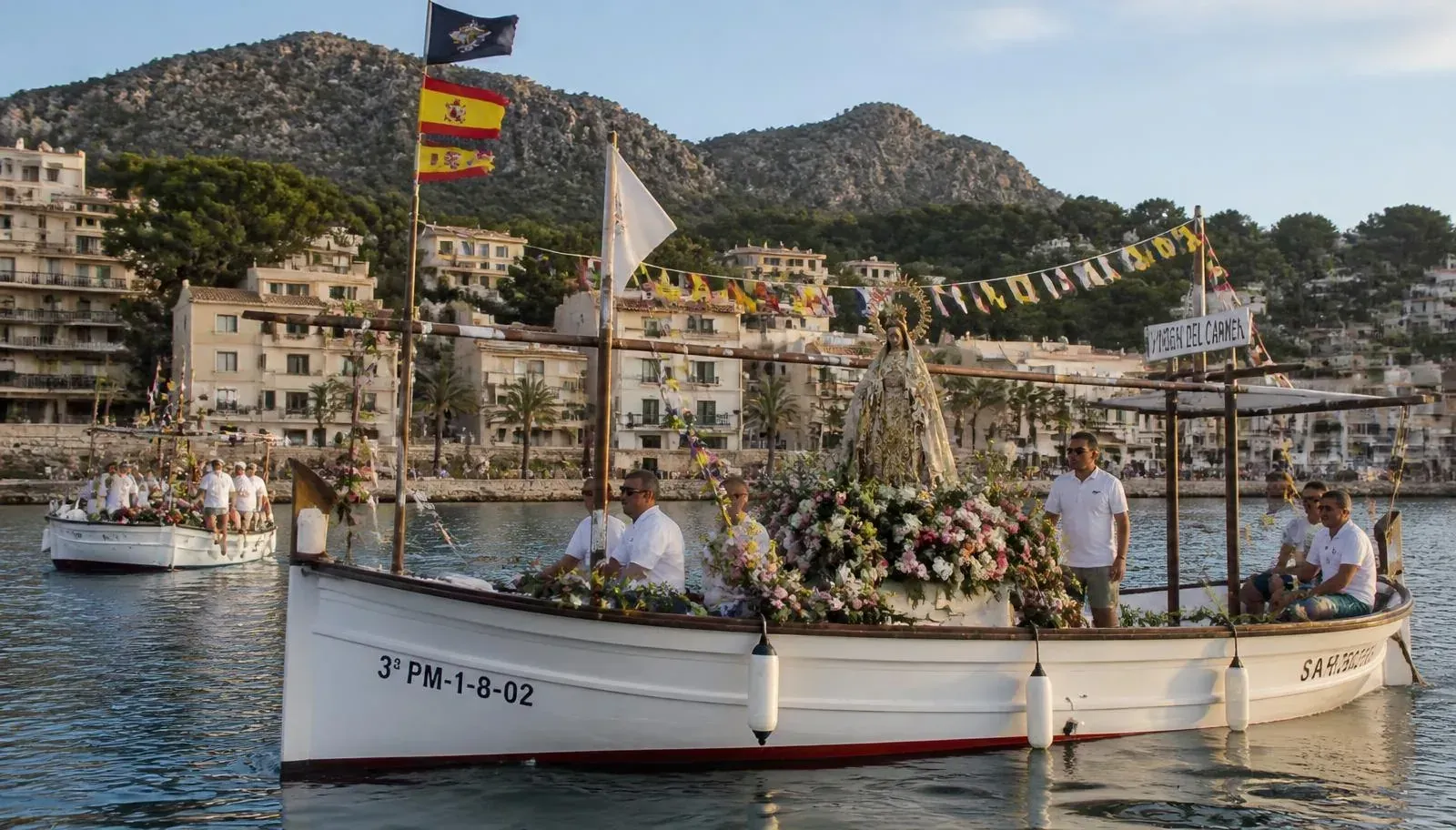
Virgen del Carme
Dozens of decorated fishing boats escort the figure of the Virgin out to sea, while blaring horns and brass bands fill the harbour.
-
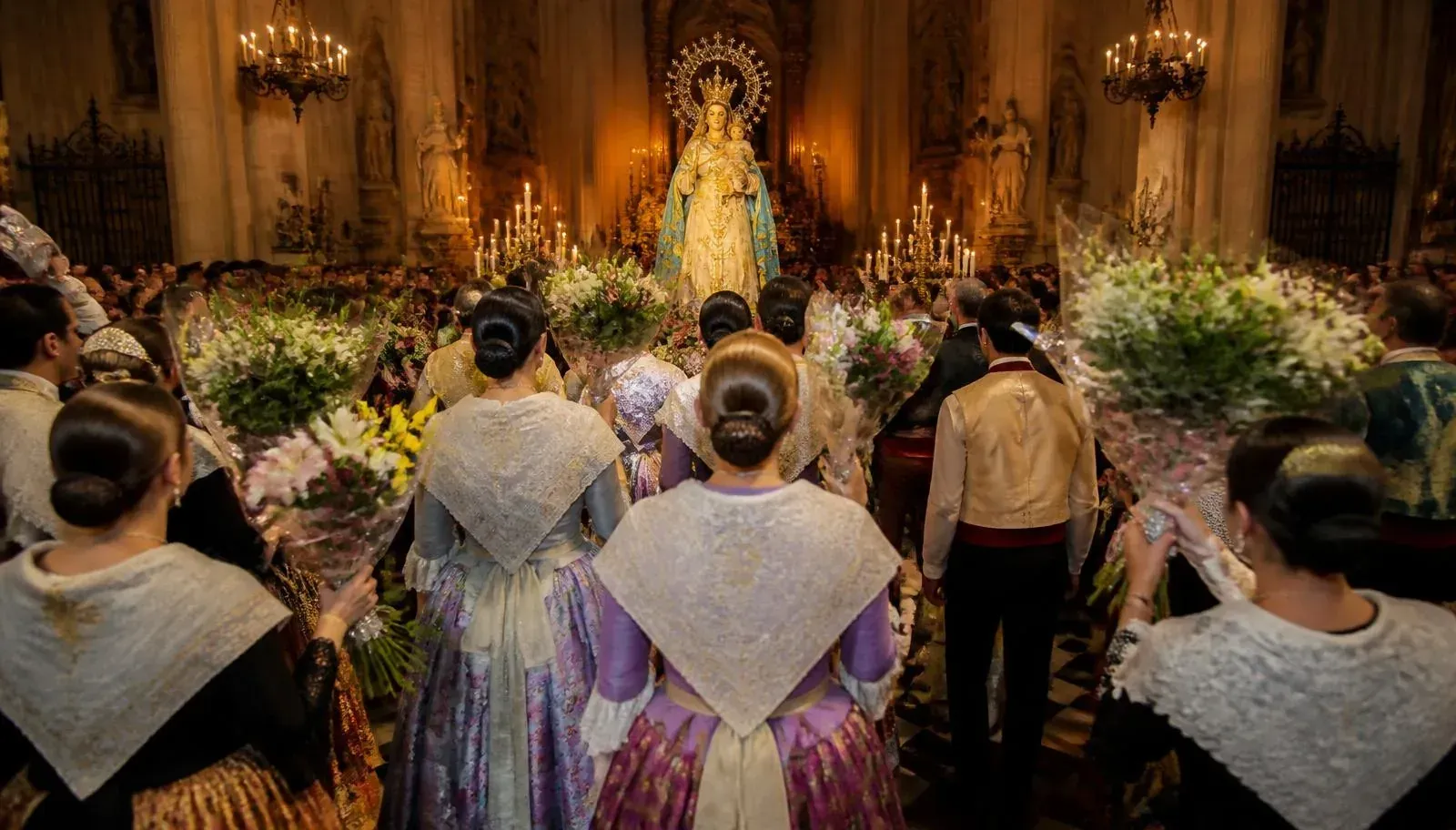
Mare de Déu de la Salut
During the flower offering, the facade of the church of Sant Miquel is decorated with flowers – a festival of the city.
-
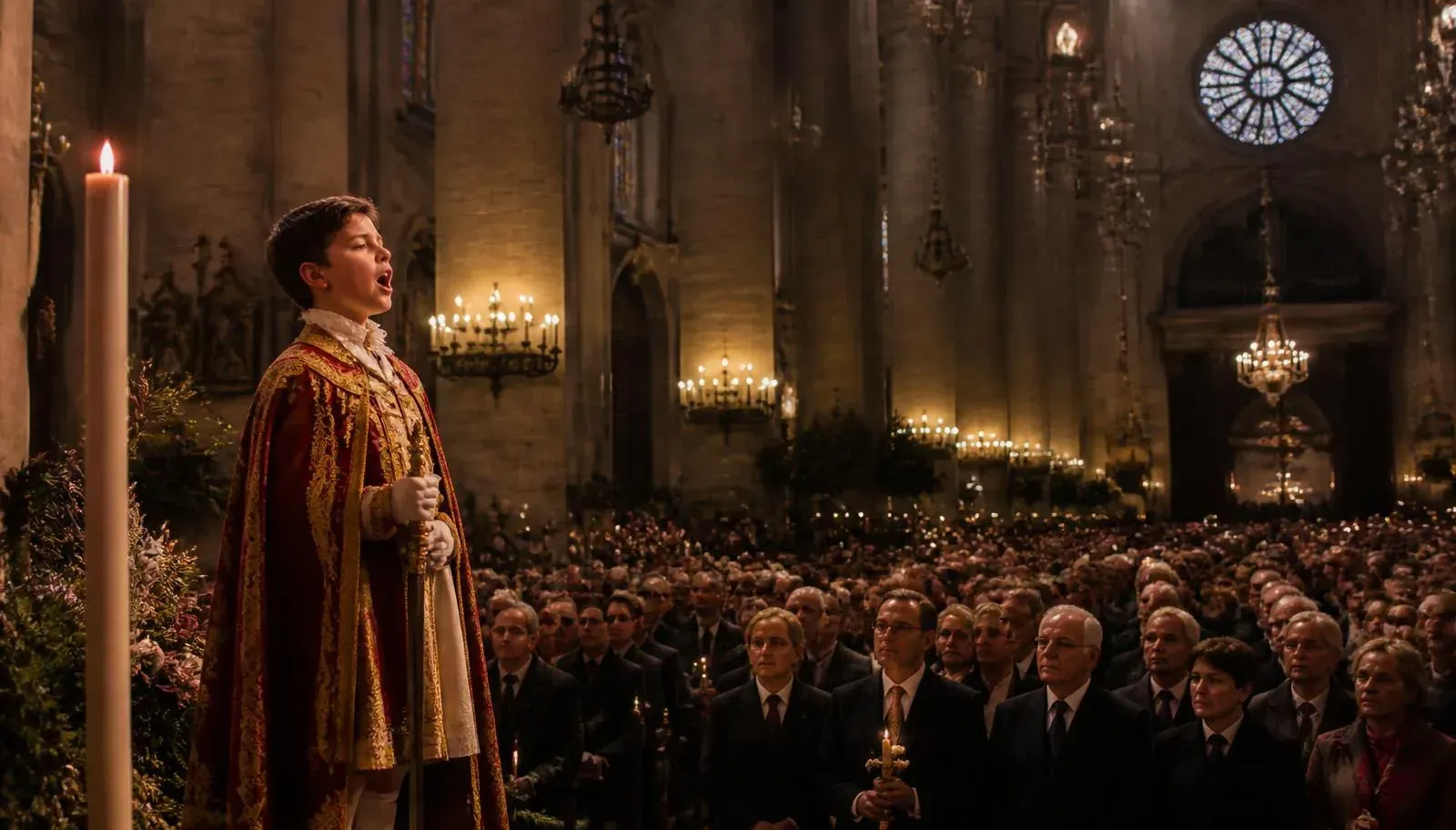
Cant de la Sibil·la
A young soloist in a white robe raises a sword and sings a cappella about the Last Judgement – UNESCO Intangible Cultural Heritage since 2010.
-
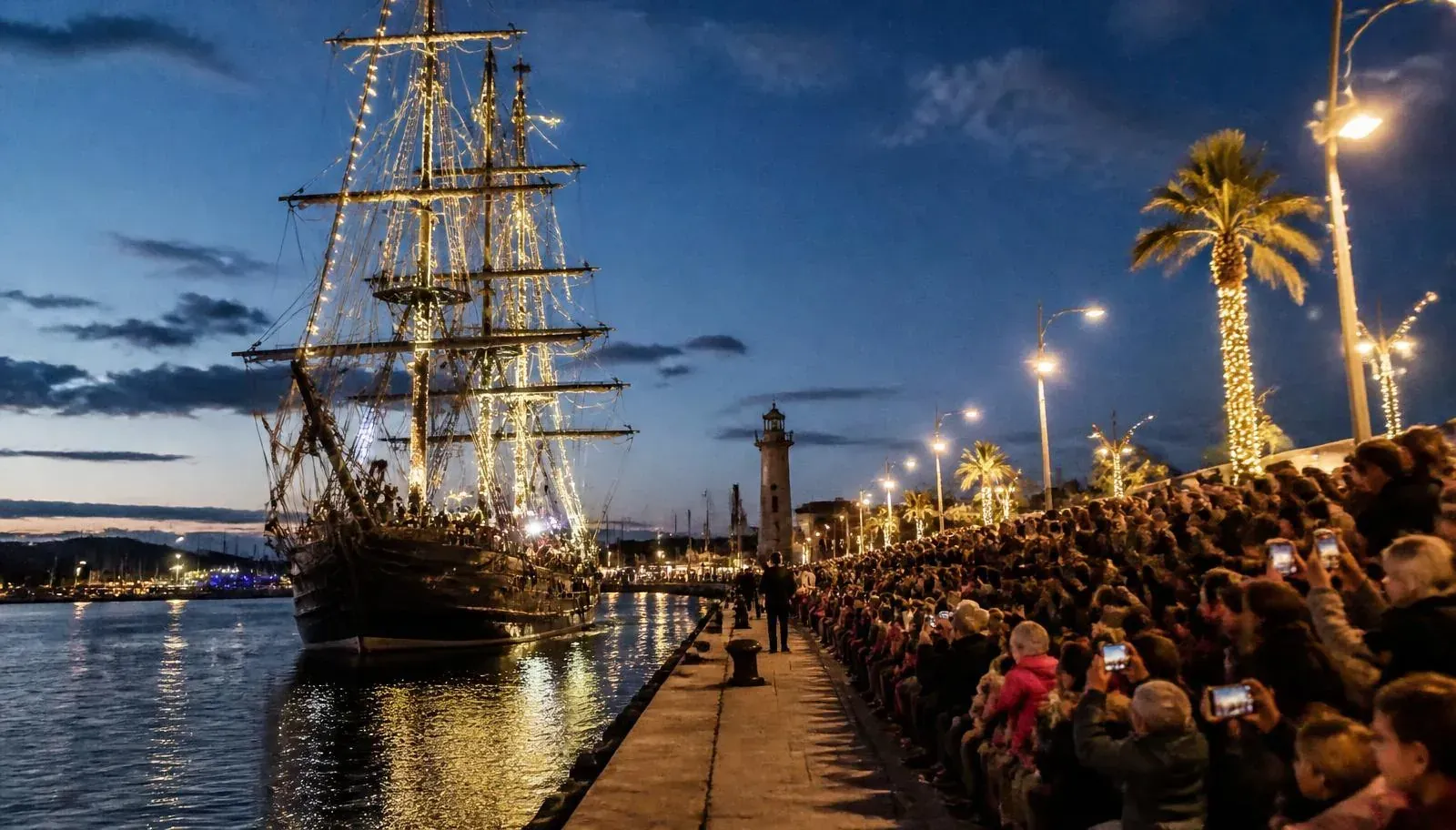
Three Kings
On the evening of 5 January at around 18:00, the Three Kings arrive at the Moll Vell and parade through Palma.
-
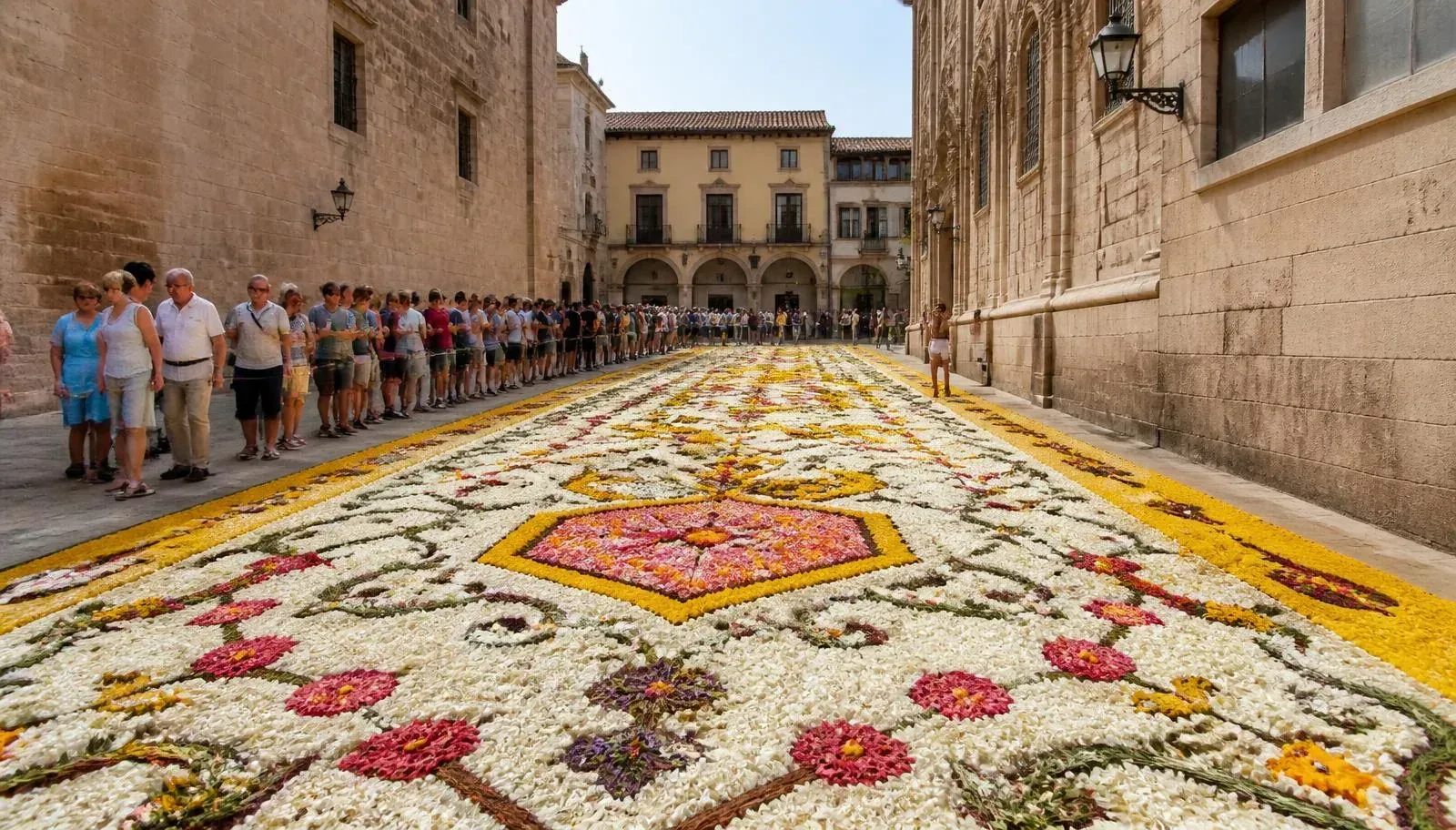
Corpus Christi
Petals form a sacred pattern on the paving – before the procession walks over it.
-
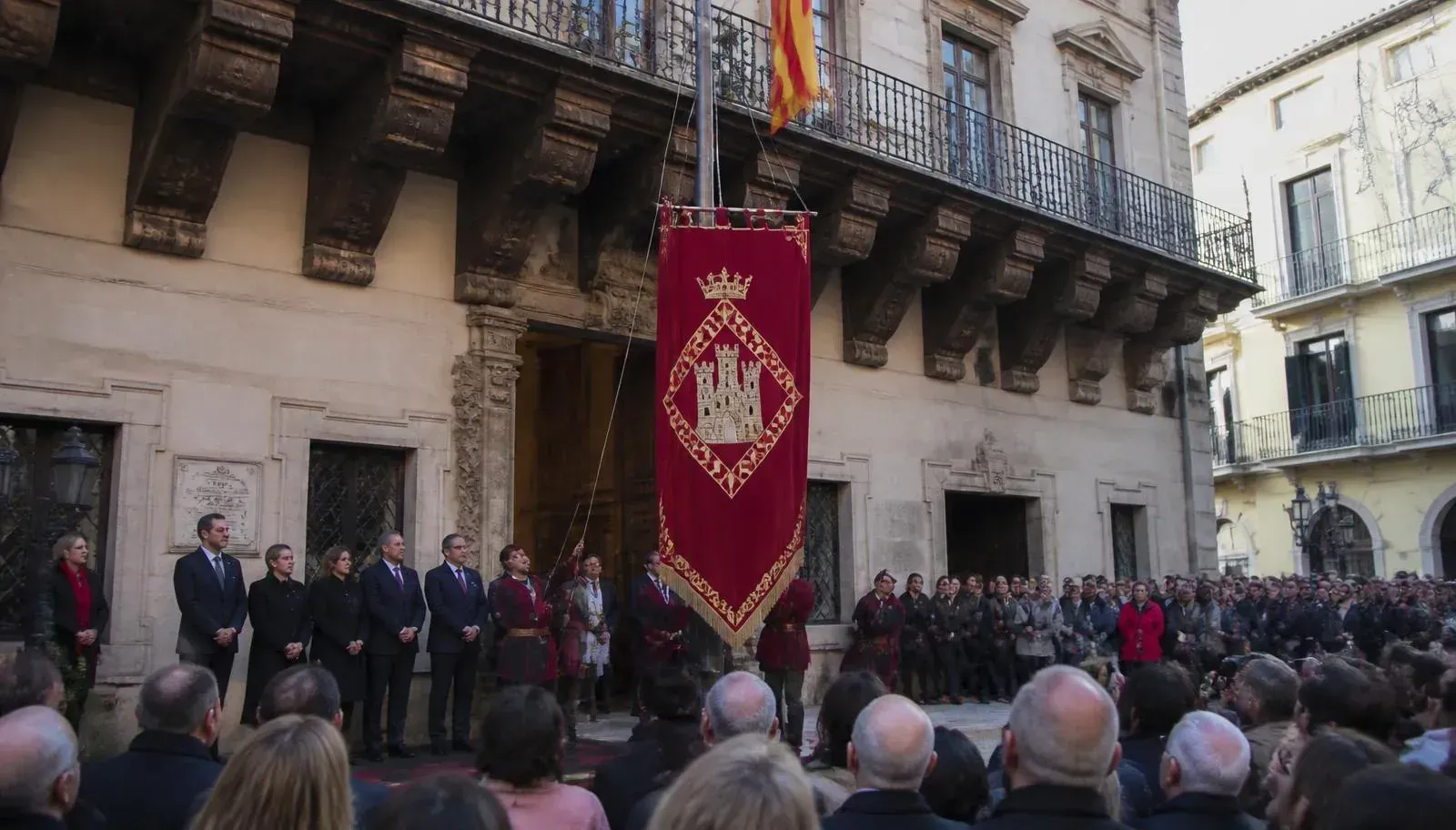
Festa de l'Estendard
For centuries, on the last day of the year, the royal standard is raised on the Plaça de Cort.
-
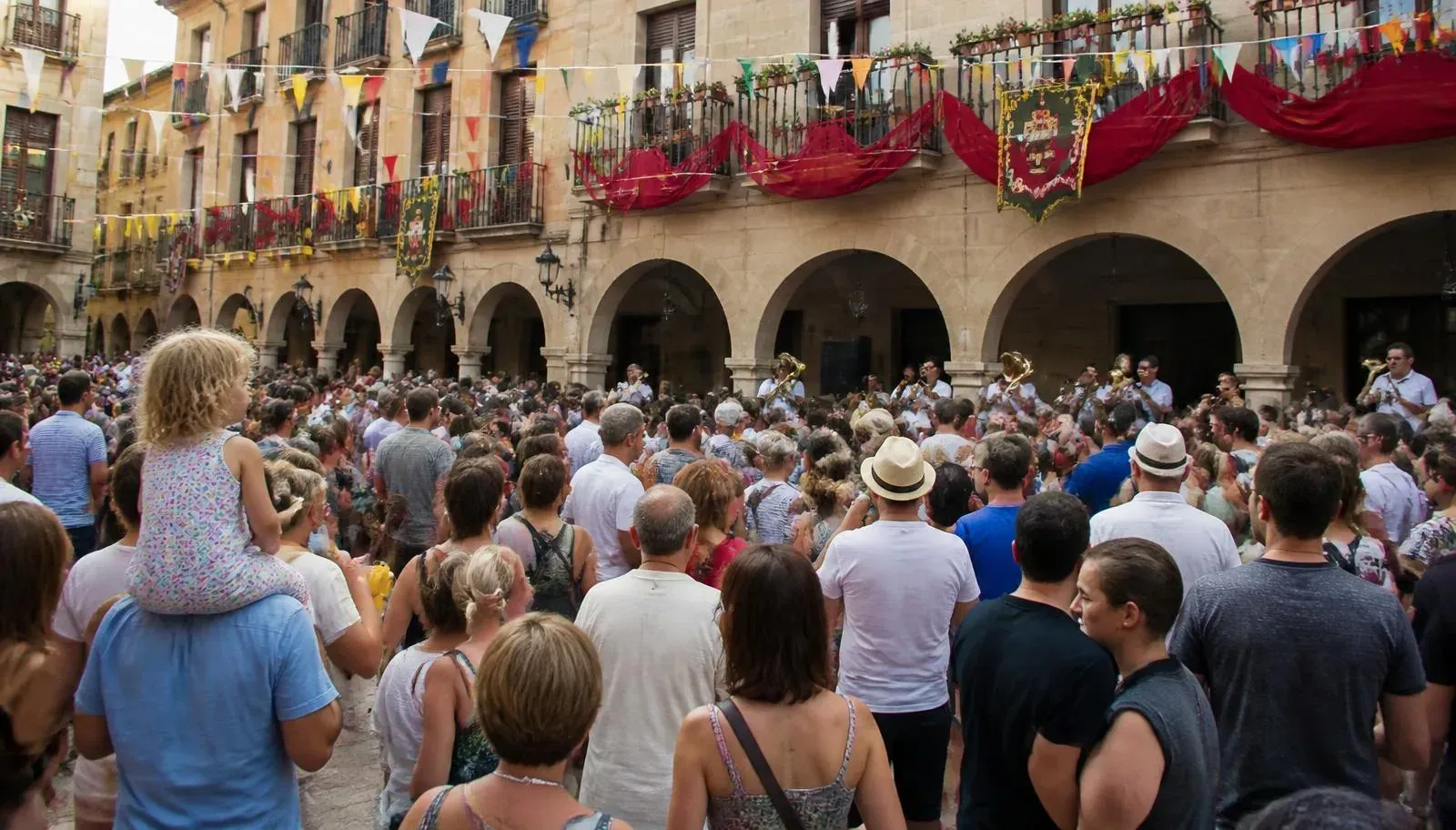
Festa de la Patrona Pollença
On 2 August Pollença celebrates its patron saint – a festival somewhere between patronal Mass and historical commemoration.
-
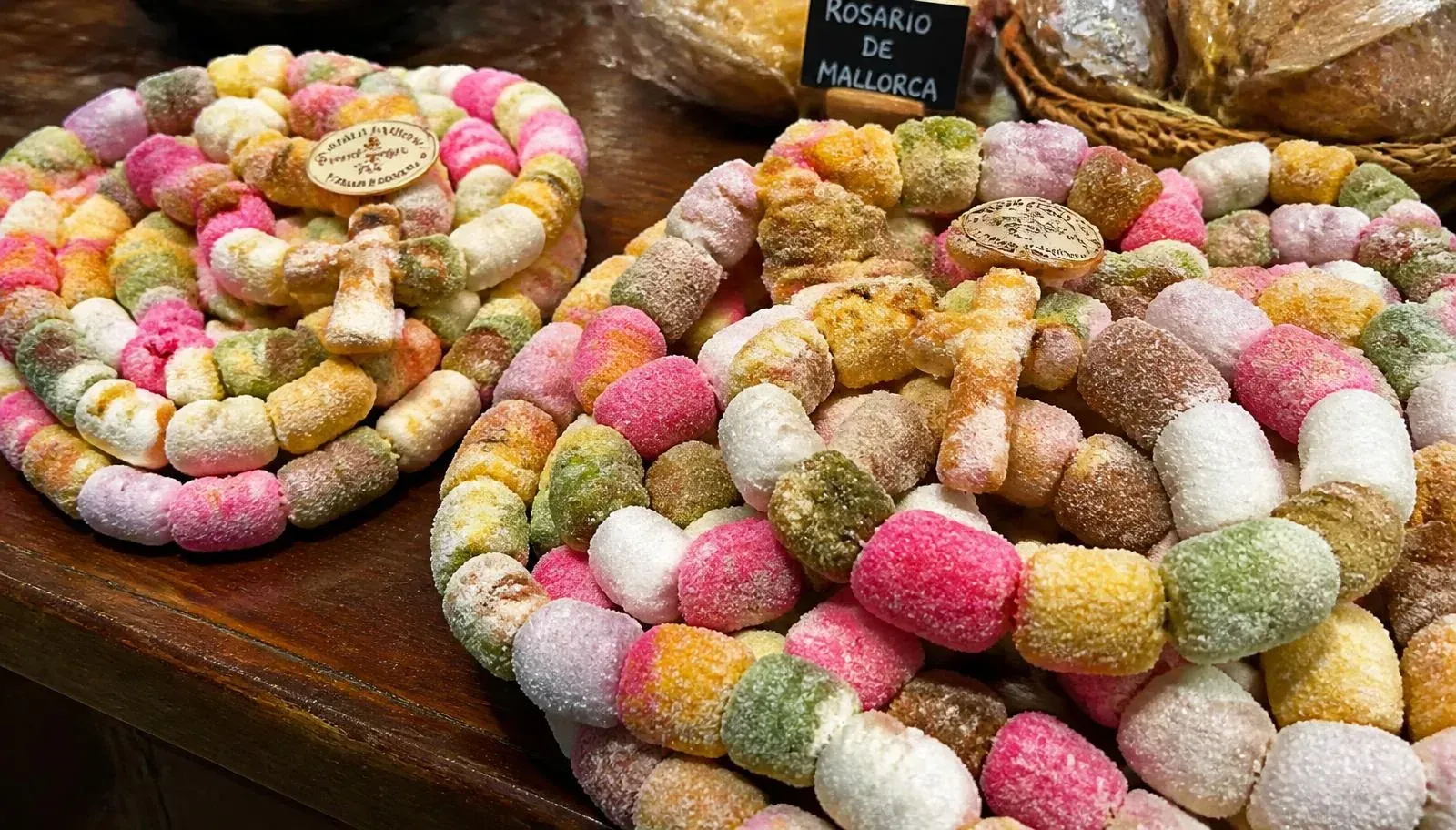
Rosaris Ensucrats
A rosary of sugared beads that godchildren receive as a gift in early November – sweet, colourful and almost forgotten.
Frequently asked questions
Who are the cossiers?
Traditional Mallorcan ritual dancers: six dancers in white costume with flowered hats, accompanied by a dama and a dimoni, the devil.
Where can you see the cossiers?
Above all in Montuïri for Sant Bartomeu and in Algaida for Sant Jaume and Sant Honorat, and also in Manacor and Alaró and in the Corpus Christi procession in Palma.
Is there an admission charge?
No. The cossiers dance in public spaces as part of the village festival.
How old is the tradition?
The dances have been documented since the 16th century; their roots are sometimes traced back to pre-Christian rituals.
Next steps
This page belongs to the topic area Church festivals & traditions and can be found at /en-gb/cossiers-mallorca.