



Church Festivals & Traditions
Rosaris Ensucrats: The All Saints’ Day Custom in Mallorca
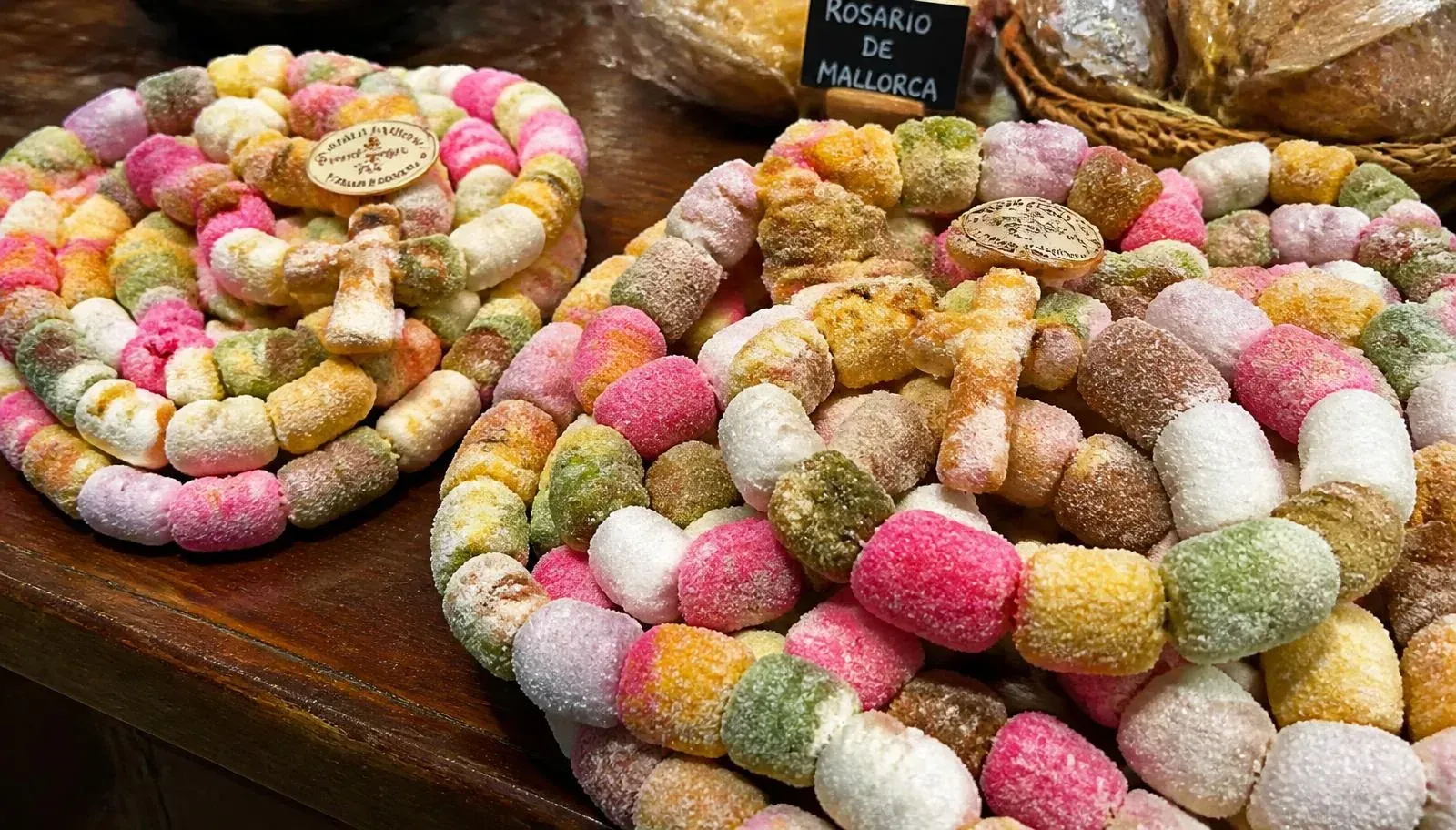
A rosary of sugared beads that godchildren receive at the beginning of November – sweet, colourful and almost forgotten.
On All Saints’ Day, godchildren in Mallorca receive an edible rosary.
In brief
What are Rosaris Ensucrats?
Rosaris Ensucrats are sugared rosaries: strings of colourful, sugar-coated sweets, often with a cross made of pastry. In Mallorca, godparents give them to their godchildren around All Saints’ Day on 1 November. During this period they are sold in traditional pastry shops and at markets.
Fixed date October November
Quick Facts
- When
- Around 1 November
- Where
- Pastry shops and markets across the island, mainly in Palma
- Duration
- On sale from mid-October
- Admission
- free; rosaries cost a few euros depending on size
- Who it’s for
- Culture lovers, families, foodies
- Highlight
- A custom you can take home and taste
- Date rule
- Fixed date: All Saints’ Day on 1 November.
- Public holiday
- yes, public holiday
Location: pastry shops and markets across the island, mainly in Palma.
What are Rosaris Ensucrats?
A Rosari Ensucrat is an edible rosary: beads of candied sweets in pink, green, yellow and white, threaded into a string, usually with a small cross made of pastry or marzipan. Traditionally, godparents give them to their godchildren on All Saints’ Day.
The sweet combines two levels: the prayer object and the gift to the children at a time otherwise devoted to remembering the dead.
All Saints’ Day in Mallorca
1 November is a public holiday. Families visit the cemeteries, which on this day are completely covered in flowers – chrysanthemums dominate the scene. The day is quiet but not gloomy: visiting the cemetery and a family meal go together.
What else is eaten
Alongside the rosaris, the season brings bunyols, deep-fried pumpkin fritters sold at stalls in Palma and at village festivals, as well as roasted chestnuts. Together they make up the culinary picture of early November in Mallorca.
Where to get them
From mid-October, the rosaris are on display in traditional pastry shops in Palma and the larger towns, as well as at stalls at the weekly markets. Anyone can buy them – the custom has become rare and lives on mainly through the bakeries.
Tips for your visit
- Weekly markets at the end of October are the easiest place to find rosaris.
- 1 November is a public holiday: supermarkets closed, cemeteries very busy.
- Bunyols taste best fresh – eat them right at the stall rather than taking them away.
- Suitable as a souvenir, but sensitive to heat in hand luggage.
Who is it worthwhile for?
Good for:
- Culture lovers
- Families
- Anyone on the island in autumn
Less suitable for:
- Anyone looking for an event with a programme – this is a custom, not an event
Similar dates
More Church Festivals & Traditions
-
Easter in Mallorca
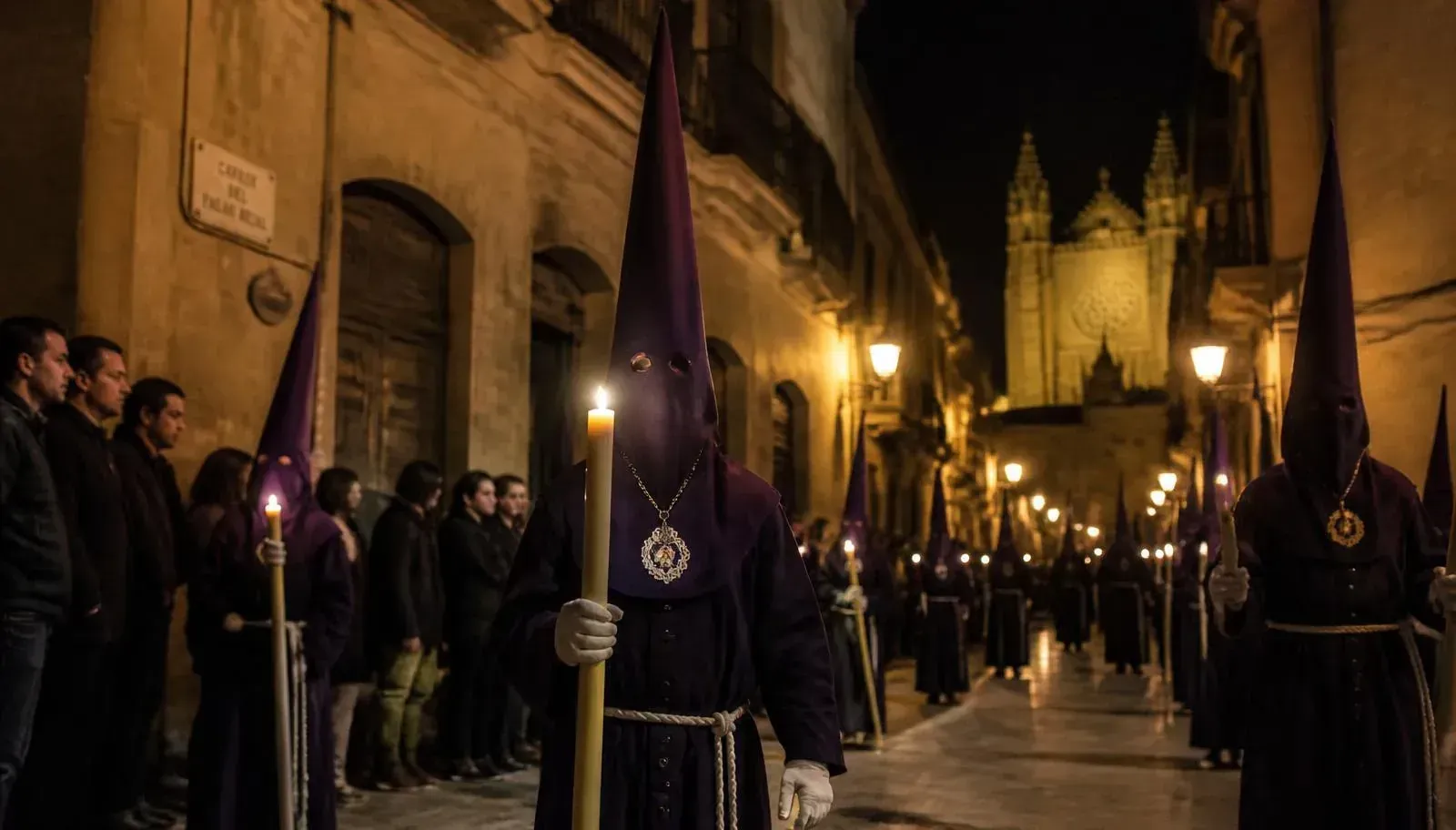
For a whole week, brotherhoods process with candles through the old towns before trumpets and flowers herald spring on Easter Sunday.
-
Semana Santa Mallorca
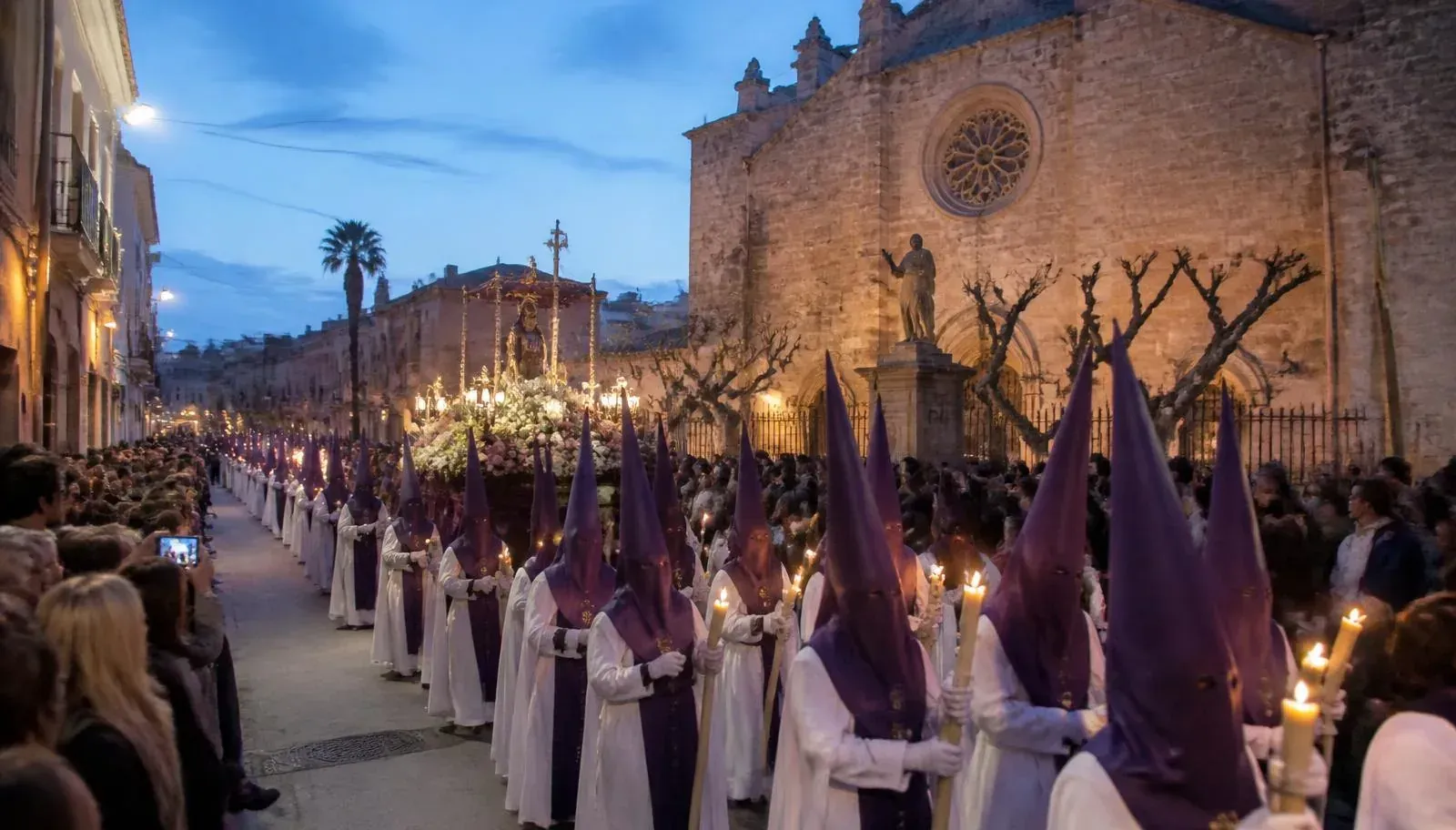
Seven days, seven different scenes: from the blessing of the palms on Sunday morning to the meeting of the figures on Easter morning.
-
Good Friday in Mallorca
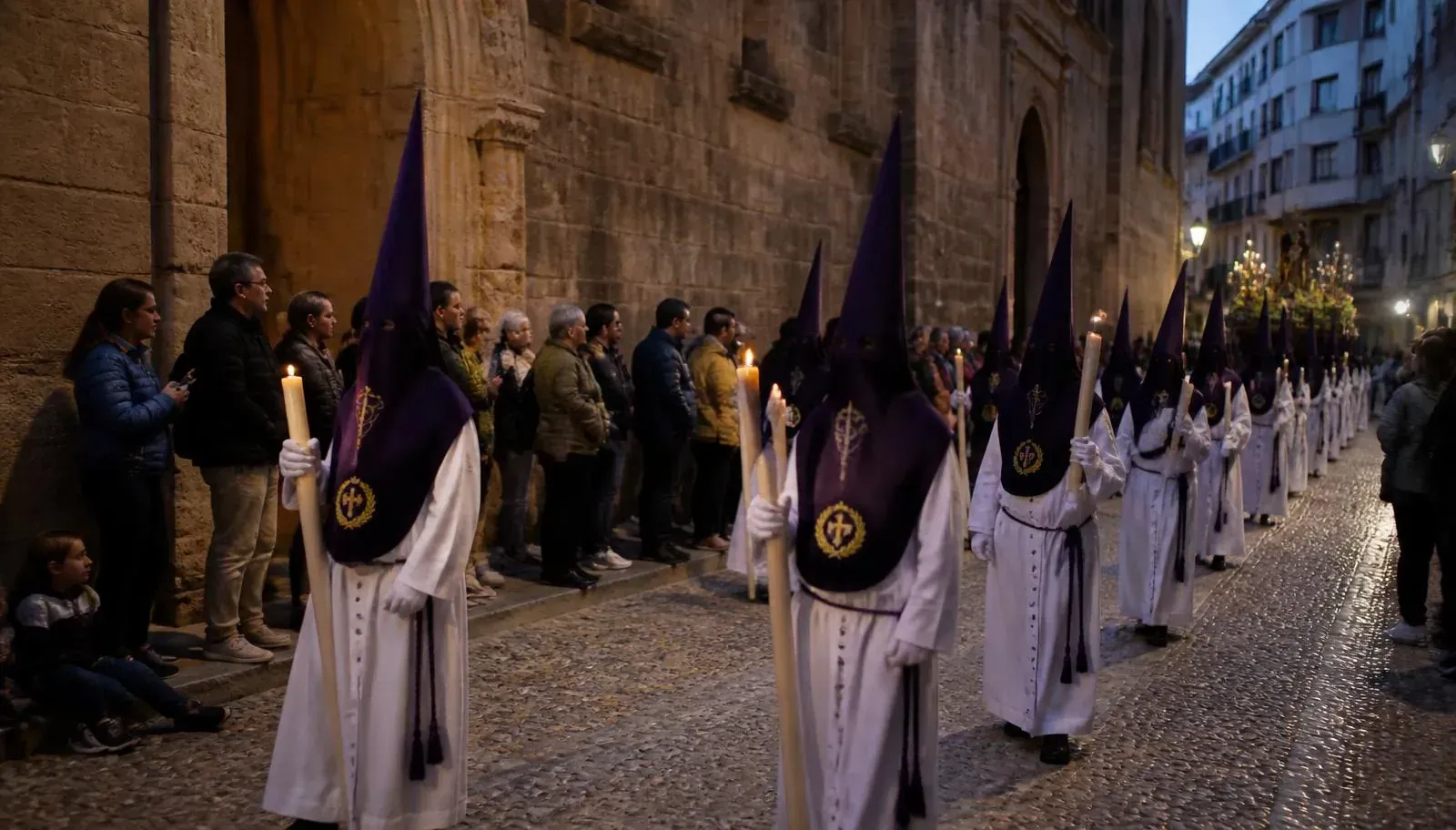
A quiet public holiday during the day with shops closed, processions in the evening.
-
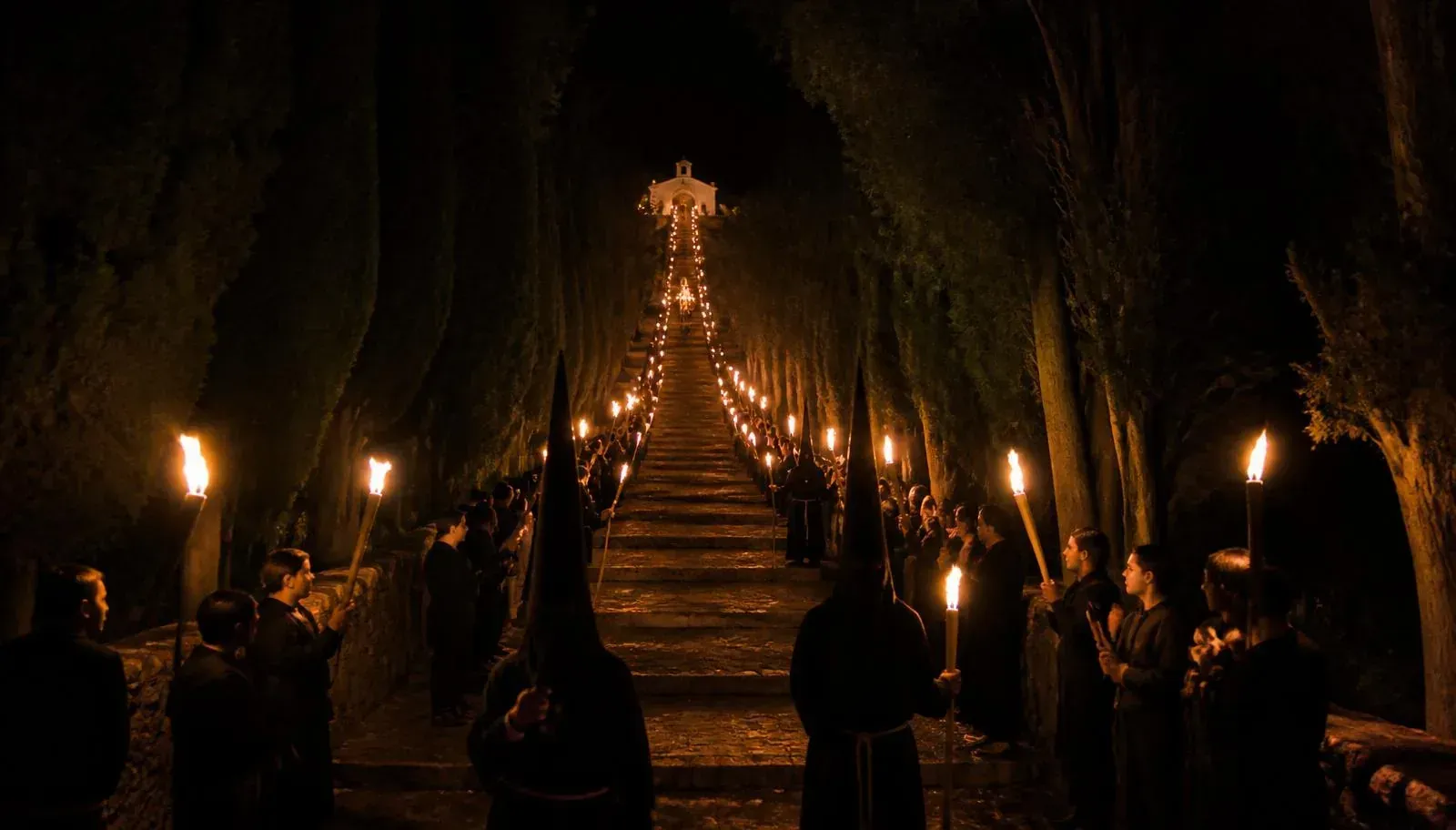
Devallament Pollença
The Deposition from the Cross at the Calvari, followed by a torchlight procession down the steps.
-
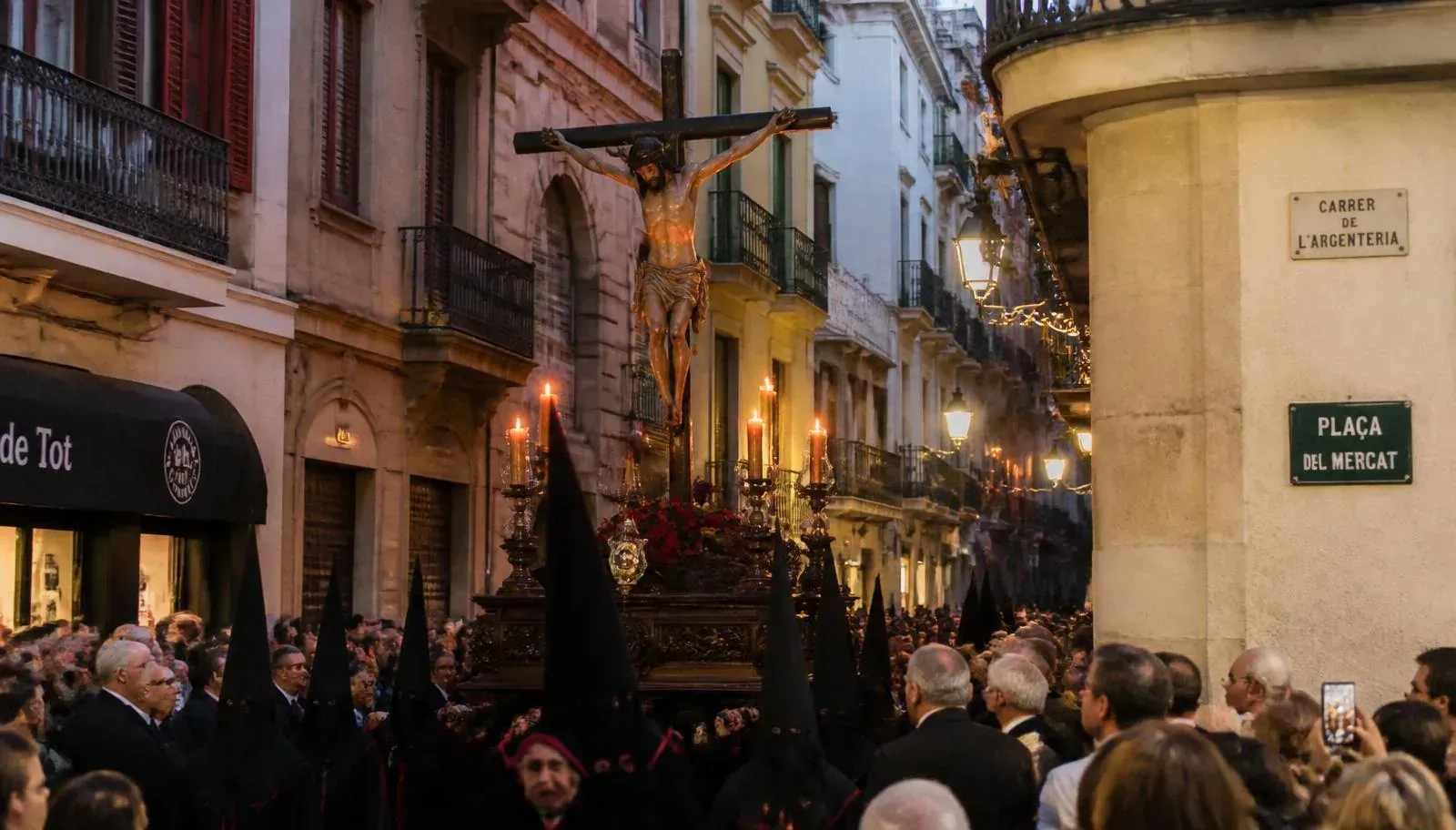
Easter processions in Palma
On Maundy Thursday, 33 brotherhoods with 45 pasos process through the old town to the cathedral.
-
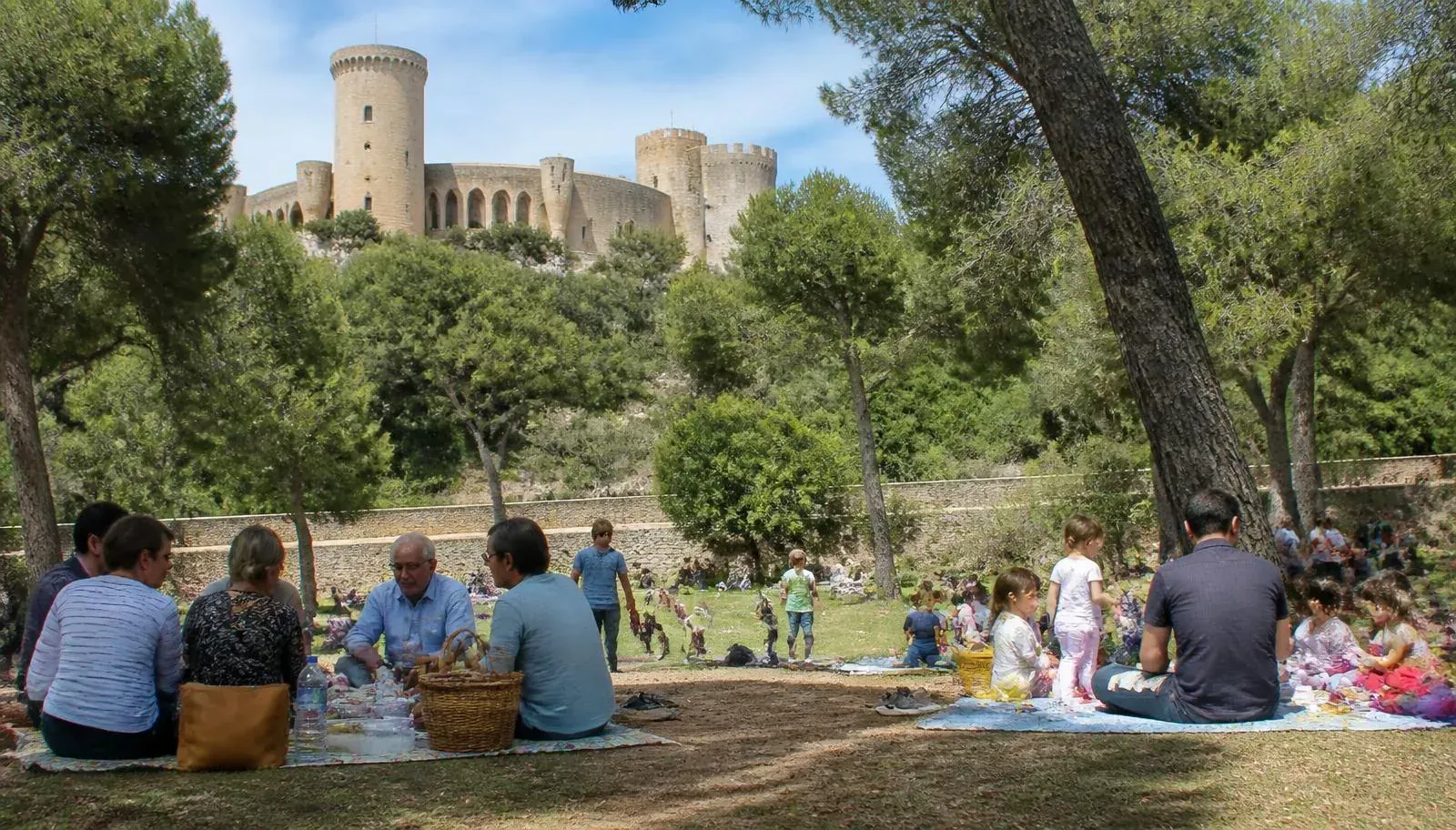
Pancaritats
On the Sunday after Easter, many Mallorcans head out into the countryside for a picnic – in Palma with music and dancing at the Diumenge de l'Àngel.
-
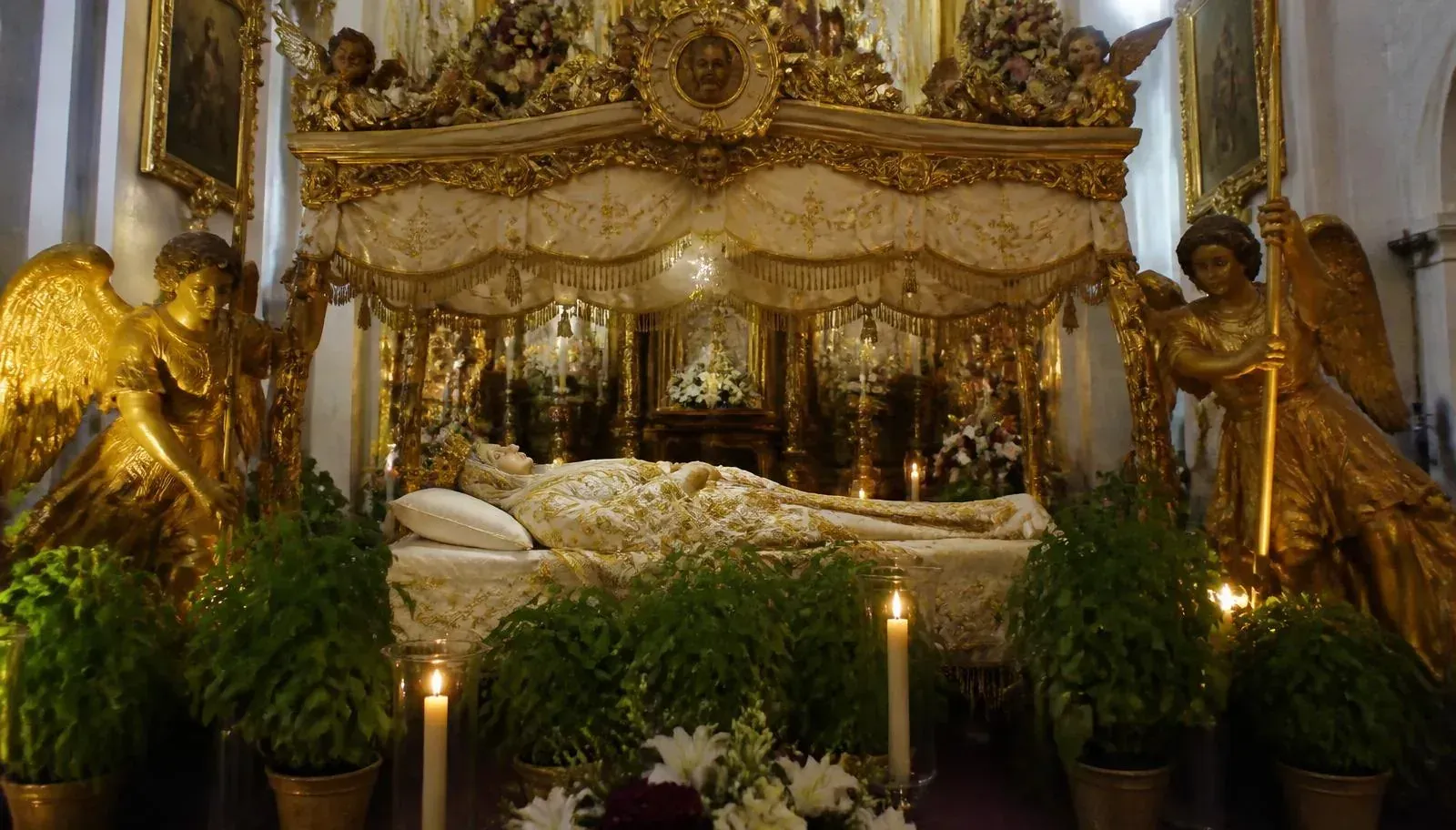
Assumption of Mary
Around 15 August, in some 50 churches a life-size figure of the Virgin Mary lies on a baroque bed of flowers, basil and carved straw.
-
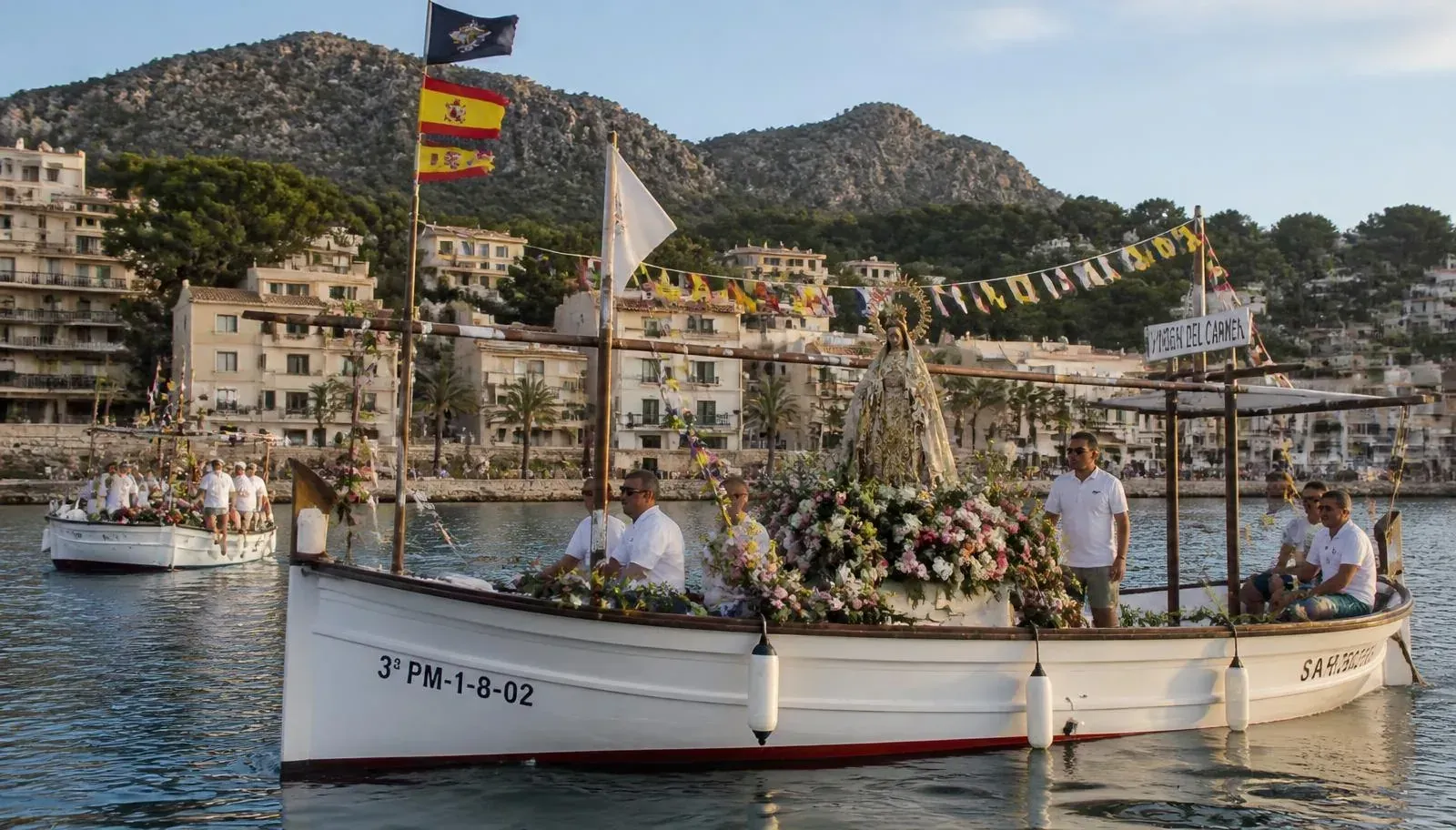
Virgen del Carme
Dozens of decorated fishing boats escort the figure of the Virgin out to the open sea, while horn concerts and brass bands fill the harbour.
-
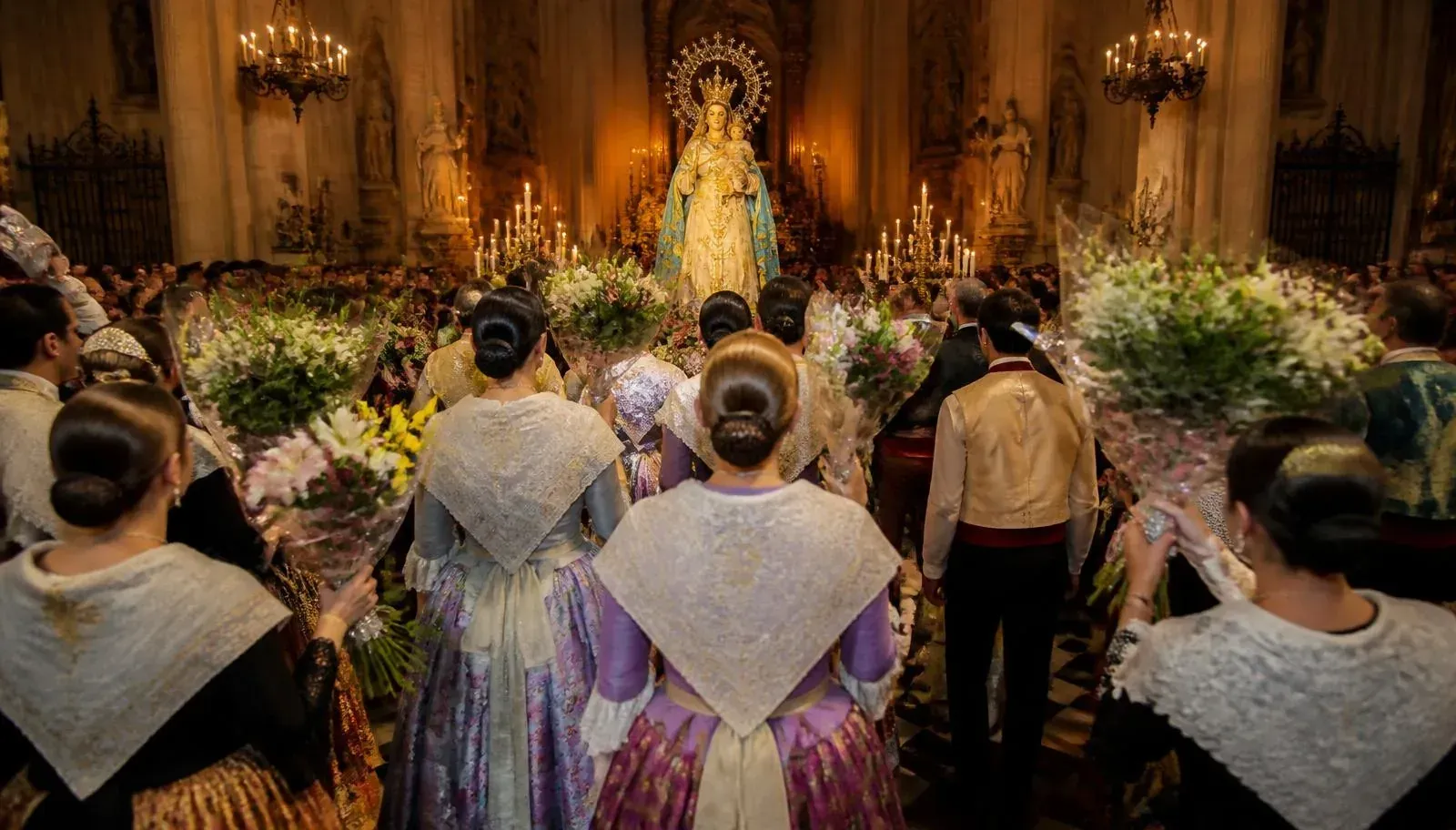
Mare de Déu de la Salut
During the flower offering, the façade of the church of Sant Miquel is decorated with flowers – a celebration of the city.
-
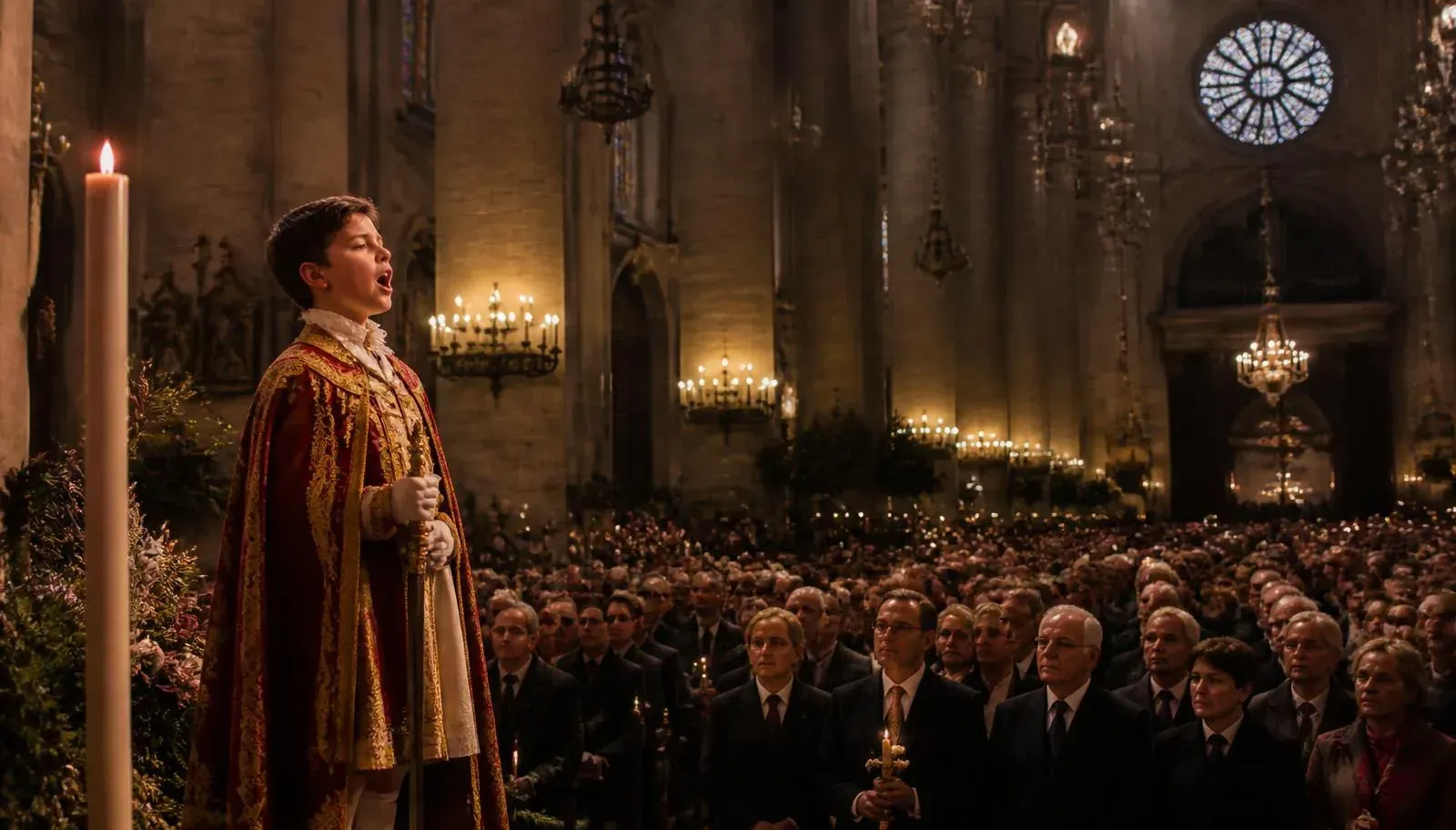
Cant de la Sibil·la
A young soloist in a white robe raises a sword and sings a cappella of the Last Judgement – UNESCO Intangible Cultural Heritage since 2010.
-
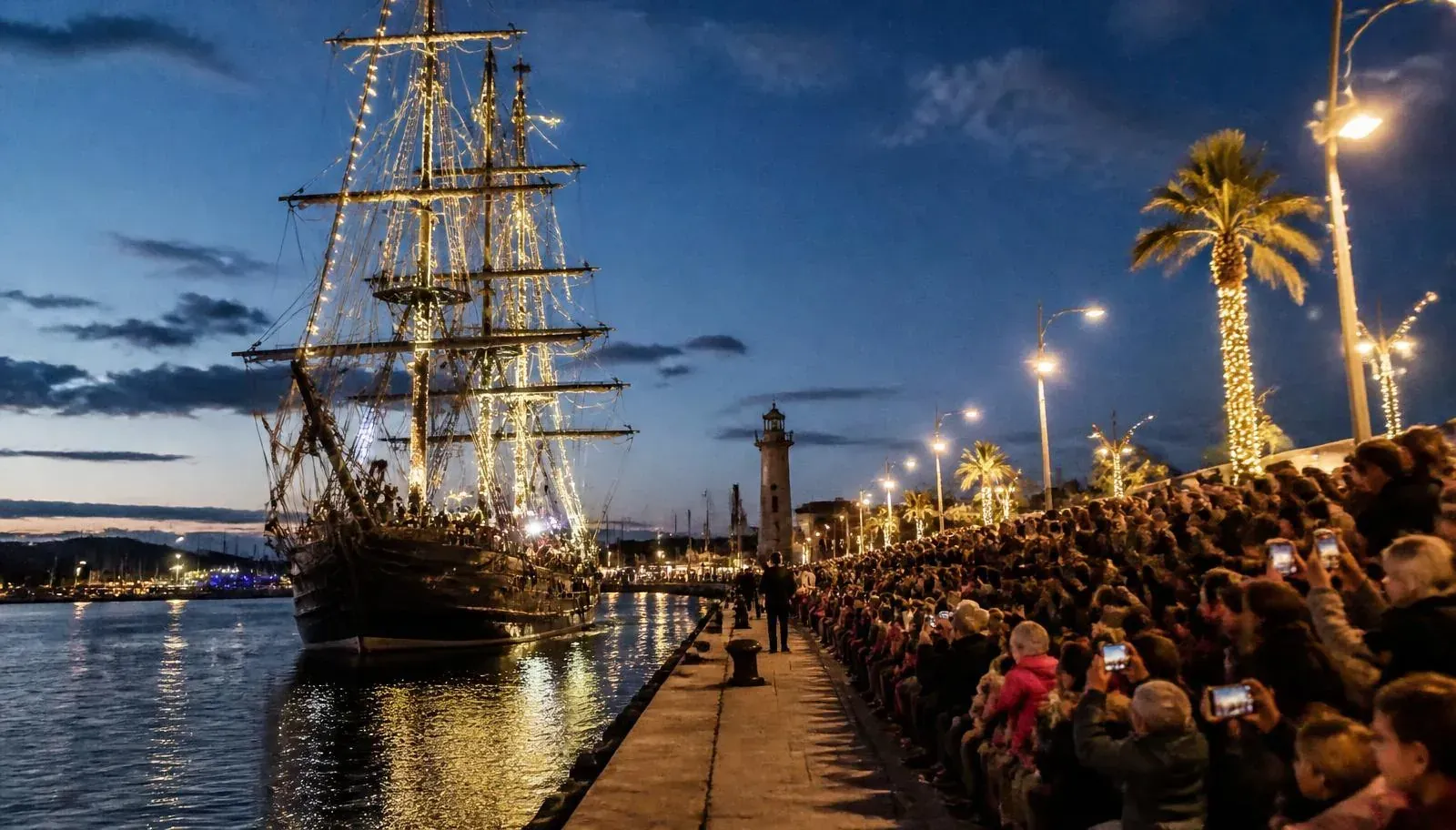
Three Kings
On the evening of 5 January, around 18:00, the Three Kings arrive at the Moll Vell and parade through Palma.
-
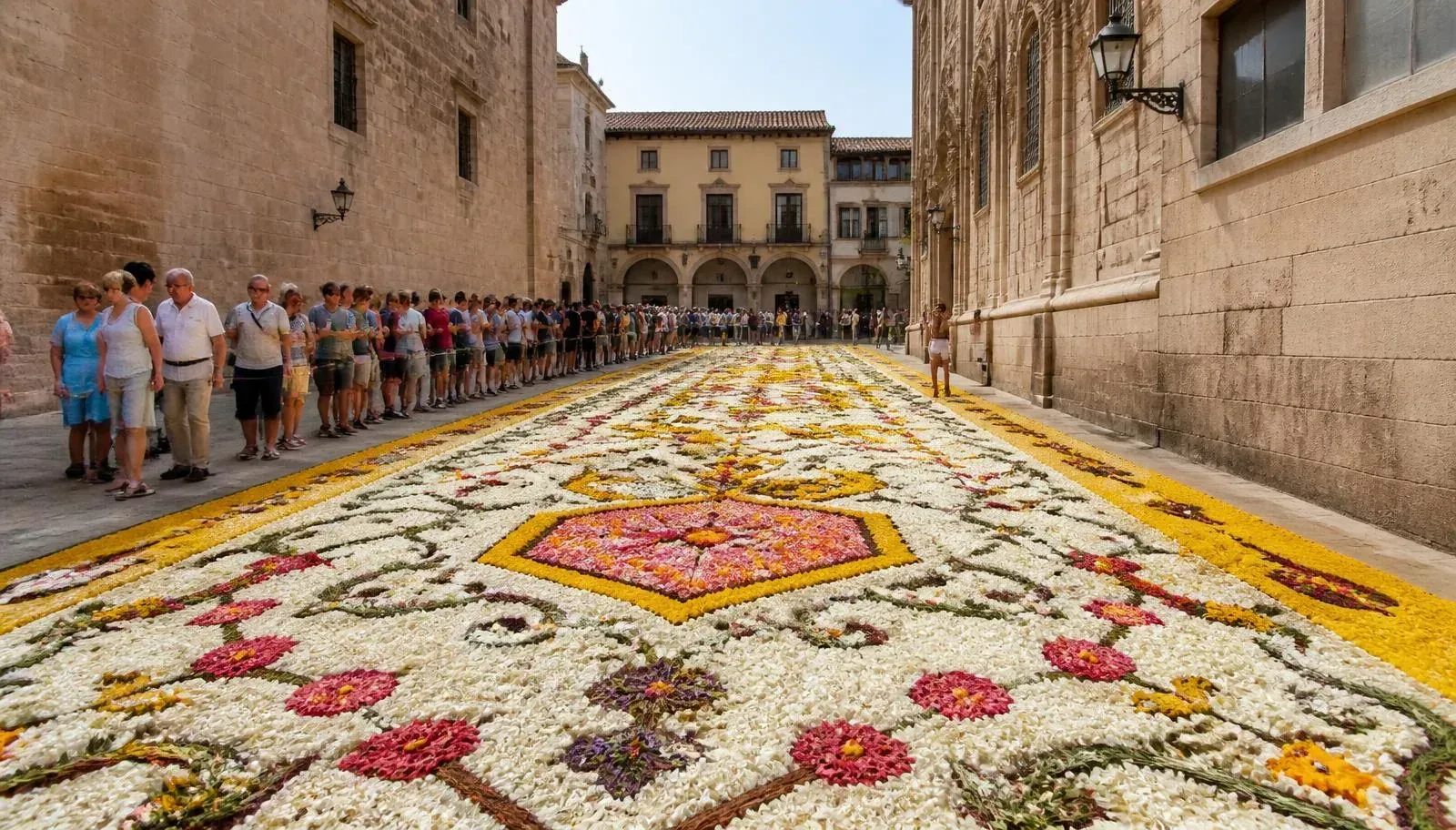
Corpus Christi
Flower petals form a sacred pattern on the paving – before the procession passes over it.
-
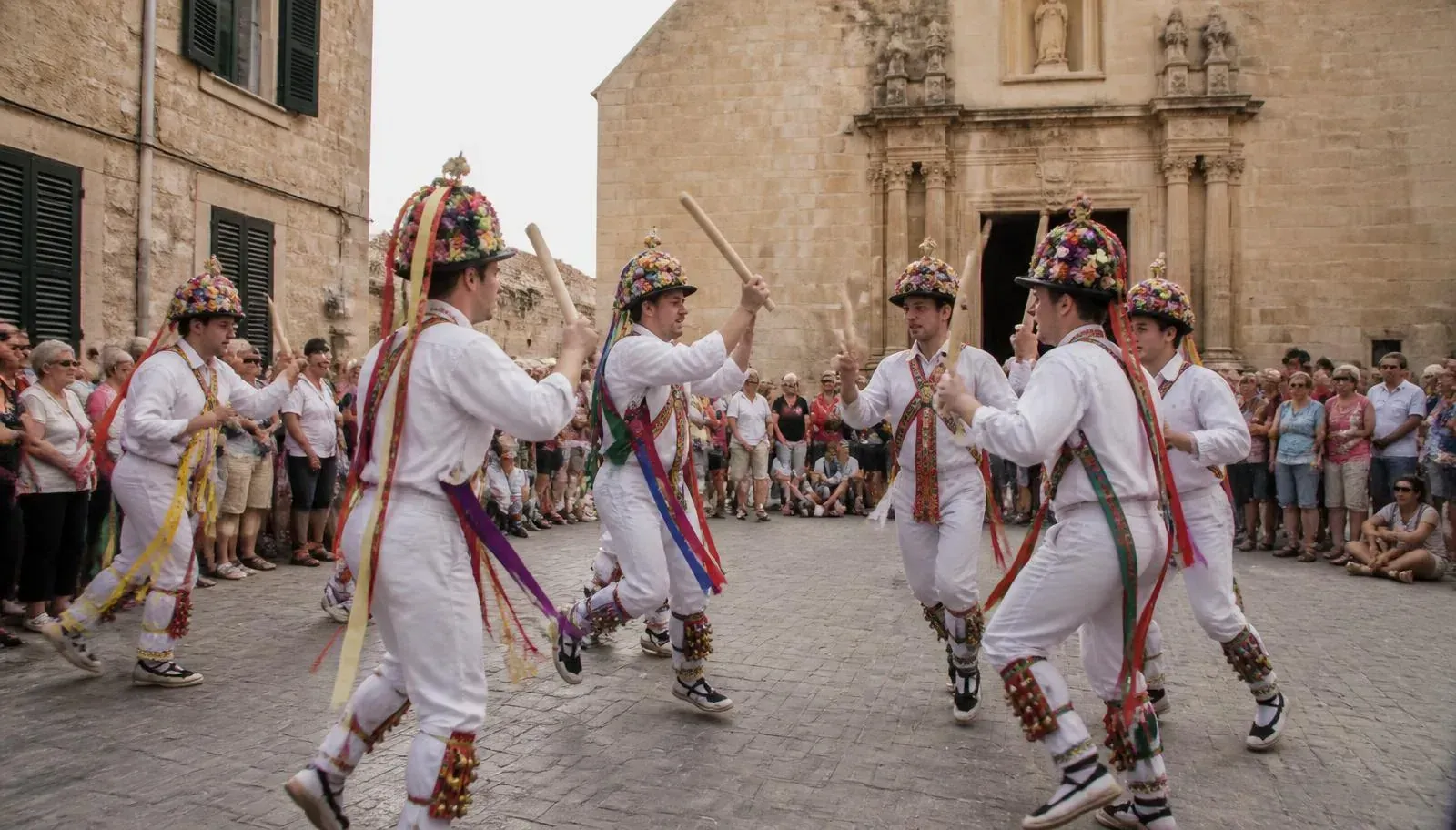
Cossiers
Six dancers, a lady and a devil: a traditional dance for the town festival.
-
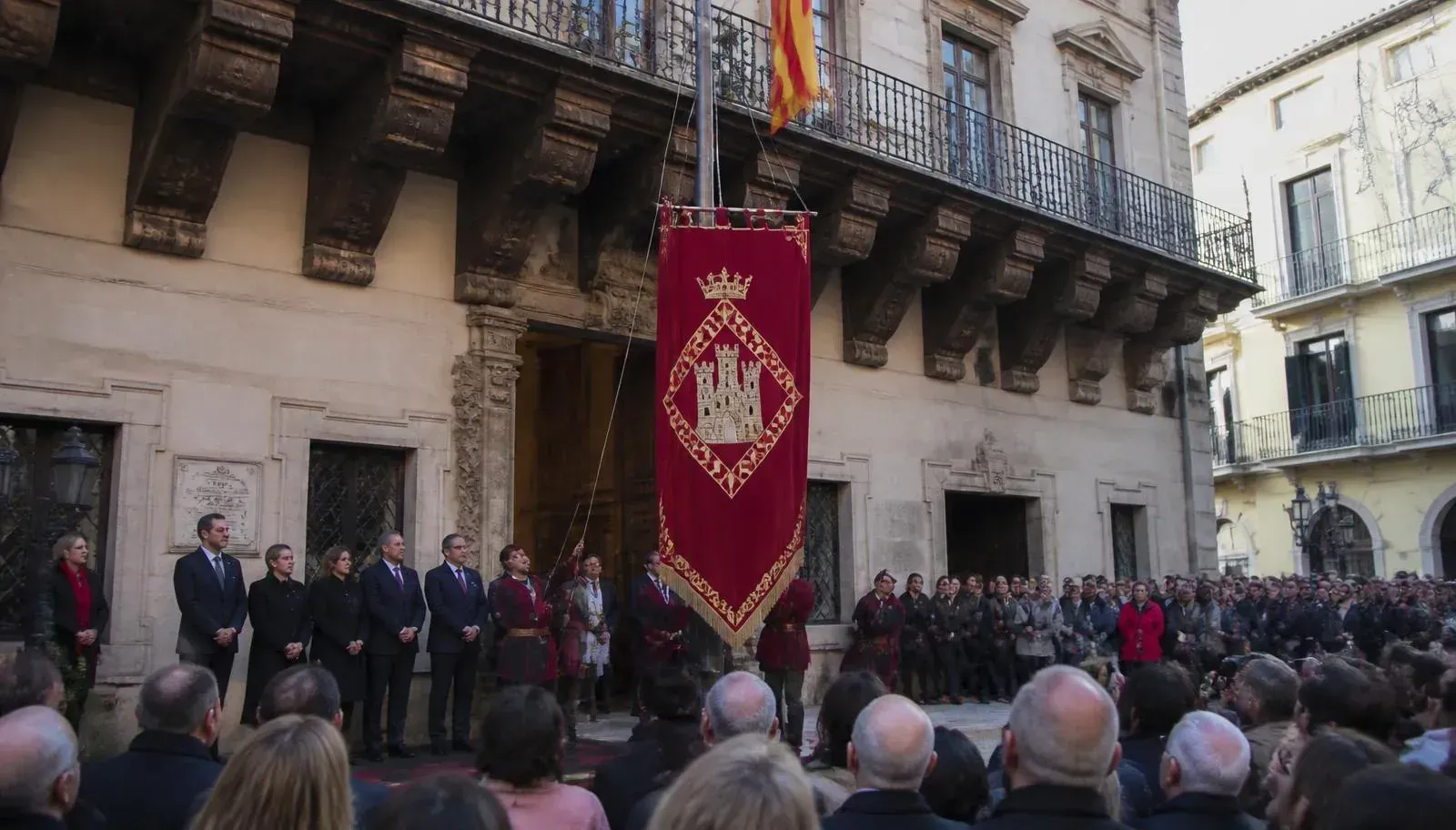
Festa de l'Estendard
For centuries, on the last day of the year, the royal standard is raised on the Plaça de Cort.
-
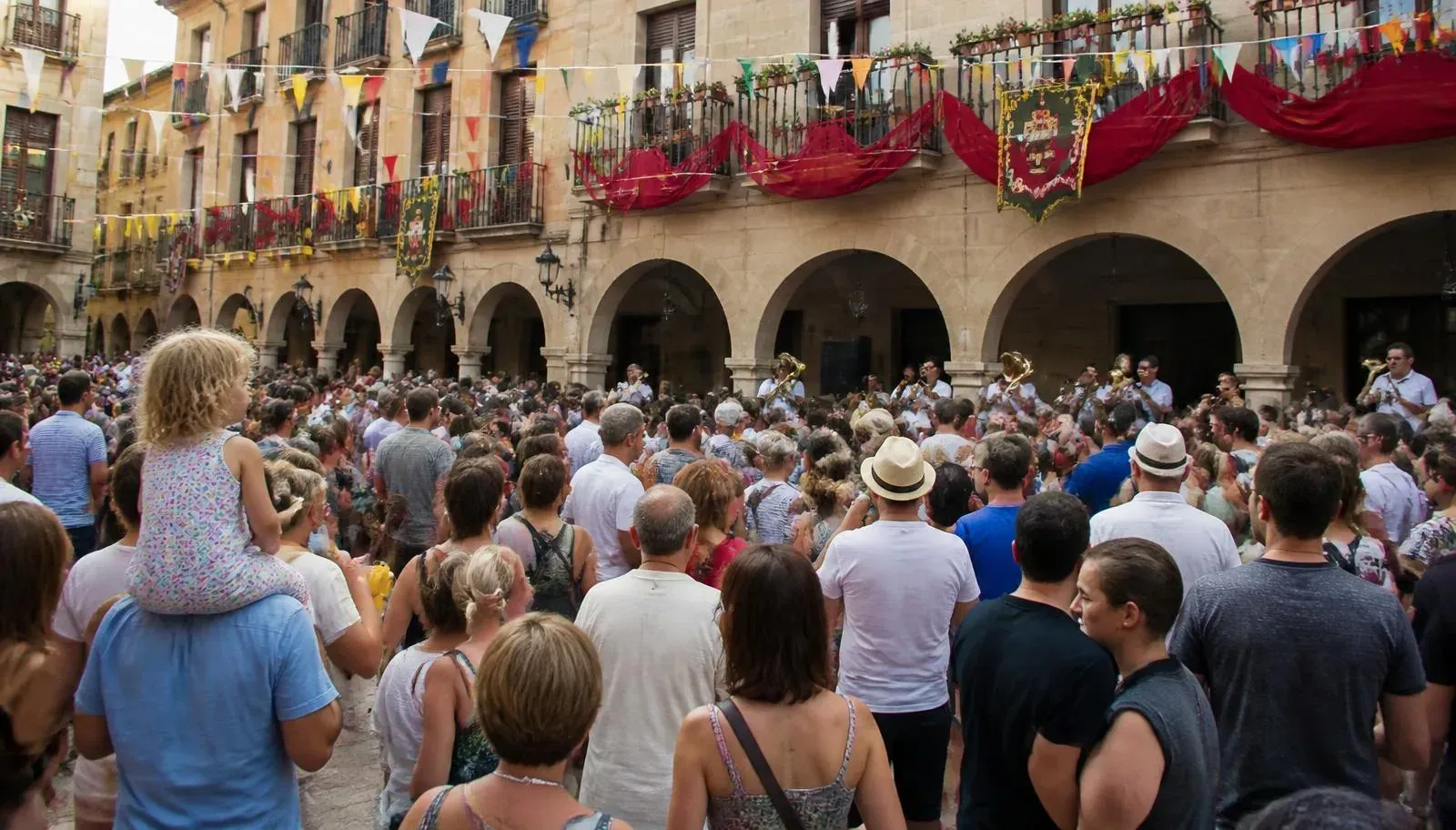
Festa de la Patrona Pollença
On 2 August, Pollença celebrates its patron saint – a festival between the patronal Mass and historical remembrance.
Frequently asked questions
What are Rosaris Ensucrats?
Sugared rosaries made of colourful sweets that godparents in Mallorca give to their godchildren on All Saints’ Day.
When can you get them?
From mid-October to early November in traditional pastry shops and at weekly markets.
Is All Saints’ Day a public holiday in Mallorca?
Yes, 1 November is a public holiday. Shops stay closed and the cemeteries are very busy.
What else is eaten on All Saints’ Day?
Bunyols, deep-fried pumpkin fritters, and roasted chestnuts – both are available at stalls and markets.
Next steps
This page belongs to the topic area Church Festivals & Traditions and can be found at /en-gb/rosaris-ensucrats-allerheiligen.