



Religious festivals & traditions
Pancaritats: Mallorca's pilgrimage picnics after Easter
Last checked: October 2026
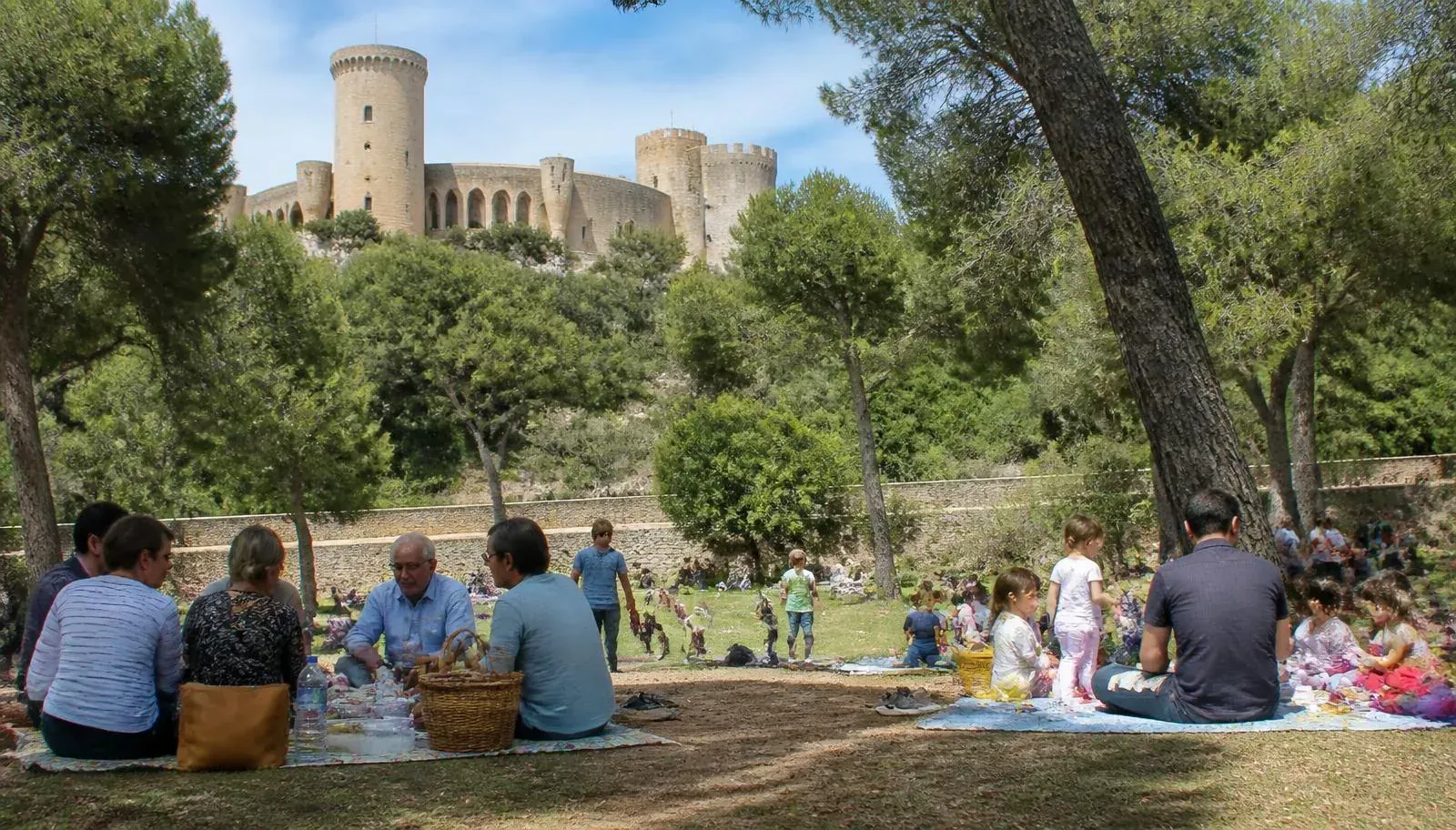
On the Sunday after Easter, many Mallorcans head out into the countryside for a picnic – in Palma with music and dancing at the Diumenge de l'Àngel.
After Holy Week it's picnic time: panades, rubiols and crespells are part of it.
The short answer
What are the Pancaritats?
Pancaritats are popular pilgrimages to remote sanctuaries that take place after Easter and always end with a shared picnic. The biggest date is the Diumenge de l'Àngel (Angel Sunday), the first Sunday after Easter, with the procession up to Castell de Bellver in Palma. In 2026 it was scheduled for 12 April but was postponed to 10 May because of bad weather and held in Parc de sa Riera; in 2027 it falls on 4 April.
Date confirmed March April
Quick facts
- When
- 2026: 10 May (postponed from 12 April due to weather) · 2027: 4 April
- Where
- Castell de Bellver (Palma), Puig de Maria (Pollença), Santuari de Cura (Randa)
- Duration
- Late morning to afternoon
- Admission
- free
- Who it's for
- Families, walkers, culture lovers
- Special feature
- The cheerful counterpart to the silent Holy Week processions
- Date rule
- Movable: first Sunday after Easter; some pilgrimages on Easter Monday.
Note on currency
This information is updated before each season, in particular the date of the Diumenge de l'Àngel and access rules and closures at Bellver Castle.
Location: Castell de Bellver (Palma), Puig de Maria (Pollença), Santuari de Cura (Randa).
What are the Pancaritats?
Originally, pancaritats were distributions of bread on church holidays – hence the name (literally “charity bread”). They turned into popular pilgrimages: people walk to a sanctuary outside the village, attend a short Mass and spend the rest of the day picnicking outdoors.
Today the religious part is small and the social part large. For visitors it is the island's most accessible Easter tradition: you don't watch, you join in.
The most important pilgrimages
Three destinations define the custom, plus dozens of smaller village pilgrimages to local ermitas (hermitages).
- Castell de Bellver, Palma: the island's largest pancaritat, with over 20,000 participants on the Diumenge de l'Àngel
- Puig de Maria, Pollença: a steep climb up the town's own mountain, traditionally on Easter Monday, a smaller group
- Santuari de Cura, Randa: pilgrimage of the surrounding villages up the Puig de Randa, with wide views over the plain
What people eat
Three pastries that are mainly baked at this time belong to the Easter picnic: panades, small filled pies with lamb or peas; rubiols, half-moon-shaped pasties with curd cheese, jam or angel hair (pumpkin preserve); and crespells, cut-out shortcrust biscuits in flower and star shapes.
In the weeks before Easter they are on display in every village bakery – the best time to try them is the Saturday before the pilgrimage.
How visitors can join in
You don't need to register: a blanket, a packed lunch and sturdy shoes are enough. To Bellver it's around 45 minutes uphill from the city centre through the pine woods; at the top it's busy but relaxed. The Puig de Maria, with a climb of around an hour, is considerably more demanding.
Tips for your visit
- Start early: the shady picnic spots at Bellver are taken by late morning.
- Buy panades and rubiols from the baker the day before – many are closed on Sunday.
- Go to Bellver on foot or by bus – there is hardly any parking around the castle hill.
- Take your rubbish home with you; the pilgrimage sites are natural areas without bins.
Who is it worth it for?
A good fit for:
- Families
- Walkers
- Anyone looking for a tradition to join in
Less suitable for:
- Anyone expecting a solemn ceremony
- Visitors unable to walk, for the mountain pilgrimages
Similar dates
More religious festivals & traditions
-
Easter in Mallorca
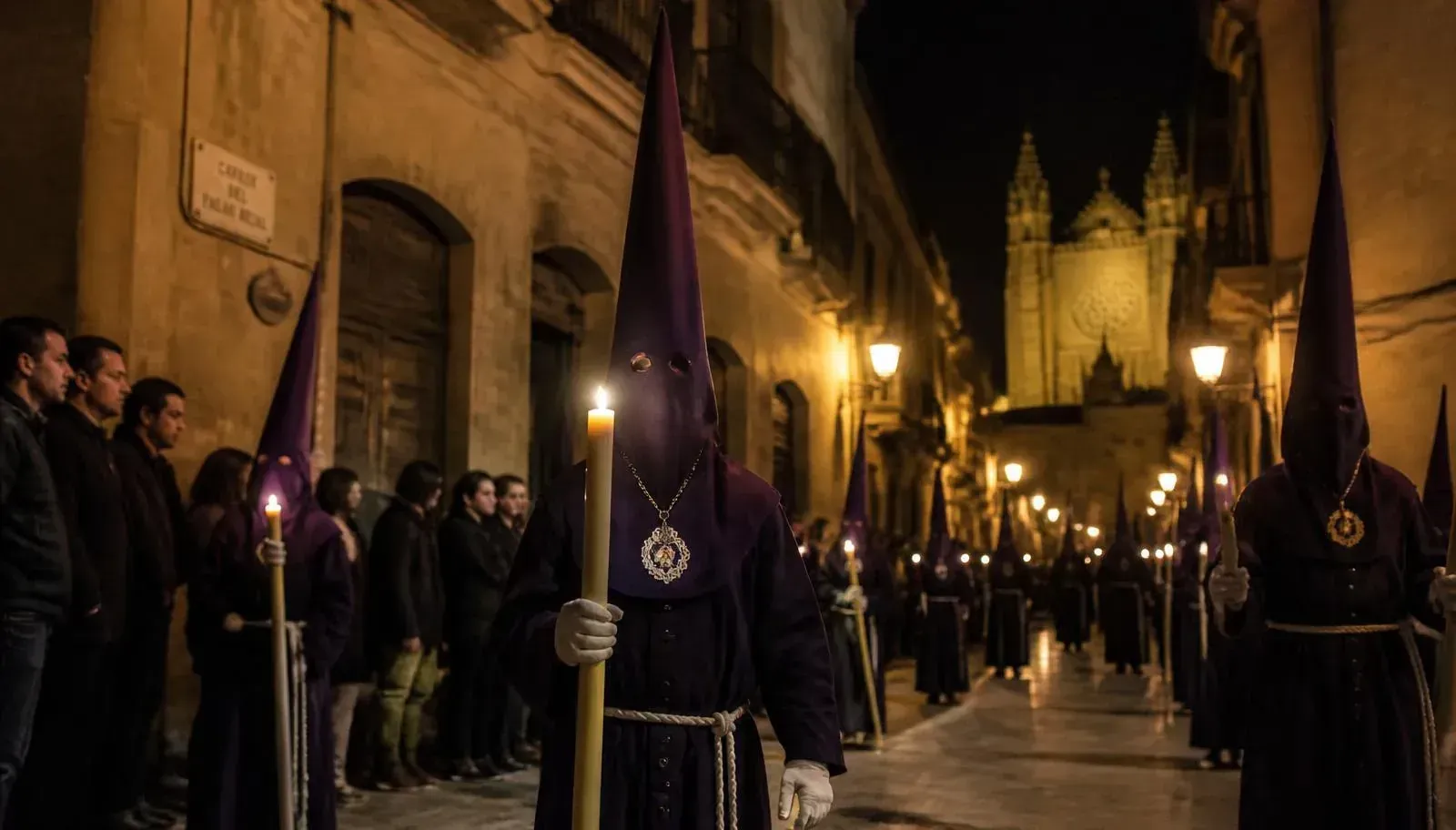
For a whole week, brotherhoods carrying candles process through the old towns, before trumpets and flowers herald spring on Easter Sunday.
-
Semana Santa Mallorca
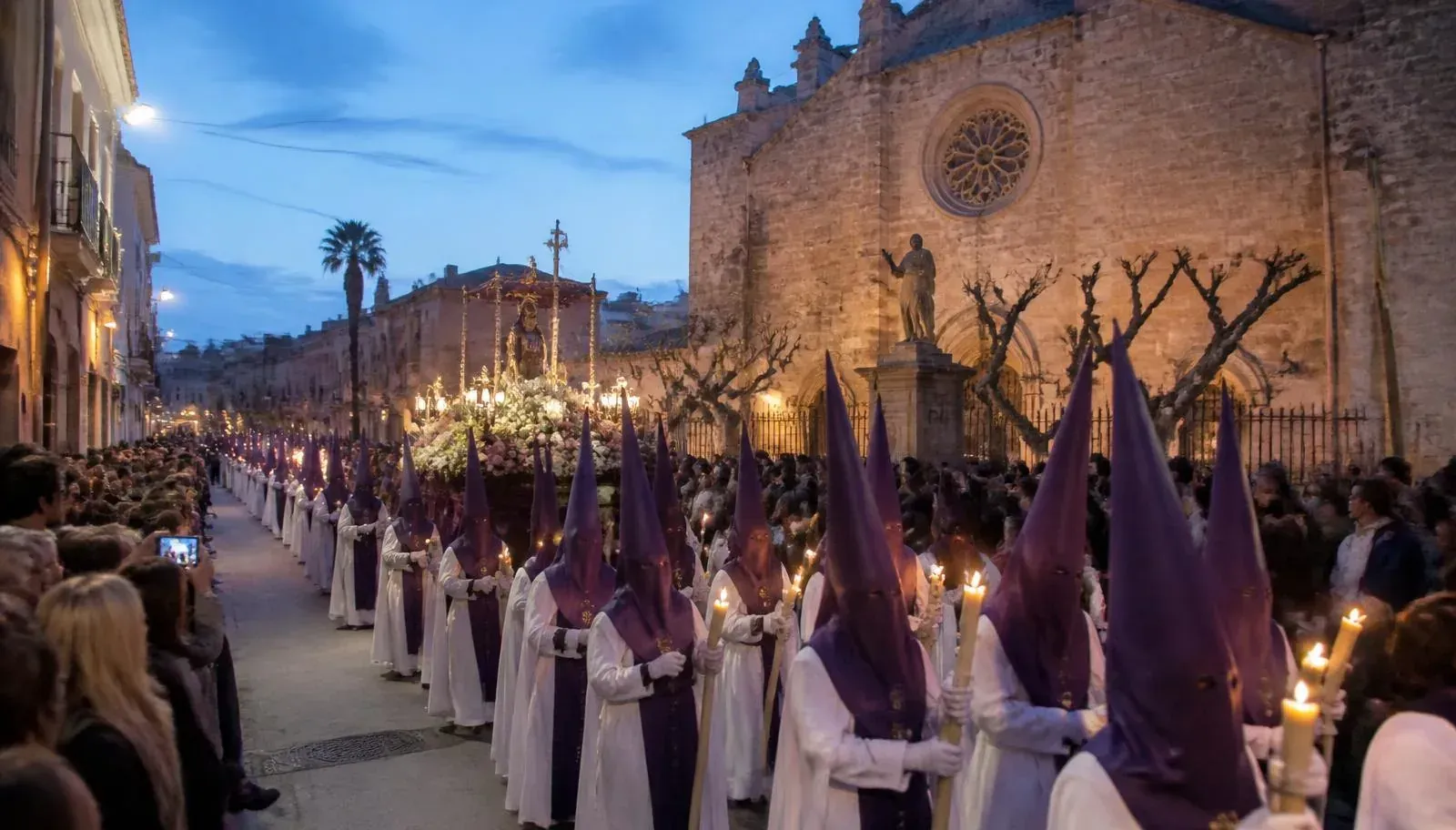
Seven days, seven different scenes: from the blessing of the palm fronds on Sunday morning to the meeting of the figures on Easter morning.
-
Good Friday in Mallorca
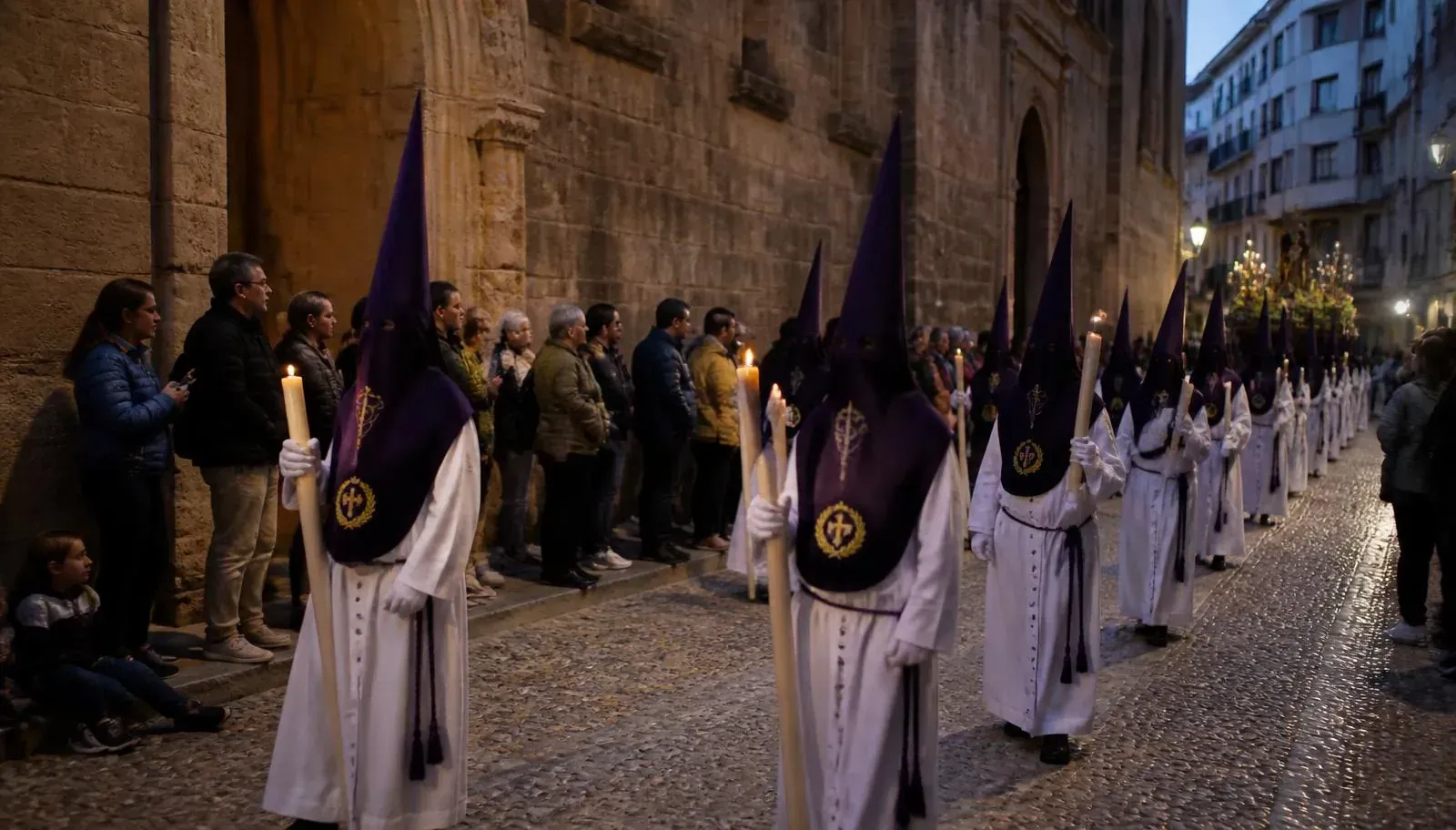
A quiet public holiday with closed shops during the day, processions in the evening.
-
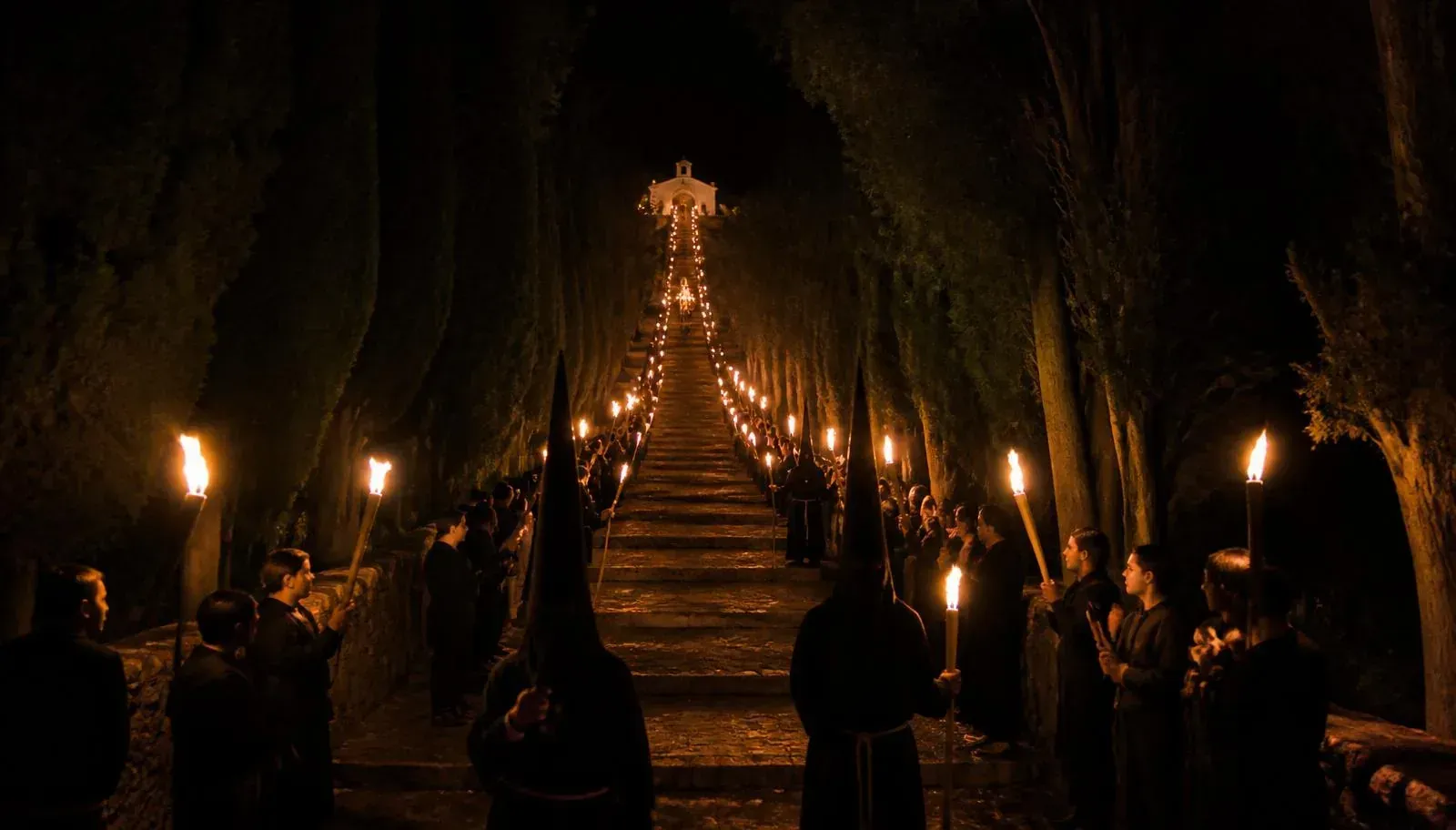
Devallament Pollença
The Descent from the Cross at the Calvari, followed by a torchlight procession down the steps.
-
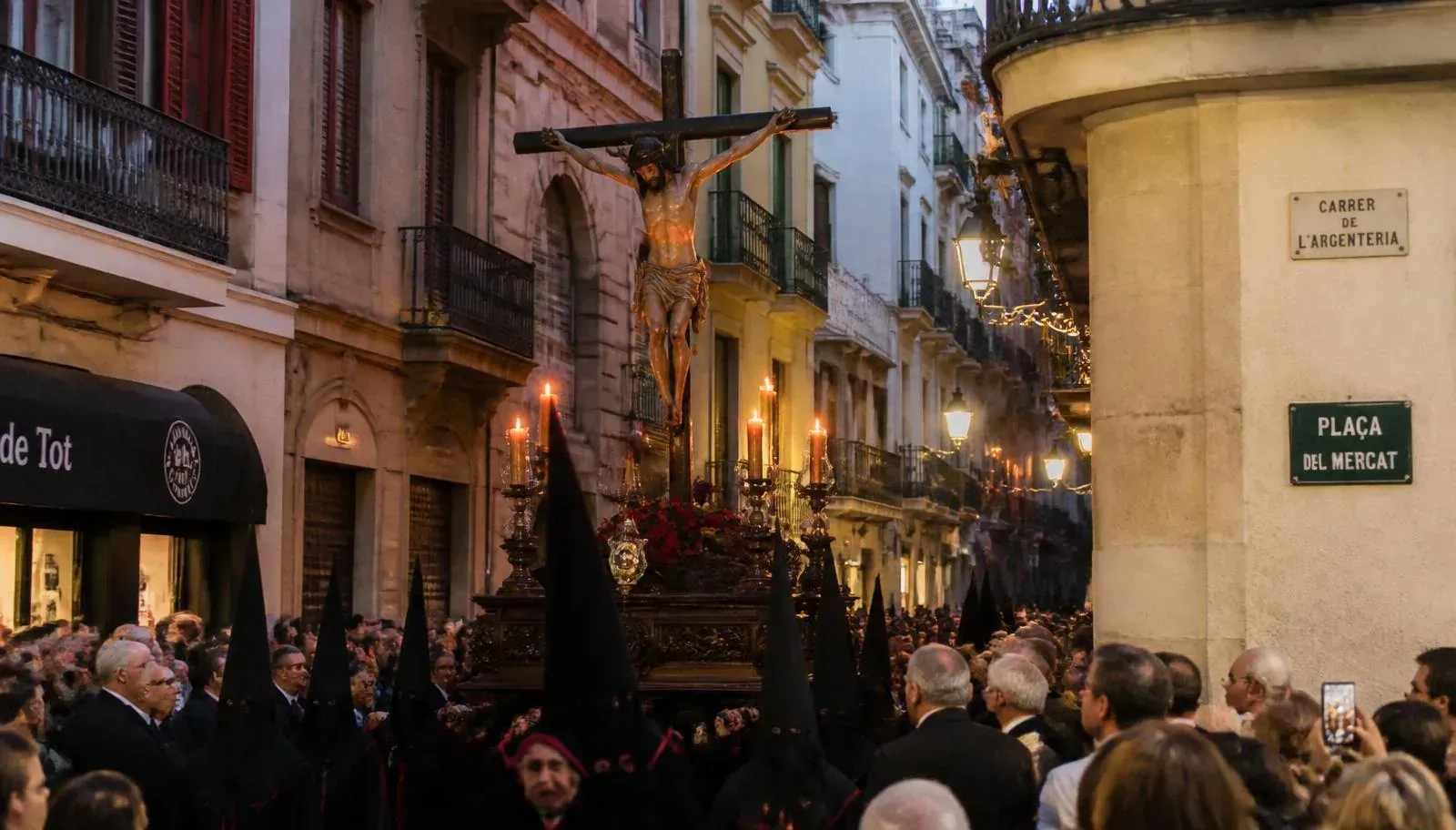
Easter processions in Palma
On Maundy Thursday, 33 brotherhoods with 45 pasos process through the old town to the cathedral.
-
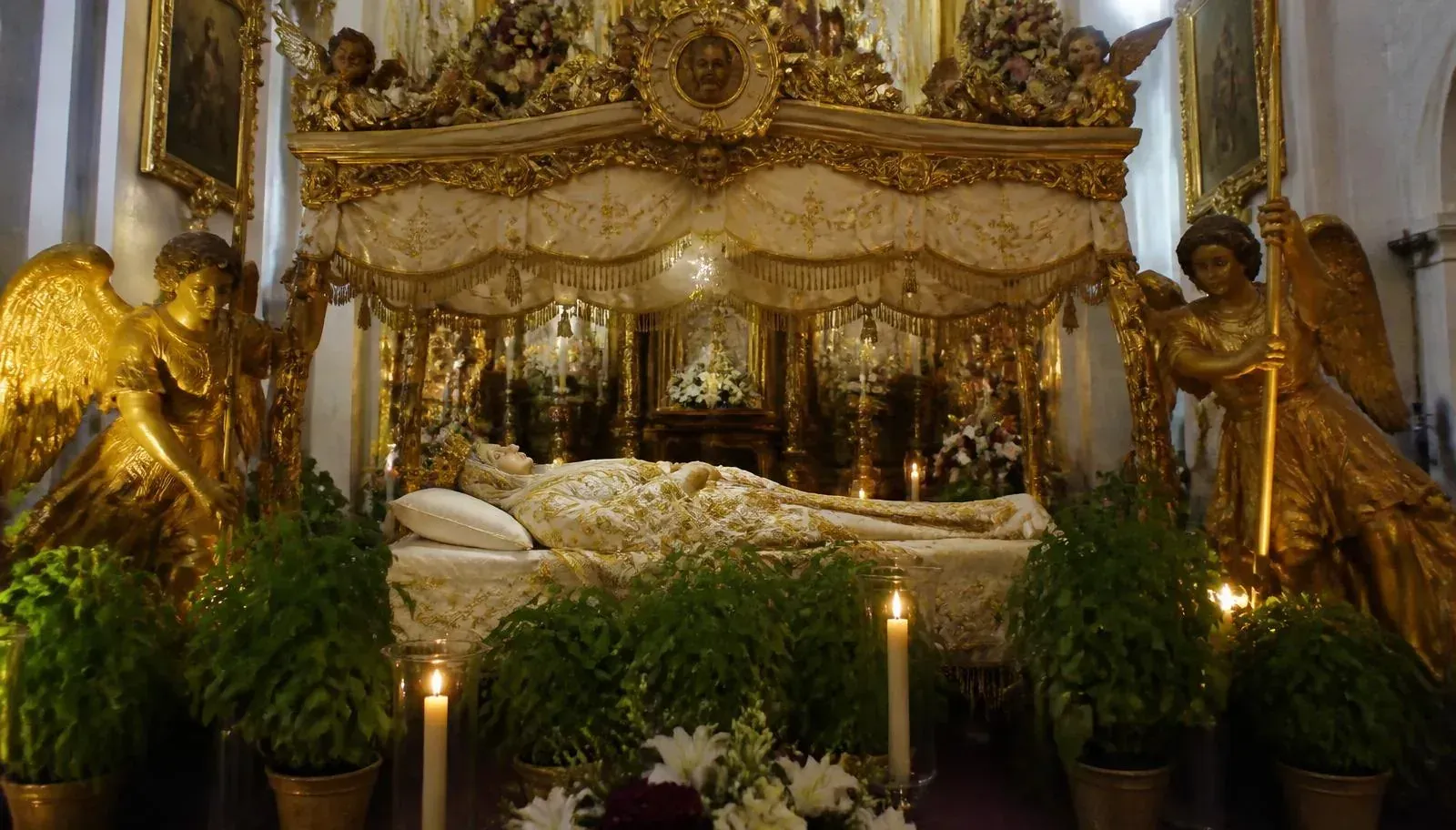
Assumption Day
In around 50 churches, a life-size figure of Mary lies on a baroque bed of flowers, basil and carved straw for 15 August.
-
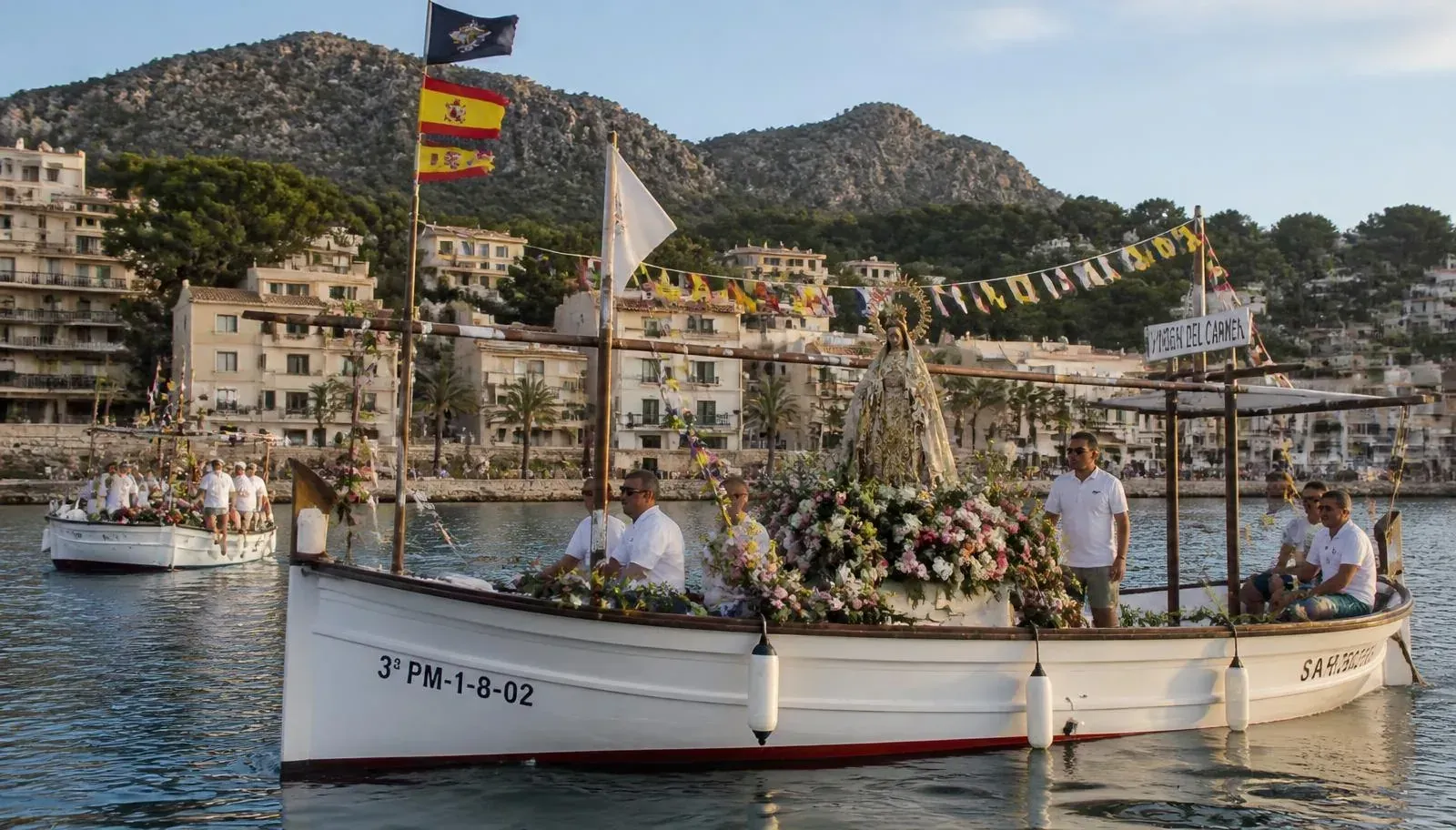
Virgen del Carme
Dozens of decorated fishing boats accompany the figure of Mary out to the open sea, while hooting horns and brass bands fill the harbour.
-
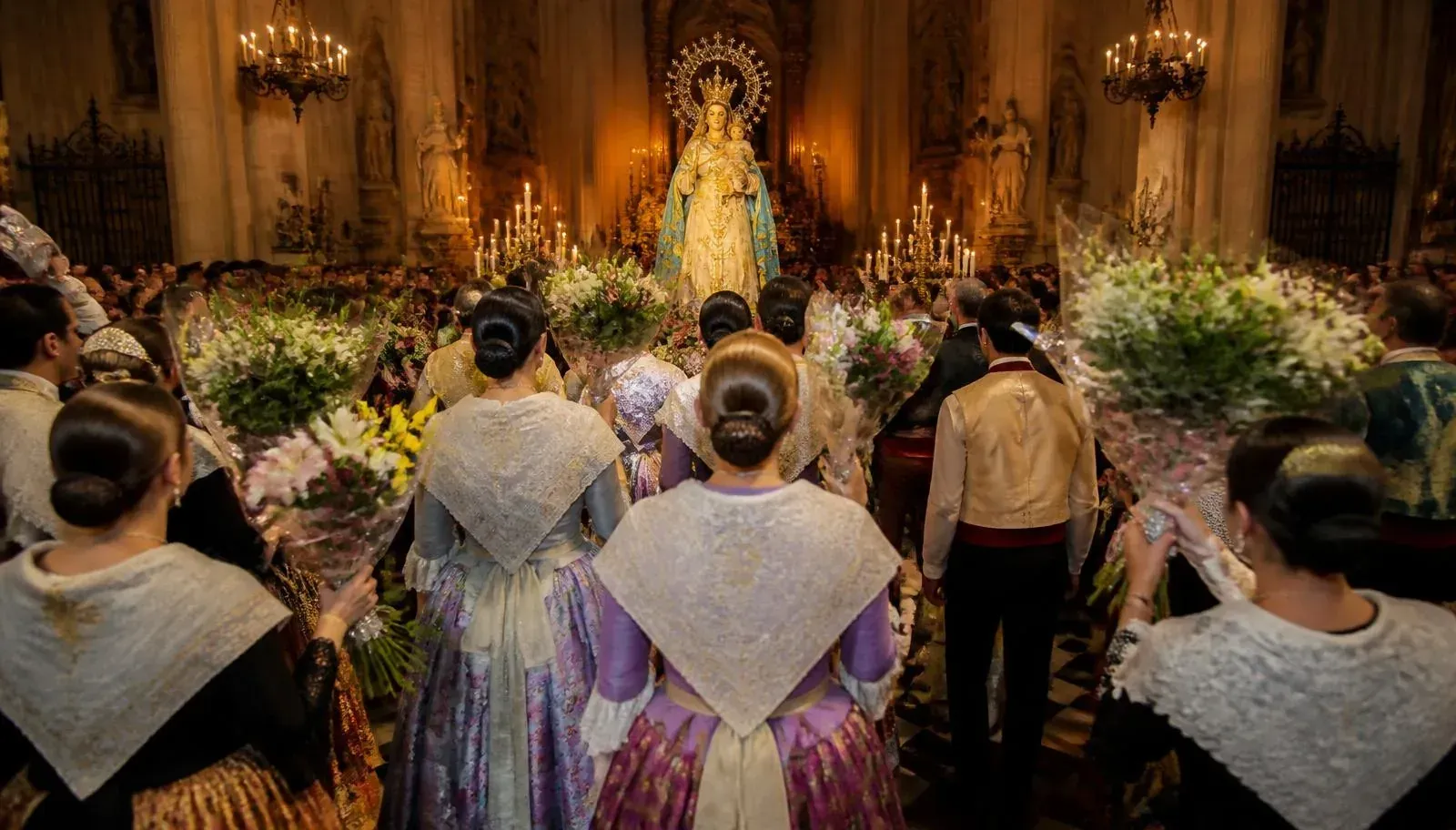
Mare de Déu de la Salut
During the flower offering, the façade of the church of Sant Miquel is decorated with flowers – a festival of the city.
-
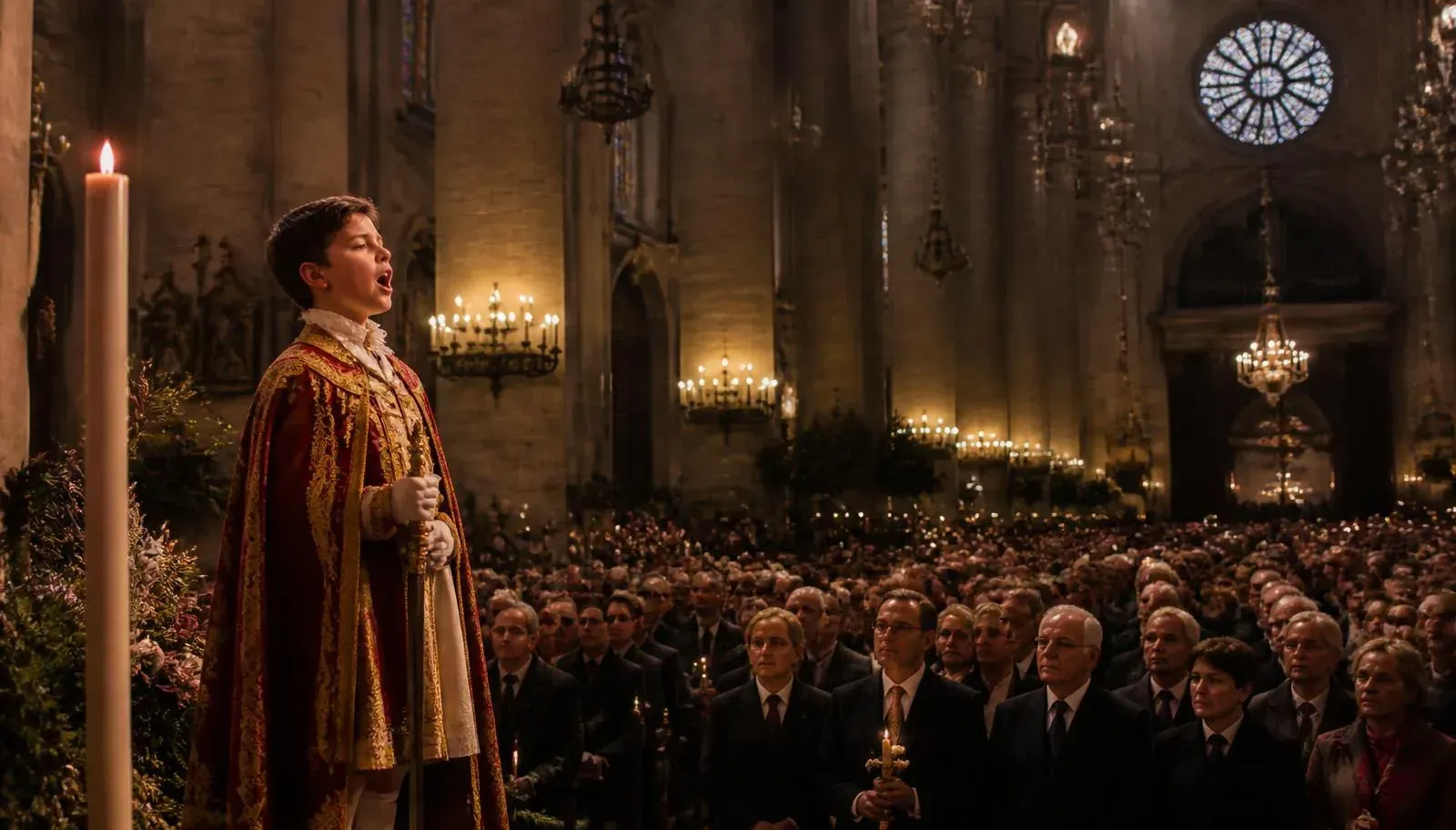
Cant de la Sibil·la
A young soloist in a white robe raises a sword and sings a cappella about the Last Judgement – UNESCO Intangible Cultural Heritage since 2010.
-
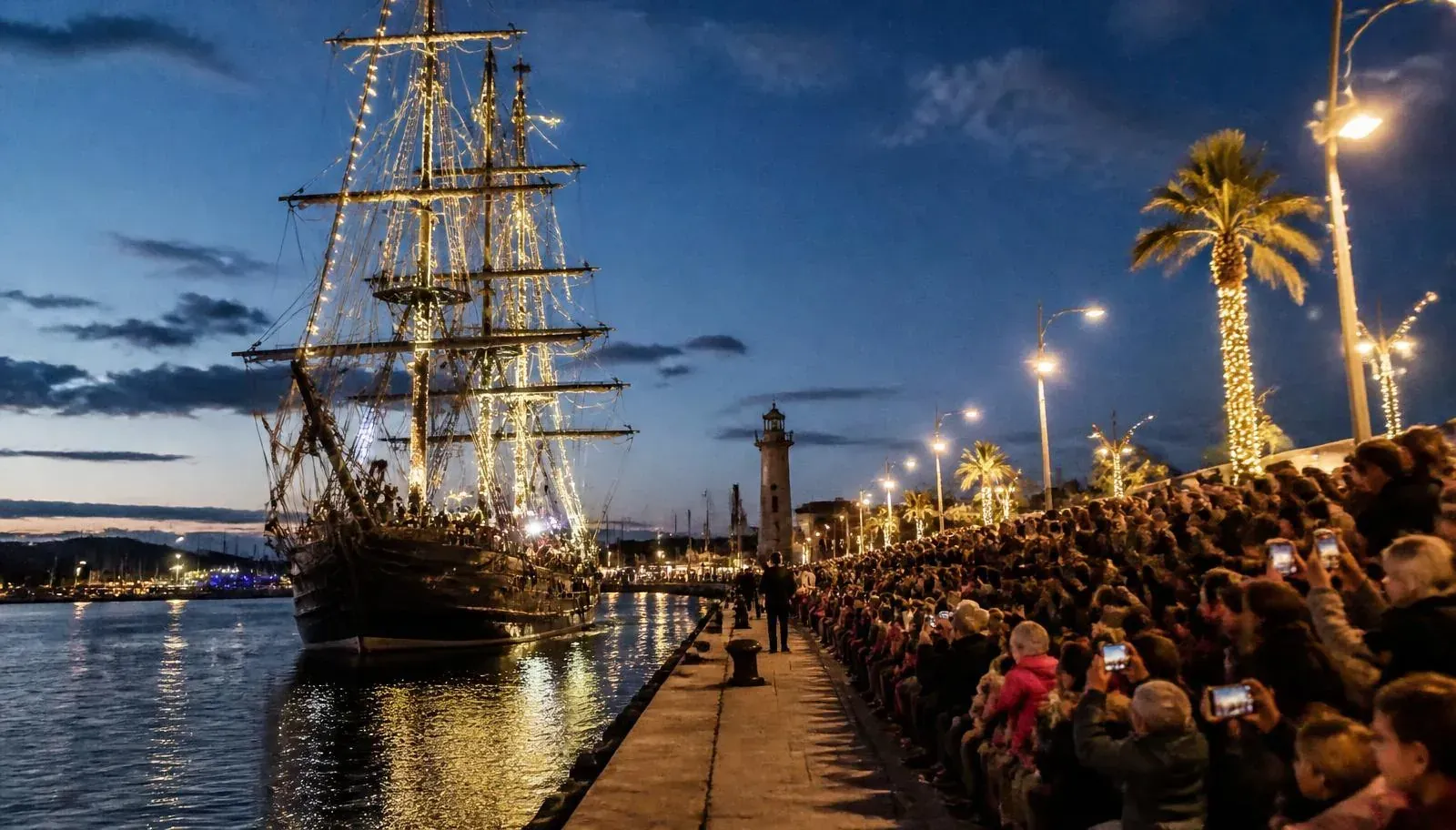
Three Kings
On the evening of 5 January at around 18:00, the Three Kings arrive at the Moll Vell and parade through Palma.
-
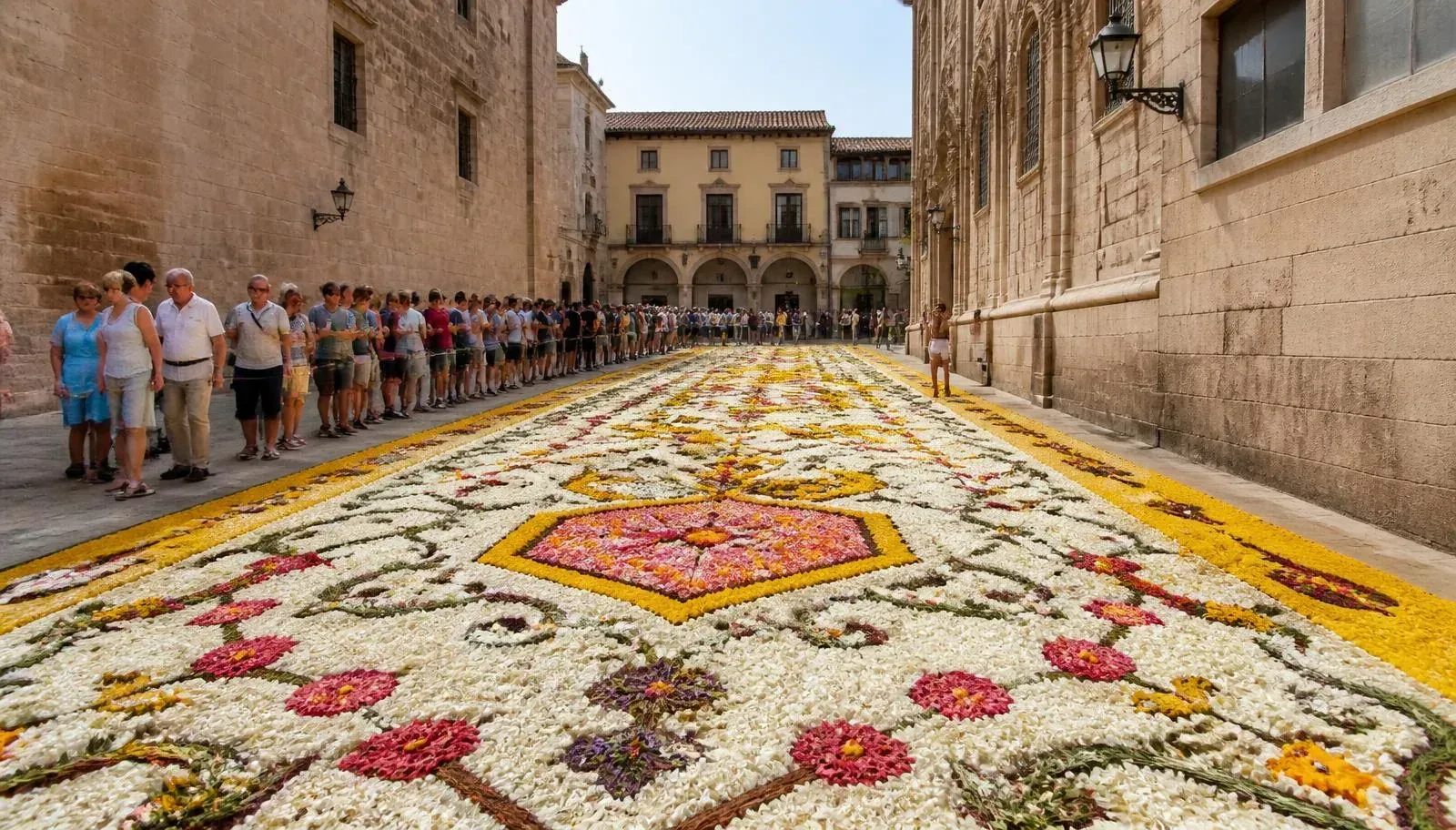
Corpus Christi
Petals form a sacred pattern on the paving – before the procession passes over it.
-
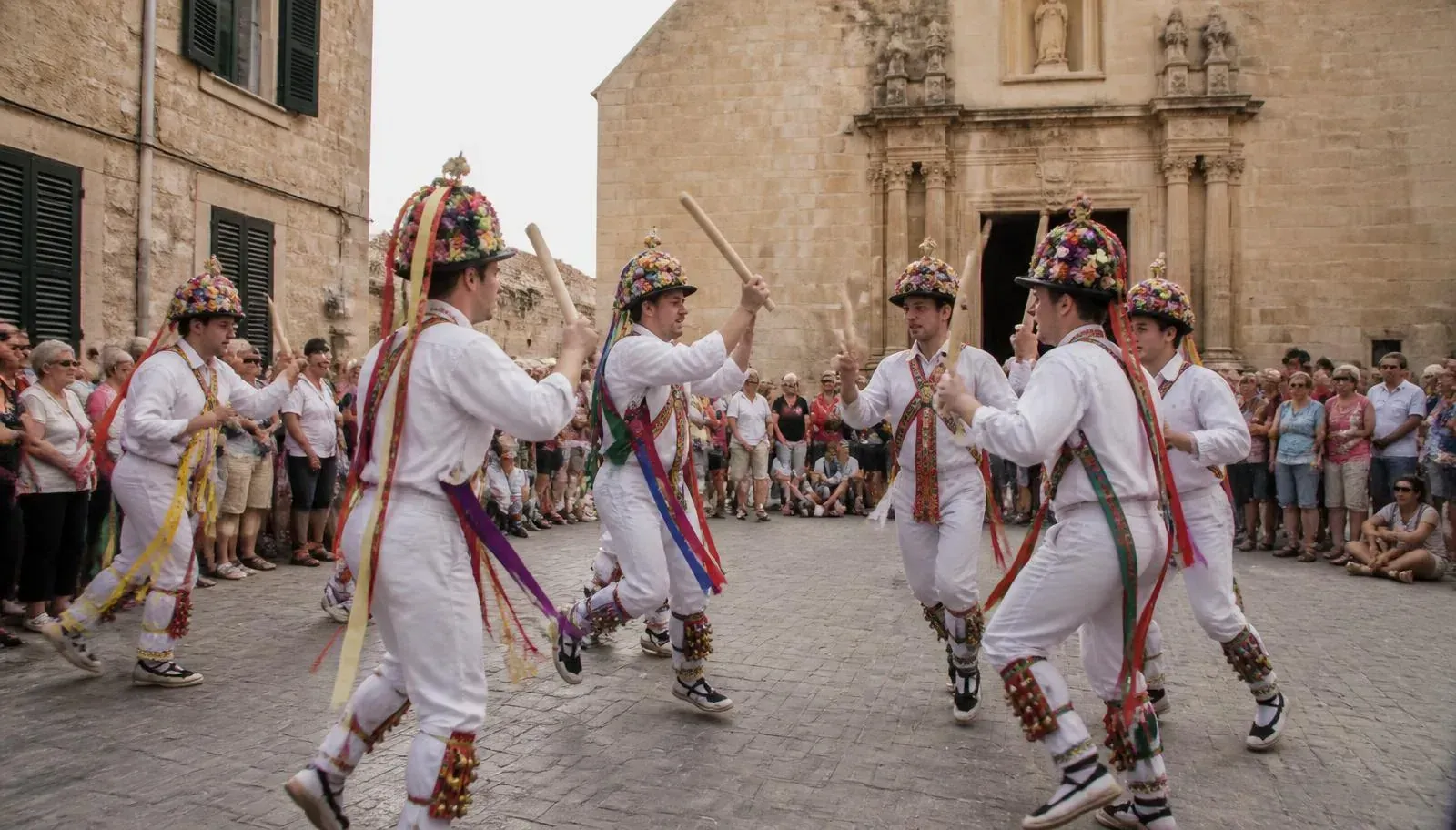
Cossiers
Six dancers, a lady and a devil: a traditional dance for the town festival.
-
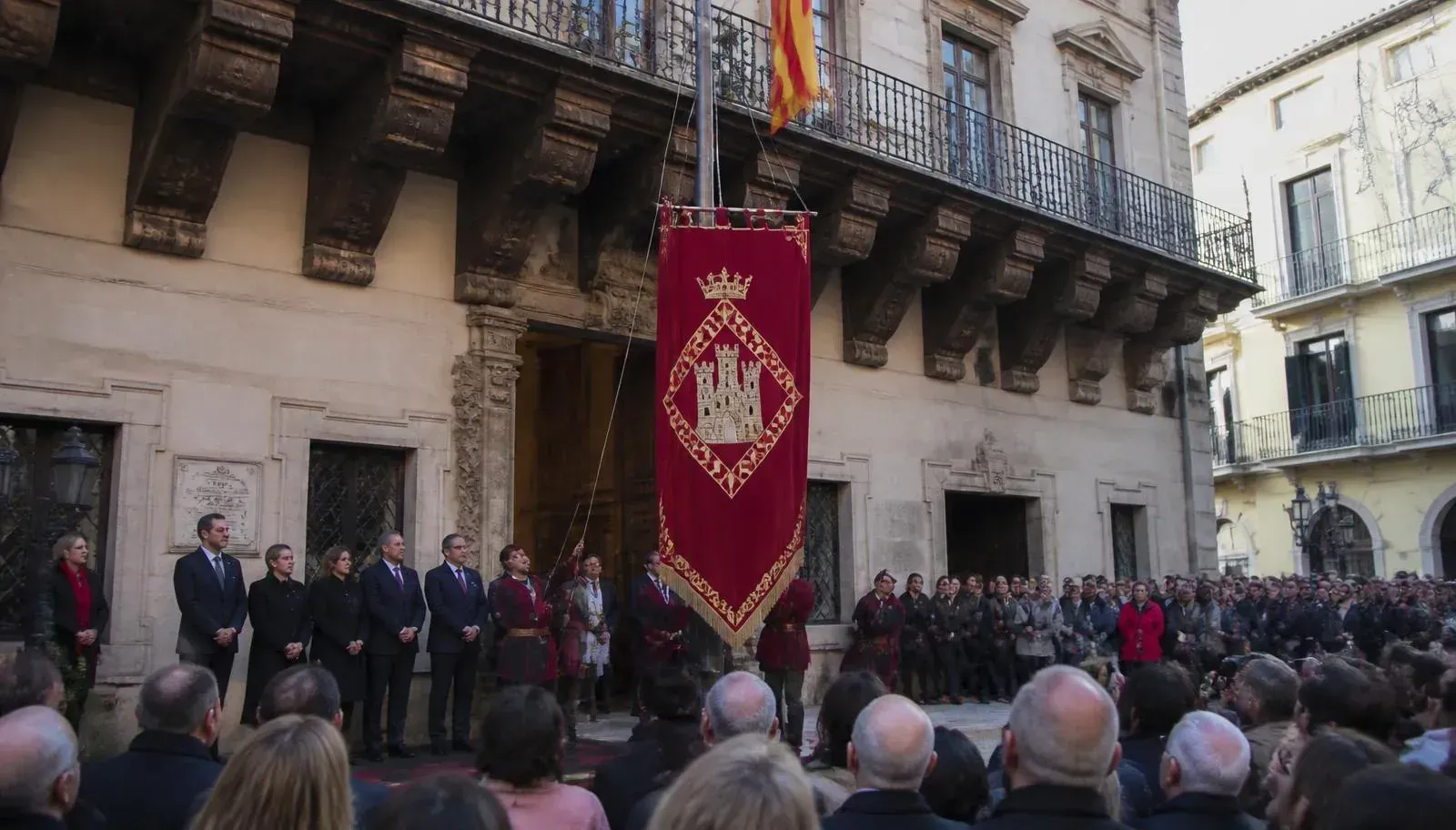
Festa de l'Estendard
For centuries, on the last day of the year, the royal standard is raised on Plaça de Cort.
-
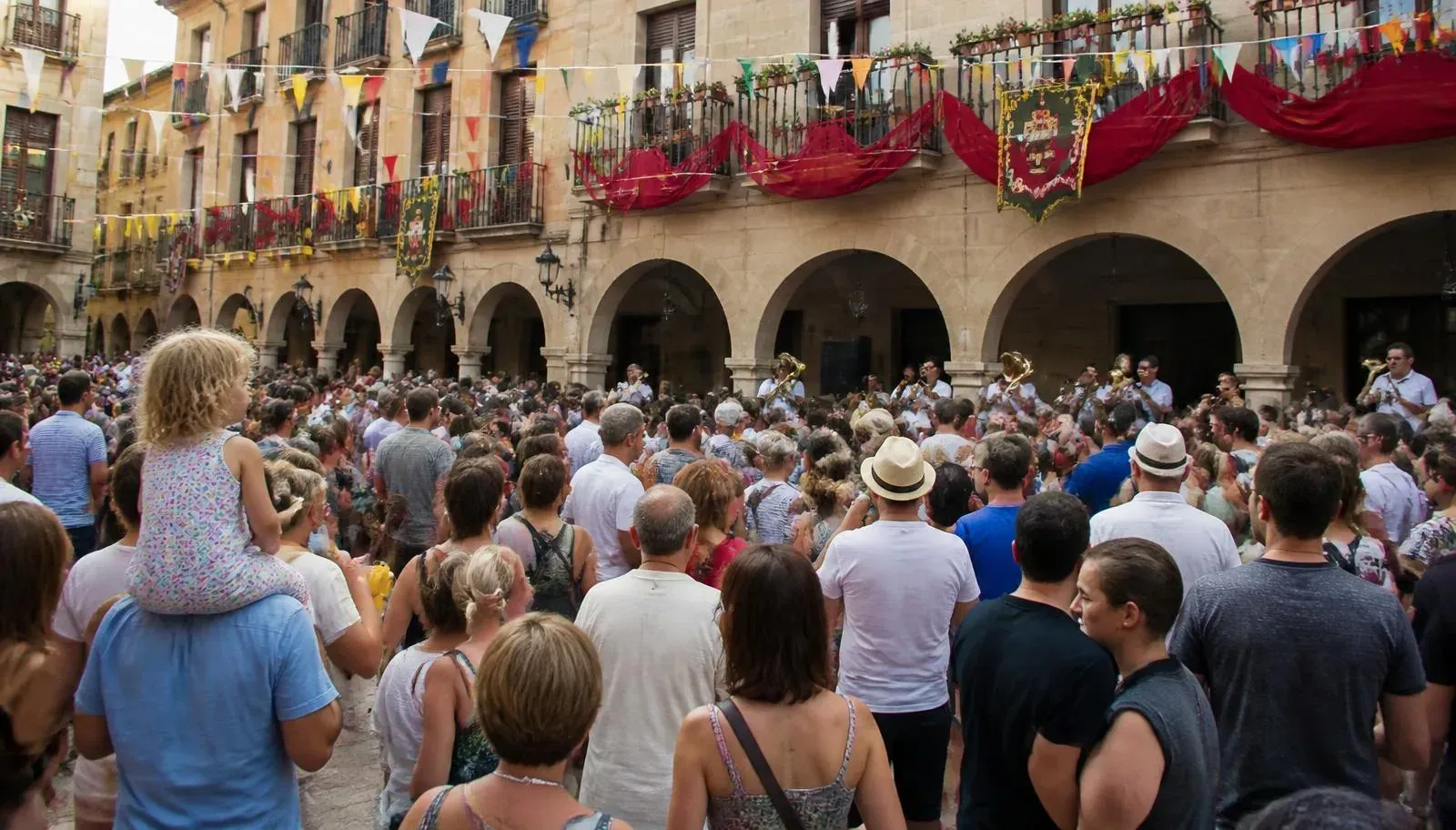
Festa de la Patrona Pollença
On 2 August, Pollença celebrates its patron saint – a festival somewhere between patronal Mass and historical remembrance.
-
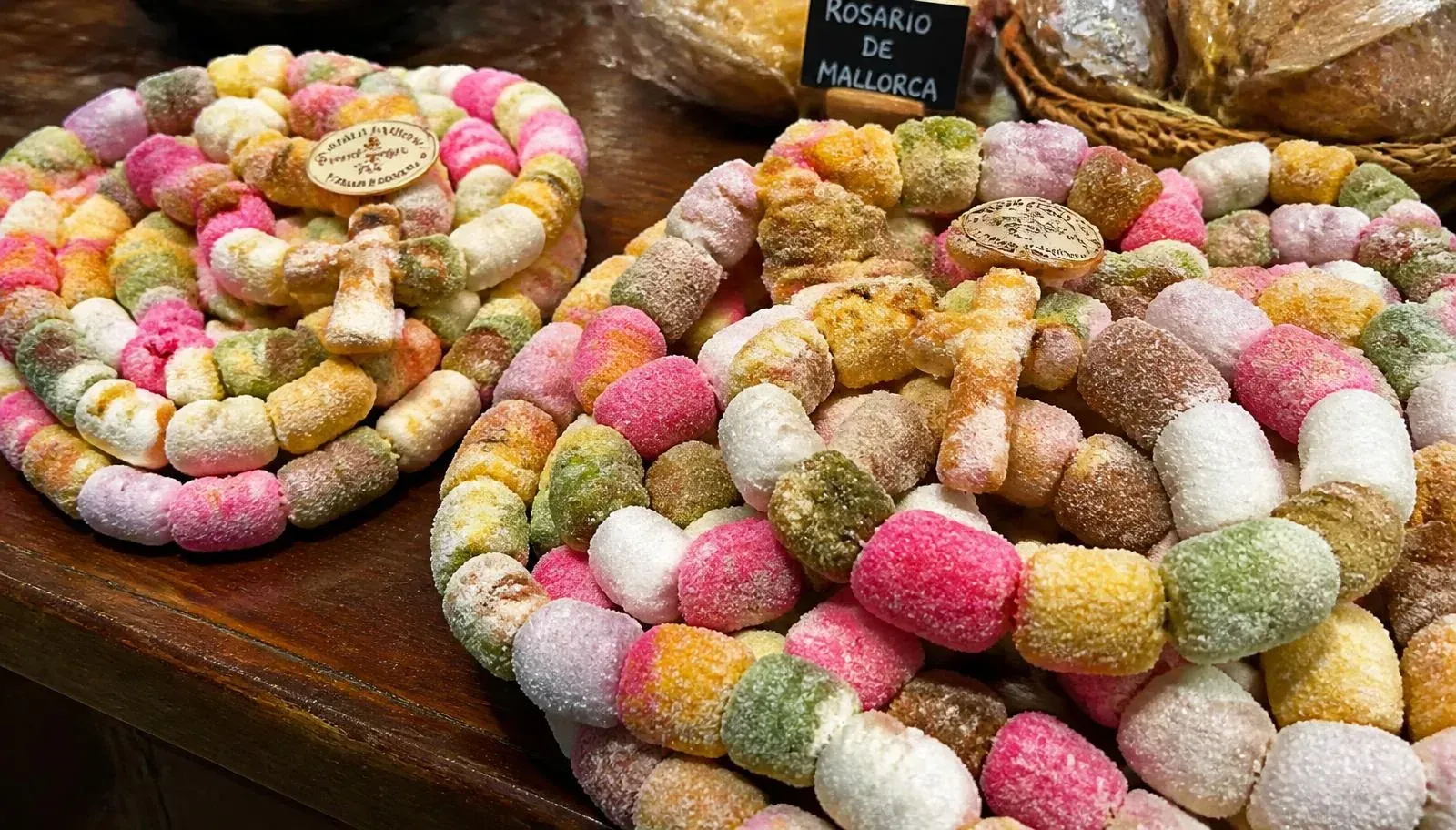
Rosaris Ensucrats
A rosary of sugared beads that godchildren are given in early November – sweet, colourful and almost forgotten.
Frequently asked questions
When are the Pancaritats in 2026 and 2027?
The Diumenge de l'Àngel, the most important date, was scheduled for 12 April in 2026 and postponed to 10 May (Parc de sa Riera) because of the weather; in 2027 it falls on 4 April. Some pilgrimages, such as the one to Puig de Maria, take place on Easter Monday.
What do people eat at the Pancaritats?
Panades, rubiols and crespells – Easter pastries that are mainly baked at this time. Plus whatever the families bring along.
Can holidaymakers take part?
Yes, the pilgrimages are open and free. All you need is a packed lunch, a blanket and sturdy shoes.
How long is the climb to Castell de Bellver?
Around 45 minutes uphill from Palma city centre through the pine woods; the path is well made.
Next steps
This page belongs to the topic area Religious festivals & traditions and can be found at /en-gb/pancaritats-mallorca.