



Drinks & liqueurs
Gin de Mallorca: the young distillery scene
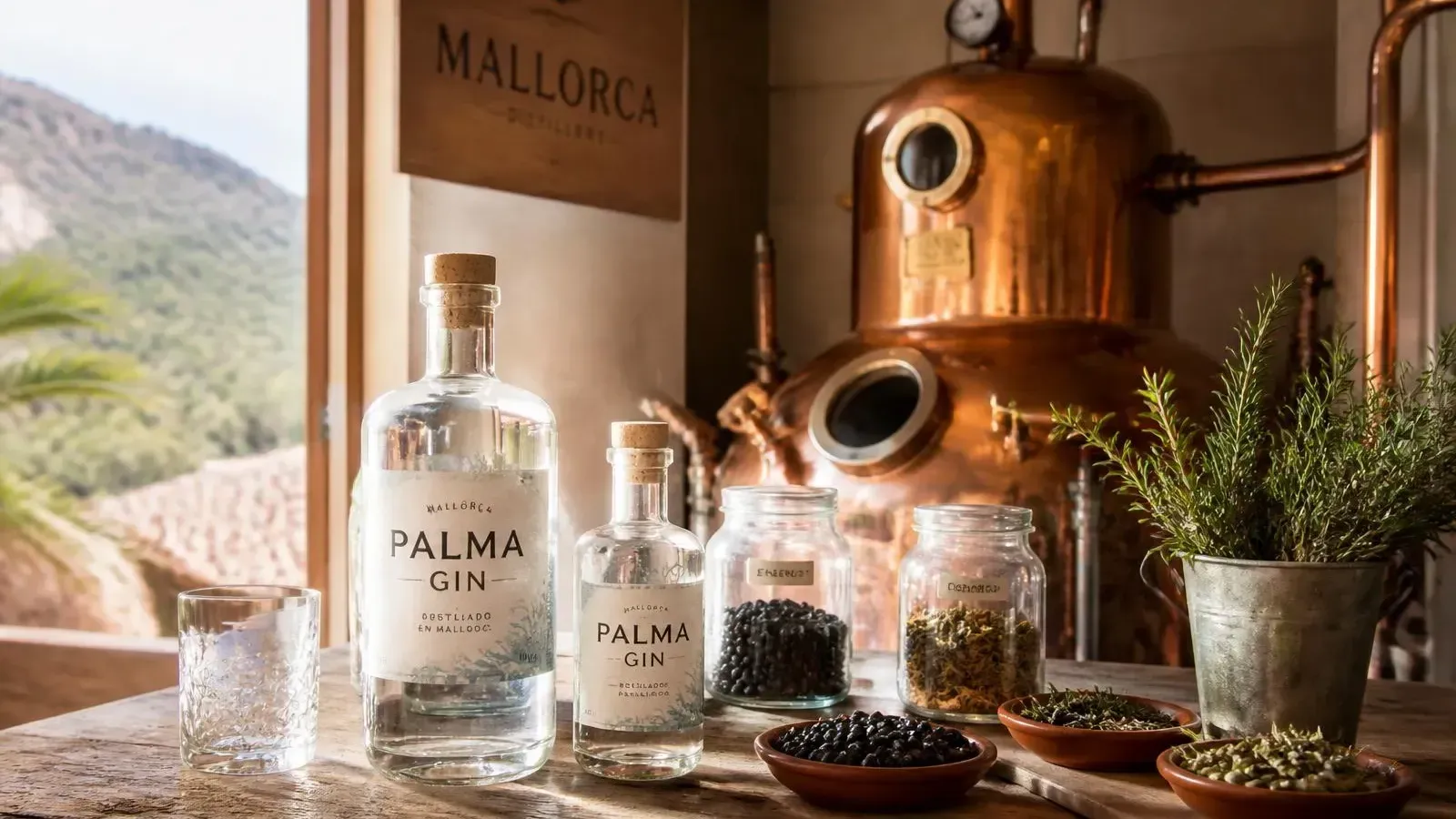
Juniper, citrus and island herbs: alongside the traditional liqueurs Hierbas and Palo, Mallorca has developed its own gin scene in recent years.
The short answer
Gin de Mallorca: the young distillery scene
Gin de Mallorca is not a protected designation but refers to the gins distilled on the island. They rely on juniper and botanicals typical of the island, such as citrus and Mediterranean herbs; some producers are certified organic or offer guided tours.
Botanicals and style
Juniper forms the basis of every gin. Mallorcan distilleries often add citrus peel, rosemary, thyme, fennel or almond – ingredients that also characterise the island's cooking and herbal liqueurs.
The style ranges from classically juniper-led to distinctly citrusy. Unlike Hierbas or Palo, there is no traditional recipe to follow; the scene is young and keen to experiment.
Not a protected designation
Unlike Oli de Mallorca or Vi de Mallorca, gin from the island is not protected by an EU designation of origin. If you are looking for island production, check the label for details of the distillery and bottling location.
Visiting distilleries
Several producers in and around Palma offer guided tours with tastings, where you are shown the still and the botanicals used. Dates and conditions vary by producer and season.
If you want to get to know the traditional side, combine your visit with a Hierbas distillery.
Practical tips
- Bottles over 100 ml belong in your checked baggage – or buy them in duty-free after security.
- Look for the distillery and bottling location on the label; the name alone says nothing about the origin.
- Enquire about guided tours in advance; many producers work with fixed dates.
- Easy to combine with a visit to a Hierbas distillery.
Good to know
Price ranges, opening times and airline rules change. We only give verifiable features and orders of magnitude – check details directly with the provider or your airline before buying or flying.
Product knowledge
The specialities on this topic
Wine & spirits Palma
Gin de Mallorca
Mallorcan gin
Young distillery scene with juniper and botanicals typical of the island.
- Ingredients
- Juniper, citrus peel, Mediterranean herbs, neutral spirit
- Diet
- vegan · gluten-free · contains alcohol
- Price range
- bottle in the mid double-digit range
- Where to buy
- Distillery visits, delicatessens in Palma
- Flying
- Bottles over 100 ml belong in your checked baggage – or buy them in duty-free after security.
Last checked: September 2026
Price ranges, opening times and airline rules change. We only give verifiable features and orders of magnitude – check details directly with the provider or your airline before buying or flying.
| Product | Hand luggage | Suitcase | Note |
|---|---|---|---|
| Gin de Mallorca | no | yes | Bottles over 100 ml belong in your checked baggage – or buy them in duty-free after security. |
Frequently asked questions
Is Gin de Mallorca a protected designation?
No. There is no EU designation of origin for gin from the island – what matters is the information on the distillery and bottling location.
Which botanicals are typical?
Besides juniper, often citrus peel and Mediterranean herbs such as rosemary, thyme or fennel.
Can I take gin in my hand luggage?
Only containers up to 100 ml. Whole bottles belong in your checked baggage or are bought after the security check.
More topics
-
Hierbas
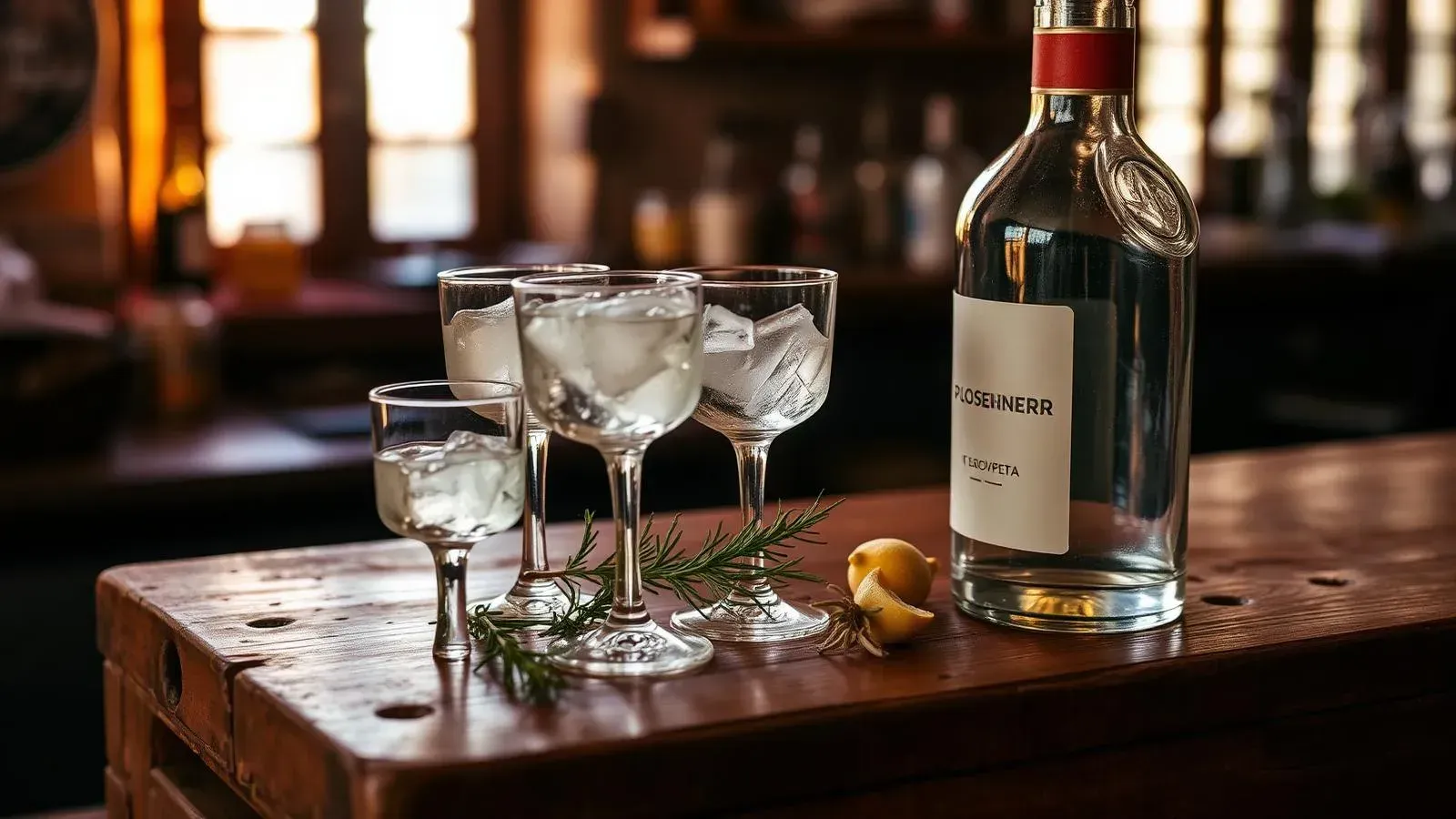
A meal in Mallorca traditionally ends with a glass of ice-cold Hierbas. The aniseed herbal liqueur with the protected I.G.P. label captures the flavours of the island.
-
Palo de Mallorca
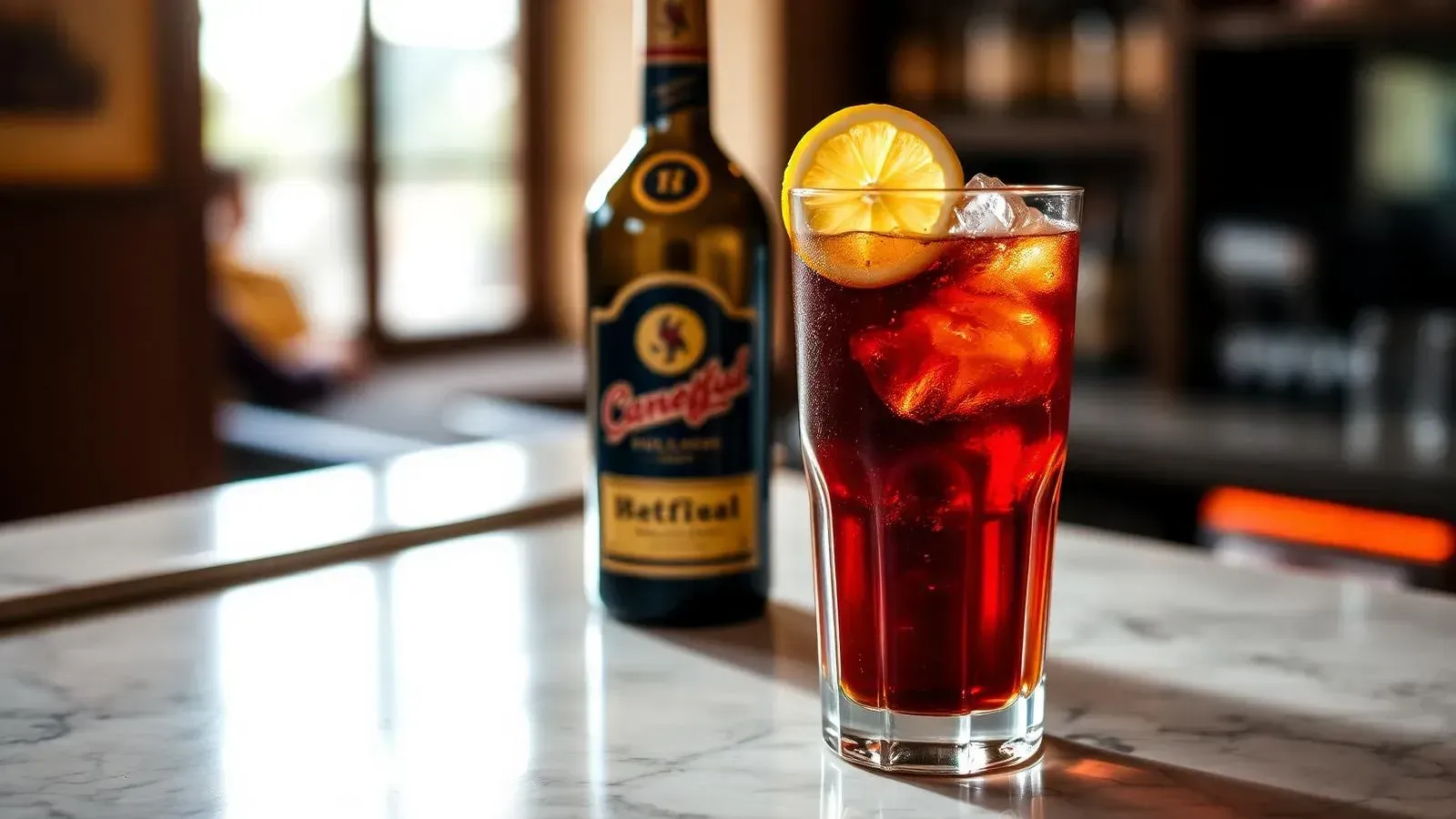
Dark, bittersweet and with a hint of caramel: Palo de Mallorca is the aperitif you can order at any bar on the island – and one that is hardly known outside Mallorca.
-
Visiting a Hierbas distillery
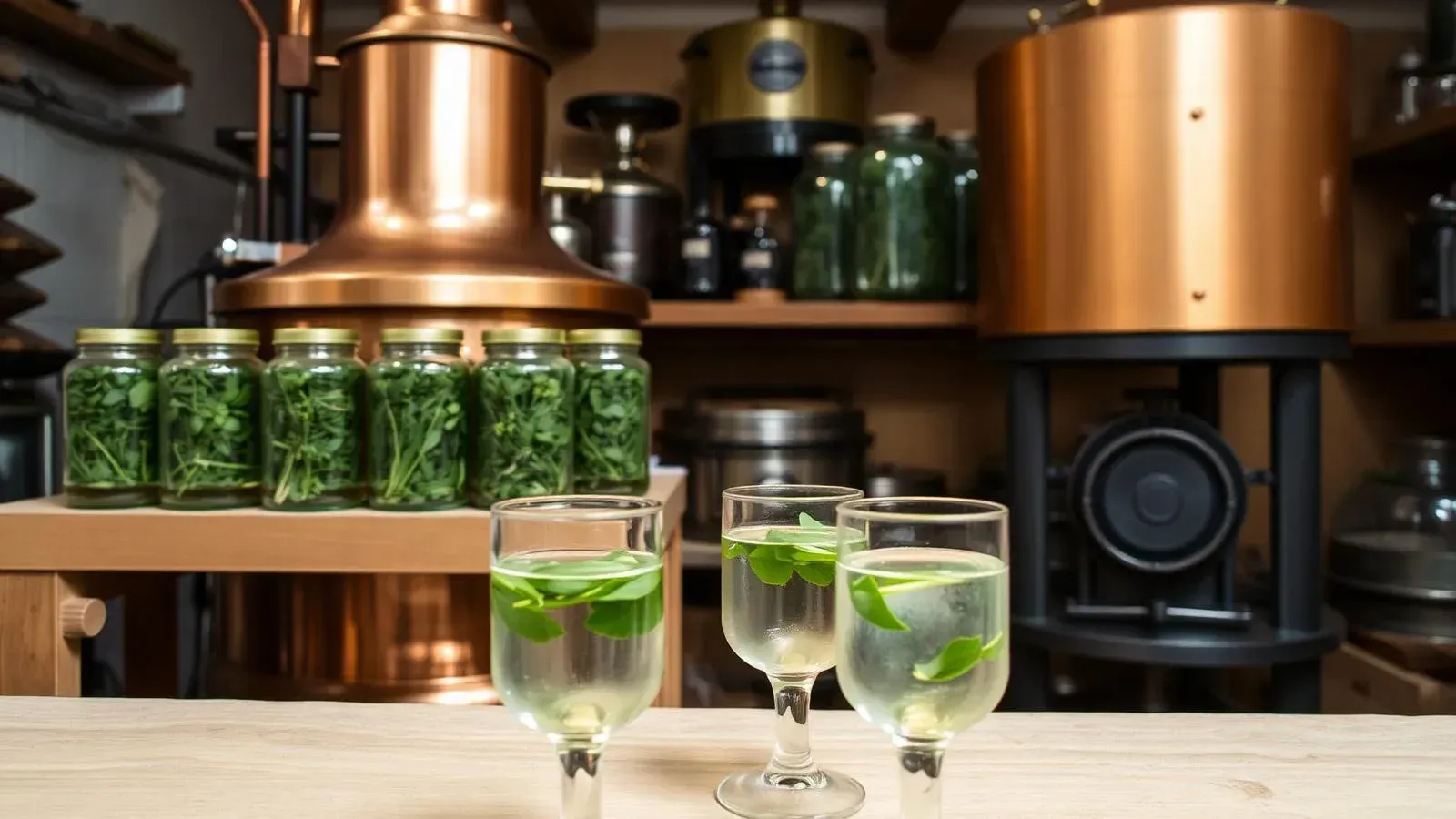
Aniseed, fennel, rosemary and camomile meet clear spirit in copper stills – visit a Hierbas distillery and you can practically smell the island.
Related
- Palma de Mallorca Starting point for distillery visits
- Food & drink in Mallorca The island's drinks and food culture
Next steps