



Sacred sites & monasteries
La Seu Cathedral Palma: entry, opening times & highlights
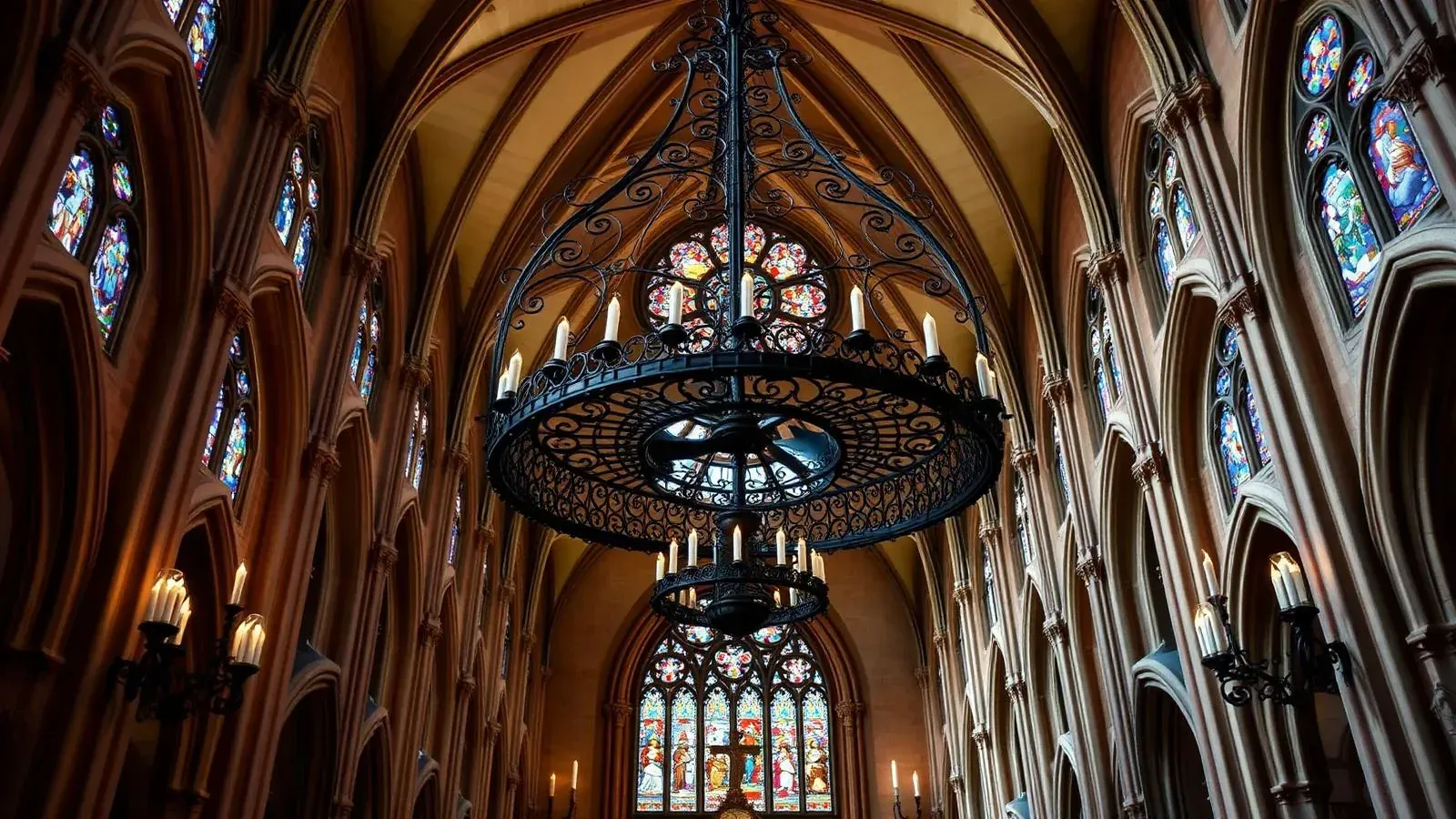
Antoni Gaudí's baldachin floats above the altar, and Miquel Barceló's ceramic chapel glows on the side wall – two centuries of art history under one Gothic roof.
The short answer
La Seu Cathedral Palma: entry, opening times & highlights
La Seu cathedral in Palma is open to tourists Monday to Friday from the morning until the afternoon and for shorter hours on Saturdays; on Sundays, only attendance at services is possible. There is an entry charge; check the exact price for the day on the official ticket page before your visit.
Opening times in summer and winter
The cathedral is open for tourist visits from Monday to Friday from the morning into the afternoon, with shorter hours on Saturdays. Between the summer and winter seasons, only the opening and closing times change slightly.
On Sundays, only attendance at Holy Mass is possible; there are no tourist visits on that day. If you want to visit the cathedral, plan your visit for a weekday or a Saturday.
Entry prices and free entry
There is an entry charge for tourists; attending a service remains free. The exact price for the day varies depending on the source, so check directly on the official ticket page before your visit.
Free entry is traditionally granted to members of the diocese, children under eight and people with disabilities plus a companion – confirm the exact rules before you travel.
- Entry charge – check the price for the day before your visit
- Free entry possible for certain groups
Gaudí's baldachin and Barceló's ceramic chapel
Between 1904 and 1914, Antoni Gaudí redesigned the interior of the cathedral and created the distinctive baldachin above the high altar, which still shapes the look of the nave today.
Almost a century later, between 2001 and 2007, Miquel Barceló redesigned the Capella del Santíssim with an elaborate ceramic wall – a modern counterpoint to the Gothic architecture.
The roof terraces
Access to the cathedral's roof terraces is worth a separate ticket and is only possible between May and October. The climb is via narrow stairs and is therefore not accessible.
The rose window
Twice a year, the cathedral's great rose window creates a special light phenomenon in which two windows overlap to form a glowing shape. Details on dates and viewing can be found on our dedicated page about the light phenomenon.
At a glance
- Place
- Plaça de la Seu, Palma old town
- Duration
- approx. 75 minutes
- Rainy-day score
- 5 out of 5 – ideal bad-weather destination
- Accessibility
- Main nave low-barrier, roof terrace not
- Getting there/parking
- Parc de la Mar car park directly below the cathedral
Practical tips
- Early in the morning there are the fewest cruise groups, and the light through the rose window is at its clearest.
- If you want to visit the roof terrace, plan for the separate ticket in advance and only come between May and October.
- Don't come on a Sunday if you are planning a tourist visit.
Check the details
Entry prices, opening times and current exhibitions change at short notice. We only give the editorially checked status – check the venue's official website before your visit.
Places
These cultural sites belong to this topic
Entry prices, opening times and current exhibitions change at short notice. We only give the editorially checked status – check the venue's official website before your visit.
Palma
La Seu cathedral
The largest Gothic nave in the Mediterranean – and the only place in Palma where Gaudí and Barceló meet.
- Entry
- Entry charge for tourists, attending services free – check the price for the day before your visit
- Duration
- approx. 75 minutes
- Rain-friendly
- 5/5 – fills a whole rainy day
- Getting there
- Parc de la Mar car park directly below the cathedral
largely accessible Guided tours
Don't miss: Miquel Barceló's ceramic wall in the Capella del Santíssim and Gaudí's baldachin above the altar.
RM24 tip: early in the morning there are the fewest cruise groups, and the light through the rose window is at its clearest.
Map & surroundings
Location and distances
Choose a starting point and set a radius – this lets you plan a day of culture without unnecessary driving.
The interactive finder is loading …
The light phenomenon of Palma cathedral
Twice a year, on 2 February and 11 November, the morning sun shortly after sunrise shines through the great rose window of La Seu cathedral and projects a glowing figure of eight onto the opposite interior wall. This light phenomenon, known as the “Festa de la Llum”, lasts only a few minutes and is best observed from the wall opposite the great rose window.
Frequently asked questions
Questions about La Seu cathedral
Can you visit the cathedral on Sundays?
No, on Sundays only attendance at Holy Mass is possible, with no tourist access.
How much extra does the roof terrace cost?
The roof terrace requires a separate ticket – according to the cathedral (2025 season) €25 standard, including the cathedral and museum; it is only accessible from May to October and is not accessible for people with limited mobility because of the stairs. Check the current price at catedraldemallorca.org.
How much time should you allow for the visit?
A tour of the cathedral with the baldachin and the ceramic chapel usually takes around 75 minutes.
Is entry free on these dates?
According to available sources, entry is free on the light phenomenon dates – confirm on catedraldemallorca.org before you travel.
Where in the cathedral can you see the effect best?
From the wall opposite the great rose window.
What happens if the sky is cloudy on one of the dates?
Because the effect needs direct sunlight, the light phenomenon is weaker or does not happen at all when it is very cloudy.
More culture topics
-
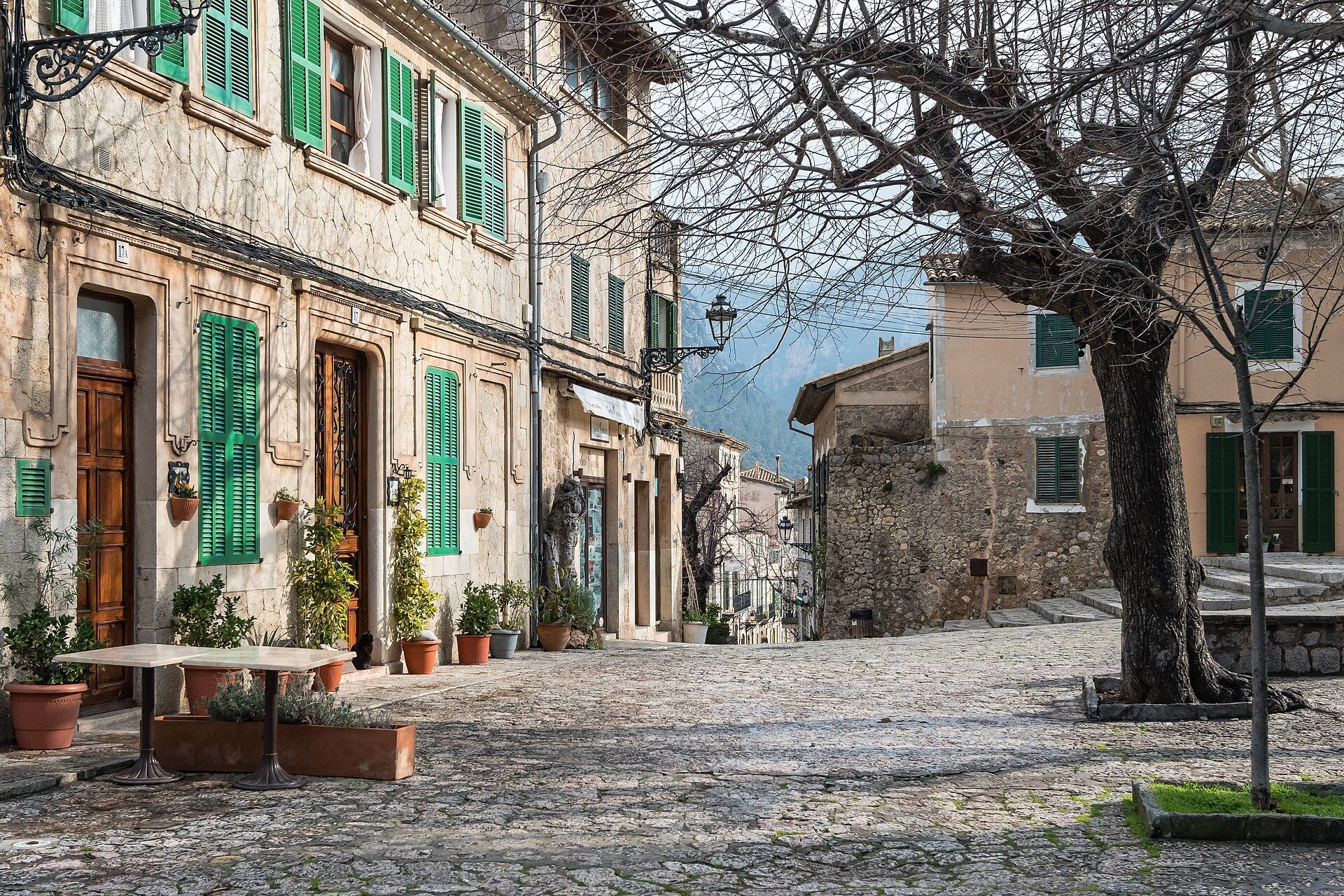
Valldemossa Charterhouse
A winter of illness, a borrowed piano and a scandal in a strictly Catholic village – this became Chopin's most famous Mallorcan episode.
-
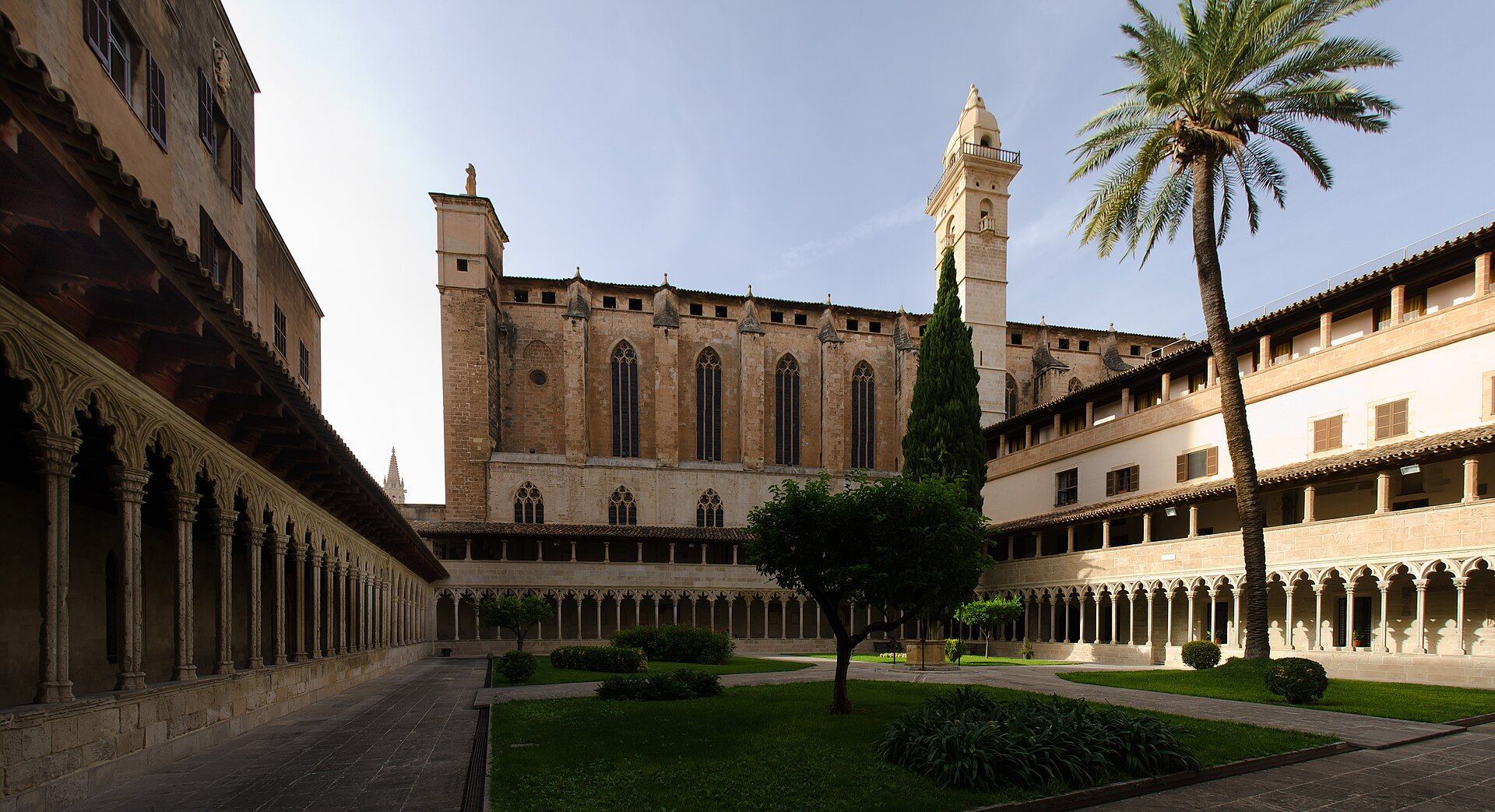
Churches & monasteries
Mallorca's churches tell 800 years of island history – from the Reconquista to the former synagogue that is now a Catholic church.
-
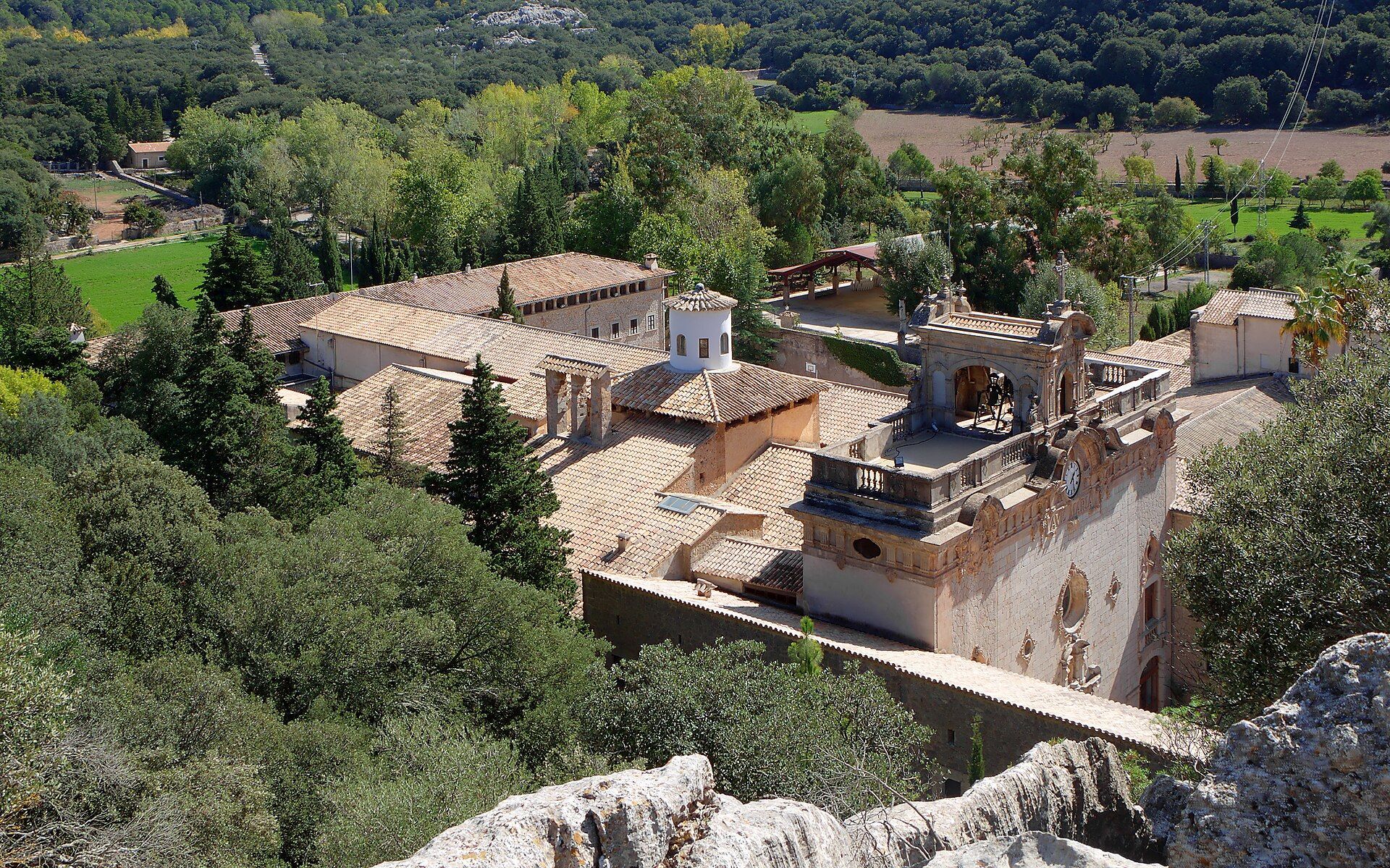
Lluc Monastery
People have been making pilgrimages to the Black Madonna of Lluc since the 13th century – today many also come for the boys' choir that sings in the heart of the Serra de Tramuntana.
Next steps
Image credits: Plaça de la Cartoixa in Valldemossa: photo Isiwal, CC BY-SA 4.0, via Wikimedia Commons · Cloister of Sant Francesc in Palma: photo pjt56, CC BY-SA 3.0, via Wikimedia Commons · Lluc Monastery in the Serra de Tramuntana: photo H. Zell, CC BY-SA 3.0, via Wikimedia Commons