


Museums & bad weather
Pollentia: the Roman city near Alcúdia
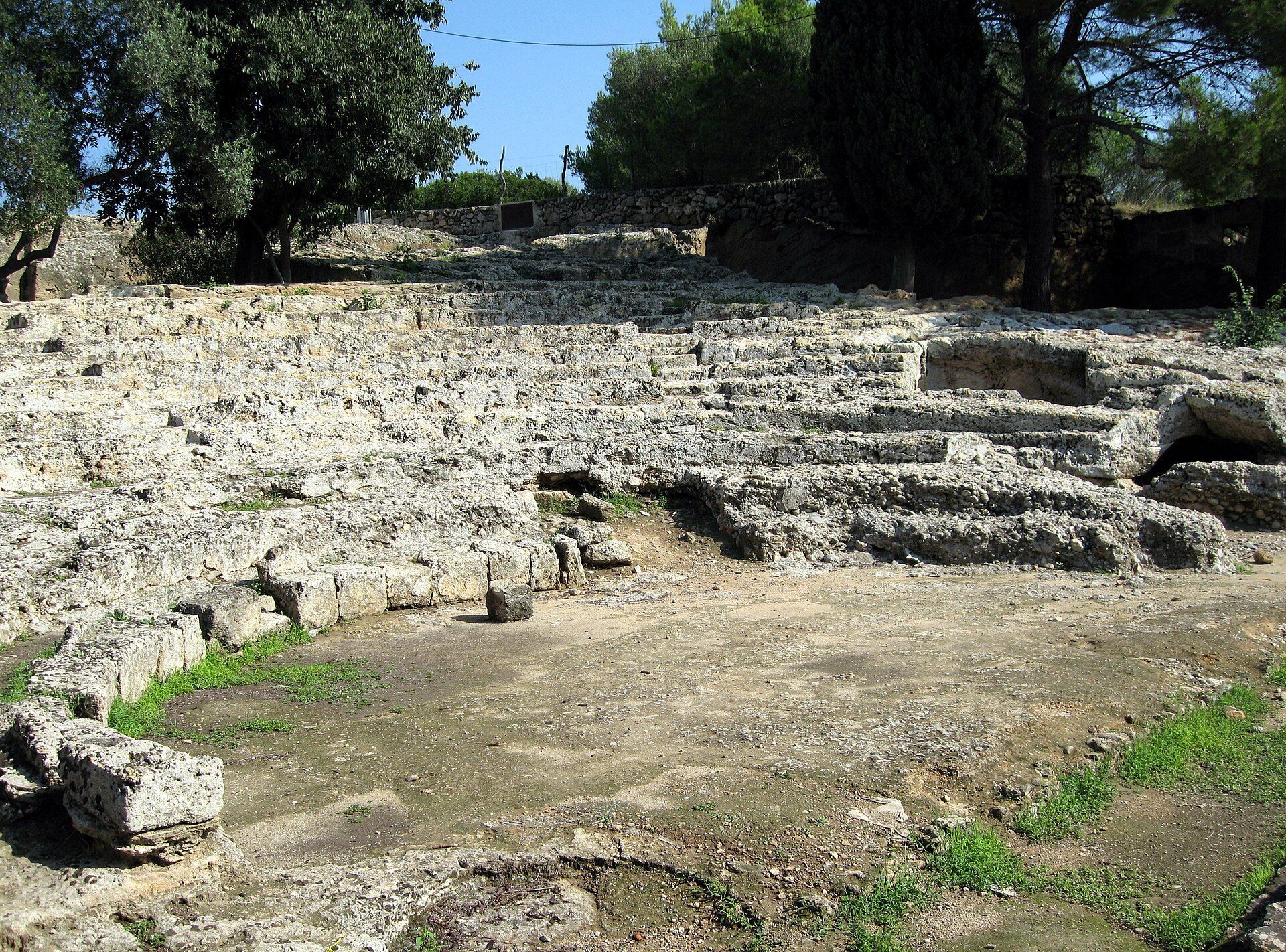
2,000 years ago a Roman city with its own theatre stood here – today you can walk through the excavations and see the finds in the museum.
The short answer
Pollentia: the Roman city near Alcúdia
Pollentia near Alcúdia is a Roman excavation site with a theatre carved into the rock in the 1st century AD, plus a separate museum with finds. According to the official tariff, a single low-priced ticket covers both the excavation site and the museum – check the current price before your visit.
Excavation site and museum
According to the official tariff, a single low-priced ticket covers the excavation site and the Museu Monogràfic. The two sites have separate entrances.
The theatre
The theatre of Pollentia was carved into the natural rock in the 1st century AD and is one of the rare surviving Roman theatres of this construction type in the Balearic Islands.
Residential quarter and forum
The Sa Portella residential quarter and the remains of the forum give an impression of everyday life in the Roman city.
The museum
The Museu Monogràfic displays everyday objects, theatre masks and grave goods from the excavations.
At a glance
- Location
- Alcúdia, north of Mallorca
- Duration
- 1–2 hours for both sites
- Rainy-weather score
- 2 out of 5 (excavation mostly open-air)
- Accessibility
- limited on the excavation site
- Ticket
- one ticket for excavation and museum
Practical tips
- In rain, visit the museum rather than the excavation site; in dry weather, the excavation site.
- Allow enough time for both sites, as they have separate entrances.
- Sturdy footwear for the uneven excavation site.
Check the details
Admission prices, opening times and current exhibitions change at short notice. We only state the editorially checked information – check the venue’s official website before your visit.
Places
These cultural sites belong to this topic
Admission prices, opening times and current exhibitions change at short notice. We only state the editorially checked information – check the venue’s official website before your visit.
Alcúdia
Pollentia – Roman city and Museu Monogràfic
Mallorca’s most important Roman city – forum, residential quarter and theatre lie right outside Alcúdia’s old town.
- Admission
- Low combined admission for excavation and museum – check the current price
- Duration
- approx. 90 minutes
- Suitable for rain
- 2/5 – only briefly rainproof
- Getting there
- Street parking on the access road to the excavation site
Guided tours
Don’t miss: the Roman theatre south of the town and the Sa Portella residential quarter.
RM24 tip: the excavation site is unsheltered – in rain only the museum part in the old town is worthwhile.
Map & radius
Location and distances
Choose a starting point and set the radius – this lets you plan a culture day without unnecessary driving.
The interactive finder is loading …
Frequently asked questions
Questions about Pollentia
Do you need a combined ticket for the excavation and the museum?
No – according to the official tariff, one ticket covers both the excavation site and the museum. Check the current price before your visit.
How long does a visit take?
About 1 to 2 hours for both sites together.
Is Pollentia a good choice when it rains?
The excavation site is mostly open-air; in rain the museum is the better option.
More culture topics
-
Museums when it rains
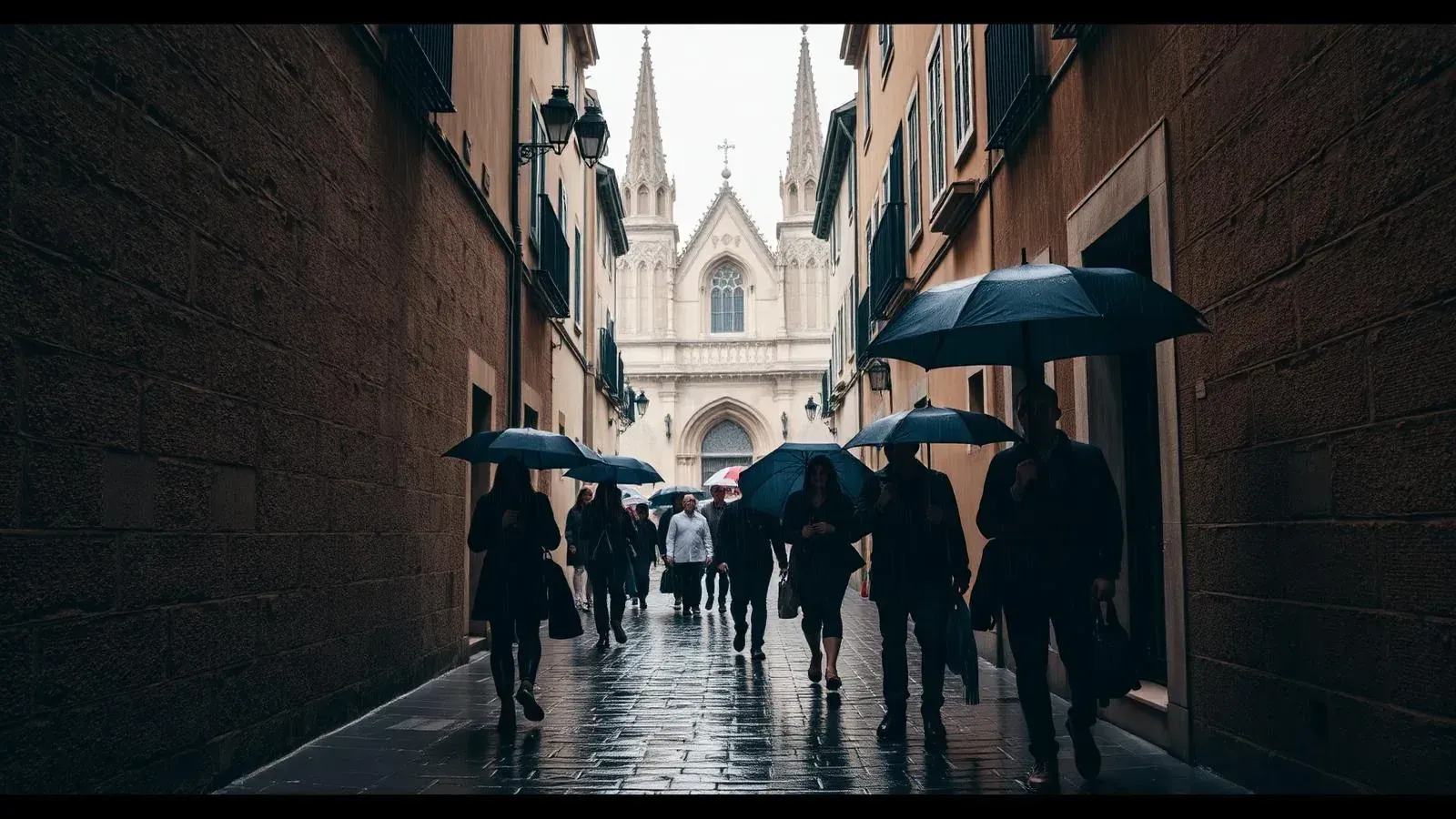
Rain clouds over the Bay of Palma don’t mean a lost holiday day – the island has more indoor museums, cathedrals and studios than most visitors expect.
-
Es Baluard
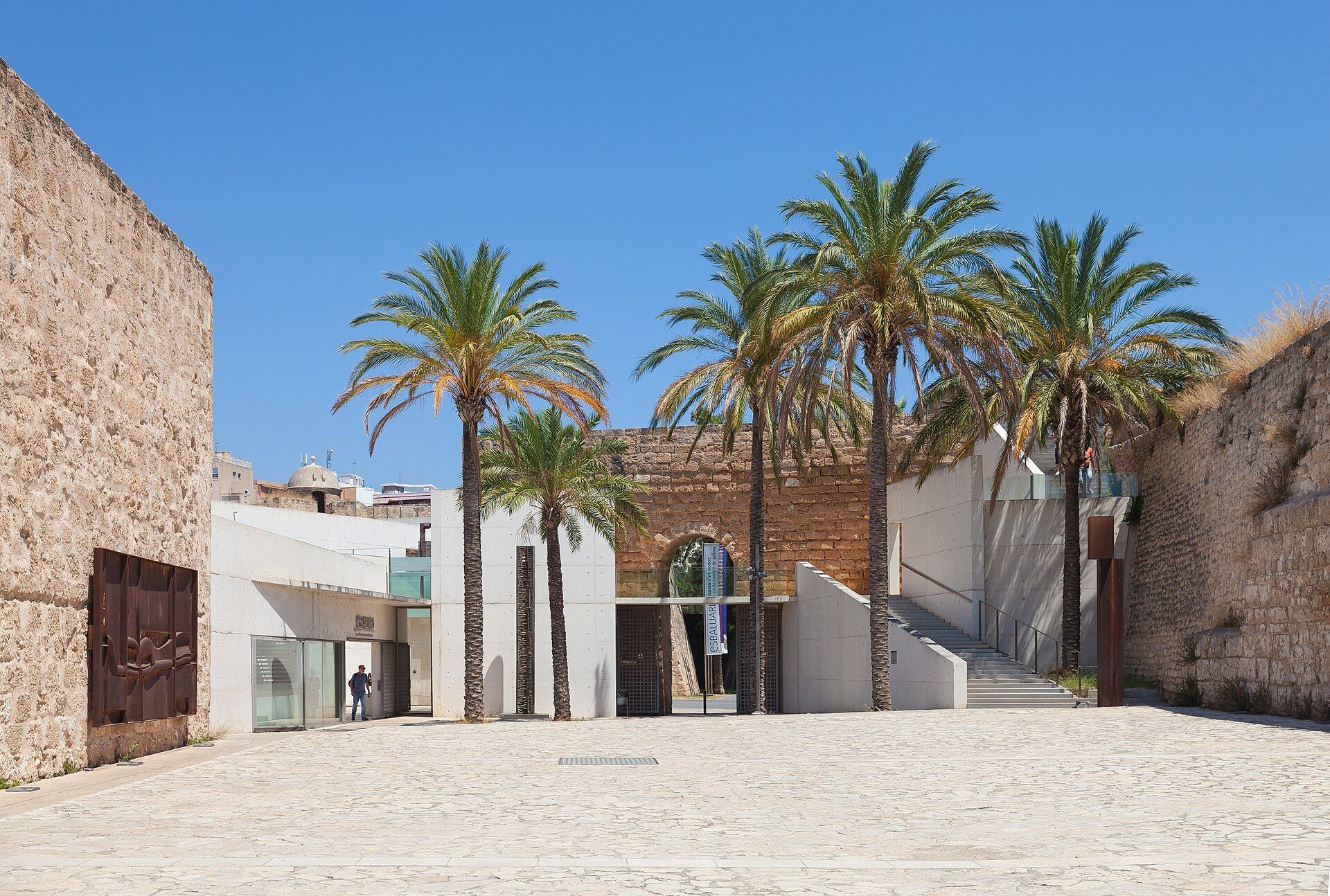
Within 500-year-old fortress walls above the Bay of Palma, contemporary art now hangs – with one of the best terrace views in the city included.
-
Fundació Miró
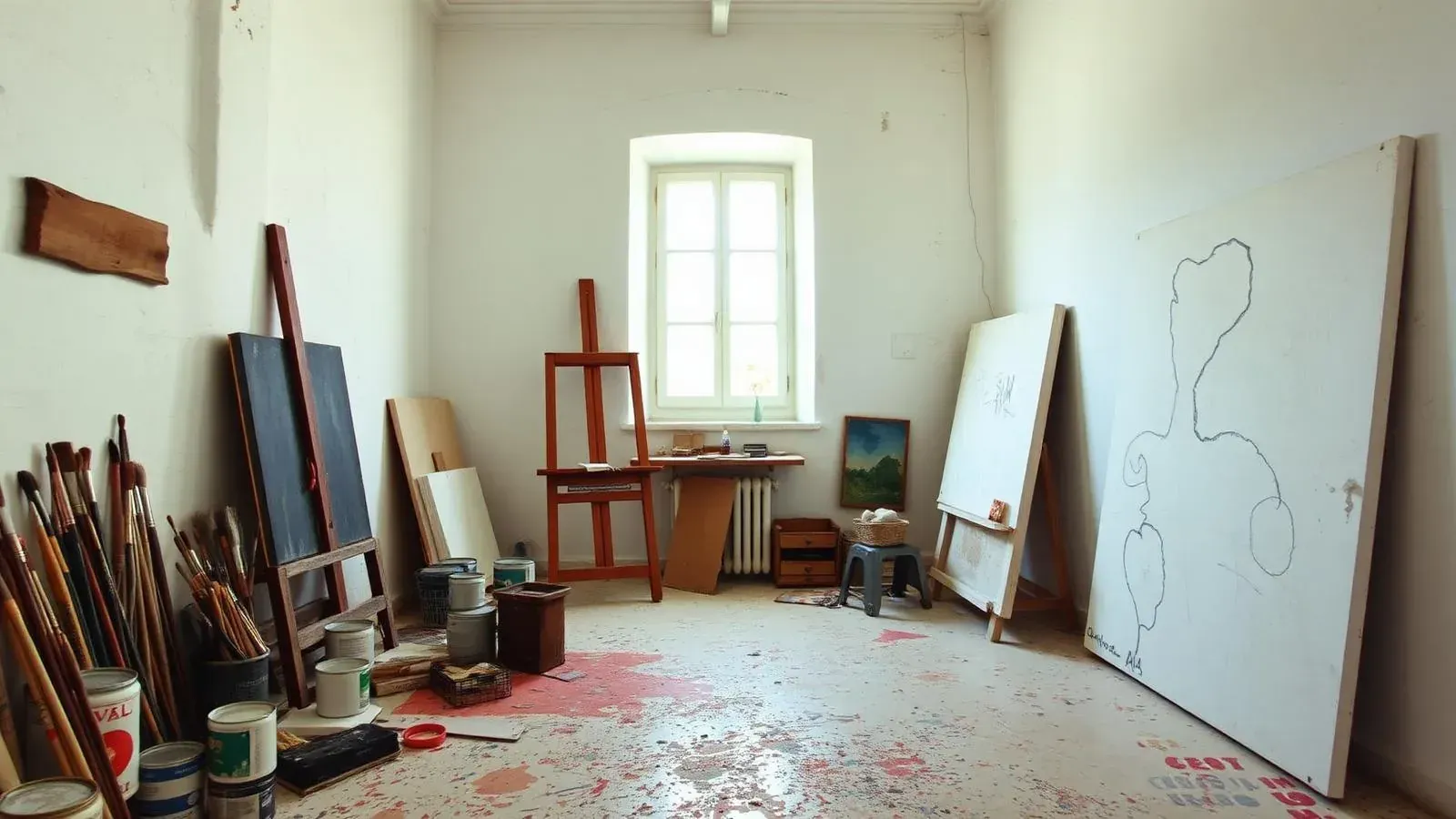
For almost 30 years Joan Miró’s easel stood in this studio designed by Josep Lluís Sert above the bay of Cala Major – today you can look right inside.
Next steps
Image credits: Roman theatre of Pollentia in Alcúdia: Photo Olaf Tausch, CC BY-SA 3.0, via Wikimedia Commons · Es Baluard in Palma with palm trees and bastion: Photo Thomas Wolf, www.foto-tw.de, CC BY-SA 3.0 de, via Wikimedia Commons